Published: March 4, 2026
Howdy from the Willow Edge, Farm Mamas
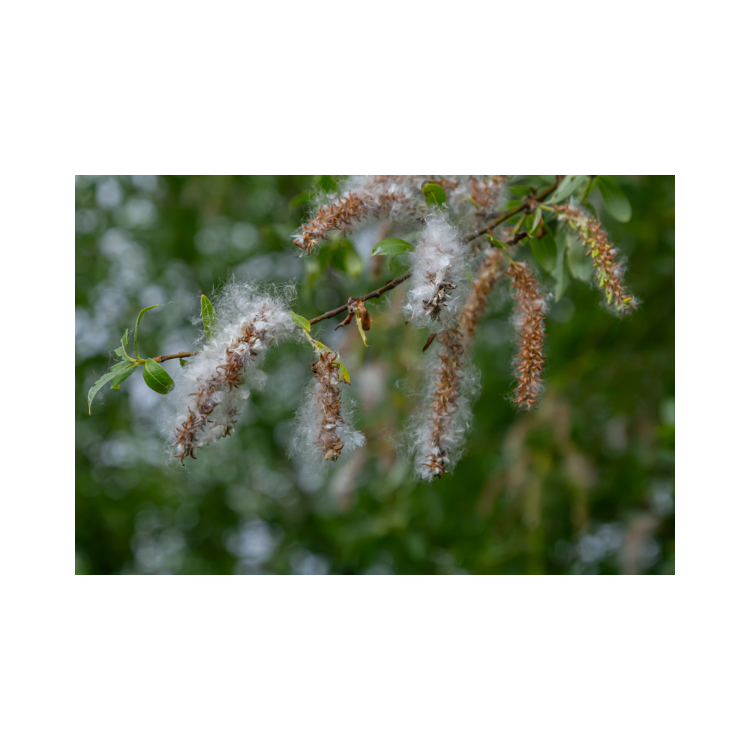
It’s early March, the days are lengthening, the sap is starting to run, and the white willow along the creek is showing the first signs of spring — fuzzy catkins and bright bark.
After more than a decade of country living and sustainable farming on our 33-acre Michigan homestead, white willow has become one of our most trusted winter allies — natural pain relief, animal fodder, and a beautiful windbreak.
Today I’m sharing the full guide to Salix alba — from zones to pruning, medicinal bark harvesting, and farm uses.
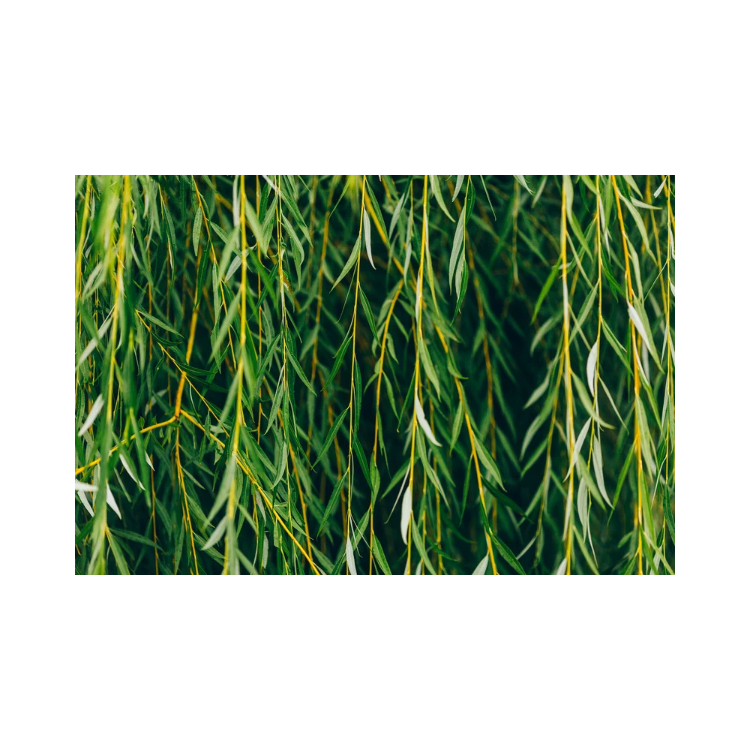
Let’s dive in — grab a warm drink and let’s talk about this healing tree.
White Willow at a Glance
Scientific Name: Salix alba
Common Names: White Willow, European Willow, Weeping Willow
Family: Salicaceae
Type: Deciduous tree
USDA Zones: 2–8 (hardy to -40°F)
Why It’s Perfect for Early Spring on the Homestead
- Natural Aspirin: Bark contains salicin (precursor to aspirin) — pain relief tea
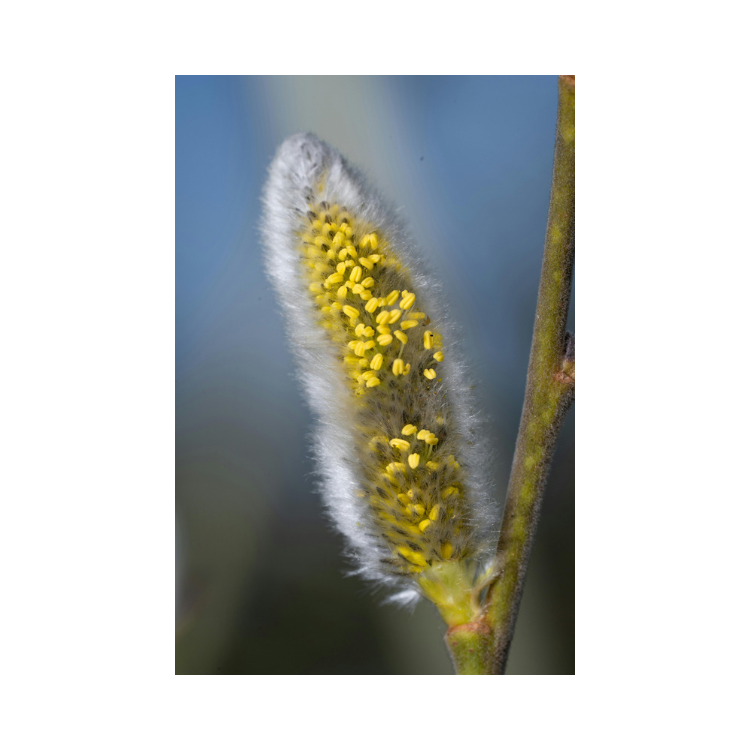
- Early Pollinator Food: Catkins feed bees in March
- Farm Utility: Windbreak, erosion control, animal fodder
- Fast Growth: 6–8 ft/year
History & Farm Story
Native to Europe, Asia, and North Africa, white willow was the original source of salicin — used by ancient Sumerians, Egyptians, and Greeks for pain and fever. Indigenous peoples in North America used related willows similarly.
On our farm, we planted a row along the creek 10 years ago — now a 20-ft tall windbreak that protects the garden from spring winds and gives the ducks a safe place to hide. We harvest bark in early spring for tea and salve, and the catkins are the first bee food of the year.
Where It’s Grown Today
- Commercial: Europe, North America (medicinal bark, basketry)
- Home/Farm: Creek banks, wet areas, windbreaks
- Best Conditions: Full sun, moist/wet soil (tolerates flooding)
- Mature Size: 50–80 ft tall, 30–50 ft wide
Plant Anatomy
| Part | Description | Farm Use |
| Bark | Gray-brown, fissured; inner bark white | Medicinal tea, salve |
| Leaves | Long, narrow, silver underside | Compost, fodder |
| Catkins | March–April, yellow (male), green (female) | Bee food |
| Roots | Deep, spreading | Erosion control |
Agricultural Production
- Propagation: Hardwood cuttings (late winter), root in water
- Spacing: 15–20 ft for windbreak
- Growth Rate: 6–8 ft/year
- Pruning: Late winter — remove suckers, shape for windbreak
Farm Hack: Use pruned stems as natural coop stakes or wreath bases.
Fun Facts
- Salicin in bark = natural aspirin (Bayer synthesized it in 1899 from willow)
- Bees make “willow honey” — light, mild flavor
- Roots stabilize creek banks — prevents erosion
- Can live 1,000+ years in wild
Holistic & Medicinal Uses
- Bark Tea: 1–2 tsp dried inner bark in hot water, steep 10 min — pain relief, fever, headache
- Salve: Infuse bark in oil for muscle/joint relief
- Animal Use: Bark tea for livestock pain (diluted)
Farm Tie-In
We use bark in salve blends for sore hands after chores.
Culinary Uses
- Not Edible: Leaves mildly toxic if ingested large amounts. Use sparingly in tea.
Growing Tips (Step-by-Step Guide)
Materials
- Bare-root or potted tree
- Mulch, compost
Steps
- Site: Full sun, protection from winter wind.
- Plant: Spring or fall, hole twice root ball width.
- Water: Deeply first year.
- Mulch: 3” around base (not touching trunk).
- Prune: Early spring — remove dead branches, shape lightly.
Troubleshooting
- Browning? → Winter burn — wrap young plants.
- Deer browsing? → Net or repellent.
Garden Friends (Companion Plants)
| Companion | Why It Works |
| Red Twig Dogwood | Winter color contrast |
| Winterberry Holly | Bird food + red berries |
| Birch Trees | Textural mix |
Pests & Diseases
- Bagworms: Hand remove bags
- Root Rot: Good drainage
- Deer: Fencing or repellent
Varieties to Try
| Cultivar | Stem Color | Height | Best For |
| ‘Vitellina’ | Golden-yellow | 30–50 ft | Winter color |
| ‘Chermesina’ | Orange-red | 30–50 ft | Dramatic stems |
| ‘Tristis’ | Weeping form | 50–70 ft | Ornamental |
Shop the Willow Pairing
- Muscle & Joint Salve – (for pruning hands)
- Laser-Engraved Slate Plant Markers –(pre-engraved with plant names + icons, ready for your garden)
- Bumps & Bruises Salve
Shop Now →
Parent Tips
- Plant a small one with kids — watch the red stems appear each winter.
All printables are free images in the blog post. Generic version for your family to personalize and print.
A few of the items we mention link to things we actually use around the farm. Buying through those links sends a little support our way at no extra cost to you — thank you for helping keep Lange Girl Farms going!
Some links are affiliate links — I earn a small commission at no extra cost to you.
Shop our farm-made goods → https://langegirlfarms.com/shop
Let’s stay connected!
Instagram • Pinterest • Facebook • X (Twitter)
© Lange Girl Farms – All Rights Reserved