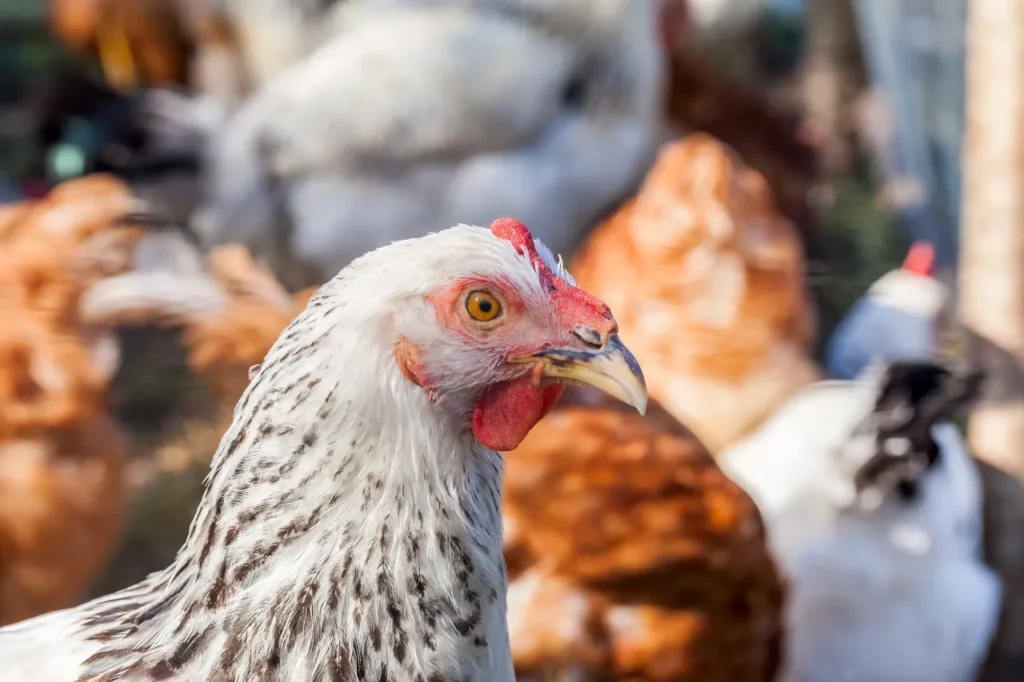
Hey farm gals, it’s Kara from Lange Girl Farms! After 15 years of homesteading here in Southeast Michigan—raising a lively pasture flock alongside barn cats that keep the ecosystem balanced and my huskies standing guard—I’ve cracked open thousands of eggs. Some from my girls foraging on real grass, bugs, and sunshine; others from store-bought cartons I used back when we were just starting out. The difference? It’s not just that gorgeous deep-orange yolk that stains everything it touches. It’s the nutrition packed inside that fuels my family’s busy days.
I eat about 4 eggs daily—usually scrambled in butter or tallow with cheddar (sometimes diced bacon or ham from our own sources) wrapped in my homemade flour tortillas for a hearty burrito, or folded into lemon poppyseed or chocolate chip muffins using my from-scratch dry mix plus fresh milk, eggs, and butter. Those meals keep me going through chores, and I credit the quality of our pasture-raised eggs for the steady energy and no mid-morning crash. But not all eggs are created equal. Today in Part 1 of our Egg Nerd Series, we’re diving deep into the data: how housing, diet, and lifestyle of the hens dramatically change what ends up in your skillet.
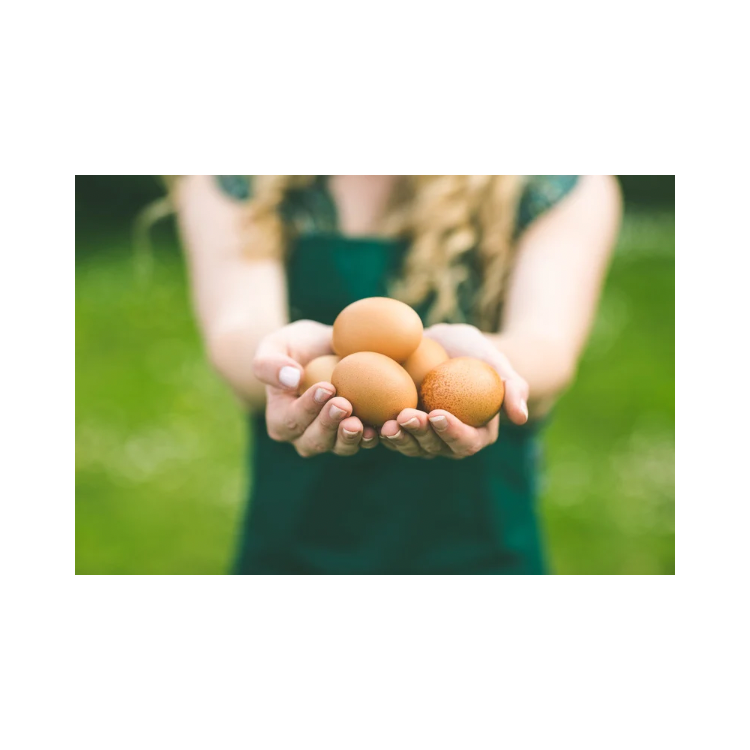
Let’s start with the basics of egg production. A typical commercial egg comes from hens in large-scale operations—often caged or in crowded barns with limited or no outdoor access. Their feed is primarily grain-based (corn and soy heavy), formulated for maximum output but not necessarily maximum nutrition. These hens rarely see sunlight or forage naturally. In contrast, my pasture-raised hens roam freely on fresh grass, hunt insects, scratch in dirt, and bask in the sun. They get supplemental feed, but the real magic happens from their diverse, natural diet and active lifestyle. This regenerative approach builds healthier soil, reduces waste, and—most importantly—produces superior eggs.
The proof is in the lab tests. One of the most cited comparisons comes from Mother Earth News in 2007-2008. They sampled eggs from 14 pasture-raised flocks across the U.S. (hens with real outdoor access, rotated on fresh pasture) and compared them to USDA data for conventional commercial eggs. The results were eye-opening:
- 1/3 less cholesterol
- 1/4 less saturated fat
- 2/3 more vitamin A
- 2 times more omega-3 fatty acids
- 3 times more vitamin E
- 7 times more beta-carotene
- Later vitamin D testing showed 4-6 times more in pastured eggs, thanks to sunlight exposure on the hens.
These aren’t small differences. Beta-carotene gives those yolks their vibrant color and converts to vitamin A in your body—supporting vision, immune function, and skin health. Vitamin E acts as a powerful antioxidant, protecting cells from oxidative stress. Omega-3s (especially DHA and EPA forms enhanced by foraging) help balance inflammation and support brain and heart health. Lower saturated fat and cholesterol per egg? That’s a bonus for folks watching those numbers, though we’ll nerd out more on cholesterol myths in Part 2.
Fast-forward to more recent science. A 2021 study published in ACS Food Science & Technology (Sergin et al.) compared conventional, free-range commercial, and pasture-raised local eggs. Pasture-raised yolks had significantly higher retinol (vitamin A), carotenoids, and α-tocopherol (vitamin E). Omega-3 percentages were higher, with lower omega-6:omega-3 ratios (often 5-10 times better than conventional). They also identified higher branched-chain fatty acids (BCFAs) in pasture eggs—compounds linked to gut and metabolic health.
Another 2022 study (Sergin et al., PMC) looked at pasture-raised hens on corn/soy-free diets supplemented with grass-fed beef by-products versus standard feed and cage-free commercial eggs. Both pasture groups showed twice the carotenoid content, three times the omega-3s, and dramatically better fatty acid ratios compared to cage-free. The corn/soy-free group had even more perks: half the omega-6, five times more conjugated linoleic acid (CLA—for anti-inflammatory effects), and up to 70 times more branched-chain fatty acids. This shows that what the hens eat and how they live compounds the benefits.
Penn State and USDA-linked research echoes this: pasture eggs can have 2-2.5 times more total omega-3s and half the omega-6:3 ratio. One pastured egg might deliver 330 mg of omega-3s—getting you closer to the 250-500 mg daily target many experts recommend for reducing inflammation.
Why does this happen? Hens on pasture consume a diverse diet: grasses provide fiber, tocopherols (vitamin E precursors), carotenoids, and flavonoids; insects and worms add protein, fats, and micronutrients; sunlight triggers vitamin D synthesis in their skin, which transfers to the egg yolk. Stress levels are lower too—crowded conventional systems can elevate cortisol, potentially affecting egg quality. In my flock, the hens are relaxed, active foragers. You can see it in the eggs: thicker shells, firmer whites, and those nutrient-rich yolks that stand tall in the pan.
A 2024 review on organic eggs (which often overlap with pasture systems) noted lower saturated fat, better n-6:n-3 ratios, fewer contaminants, and higher desirable micronutrients. Organic/pasture setups reduce exposure to antibiotics and improve hygiene through natural behaviors.
On my farm, we go further: no soy/corn-heavy feed dominance, plus the barn cats (more in Part 3) help control pests naturally. This closed-loop system means richer compost for gardens and happier hens laying consistently nutrient-dense eggs. My daily 4-egg breakfasts taste richer—creamier scrambled eggs, better binding in muffins—because of it. Friends who switch from store eggs often comment on the color and flavor first, then the satiety.
But labels can confuse. “Cage-free” means no cages but often still indoor-only with grain feed—nutrition closer to conventional. “Free-range” requires some outdoor access, but it can be minimal (a small porch). True pasture-raised (like Certified Humane standards) gives hens meaningful space—often 108+ sq ft per bird—with rotating fresh forage. Not all “pasture” claims are equal; visit farms or buy local when possible.
Practical tips from my 15 years:
- If buying: Look for “pasture-raised” + third-party verification. Check yolk color—deep orange signals carotenoids.
- Raising your own: Start small with a movable coop or fenced area. Supplement with kitchen scraps, but ensure balanced feed. Rotate pastures to prevent overgrazing and build soil.
- Storage: Fresh pasture eggs last 4-6 weeks in the fridge (unwashed for longer shelf life if you sell/share).
- Cooking: My butter-scrambled version with cheddar highlights the flavor. For burritos, dice in farm veggies for extra fiber.
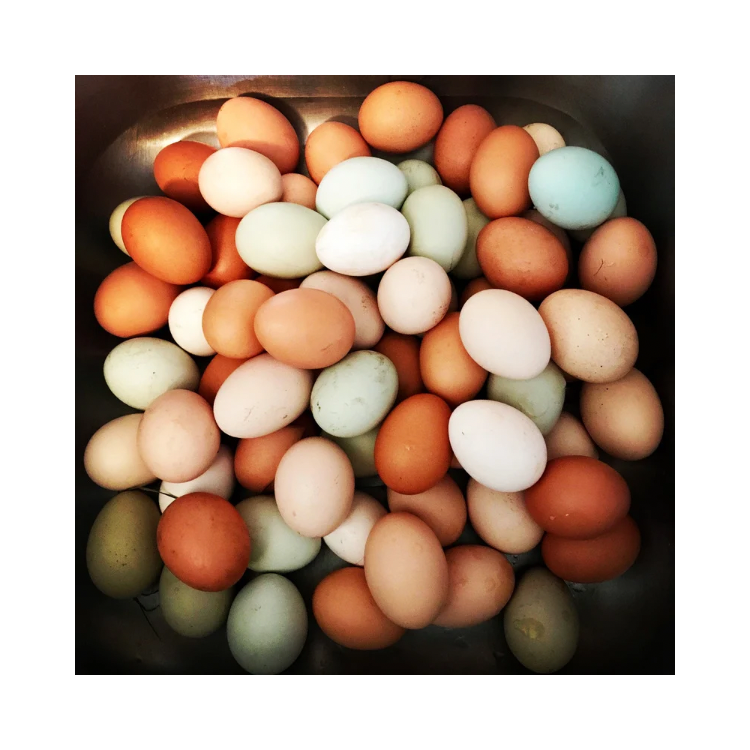
The bottom line, farm gals: The health of your eggs starts with the hen’s life. Pasture-raised isn’t marketing hype—it’s backed by decades of testing showing superior omega-3s, vitamins, antioxidants, and better fat profiles. Conventional eggs are still nutritious (complete protein, choline, B12), but they’re like basic fuel versus the premium version from regenerative farms like ours.
This is just the foundation. In Part 2, we’ll nerd out on what these powerhouse eggs do for your human body—cholesterol debates, choline for brain health, daily intake like my 4-egg routine, and balanced views from recent meta-analyses. Then Part 3 covers the surprising science of raising chickens and barn cats together, including those IgY antibodies that could help with cat allergies.
Pin this post for your next egg run or homestead planning. Drop a comment: What’s your go-to egg breakfast? Have you noticed differences in pasture vs. store eggs? Come grow with me at Lange Girl Farms—we’re all learning together!