Backwards Bug Battles: Why Quick-Fix Pest Products Fail — and How True IPM Builds a Resilient Farm (or Homestead)
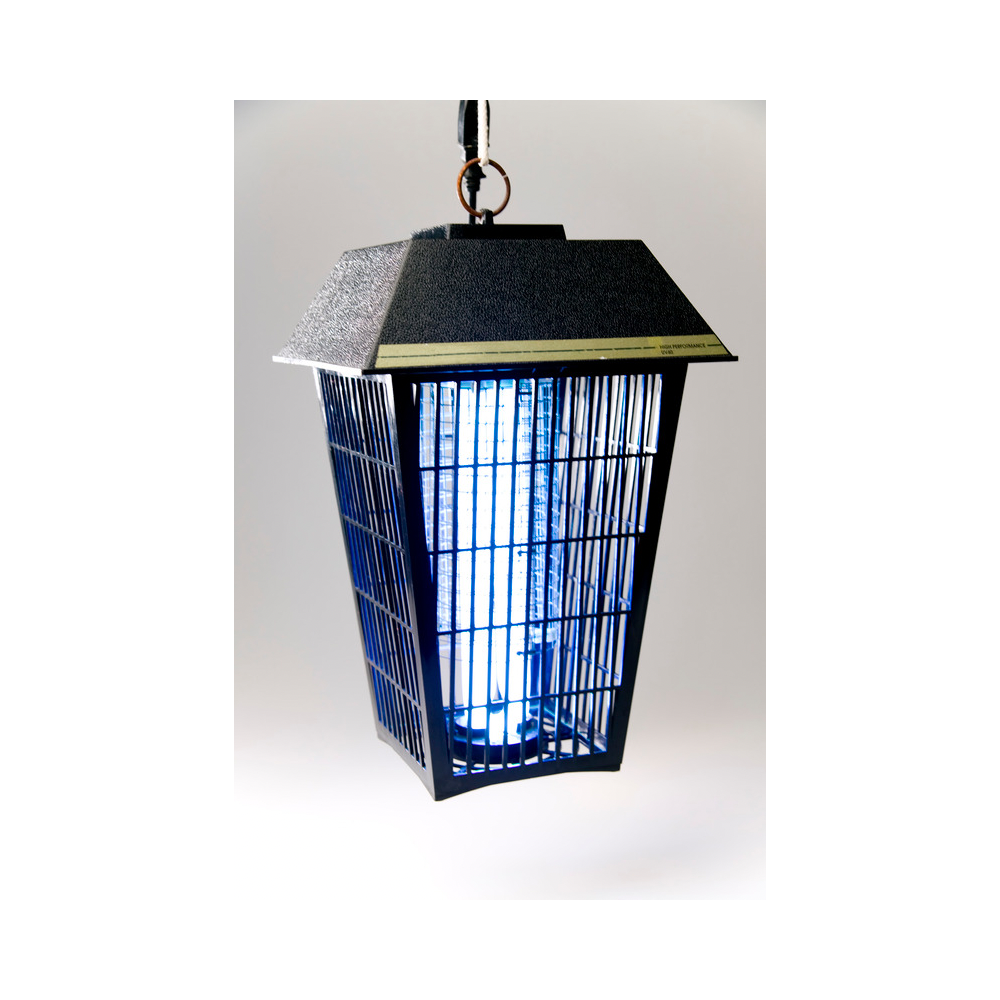
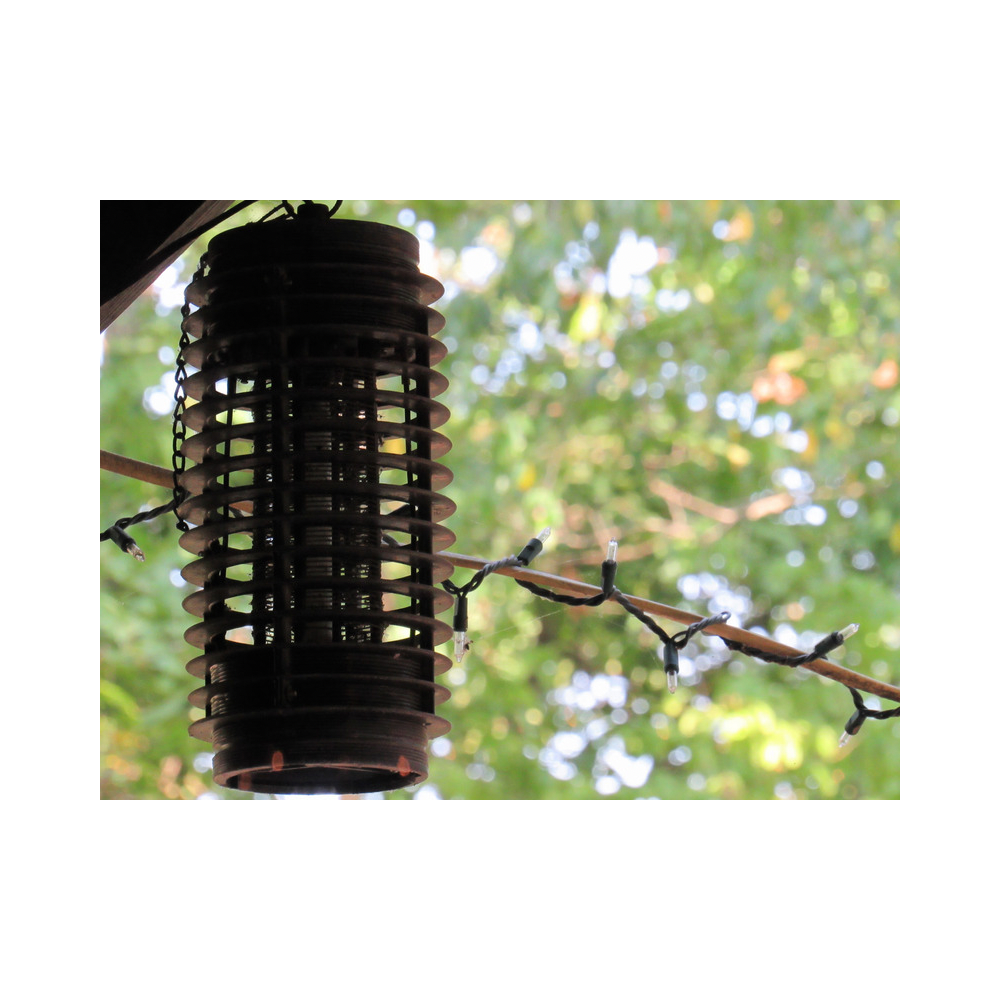
Hey friends, it’s Kara from the farm. In Post 1 we laid out the bigger pattern: many popular pest control products deliver a quick, visible “win” while ignoring root causes and harming the beneficial insects, predators, and pollinators that keep ecosystems (and farms) in balance. Today we zoom in on one of the most common culprits — electric bug zappers (the classic outdoor models with the loud zap) and their quieter indoor cousins, the plug-in blue-light or UV sticky traps.
These devices feel satisfying. You plug them in, hear the occasional crackle, see a pile of dead bugs by morning, and assume you’re winning the war on mosquitoes and other flying pests. But the research tells a different story: they’re highly effective at killing insects — just not the ones you usually want to target. Instead, they disproportionately remove moths, beetles, midges, fireflies, and other beneficials while barely touching true pest mosquitoes. The result can be a net negative for your yard, garden, livestock areas, or pollinator-dependent crops.
We’ll walk through the key studies with the actual numbers, explain the biology behind why these traps miss mosquitoes, discuss the broader ecological toll (including parallels to dandelion “weeds” and glyphosate-style collateral damage), and look at indoor blue-light versions. Then we’ll connect it back to why this fits the backwards MO and how IPM offers a better path.
The Landmark Data: University of Delaware Study
One of the most cited and thorough examinations comes from the University of Delaware’s Department of Entomology and Applied Ecology. Researchers placed six residential electric insect traps (standard bug zappers) in different locations around Newark, Delaware, and ran them over a 10-week summer period. They collected, counted, and identified every insect killed.
Total insects analyzed: 13,789.
Biting flies, including mosquitoes: 31.
That works out to 0.22% (or less than one-quarter of one percent) of the catch being the target pests most people buy zappers to control.97
The rest? Nearly half (~48%) were non-biting aquatic insects such as midges and caddisflies — important food sources for fish, frogs, birds, and bats. Another significant portion included moths, beetles, and other nocturnal insects, many of which serve as pollinators (moths handle the “night shift” for certain plants), decomposers, or natural predators/parasitoids that help suppress pest populations.
The researchers concluded bluntly that these traps are “worthless for biting-fly reduction.” The heavy nontarget toll and near-absence of mosquitoes made them ineffective for practical mosquito control in residential settings.
Corroborating Studies and Broader Estimates
Other research paints a similar picture, though exact percentages vary by location, trap model, and season:
- Notre Dame University researchers conducted studies showing mosquitoes comprising roughly 3.3% to 6.4% of the nightly catch in some trials, with one average night recording 3,212 insects killed per zapper but only a small fraction being mosquitoes.233
- Rutgers Vector Biology program summarizes multiple studies: biting insects generally make up less than 1% of zapper collections. Comparison trapping (yards with vs. without zappers) often shows no significant difference in local mosquito populations.530
- A 1997 estimate by University of Florida entomologist J.F. Day, based on sales data and average kill rates, suggested U.S. bug zappers may slaughter around 71 billion nontarget insects annually. Most of these are beneficial beetles, moths, ants, midges, parasitic wasps, and other species that support pollination, decomposition, and natural pest control.3
These numbers add up to massive collateral damage with minimal payoff on the pests that matter most around farms and homes.
Why Mosquitoes Largely Ignore Bug Zappers: The Biology
The mismatch comes down to how different insects sense the world.
Mosquito host-seeking behavior (driven by females needing blood for egg production) relies primarily on:
- Carbon dioxide (CO₂) exhaled by animals and humans — detectable from tens of meters away.
- Body heat and moisture.
- Skin volatiles and odors (lactic acid, octenol, ammonia, and other compounds that vary by individual and species).
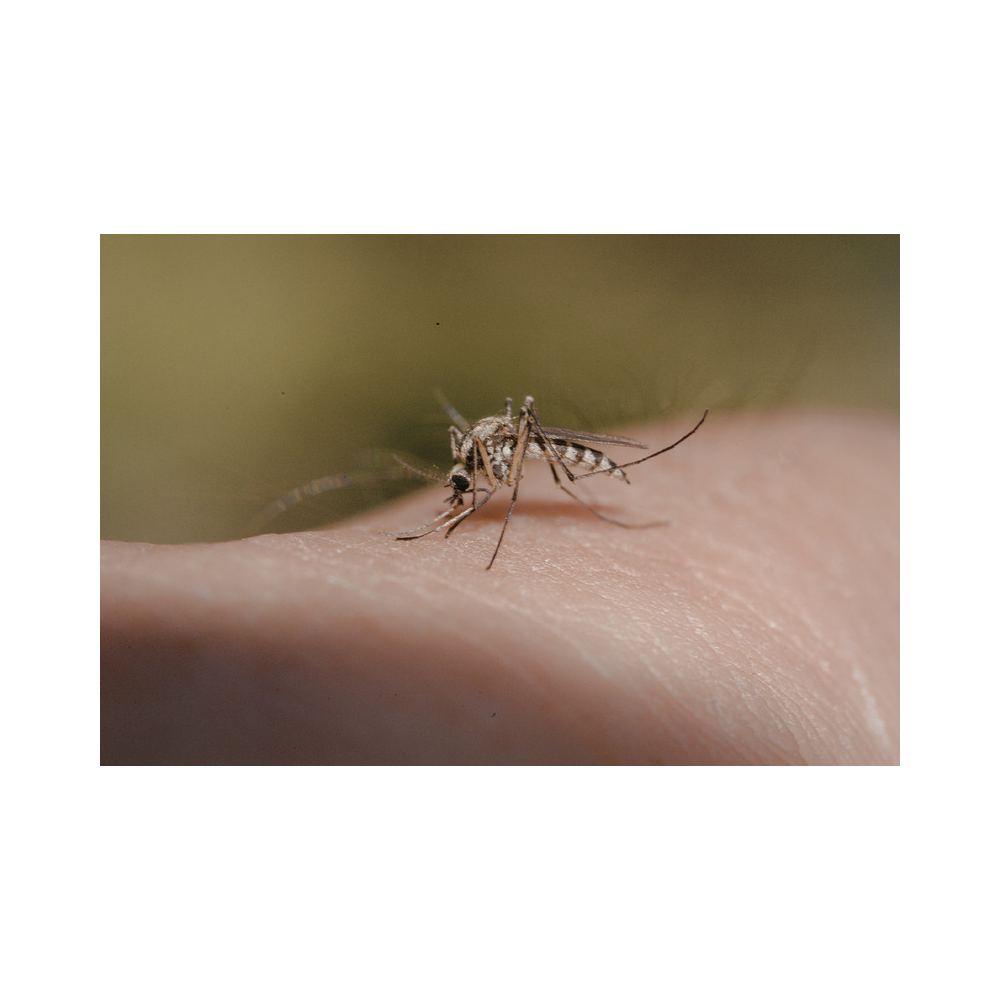
Vision and light play a minor, context-dependent role for most mosquito species. Attraction to UV light is limited, varies by sex, species, time of day, and can even act as a deterrent in some cases. A University of California, Irvine study highlighted that UV attraction in mosquitoes is nuanced and not a primary driver compared to chemical and thermal cues.6
In contrast, many nocturnal insects (especially moths, certain beetles, and midges) are strongly phototactic. They use light cues — moonlight, stars, or horizon glow — for navigation and foraging. A bright UV or blue-purple glow from a zapper mimics these cues or signals a potential nectar source, drawing them in from a wide area. Once close, the high-voltage grid does the rest.
Harvard Medical School’s resources on Zika virus control explicitly warn against bug zappers: “Studies have shown that these do not reduce mosquito bites, and may actually increase mosquito populations by killing off beneficial insects that prey on mosquitoes.”10
By removing predators (dragonflies, bats’ food sources, parasitic wasps) and competitors, zappers can indirectly allow mosquito numbers to rebound or persist longer than they otherwise would.
Indoor Blue-Light and UV Plug-In Traps
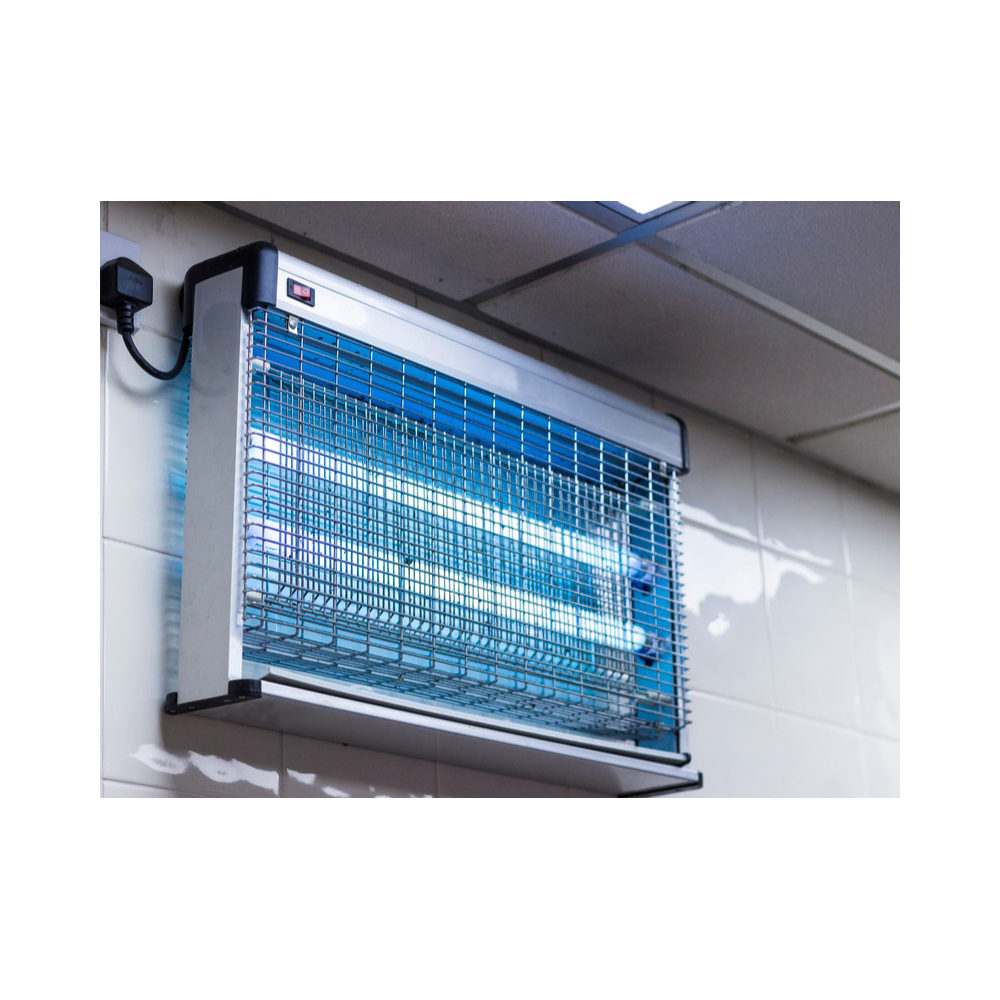
The same principles apply to popular indoor “mosquito and gnat” traps — the plug-in units with soft blue or UV LED glow and sticky glue boards (brands like Zevo or generic versions).
These devices work reasonably well for household nuisances in contained spaces:
- Fruit flies near kitchens or compost.
- Fungus gnats around houseplants or damp areas.
- Some small moths or pantry pests.
The blue/UV light attracts phototactic insects in low-light indoor environments, and the fan or sticky surface captures them quietly without the outdoor zap sound.
However, they still follow the backwards pattern against true mosquitoes:
- Mosquitoes entering from outdoors are not strongly drawn by the light alone.
- Any incidental mosquitoes caught are a tiny fraction compared to the non-target insects pulled in.
- On a farm with barns, sheds, or livestock areas, these traps can contribute to the overall removal of beneficial flying insects without solving breeding sources outside.
Studies on light traps (including UV fluorescent vs. LED) confirm UV is highly attractive to many flying insects, but mosquito response varies and is generally weaker than for moths or midges. One comparative trap study in forest settings ranked UV fluorescent highest for mosquito capture among light sources, but even then, efficiency depended heavily on species, season, and time of night — and consumer plug-ins don’t replicate the power or setup of research-grade traps.24
Honey bees are generally not strongly attracted to these lights (they forage diurnally), but nocturnal and crepuscular pollinators and predators still take the hit.
Ecological and Farm-Level Consequences
The broader impact goes beyond “fewer moths at night.”
- Pollinator decline: Moths and beetles contribute to nighttime pollination for many plants. Removing them reduces reproductive success for certain crops, wildflowers, and “weeds” like dandelions that support early-season bees and butterflies.
- Food web disruption: Midges, caddisflies, and other aquatic insects feed birds, bats, fish, and amphibians. Bats alone can consume thousands of insects per night — including mosquitoes. Fewer prey means fewer natural allies.
- Pest rebound: Killing predatory and parasitic insects removes biological control, allowing target pests (or secondary ones) to increase over time.
- Parallel to glyphosate and dandelions: Just as broad-spectrum herbicides target visible “weeds” while ignoring their soil-aerating, nutrient-cycling, and pollinator-support roles, zappers target visible flying insects while sidelining their ecosystem services. Media and marketing emphasize the satisfying zap or “clean” yard, rarely highlighting the data on nontarget losses or the failure to address standing water — the true root cause of most mosquito issues.
On livestock operations, this matters for animal health too. Mosquitoes can stress cattle, spread disease, and reduce productivity. Removing their natural controls while leaving breeding sites (troughs, tarps, low spots, hoof prints) intact creates a treadmill effect: more pressure, more reliance on other interventions.
Why This Fits the Backwards Thinking Model
These traps exemplify the “kill everything visible, forget the root cause” approach we discussed in Post 1. They provide immediate feedback (dead bugs, quieter evenings) that feels like progress, but:
- They don’t target mosquito behavior effectively.
- They incur ongoing electricity costs (outdoor zappers often run all night).
- They create false security, delaying real prevention like source reduction.
- They contribute to broader insect declines at a time when pollinator and biodiversity concerns are growing.
Extension services (Rutgers, Colorado State, Iowa State, etc.) consistently advise that no controlled study has shown bug zappers meaningfully reduce outdoor mosquito biting rates.18
Farm Try-It for This Post
This week, audit your zappers and blue-light traps:
- List every unit on the property (outdoor, barn, home, etc.).
- Note placement, runtime, and what you’ve observed (e.g., loud zaps at dusk, glue boards filling with small flies).
- Pick one high-use area (livestock paddock, garden edge, or patio) and temporarily unplug or remove the device for 7–14 days. Keep a simple journal: mosquito biting pressure, night-time insect activity, bird/bat sightings, or any changes in plant health/pollinators.
- Identify one obvious standing water source nearby (even a small bucket, tarp depression, or clogged gutter) and commit to addressing it (dump, cover, or treat — we’ll cover safe options like Bti in later posts).
Share your audit results or experiment observations in the comments. We’ll feature real farm and homestead stories as the series continues — your experiences help others see what works (or doesn’t) in practice.
This post focused on the problem data. In upcoming installments we’ll continue examining other quick-fix products (baits, ultrasonics, sprays) before shifting fully into the IPM playbook — prevention, monitoring, biological tools, and targeted options that address root causes without the collateral damage.
Next up: Baits, lures, and ultrasonic repellents — flashy additions that often amplify the same issues.
Thanks for reading and for the thoughtful comments on Post 1. If you have specific questions about zappers on your setup (livestock areas, gardens, etc.), drop them below. We’re building this series together to help more farms and homes move toward resilient, root-cause solutions.