Hey Y’all, it’s Kara from Lange Girl Farms here in Southeast Michigan.
I’ve been out in the pastures at different times of day lately, noticing how the quality of light changes everything. The animals move differently in full morning sun versus under the harsher glare of indoor lights or the constant hum of nearby signals. It’s made me pay closer attention to what’s happening at the smallest level inside every cell — the mitochondria. These tiny powerhouses are where frequency and energy truly show their importance. As Tesla reminded us, if you want to understand the universe, think in terms of energy, frequency, and vibration. Einstein’s work on energy and waves points to the same reality. When we disrupt natural frequencies and light with modern nnEMF and artificial sources, the mitochondria take the hit — and that affects everything downstream.
In Part 1 we covered the foundation with light as quantum information and the modern mismatch. In Part 2 we went deep into frequencies and Schumann resonance. Today we focus on mitochondria under assault, drawing from converging research angles, recent insights, and how this connects plants, bees, livestock, wildlife, and our own brains.
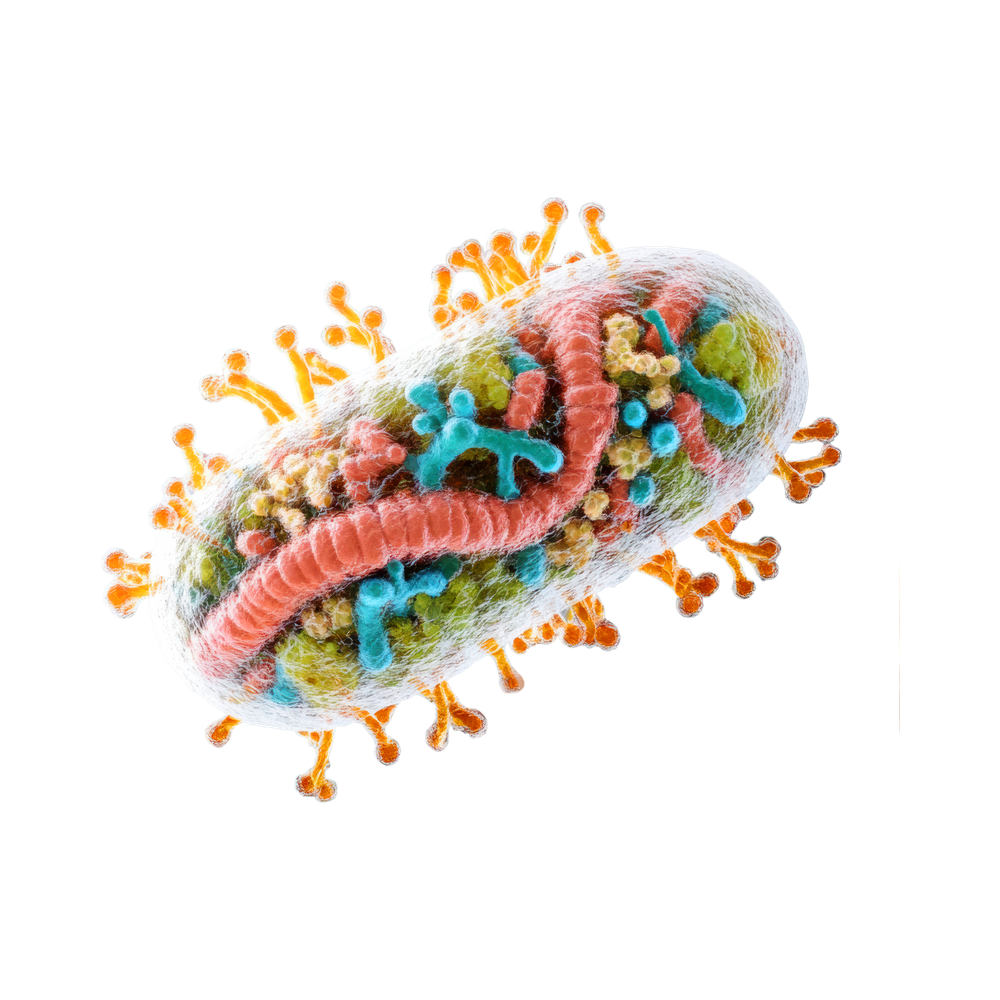
Mitochondria: The Energy and Frequency Hubs of Life
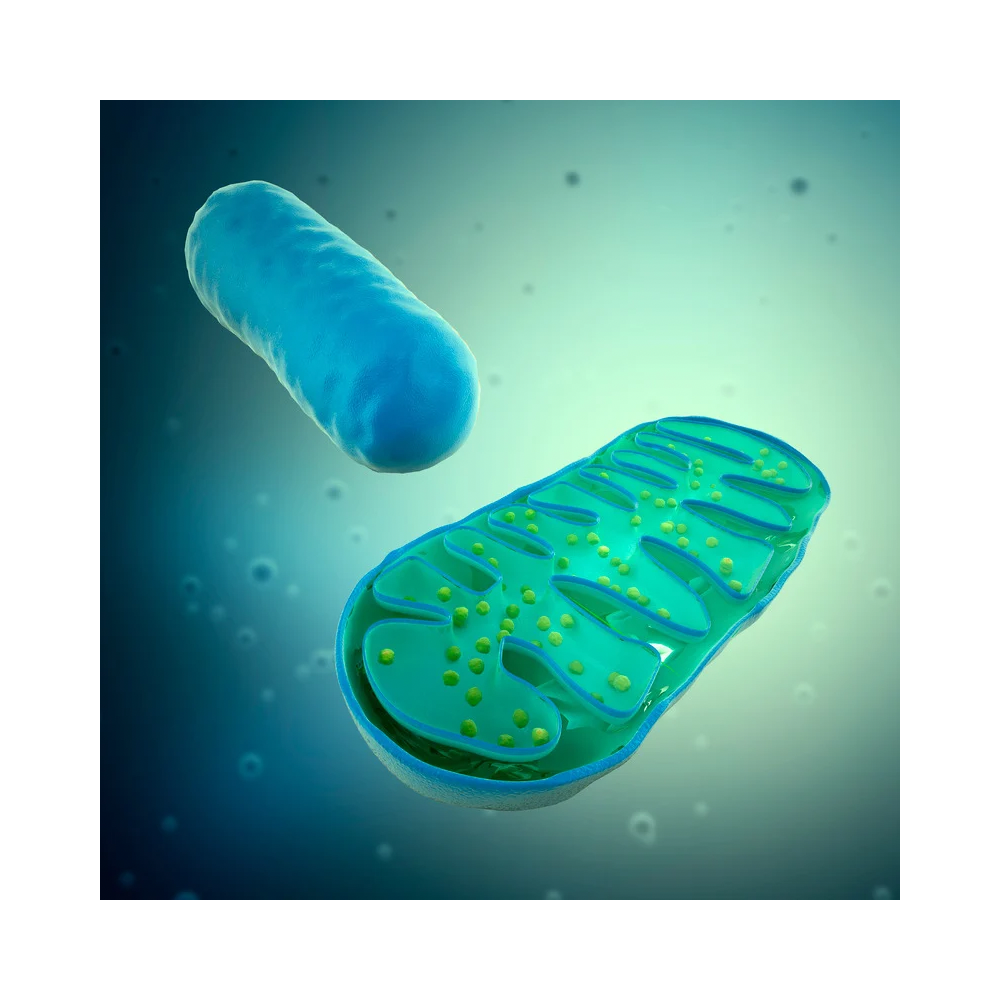
Mitochondria produce ATP, regulate calcium, manage reactive oxygen species (ROS), and influence cell signaling, repair, and even programmed cell death. They are exquisitely sensitive to both light spectra and electromagnetic frequencies because they evolved in tune with Earth’s natural rhythms, including the Schumann resonance.
When natural full-spectrum sunlight and Earth’s frequencies are dominant, mitochondria function efficiently. Artificial blue-heavy light at the wrong times and pulsed nnEMF create chronic low-level stress that impairs this efficiency.
Converging Research Angles on Mitochondrial Dysfunction
Multiple lines of research point to the same core issues:
• Oxidative Stress and ROS: RF-EMF and mismatched light increase production of reactive oxygen species while weakening antioxidant defenses. This is documented in plant studies (altered gene expression and reduced nutritional quality), bee research (foraging energy deficits), and human cell studies.
• Calcium Signaling Disruption: nnEMF can alter voltage-gated calcium channels, leading to excessive intracellular calcium that stresses mitochondria and triggers inflammatory cascades. This mechanism appears in work by multiple researchers and ties directly to neurological symptoms.
• ATP Production and Energy Metabolism: Chronic exposure reduces mitochondrial efficiency, lowering ATP output. Kruse’s framework links this to leptin, dopamine, and hormone imbalances. Other bioelectromagnetics studies show similar metabolic disruptions across cell types.
• Gene Expression Changes: Exposure upregulates stress-response genes while downregulating normal repair and metabolic pathways. This is seen consistently in forage crops, insects, and mammalian cells.
• Recent Angles and News: Emerging observations on rouleaux formation in blood (stacking of red blood cells reducing oxygen delivery) add another layer. If ambient RF-EMF affects blood properties, the same oxidative and circulatory stress is plausible in livestock and wildlife mitochondria.
These are not isolated findings. Researchers across light biology, bioelectromagnetics, and mitochondrial medicine are converging on the idea that modern environments create a sustained mismatch that overloads these ancient organelles. The frequency and energy lens makes it clearer: pulsed artificial signals disrupt the natural continuous rhythms mitochondria evolved with.
Cross-Species Connections and Plausibility
The same mitochondrial vulnerabilities appear across the board:
• Plants: Reduced photosynthetic efficiency, lower nutrient density in forage.
• Bees & Pollinators: Energy deficits affecting navigation and colony health.
• Livestock: Plausible cascading effects from poorer forage quality plus direct exposure, affecting growth, reproduction, and meat nutrient density.
• Wildlife: Navigation and reproductive impacts in birds and marine species.
• Humans: Neurological symptoms, fatigue, brain fog, and metabolic disruption.
The research gaps on large-scale livestock cascading studies don’t disprove the plausibility — they reflect where priorities and funding have been directed. The converging mechanisms make the big picture clear: protecting mitochondria through natural light, frequencies, and reduced nnEMF is foundational for regenerative systems.
Homestead Relevance
On our place, the difference is tangible when we prioritize morning sunlight for the horses and garden, maintain tree windbreaks for buffering, and minimize unnecessary smart devices near animals and living areas. These choices support mitochondrial health across the whole system — plants, pollinators, livestock, and family. They also preserve independence by reducing reliance on constant grid-tied connectivity and data collection.
We don’t need perfect studies to act. Observing our own land, animals, and energy levels gives real feedback. Small, consistent steps compound.
I’d love to hear from all of you. Have you noticed changes in energy, animal behavior, or plant vigor that seem tied to light or wireless exposure? What steps are you taking with natural sunlight, buffering, or reducing smart tech? Drop your thoughts and experiences below — I really do read every single comment. Let’s keep learning together and protecting the mitochondrial health that powers our regenerative homesteads.
With love and dirt under my nails,
Kara
Lange Girl Farms