
Hey Y’all, it’s Kara from Lange Girl Farms here in Southeast Michigan.
I’ve been paying closer attention lately to how the brain feels after a full day in natural light versus one filled with screens and constant signals. The difference in focus, mood, and even sleep is noticeable. The brain is the master conductor, and when frequency and energy are out of tune, the whole orchestra struggles. Tesla reminded us that energy, frequency, and vibration hold the secrets of the universe. Einstein showed us the wave nature of reality. When artificial pulsed fields and mismatched light disrupt the natural rhythms our brains evolved with, the effects show up in ways that are both immediate and subtle.
In previous parts we covered the foundation with light and mitochondria, frequencies and Schumann resonance, and the converging research on mitochondrial stress. Today we focus on the brain itself — the neurobiology, circadian mechanisms, and cognitive effects that tie everything together. This is where the big picture becomes clearest: small daily exposures to nnEMF and artificial light add up to real changes in how we think, feel, and function.
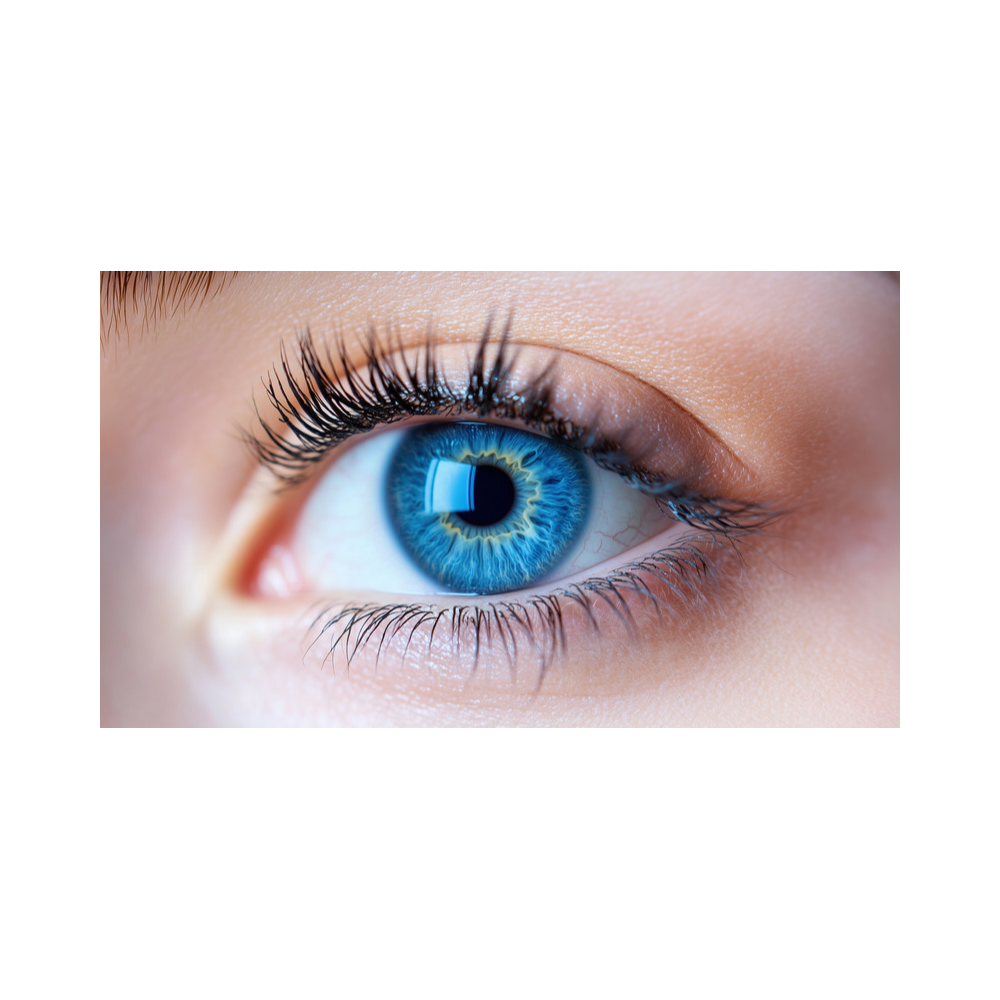
The Master Clock and Circadian Neurobiology
The suprachiasmatic nucleus (SCN) in the hypothalamus acts as the body’s master circadian clock. It receives direct input from the eyes about light timing and intensity, then orchestrates hormone release, metabolism, repair, and nearly every biological rhythm.
Natural morning sunlight (rich in UV and blue) sets this clock properly, boosting alertness, dopamine for motivation, and proper leptin signaling for hunger and energy balance. As the day shifts toward red and infrared light, the system prepares for rest and repair, with the pineal gland producing melatonin.
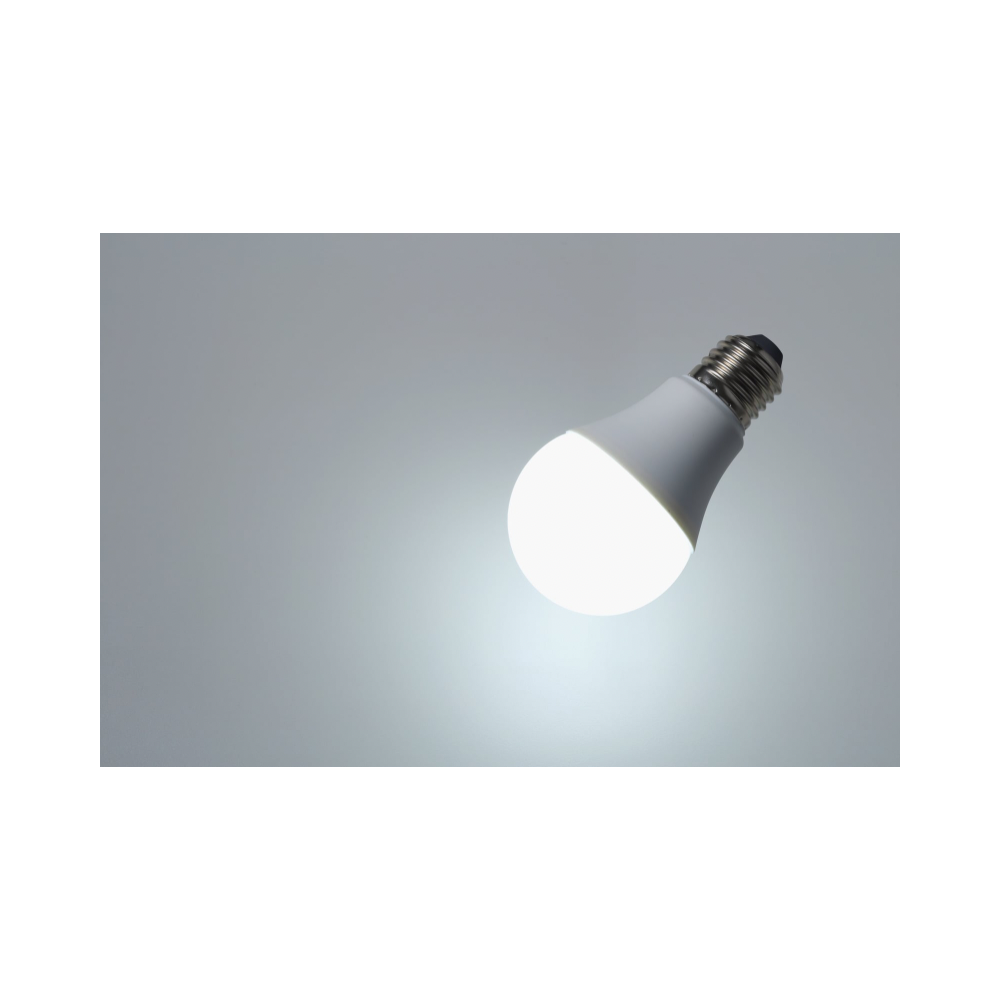
Modern environments flip this: blue-heavy LEDs and screens at night keep the SCN in “daytime” mode, suppressing melatonin, disrupting dopamine balance, and throwing metabolism off. This is compounded by constant nnEMF, which can interfere with the delicate electrical and electrochemical signaling the brain relies on.
Blood-Brain Barrier, Mitochondria, and Neurological Mechanisms
The blood-brain barrier is meant to protect the brain from toxins and inflammatory signals. Research on the Frey effect and follow-up studies shows that pulsed microwaves can increase its permeability, allowing easier passage of substances that trigger inflammation and oxidative stress.
Mitochondrial dysfunction in brain cells adds to this. When energy production drops and ROS rise, neurons become more vulnerable. This shows up as:
• Headaches and head pressure (one of the most common self-reported symptoms).
• Brain fog and cognitive difficulties.
• Sleep disruption and fatigue.
• Mood changes and heightened stress responses.
Converging researchers, including Kruse and others in bioelectromagnetics, link these to the combined assault of artificial light timing and nnEMF. The frequency disruption — pulsed signals interfering with natural Schumann resonance and brainwave patterns — keeps the system in a low-level stress state. This is especially concerning for developing brains in children, where the barrier and regulatory systems are still maturing.
Cross-Species and Food Chain Links
The same mitochondrial and frequency-sensitive biology appears across species. Stressed plants produce lower-nutrient forage. Pollinators struggle with energy and navigation. Livestock face plausible cascading effects. Wildlife shows navigation and reproductive impacts. In humans, the brain feels the cumulative load through the food we eat and the environment we share. This big-picture connection is what makes the grid centralization push so concerning for regenerative homesteaders.
Homestead Relevance
On our place, the difference is tangible when we prioritize morning sunlight for the whole family and animals, maintain tree buffers that shield from nearby sources, and reduce unnecessary wireless devices in living and working areas. These choices support clearer thinking, better sleep, and steadier energy. They also preserve independence by limiting constant data collection and grid dependence.
We don’t need perfect large-scale studies to notice patterns on our own land. Observing mood, focus, sleep, and animal behavior gives real feedback. Small, consistent adjustments compound over time.
I’d love to hear from all of you. Have you noticed changes in focus, mood, sleep, or brain fog that seem linked to light or wireless exposure? What steps with natural sunlight, buffering, or reducing smart tech have made a difference for you or your animals? Drop your thoughts and experiences below — I really do read every single comment. Let’s keep learning together and protecting the brain health that guides our regenerative homesteads.
With love and dirt under my nails,
Kara
Lange Girl Farms