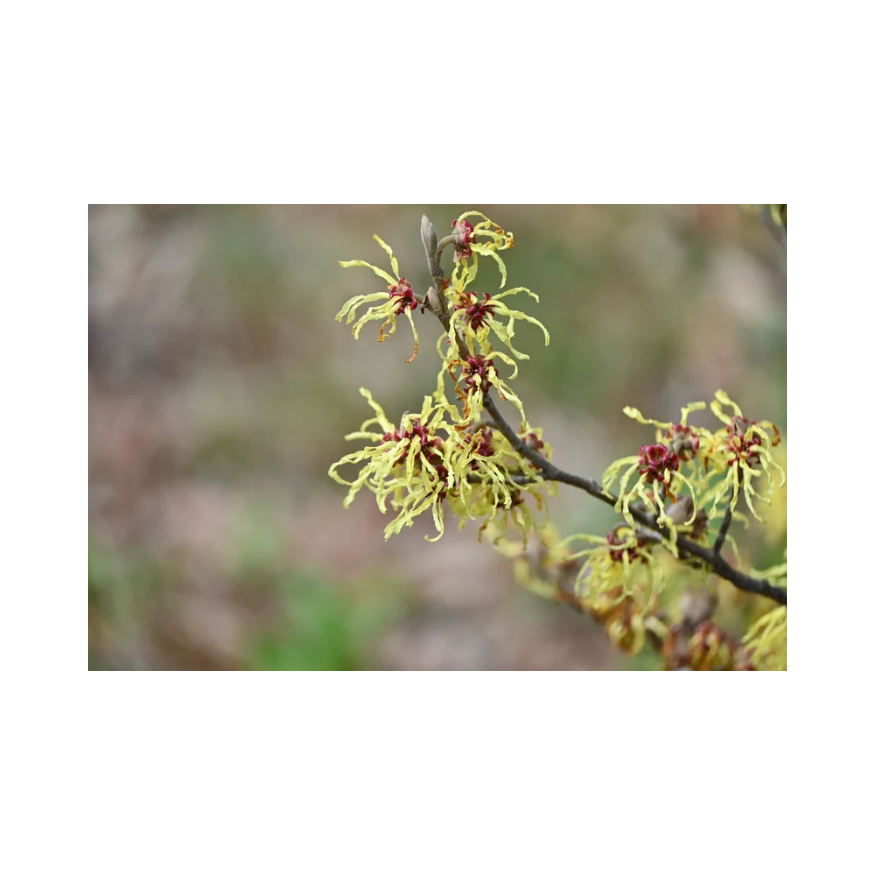
Happy February from Lange Girl Farms! As the winter landscape in Southeast Michigan stays quiet, one native shrub is stealing the show with its unexpected blooms: Hamamelis virginiana, commonly known as American witch hazel. This hardy plant flowers in late fall to early winter, bringing fragrant yellow ribbons when most everything else is dormant. We have several witch hazel shrubs along our woodland edges, and they’re a favorite for both beauty and homestead utility. Today’s Plant of the Week is a full guide to Hamamelis virginiana—identification, care, winter bloom tips, and farm uses. For any hand care from gathering twigs or pruning, our Headache Salve is a soothing natural companion!
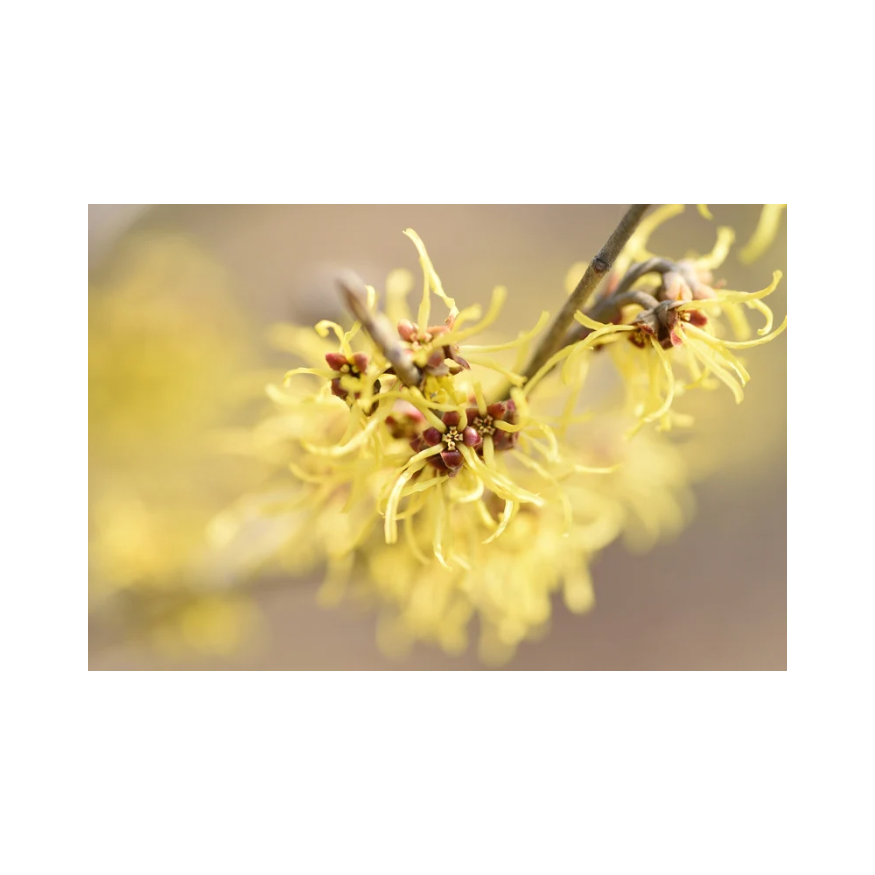
Identification & Characteristics
Hamamelis virginiana is a large native shrub or small tree with unique winter appeal.
- Size: 15-20 feet tall and wide, multi-stemmed form.
- Flowers: Fragrant, spidery yellow ribbons in late fall/early winter (October-January here).
- Leaves: Broad, oval, with wavy edges; golden fall color.
- Bark: Smooth gray, attractive in winter.
- Fruit: Small capsules that “pop” seeds in fall.
- Native Range: Eastern North America—perfect for our Michigan climate.
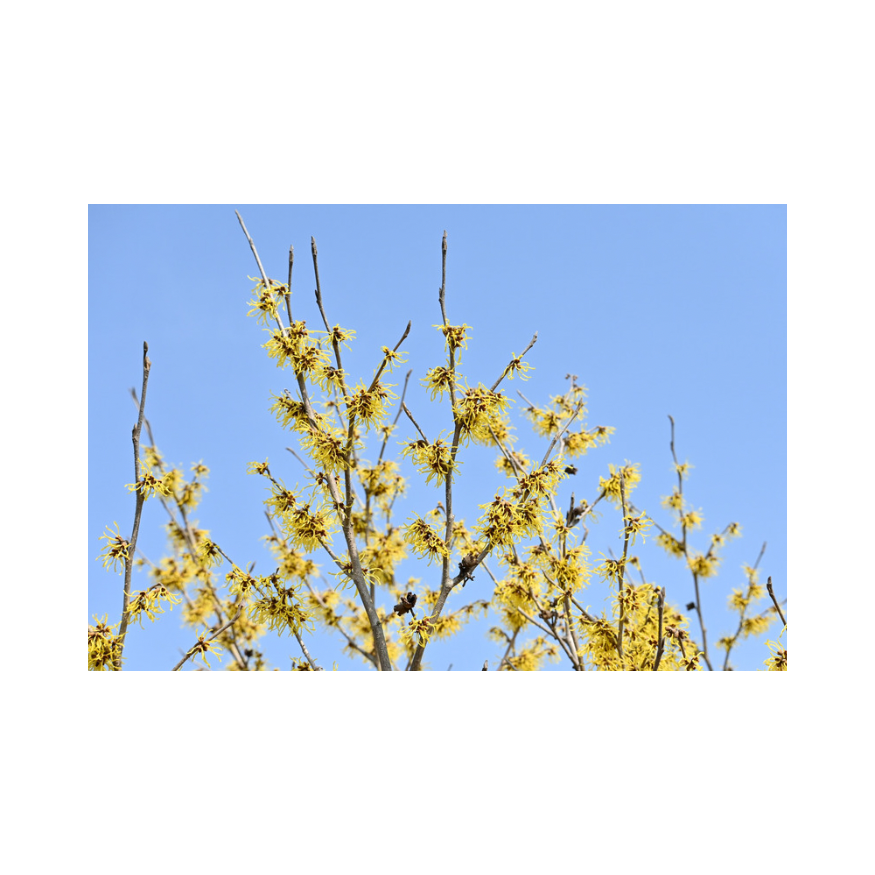
Why We Love It on the Homestead
Witch hazel brings winter magic and practical benefits:
- Winter Bloom: Fragrant flowers on bare branches—scent carries on mild days.
- Wildlife Support: Seeds for birds, cover for deer (we see tracks often!).
- Medicinal History: Native Americans used bark/leaves for astringent extracts (inspiration for commercial witch hazel).
- Low Maintenance: Native and adaptable.
Growing & Care Guide
- Site: Part shade to full sun; prefers moist, well-drained acidic soil.
- Planting: Fall or spring; space 10-15 feet for natural form.
- Water: Regular first year; drought-tolerant once established.
- Fertilizer: Light compost in spring—no heavy feeding needed.
- Pruning: After flowering (late winter) if shaping required.
- Pests/Diseases: Very resistant—rare issues.
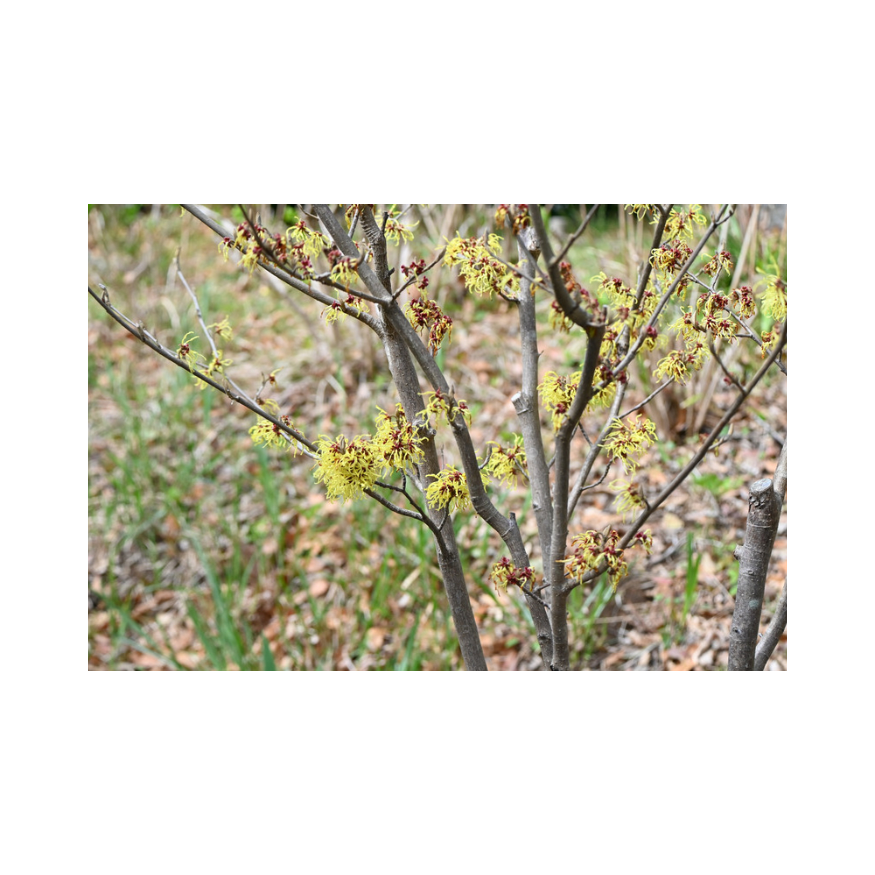
Table: Witch Hazel Varieties & Companions
| Plant | Bloom Time | Notes |
| H. virginiana (native) | Late fall/winter | Fragrant, yellow ribbons |
| H. vernalis | January-February | Ozark native, orange tones |
| H. x intermedia hybrids | January-March | Larger flowers, cultivated |
| Companions | Astilbe, ferns, hostas | Shade-tolerant understory |
Homestead & Farm Uses
- Winter Interest: Brightens woodland edges or near barns.
- Natural Astringent: Brew bark/twigs for soothing skin wash (tie-in to our salves).
- Crafting: Flexible twigs for wreaths or natural dye.
- Wildlife Observation: Attracts early pollinators and birds.
Winter Bloom Tips
- Plant in view of windows for indoor enjoyment.
- Fragrance strongest on warm days—step outside to smell!
- Protect from harsh winds for better flowering.
Wrapping Up
Hamamelis virginiana – witch hazel is a winter homestead treasure—fragrant blooms, low care, and native charm. It’s a reminder of YAH’s timing in creation.
Stay inspired,
Kara
Lange Girl Farms
A few of the items we mention link to things we actually use around the farm. Buying through those links sends a little support our way at no extra cost to you — thank you for helping keep Lange Girl Farms going!
Shop our farm-made goods → https://langegirlfarms.com/shop
Let’s stay connected!
Instagram • Pinterest • Facebook • X (Twitter)
© Lange Girl Farms – All Rights Reserved