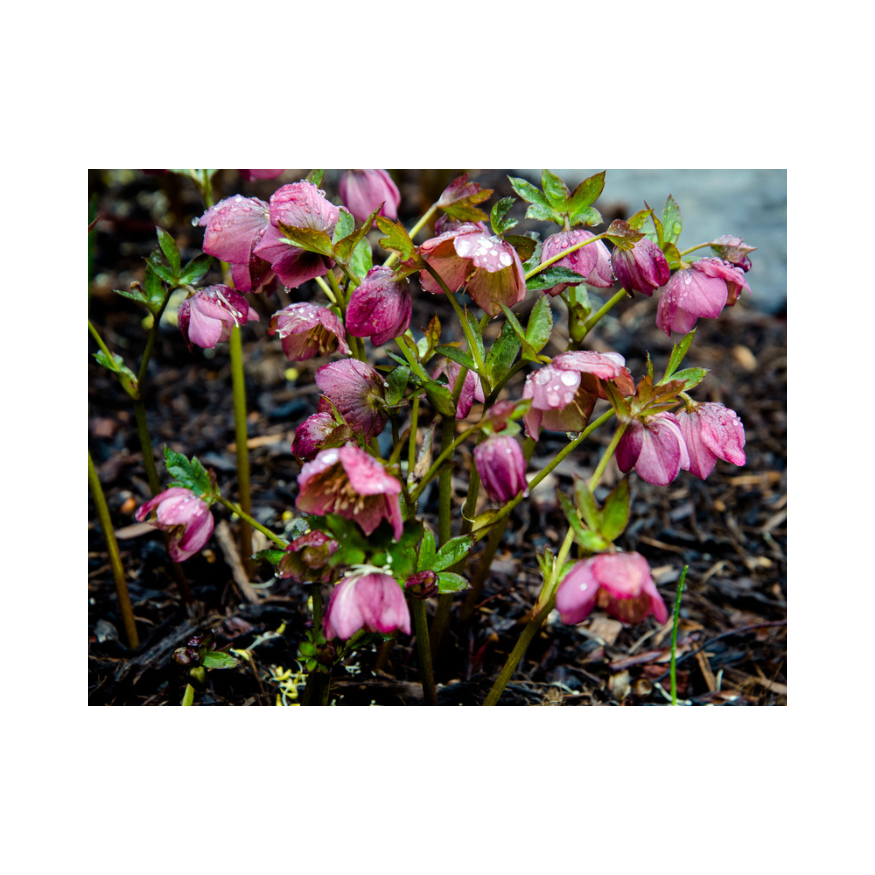
Happy February from Lange Girl Farms! As we await spring’s arrival in Southeast Michigan, one perennial that’s already showing promise is Helleborus orientalis, commonly known as Lenten rose. This tough evergreen hellebore brings early blooms (often by late winter) in shades of pink, purple, white, and green—perfect for lifting spirits when the landscape is still bare. We have several clumps near the barn and woodland edges, and they’re a homestead favorite for low-care winter color. Today’s Plant of the Week is a full guide to Lenten rose care, winter blooming tips, homestead uses, and pruning for hands (our Muscle & Joint Salve is perfect for that!). Let’s celebrate this early herald of spring!
Identification & Characteristics
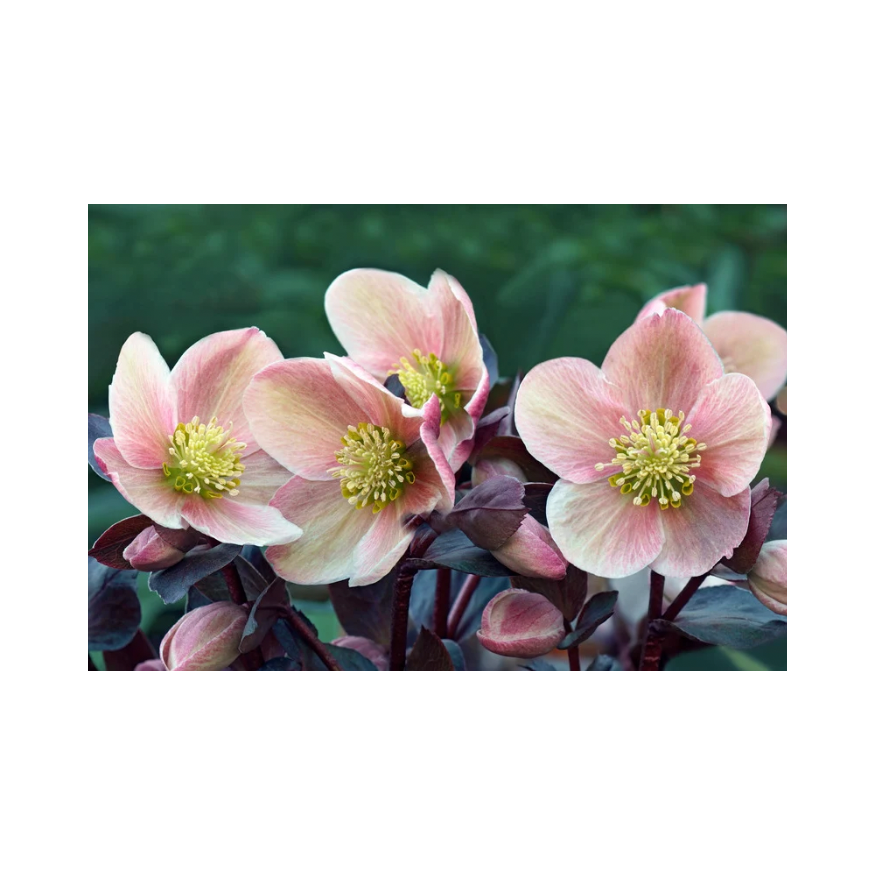
Helleborus orientalis is a clumping perennial with leathery leaves and nodding flowers.
- Size: 12-18 inches tall and wide.
- Flowers: Cup-shaped, 2-3 inches wide, blooming February-April (sometimes earlier in mild winters).
- Leaves: Dark green, palmate, evergreen—provides year-round interest.
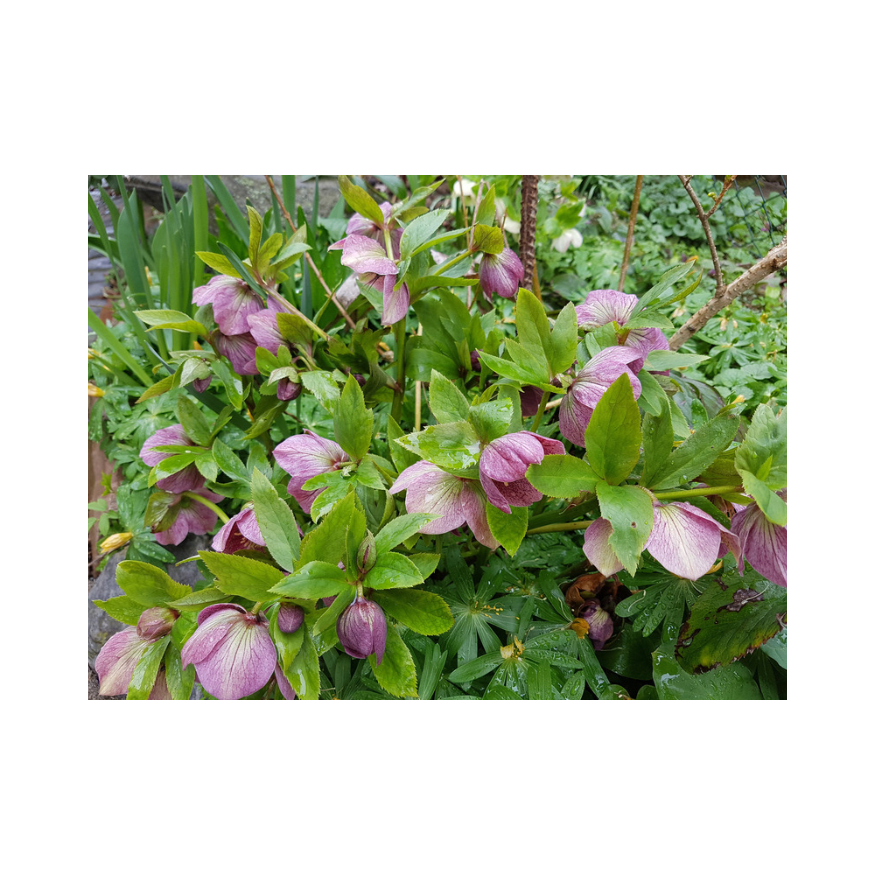
- Colors: Pink, purple, white, green, or spotted—hybrids offer variety.
- Toxicity: All parts toxic if ingested—keep away from animals and children.
Why We Love It on the Homestead
Lenten rose fits our farm life beautifully:
- Early Bloom: Flowers when little else is—welcomes spring.
- Deer Resistant: Rarely browsed (great with our deer visitors!).
- Low Maintenance: Shade-tolerant and drought-resistant once established.
- Pollinator Friendly: Early nectar for emerging bees.
Growing & Care Guide
- Site: Part to full shade; moist, well-drained soil rich in organic matter.
- Planting: Fall or early spring; space 18 inches apart.
- Water: Regular first year; tolerates dry shade later.
- Fertilizer: Compost mulch in spring—no heavy feeding.
- Pruning: Cut old leaves in late winter before blooms (use Muscle & Joint Salve for hands).
- Division: Every 5-7 years in fall.
Table: Popular Helleborus orientalis Varieties
| Variety | Flower Color | Notes |
| ‘Royal Heritage’ | Mixed (pink, purple, white) | Reliable bloomer |
| ‘Winter Jewels’ series | Various shades | Double flowers available |
| ‘Ice ‘n’ Roses’ | Pink/white | Early and vigorous |
| Classic orientalis | Green to purple | Heirloom charm |
Homestead & Farm Uses
- Winter Color: Plant near paths or barn entrances for early cheer.
- Shade Gardens: Under trees or north sides.
- Cut Flowers: Long-lasting in vases (sear stems).
- Pruning Note: Late winter leaf removal encourages blooms—Muscle & Joint Salve for sore hands/knees.
Winter Bloom Tips
- Mulch with leaves for protection.
- Remove old foliage carefully in February.
- Enjoy flowers nodding down—perfect for “looking up” admiration.
Wrapping Up
Helleborus orientalis – Lenten rose is a homestead gem for winter-into-spring color and toughness. Plant some this year for YAH’s early gifts!
Stay inspired,
Kara
Lange Girl Farms
A few of the items we mention link to things we actually use around the farm. Buying through those links sends a little support our way at no extra cost to you — thank you for helping keep Lange Girl Farms going!
Shop our farm-made goods → https://langegirlfarms.com/shop
Let’s stay connected!
Instagram • Pinterest • Facebook • X (Twitter)
© Lange Girl Farms – All Rights Reserved