
May 24, 2025|Homesteading, Livestock, Llamas, Tips
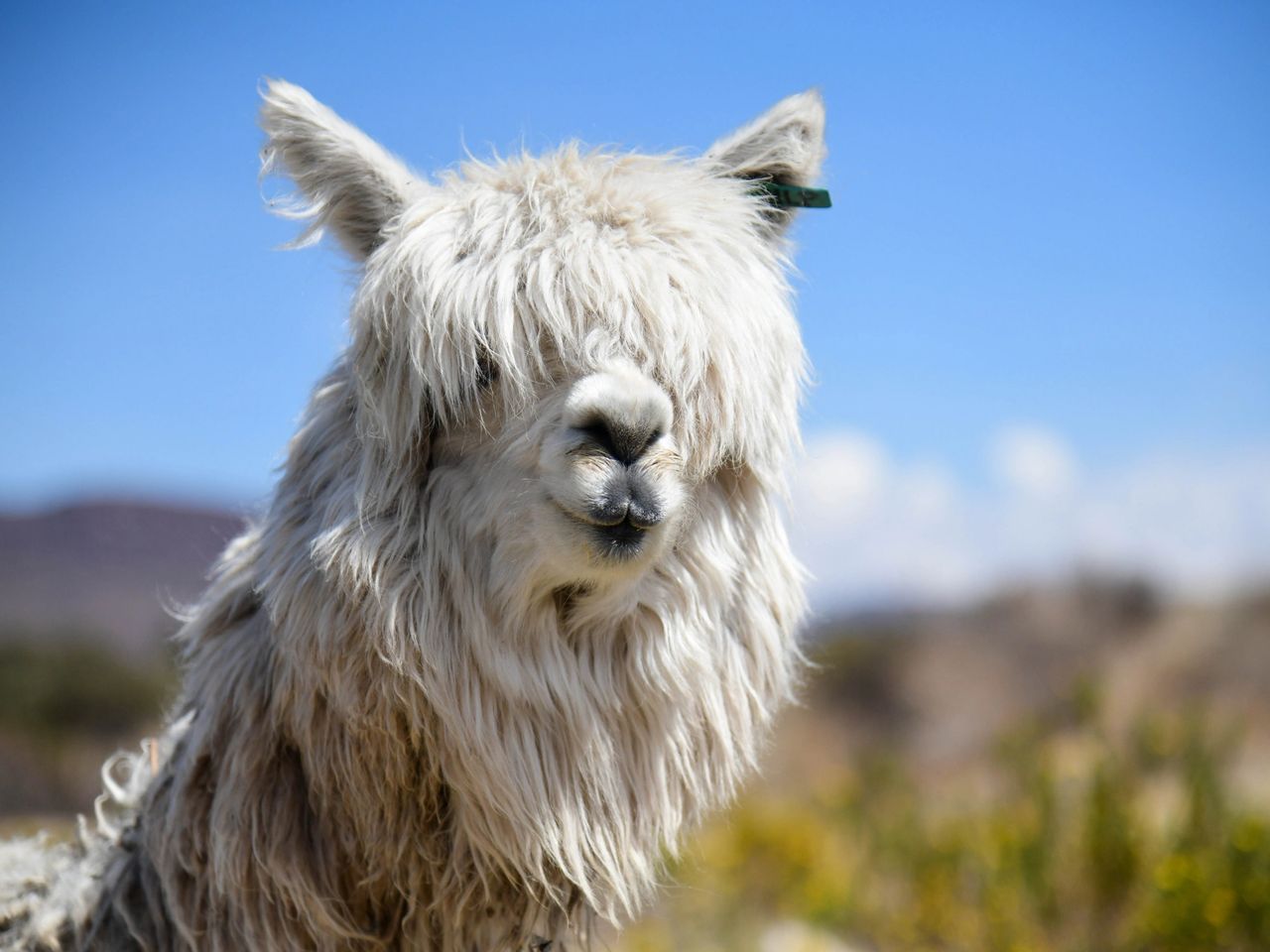
Llamas and alpacas, the gentle camelids of the Andes, rely on healthy feet to roam, graze, and thrive. Proper foot care is a cornerstone of their overall health, preventing discomfort, lameness, and costly veterinary issues. Whether you’re a new alpaca or llama owner, a farmer, or a camelid enthusiast, understanding how to manage their feet and toes is essential. In this blog, we’ll explore the anatomy of llama and alpaca feet, routine foot care practices, trimming techniques, and how to address common foot problems, ensuring your animals stay happy and mobile.
Why Foot Care Matters for Llamas and Alpacas
Llamas and alpacas depend on their feet for mobility, balance, and performing tasks like foraging or, in the case of llamas, carrying packs. Neglected feet can lead to:
• Lameness: Overgrown or infected toes cause pain and difficulty walking.
• Infections: Wet or muddy conditions can lead to foot rot or abscesses.
• Joint Issues: Poor foot alignment strains joints, leading to long-term mobility problems.
• Reduced Productivity: Unhealthy feet limit an animal’s ability to graze, work, or compete in shows.
Both alpacas and llamas have similar foot structures, but their care needs vary slightly due to differences in size, weight, and environment. Regular foot care keeps them comfortable and supports their active lifestyles.
Understanding Llama and Alpaca Foot Anatomy
Llamas and alpacas have unique feet adapted to their Andean origins, differing from hooves found in cattle or horses. Key features include:
• Soft Pads: Their feet have soft, leathery pads (like a dog’s paw) that provide cushioning and grip on rocky terrain. These pads are durable but can wear or crack if not maintained.
• Two Toes: Each foot has two toes, each with a curved, hard toenail that grows continuously, similar to human fingernails. The toes spread slightly to distribute weight.
• No Hooves: Unlike true hooves, their toenails and pads are flexible, reducing impact but requiring regular trimming to prevent overgrowth.
• Dewclaws: Small, vestigial dewclaws sit above the toes on the back of each leg, rarely needing attention unless overgrown.
Alpaca Feet: Smaller and lighter (alpacas weigh 100–200 lbs), alpaca feet experience less wear, so toenails may grow faster. Their pads are softer, making them prone to cracking in dry conditions. Llama Feet: Larger and sturdier (llamas weigh 250–450 lbs), llama feet bear more weight, especially in pack animals, leading to more pad wear. Their toenails may grow more slowly but can become thick and hard.
Understanding this anatomy helps you identify when trimming or intervention is needed and ensures you handle their feet safely.
Routine Foot Care for Llamas and Alpacas
Consistent foot care prevents problems and keeps your camelids comfortable. Here’s how to establish a routine:
1. Regular Inspections
• Frequency: Check feet every 4–6 weeks, or more often in wet or rocky environments. Inspect during other tasks like shearing or grooming.
• What to Look For:
• Overgrown toenails curling inward or upward.
• Cracks, cuts, or abrasions on foot pads.
• Swelling, heat, or foul odors indicating infection (e.g., foot rot).
• Foreign objects (e.g., stones, thorns) lodged in pads or between toes.
• Uneven wear causing limping or abnormal gait.
• Alpaca Tips: Alpacas’ smaller feet are more prone to overgrowth in soft pastures, so check frequently. Suri alpacas may have longer leg fleece, obscuring feet, so part the fleece during inspections.
• Llama Tips: Llamas’ larger feet handle rough terrain better, but pack llamas may develop calluses or pad wear. Check for embedded debris after treks.
2. Maintain a Clean Environment
• Pasture Management: Keep pastures free of sharp rocks, thorns, or excessive mud, which can damage pads or cause infections. Provide dry, well-drained areas for resting.
• Shelter: Offer a clean, dry barn or shelter, especially in wet climates, to prevent foot rot from prolonged moisture.
• Manure Removal: Clean pens regularly to reduce bacteria that contribute to infections like foot rot.
• Alpaca Tips: Alpacas are more sensitive to wet conditions, so ensure good drainage in their pastures.
• Llama Tips: Llamas are hardier but still benefit from dry footing, especially if carrying packs.
3. Monitor Diet and Weight
• Nutrition: A balanced diet with adequate minerals (e.g., zinc, biotin) supports healthy toenail and pad growth. Overfeeding can lead to obesity, stressing feet.
• Weight Management: Overweight animals put extra pressure on their feet, causing pad wear or joint strain. Maintain a healthy weight (consult a vet for ideal body condition scores).
• Alpaca Tips: Alpacas are smaller, so even slight weight gain can affect their delicate feet.
• Llama Tips: Llamas, especially pack animals, need strong feet to support heavier loads, so monitor weight and workload.
How to Trim Llama and Alpaca Toenails
Trimming overgrown toenails is the primary foot care task for llamas and alpacas. It’s similar to clipping a dog’s nails but requires specific tools and techniques to avoid injury. Trim every 2–6 months, depending on growth rate and terrain (hard surfaces wear nails naturally, soft pastures don’t).
Step 1: Gather Tools
• Toenail Trimmers: Use sharp, heavy-duty trimmers designed for camelids (e.g., Zenport Q140DX or hoof trimmers). Avoid small pet nail clippers, which are too weak.
• Rasp or File: Smooth rough edges after trimming.
• Antiseptic Spray: For accidental cuts (e.g., Blu-Kote or Betadine).
• Gloves: Protect your hands from sharp nails or animal movement.
• Halter and Lead: To secure the animal.
• Optional: A tilting table or chute for restraint, especially for llamas or uncooperative animals.
Step 2: Prepare the Animal
• Restraint: Lead the animal to a clean, flat area. Use a halter and tie to a secure post, or have an assistant hold the lead. For larger llamas or nervous animals, use a chute or tilting table to lift and secure them.
• Calming: Speak softly and move slowly to keep the animal relaxed. Avoid sudden movements, as llamas and alpacas may kick or spit when startled.
• Positioning: Lift one foot at a time, bending the leg gently at the knee. For front feet, lift forward; for back feet, lift backward. If the animal resists, try trimming while it’s standing or kushed (sitting).
• Alpaca Tips: Alpacas are smaller and often easier to handle but may be more skittish. Work in a quiet environment.
• Llama Tips: Llamas are stronger and may resist more, so secure restraint is key. Pack llamas may have thicker nails, requiring extra effort.
Step 3: Trim the Toenails
• Inspect: Check each toe for overgrowth, cracks, or debris. Clean between toes with a soft brush if needed.
• Trimming Technique:
1. Identify the nail’s edge, where it curls or extends beyond the pad. Avoid the quick (pink, blood-filled area inside the nail), which causes bleeding if cut.
2. Use trimmers to clip small sections (1/8–1/4 inch) at a time, following the nail’s natural curve. Aim for a flat, even edge level with the pad.
3. Trim both toes on each foot, ensuring they’re symmetrical to maintain balance.
4. If nails are very long, trim gradually over multiple sessions (1–2 weeks apart) to avoid cutting the quick as it recedes.
• Smoothing: Use a rasp or file to smooth sharp edges, preventing cracks or snags.
• Alpaca Tips: Alpaca nails are softer and thinner, so trim carefully to avoid splitting. Check for pad cracks, which are more common in dry climates.
• Llama Tips: Llama nails are thicker and harder, especially in Ccara llamas, so use sturdy trimmers and apply firm pressure. Watch for embedded debris in pads from rough terrain.
• Safety: If you accidentally cut the quick, apply antiseptic spray and pressure to stop bleeding. Monitor for infection. If unsure, consult a vet or experienced trimmer.
Step 4: Post-Trimming Care
• Check Balance: Ensure all four feet are trimmed evenly to prevent limping or joint strain. Watch the animal walk to confirm a normal gait.
• Clean Feet: Wipe feet with a damp cloth to remove dirt or clippings. Apply a moisturizing hoof conditioner (e.g., Hooflex) to pads if they’re dry or cracked.
• Rest: Allow the animal to rest in a clean, dry area to avoid irritation from debris.
• Monitor: Check feet over the next few days for swelling, limping, or signs of infection, especially if you nicked the quick.
Addressing Common Foot Problems
Even with regular care, llamas and alpacas may develop foot issues. Here’s how to identify and manage common problems:
1. Overgrown Toenails
• Signs: Curling or upward-growing nails, limping, or reluctance to walk.
• Solution: Trim nails as described above. If severely overgrown, trim gradually over weeks to avoid quick exposure. Increase trimming frequency if the animal is on soft ground.
• Prevention: Check feet every 4–6 weeks and trim every 2–6 months.
2. Foot Rot
• Signs: Foul odor, swelling, pus, or lameness, often in wet conditions. Caused by bacteria (e.g., Fusobacterium necrophorum) entering through cuts or soft pads.
• Solution: Clean the foot thoroughly, trim away affected tissue, and apply antiseptic (e.g., copper sulfate or iodine). Keep the animal in a dry area and consult a vet for antibiotics if severe.
• Prevention: Maintain dry pastures, clean pens regularly, and inspect feet after rainy periods.
• Alpaca Tips: Alpacas are more susceptible due to softer pads, so prioritize dry footing.
• Llama Tips: Llamas are hardier but can still develop foot rot in muddy conditions.
3. Pad Cracks or Abrasions
• Signs: Dry, cracked pads or cuts, often in dry or rocky environments. May cause limping.
• Solution: Clean the pad, apply a healing ointment (e.g., Bag Balm or Corona), and keep the animal on soft ground until healed. Severe cases may need veterinary bandaging.
• Prevention: Use hoof conditioner in dry climates and avoid sharp terrain. Ensure proper nutrition for pad health.
• Alpaca Tips: Alpaca pads crack more easily, so moisturize regularly in arid regions.
• Llama Tips: Llama pads are tougher but may develop calluses from heavy pack work, so monitor wear.
4. Abscesses
• Signs: Swelling, heat, or lameness, often from puncture wounds or infections.
• Solution: Consult a vet to drain the abscess, clean the area, and administer antibiotics. Keep the foot clean and dry during recovery.
• Prevention: Remove sharp objects from pastures and inspect feet regularly.
5. Foreign Objects
• Signs: Limping or favoring a foot, often with a stone, thorn, or stick lodged in the pad or between toes.
• Solution: Gently remove the object with tweezers, clean the area, and apply antiseptic. Monitor for infection or abscesses.
• Prevention: Clear pastures of debris and check feet after grazing in rough areas.
Tips for Successful Foot Care
• Start Early: Train young crias to accept foot handling to make trimming easier as adults. Lift their feet gently during routine care.
• Work in Pairs: Have an assistant hold the animal or pass tools, especially for larger llamas or nervous alpacas.
• Use Sharp Tools: Dull trimmers crush nails, causing splits or discomfort. Sharpen or replace blades regularly.
• Learn from Experts: Attend a foot care workshop through a local alpaca/llama association or ask a vet for a demo. Watch online tutorials for visual guidance.
• Keep Records: Note trimming dates and foot conditions for each animal to track patterns (e.g., fast nail growth or recurring cracks).
• Consult a Vet: For severe issues (e.g., persistent lameness, deep infections), seek professional help to prevent complications.
Why Foot Care Matters
Healthy feet are the foundation of a happy, active llama or alpaca. Regular foot care ensures they can roam freely, graze comfortably, and, for llamas, carry packs with ease. It also supports their role in fiber production, as healthy animals produce better fleece. By mastering foot inspections, trimming, and problem prevention, you’re investing in your camelids’ long-term well-being and honoring their Andean heritage.
From trimming delicate alpaca toenails to managing sturdy llama pads, foot care is a rewarding part of camelid ownership. Have you tackled foot trimming for your llamas or alpacas, or do you have questions about getting started? Share your experiences or tips in the comments below, and let’s keep those toes in tip-top shape!