
January 3, 2026|Chickens, Farm Life, Gardening, Homesteading, Livestock, Sustainability, Tips
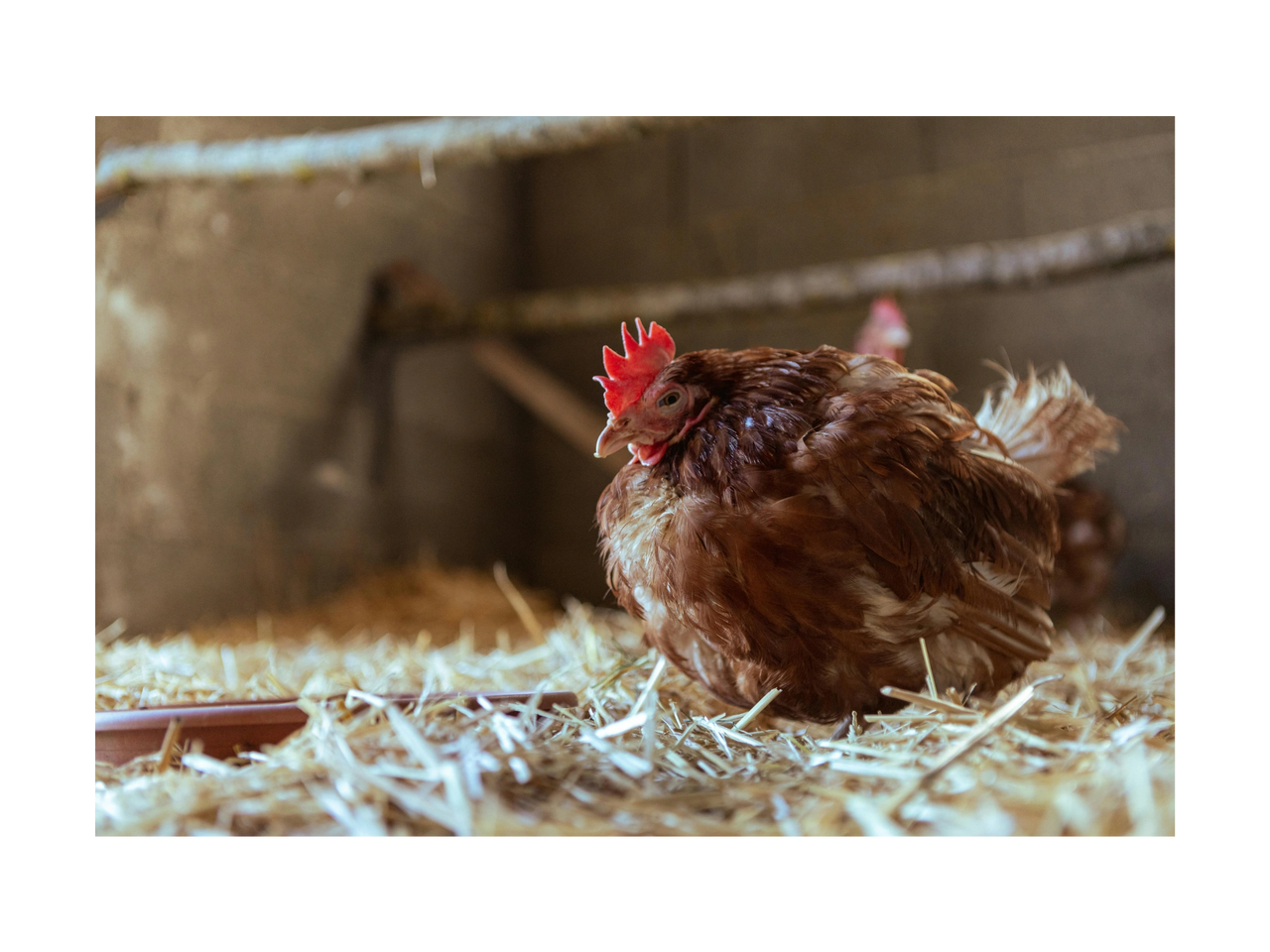
Happy New Year from Lange Girl Farms! As we settle into the heart of winter here in Southeast Michigan, our chicken and duck coops are staying cozy with one of our favorite low-maintenance methods—the deep litter system. No full deep clean in the dead of winter for us (it’s unnecessary and can disrupt the natural composting process!). Instead, we build layers of pine shavings and let nature do the work until spring. This approach keeps the birds warm, reduces odors, and creates rich compost by breakup. Today, I’ll share how we manage deep litter in winter, tips for success, and why it fits our homestead rhythm perfectly. Plus, our Bumps & Bruises Salve is a must for any dry hands from adding fresh shavings!
What Is the Deep Litter Method?
Deep litter is a natural composting system right in the coop. You start with a base of pine shavings (or straw), add layers as needed, and let the birds’ droppings, scratching, and microbes turn it into heat and compost over time.
- Winter Benefits:
- Natural heat from composting keeps the coop warmer.
- Reduces ammonia odors as microbes break down waste.
- Less work—no hauling out heavy, frozen bedding in cold weather.
- By spring, you have beautiful compost for gardens.
We’ve used this for years with our chickens and ducks—it’s simple and effective.
Our Winter Deep Litter Routine
Here’s how we keep it going through the colder months:
- Start with a Good Base (Done in fall)
- 6-8 inches of pine shavings on a clean coop floor.
- Add dried herbs like lavender or mint for scent and pest control.
- Weekly Maintenance
- Stir the top layer with a rake to mix droppings.
- Add 2-4 inches of fresh shavings when it looks compacted or smells (usually every 1-2 weeks in winter).
- Check for wet spots—add extra shavings there.
- Monitor Moisture and Ventilation
- Good ventilation prevents excess moisture (crack windows on milder days).
- No frozen water issues with our heated bases.
- Spring Turnover
- Full cleanout in early spring when weather warms.
- Compost the rich litter for garden beds.
Table: Deep Litter Troubleshooting
Issue
Cause
Fix
Strong Ammonia Smell
Too wet or not stirred
Stir top layer, add dry shavings
Cold Coop
Thin litter
Add more shavings for heat
Pests
Excess moisture
Improve ventilation, add herbs
Matted Bedding
Not enough turning
Rake weekly
Natural Add-Ins We Love
- Dried lavender or mint from summer harvest—freshens and repels.
- Diatomaceous earth (food-grade) dusted lightly for pest control.
- Tie-In Product: Bumps & Bruises Salve—perfect for dry, cracked hands from handling shavings or cold air.
Why We Skip Winter Deep Cleans
A full strip-out in freezing weather stresses the birds, loses the composting heat, and creates more work hauling frozen litter. Deep litter lets the system work naturally—warmth from below, less odor, and compost ready for spring gardens.
Wrapping Up
The deep litter method is our winter coop hero—low effort, high reward for healthy birds and rich compost. If you’re trying it this year, start small and see how it fits your flock!
Lange Girl Farms
A few of the items we mention link to things we actually use around the farm. Buying through those links sends a little support our way at no extra cost to you — thank you for helping keep Lange Girl Farms going!
Shop our farm-made goods → https://langegirlfarms.com/shop
Let’s stay connected!
Instagram • Pinterest • Facebook • X (Twitter)
© Lange Girl Farms – All Rights Reserved