
May 14, 2025|Homesteading, Livestock, Llamas, Tips
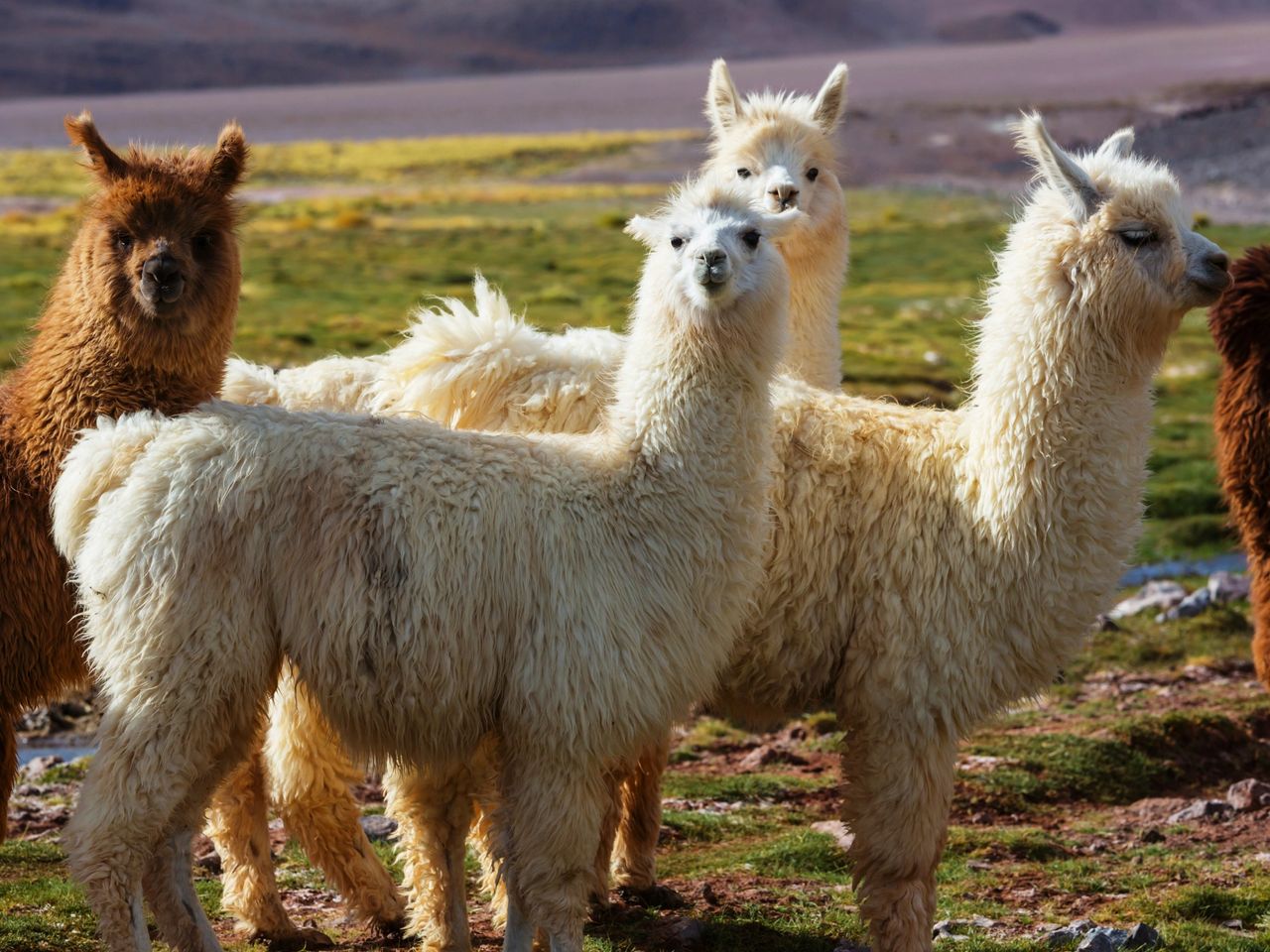
Llamas are fascinating creatures, known for their gentle temperament, versatility, and luxurious fleece. Native to the Andes Mountains in South America, these camelids have been domesticated for thousands of years, serving as pack animals, fiber producers, and even therapy animals. In this blog, we’ll dive into the different types of llamas, their stunning coat colors, and the unique types of fleece they produce.
Types of Llamas
Llamas are generally categorized based on their physical characteristics, particularly their fleece type and body structure. While all llamas belong to the species Lama glama, breeders and enthusiasts often distinguish between two main types: Ccara (or Classic) llamas and Tampuli (or Woolly) llamas. These types differ in their fleece, body build, and primary uses.
1. Ccara (Classic) Llamas
• Characteristics: Ccara llamas are the traditional pack animals of the Andes. They have a taller, leaner build with longer legs, making them ideal for carrying loads over rugged terrain. Their fleece is shorter and coarser, designed more for protection than for fiber production.
• Primary Use: Pack animals for transporting goods, such as crops or supplies, across mountainous regions.
• Fleece: Minimal, with a focus on durability rather than softness. Their coat is typically double-layered, with a coarse outer guard hair and a sparse undercoat.
2. Tampuli (Woolly) Llamas
• Characteristics: Tampuli llamas are stockier and have denser, longer fleece. They were bred specifically for their fiber, which is softer and more abundant than that of Ccara llamas.
• Primary Use: Fiber production for textiles, such as blankets, sweaters, and scarves. They are less commonly used as pack animals due to their shorter legs and heavier fleece.
• Fleece: Thick, soft, and luxurious, with a well-developed undercoat and finer guard hairs.
In addition to these two main types, some breeders recognize subtypes based on regional or breeding variations, such as Medium Wool llamas (a hybrid of Ccara and Tampuli traits) or Suri llamas (a rare type with long, silky, dreadlock-like fleece). However, Ccara and Tampuli remain the most widely accepted classifications.
Llama Coat Colors
Llamas boast an impressive array of coat colors, ranging from solid hues to intricate patterns. Their natural palette is one of the reasons they’re so beloved by fiber artists and breeders. Llama coat colors can be broadly grouped into solid colors, patterns, and combinations.
Solid Colors
Llamas come in a spectrum of solid colors, including:
• White: A classic and common color, often creamy or pure white.
• Black: Deep, solid black or slightly brownish-black.
• Brown: Shades ranging from light tan to rich chocolate.
• Red: A warm, reddish-brown hue, less common but striking.
• Gray: From silvery-gray to dark charcoal, often with a subtle sheen.
Patterns
Llamas also exhibit beautiful coat patterns, which add to their visual appeal:
• Appaloosa: A solid base color (often white or light) with dark spots on the hindquarters or across the body.
• Pinto: Large patches of white mixed with another color, such as black or brown.
• Roan: A mix of white and colored hairs, giving a speckled or frosted appearance.
• Tuxedo: A two-tone pattern with a darker upper body and lighter lower body, resembling a formal suit.
Combinations
Many llamas have a mix of colors and patterns, such as a black-and-white pinto with appaloosa spotting or a brown roan with gray undertones. This diversity makes every llama’s coat unique, much like a fingerprint.
Types of Llama Fleece
Llama fleece is prized for its versatility, warmth, and hypoallergenic properties (it lacks lanolin, unlike sheep’s wool). The type and quality of fleece depend on the llama’s genetics, diet, and environment. Llama fleece is generally classified into three main types based on its texture and structure: Double-Coated, Single-Coated, and Suri.
1. Double-Coated Fleece
• Description: The most common type, found in Ccara and many Tampuli llamas. Double-coated fleece consists of two layers: coarse guard hairs (the outer layer) and a softer, insulating undercoat.
• Uses: The undercoat is ideal for spinning into yarn for knitting or weaving, while guard hairs are often removed or used for rugged items like ropes or mats.
• Texture: The undercoat is soft and warm, while guard hairs are wiry and protective.
• Challenges: Processing double-coated fleece requires separating the coarse guard hairs from the finer undercoat, which can be labor-intensive.
2. Single-Coated Fleece
• Description: Found in some Tampuli llamas bred for premium fiber, single-coated fleece has minimal guard hairs and a uniform, fine texture. This type is softer and more consistent, resembling alpaca fleece.
• Uses: Highly sought after for high-end textiles, such as soft scarves, sweaters, and baby garments.
• Texture: Silky, lightweight, and luxurious, with excellent drape.
• Advantages: Easier to process due to the lack of coarse guard hairs.
3. Suri Fleece
• Description: A rare and distinctive type, Suri fleece is characterized by long, lustrous fibers that hang in pencil-like locks, similar to dreadlocks. Suri llamas are a small subset of the llama population.
• Uses: Prized for its sheen and strength, Suri fleece is used in specialty textiles, such as high-fashion garments or decorative weaves.
• Texture: Smooth, glossy, and strong, with a unique, flowing appearance.
• Rarity: Suri llamas are less common, making their fleece a premium product in the fiber market.
Caring for Llama Fleece
Regardless of the type, llama fleece requires proper care to maintain its quality. Llamas are typically sheared once a year in the spring, yielding 3–8 pounds of fleece per animal, depending on the type and fleece density. After shearing, the fleece is:
• Skirted: Removing dirt, debris, and coarse edges.
• Washed: Gently cleaned to preserve the fiber’s natural properties.
• Carded or Combed: Preparing the fleece for spinning by aligning the fibers.
• Spun: Turned into yarn for knitting, weaving, or felting.
Llama owners and fiber artists also ensure the animals are kept in clean environments to minimize contamination of the fleece with hay or dirt.
Why Llamas and Their Fleece Matter
Llamas are more than just adorable animals with expressive faces—they’re a vital part of agricultural and cultural traditions, particularly in South America. Their fleece supports sustainable textile production, offering an eco-friendly alternative to synthetic fibers. Whether you’re a farmer, a fiber artist, or simply a llama enthusiast, understanding the types of llamas, their coat colors, and their fleece opens up a world of appreciation for these remarkable creatures.
From the sturdy Ccara llamas trekking through the Andes to the woolly Tampuli llamas producing soft, luxurious fiber, and from solid black coats to intricate appaloosa patterns, llamas showcase nature’s diversity. Their fleece, whether double-coated, single-coated, or Suri, provides endless possibilities for creativity and craftsmanship.
So, the next time you see a llama, take a moment to admire its unique coat and imagine the stories its fleece could tell. Have you ever worked with llama fiber or met one of these charming animals? Share your experiences in the comments below!