
May 10, 2025|Cows, Homesteading, Livestock
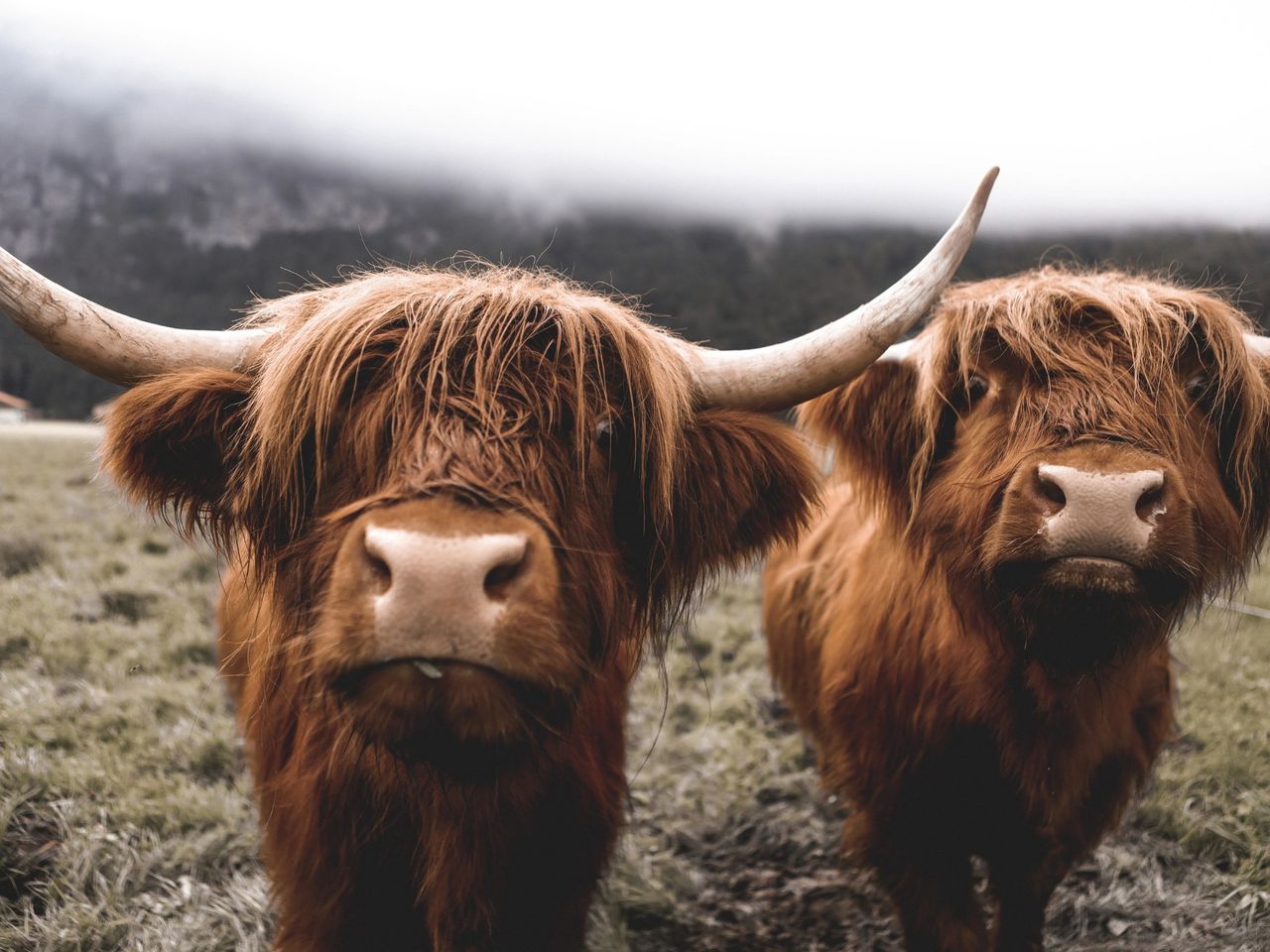
Highland cows, with their shaggy coats and striking horns, are a Scottish breed that’s capturing the hearts of farmers across the United States. Renowned for their flavorful beef and exceptional adaptability, these cattle are particularly well-suited to Michigan’s variable climate and thrive in many other states with similar conditions. In this blog post, we’ll dive into why Highland cows are an excellent choice for farmers in Michigan and other regions, focusing on their premium meat quality and ability to flourish in diverse environments.
Highland Cows: Built for Tough Conditions
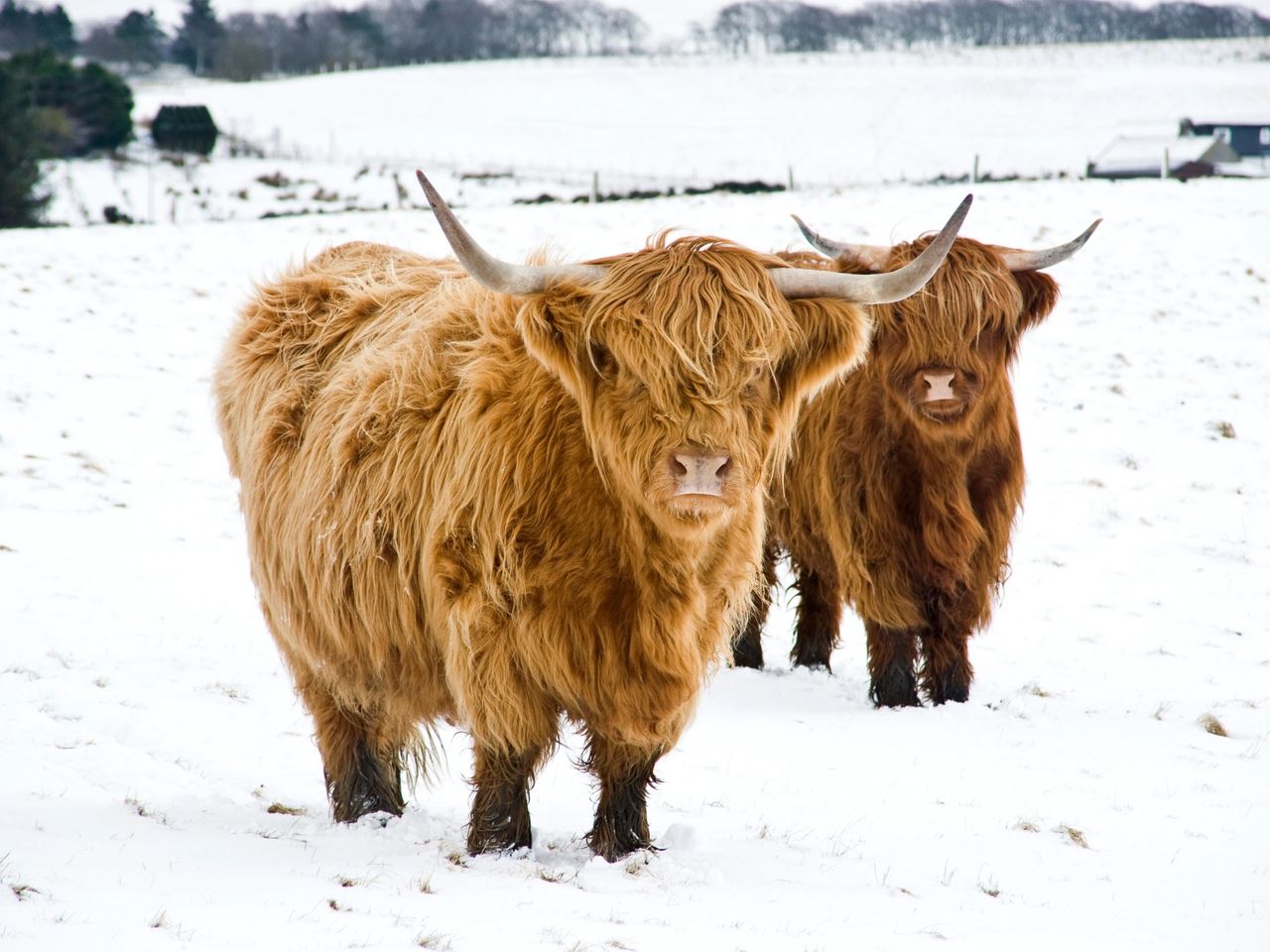
Originating from the rugged Scottish Highlands, Highland cows are bred for resilience. Their double-layered coat—a long, oily outer layer over a soft, insulating undercoat—equips them to handle extreme weather, from freezing winters to humid summers. This hardiness makes them a top pick for farmers in Michigan and states with comparable climates, such as Wisconsin, Minnesota, New York, Montana, and parts of the Pacific Northwest.
Why Highland Cows Thrive in Michigan and Similar Climates
Michigan’s climate, with its cold, snowy winters, wet springs, and warm, humid summers, is a perfect match for Highland cows. Their adaptability also extends to other northern and temperate U.S. states with challenging weather patterns. Here’s why they excel in these regions:
1. Winter Hardiness: Highlands’ thick coats provide natural insulation, allowing them to endure Michigan’s subzero temperatures and heavy snow, as well as the harsh winters of states like Minnesota, Wisconsin, and Montana. Unlike many breeds that need heated barns, Highlands can thrive outdoors year-round, lowering infrastructure costs.
2. Summer Tolerance: With access to shade and water, Highlands manage warm, humid summers in Michigan, upstate New York, or eastern Washington. Their coats naturally thin out in warmer months, helping them stay comfortable in temperatures typical of these regions.
3. Foraging Prowess: Highlands are exceptional grazers, thriving on marginal land and consuming coarse grasses, brush, and even weeds. This suits Michigan’s mix of lush pastures and rocky Upper Peninsula terrain, as well as the diverse landscapes of states like Vermont, Idaho, or Oregon, where forage quality varies. Their foraging efficiency reduces feed costs, especially in regions with long grazing seasons.
4. Health and Resilience: Highlands are naturally robust, with strong resistance to common bovine diseases. In Michigan’s wet springs or the damp climates of the Pacific Northwest, where hoof issues or respiratory problems can arise, Highlands’ sturdy build and low-maintenance nature keep them healthy with minimal veterinary care.
The Allure of Highland Beef
Highland cows aren’t just tough—they produce some of the finest beef available, making them a profitable choice for farmers in Michigan and beyond. Here’s what sets their meat apart:
1. Distinctive Flavor and Quality: Highland beef is lean, finely marbled, and richly flavored, with a slightly sweet, grassy taste from their slow growth and grass-based diet. This tenderness and unique flavor profile make it a favorite among consumers seeking high-quality, sustainable meat.
2. Niche Market Appeal: In Michigan, where farm-to-table dining and local food markets thrive in cities like Ann Arbor, Grand Rapids, and Detroit, Highland beef commands premium prices. The same holds true in states like New York, Wisconsin, and Oregon, where demand for grass-fed, heritage-breed meat is surging. Farmers can sell directly to restaurants, farmers’ markets, or meat CSAs, capitalizing on the breed’s gourmet reputation.
3. Cost-Effective Production: Highlands are smaller than conventional beef breeds (900-1,500 lbs), but their feed efficiency and ability to finish on grass alone make them economical. This is a boon in Michigan’s pasture-rich regions and other states with abundant grazing land, like Montana or Vermont, where feed costs can be kept low.

Why Highlands Are a Smart Choice for Farmers
Highland cows offer a blend of practicality, sustainability, and marketability for farmers in Michigan and other adaptable states:
• Low Maintenance: Their hardiness and foraging skills minimize the need for supplemental feed, costly housing, or frequent vet visits, making them ideal for small-scale or beginner farmers.
• Sustainable Farming: Highlands’ ability to graze on rough terrain supports regenerative agriculture, a growing trend in Michigan, Wisconsin, and the Pacific Northwest, where eco-conscious practices resonate with consumers.
• Versatility: Beyond beef, Highlands can produce small quantities of rich milk for household use and are a draw for agritourism. Their photogenic appearance attracts visitors to farms in Michigan’s rural communities or tourist-heavy areas like upstate New York and Oregon’s Willamette Valley.
• Market Edge: The rising demand for local, grass-fed beef in Michigan and states like Minnesota, Vermont, and Idaho gives Highland farmers a competitive advantage in specialty markets.
States Where Highlands Shine
In addition to Michigan, Highland cows are a great fit for:
• Upper Midwest (Wisconsin, Minnesota): Cold winters and ample pasture mirror Michigan’s conditions.
• Northeast (New York, Vermont, New Hampshire): Cool, wet climates and small farms suit Highlands’ foraging and hardiness.
• Mountain West (Montana, Idaho, Wyoming): Rugged terrain and extreme weather align with the breed’s Scottish roots.
• Pacific Northwest (Oregon, Washington): Mild, wet climates and diverse forage support grass-based systems.
Tips for Raising Highland Cows
1. Provide Shelter and Shade: While Highlands are resilient, windbreaks in winter and shade in summer ensure comfort, especially in Michigan’s variable weather or Montana’s windy plains.
2. Optimize Pasture: Rotate grazing to maintain healthy pastures, particularly in wet regions like Michigan or Washington. Highlands’ foraging can improve marginal land over time.
3. Market Smartly: Highlight the heritage and sustainability of Highland beef when selling at farmers’ markets or to restaurants in foodie hubs like Ann Arbor, Burlington, or Portland.
4. Tap Local Resources: In Michigan, connect with Michigan State University Extension for region-specific advice. In other states, reach out to local agricultural extensions or cattle associations for tailored guidance.
Final Thoughts
Highland cows are a stellar choice for farmers in Michigan and other states with cold winters, diverse forage, and a demand for premium, sustainable beef. Their adaptability to challenging climates, low-maintenance care, and exceptional meat quality make them a profitable and rewarding breed for small and large operations alike. Whether you’re in Michigan’s Upper Peninsula, the rolling hills of Vermont, or the open ranges of Montana, Highlands offer a unique opportunity to thrive in today’s local food movement.
Curious about raising Highland cows in your state or want tips for getting started? Drop a comment below or contact your local agricultural extension for personalized advice!