
May 11, 2025|Homesteading, Livestock, Llamas
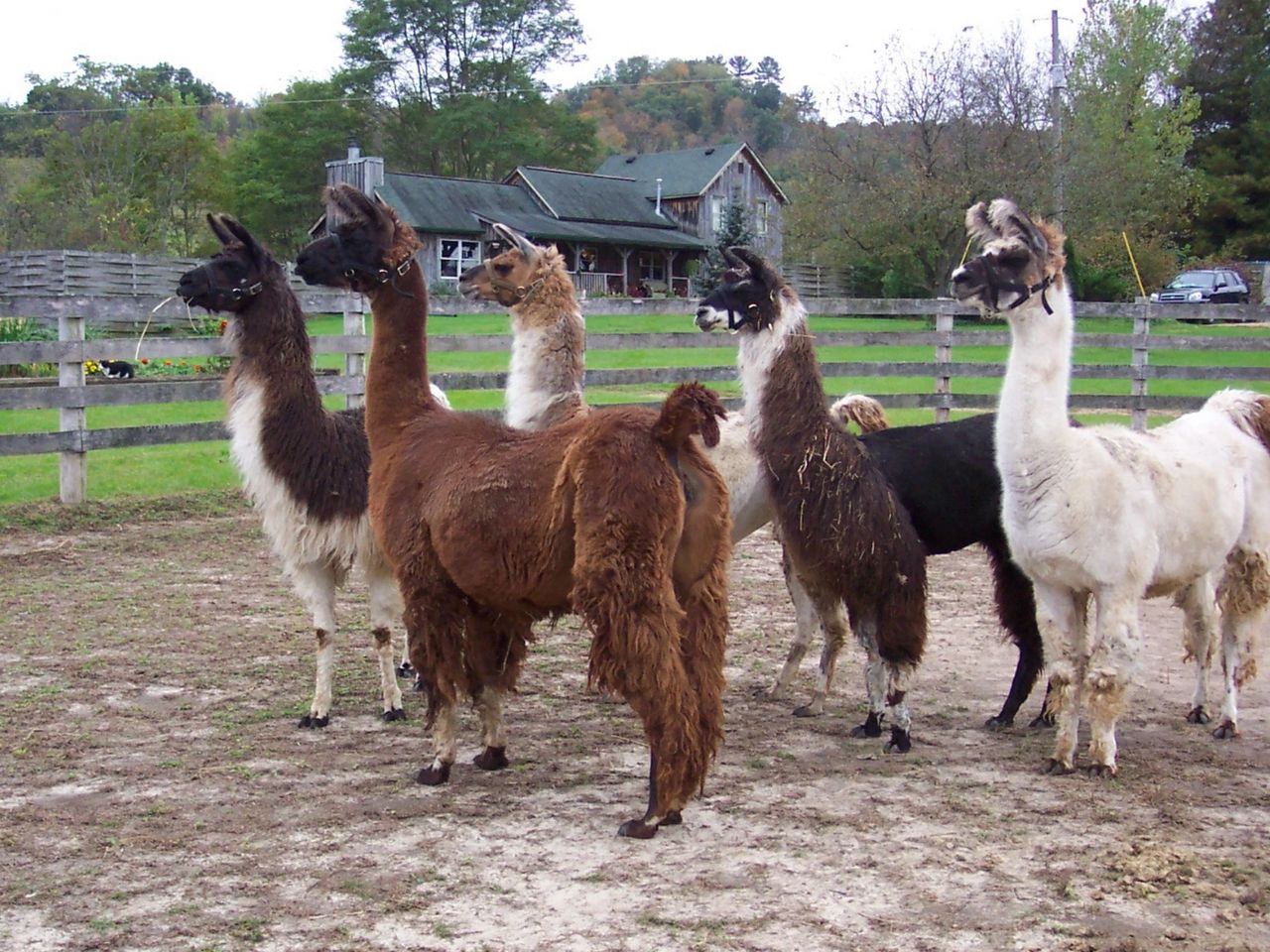
For farmers across the United States, diversifying livestock can boost income, protect other animals, and add charm to the farmstead. Llamas and alpacas, South American camelids with distinct strengths, are gaining popularity from the prairies of Kansas to the mountains of Colorado. But which is better for your farm—or could raising both together be the ultimate win? This guide compares llamas and alpacas, exploring their roles, care needs, and profitability to help you decide what fits your operation, whether you’re in sunny California or snowy Michigan.
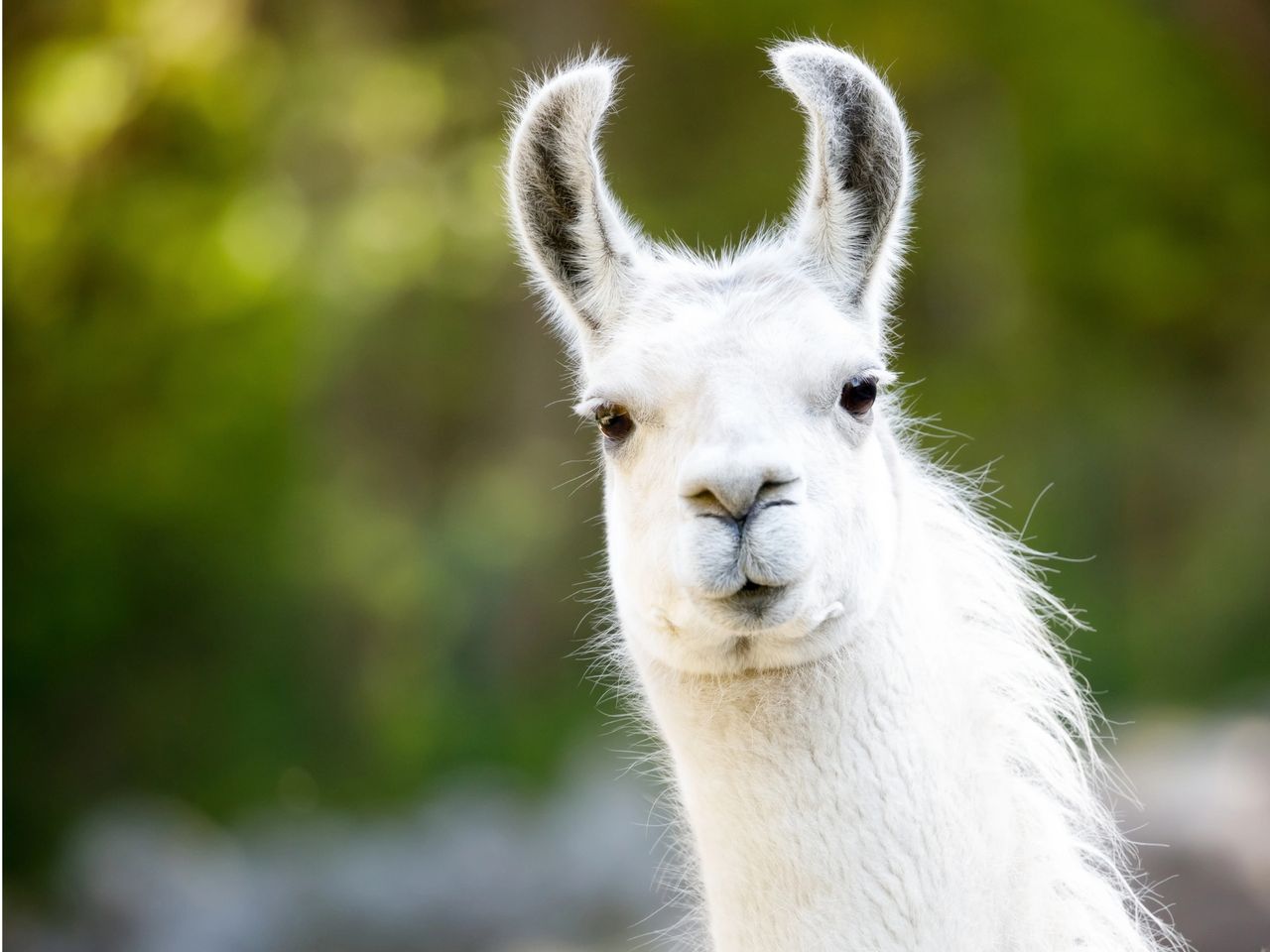
Llamas: The Guardians and Workhorses
Overview: Llamas are the larger of the two (250-400 lbs), known for their strength, protective instincts, and versatility. They’re the go-to choice for farmers needing a multi-purpose animal.
Key Benefits:
• Livestock Protection: Llamas are natural guardians, deterring predators like coyotes, foxes, or stray dogs—common across the U.S., from rural Texas to wooded New England. A single llama can protect a herd of sheep, goats, or poultry, reducing losses.
• Pack Animals: Capable of carrying 25-30% of their body weight (up to 75-100 lbs), llamas are ideal for farms with rugged terrain or for offering packing services in recreational areas like the Appalachian Trail or Rocky Mountain trails.
• Fiber Production: Llama wool, while coarser than alpaca fleece, is used for rugs, ropes, or crafts, fetching $1-3/oz raw.
Care Needs:
• Space: 1 acre supports 2-3 llamas with supplemental hay. They adapt to varied terrains, from wet Southeast Michigan pastures to arid Arizona fields.
• Diet: Consume 1-2% of body weight in hay daily (~$150-$200/animal/year, varying by region—$5-10/bale).
• Infrastructure: Need sturdy 4-5 ft fencing ($1.50-$3/ft) and basic shelter (e.g., three-sided barn, $500-$1,500).
• Health: Require annual shearing ($30-$50/animal), vaccinations (CD&T, ~$10/dose), and deworming ($5-$15/dose).
Climate Fit: Llamas are hardy, thriving in cold climates like the Upper Midwest (with shelter from wind/snow) and hot regions like the Southwest (with shade/water). Humidity in states like Louisiana may require ventilation to prevent stress.
Income Potential: Sell guard llamas ($500-$1,500), offer packing services ($50-$100/day), or market fiber at local farmers’ markets or online (e.g., Etsy). Startup costs are lower ($200-$1,000/animal).
Challenges:
• Larger size means higher feed costs.
• Coarser fiber has lower market value.
• May need training to integrate with smaller livestock or avoid assertive behavior (e.g., spitting).
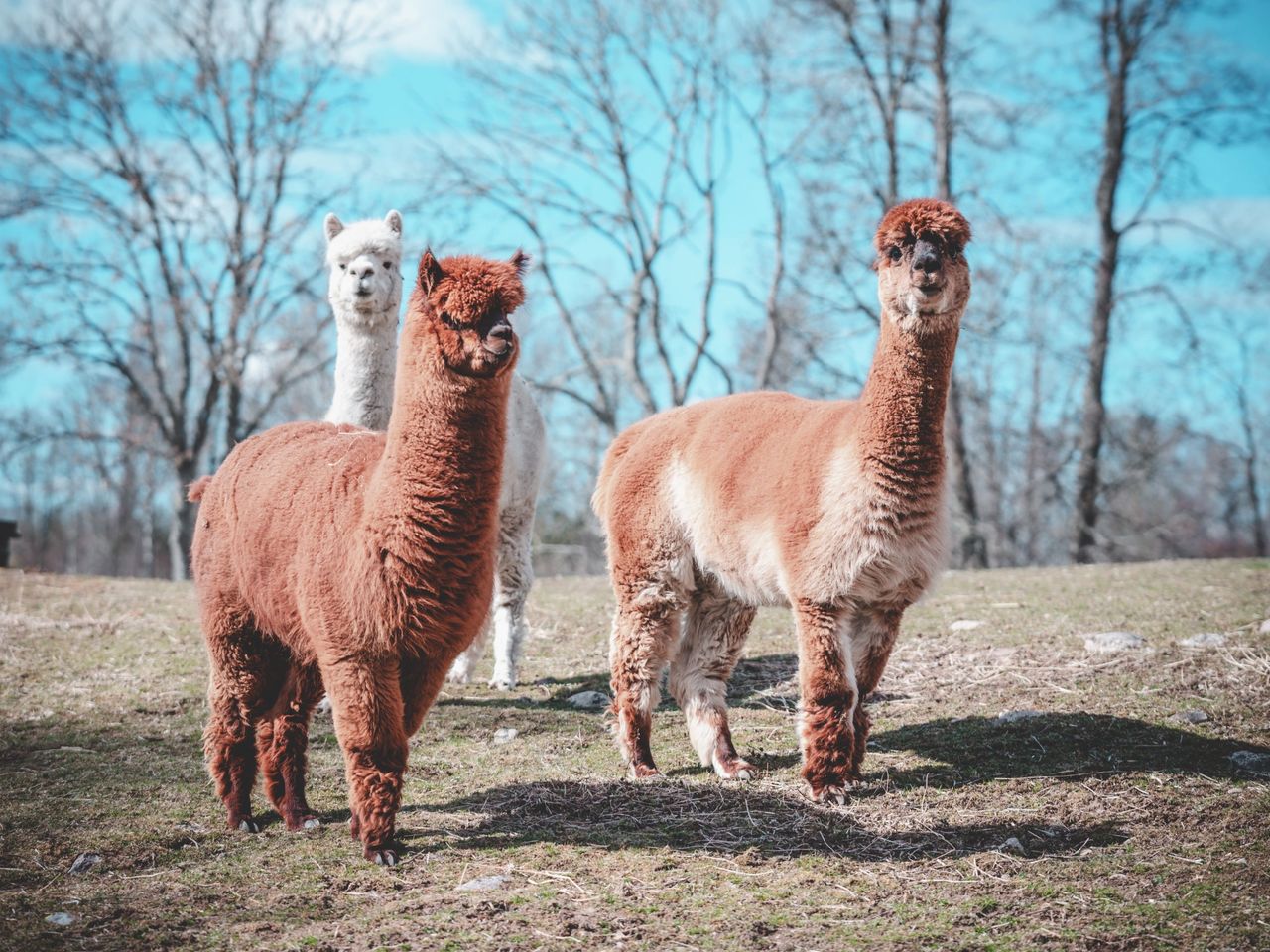
Alpacas: The Fiber Superstars
Overview: Alpacas are smaller (100-175 lbs), gentle, and prized for their luxurious fleece. They’re perfect for farmers focused on high-value products or with limited space.
Key Benefits:
• Premium Fiber: Alpaca fleece is soft, hypoallergenic, and in demand for textiles like scarves, sweaters, and blankets. It fetches $3-10/oz raw and $20-50/oz processed, ideal for markets from Seattle to Savannah.
• Gentle Nature: Docile and easy to handle, alpacas are great for beginners or farms with family involvement, like those in suburban Ohio or rural Virginia.
• Space Efficiency: 1 acre supports 5-6 alpacas, making them viable for smaller farms or homesteads.
Care Needs:
• Space: Less pasture needed than llamas, fitting compact farms in states like New Jersey or Vermont.
• Diet: Eat 1-1.5% of body weight in hay (~$100-$150/animal/year). Hay costs vary ($4-12/bale depending on region).
• Infrastructure: Need 4 ft fencing ($1-$2/ft) and sheltered barns to protect from wet or extreme weather.
• Health: Similar to llamas (shearing, vaccinations, deworming), but smaller size reduces costs slightly.
Climate Fit: Alpacas adapt to most U.S. climates but need extra care in wet conditions (e.g., Pacific Northwest or Southeast Michigan) to prevent fleece rot and insulated shelters in harsh winters (e.g., Montana). Hot, humid areas (e.g., Florida) require fans and shade.
Income Potential: Fiber sales are the primary draw, with raw fleece or processed yarn sold at farmers’ markets, craft fairs, or online platforms. Breeding alpacas can yield $1,000-$5,000/animal. Initial costs are higher ($500-$2,000/animal).
Challenges:
• Vulnerable to predators without guard animals or secure fencing.
• Fiber processing (carding, spinning) adds time and cost.
• Higher upfront investment.
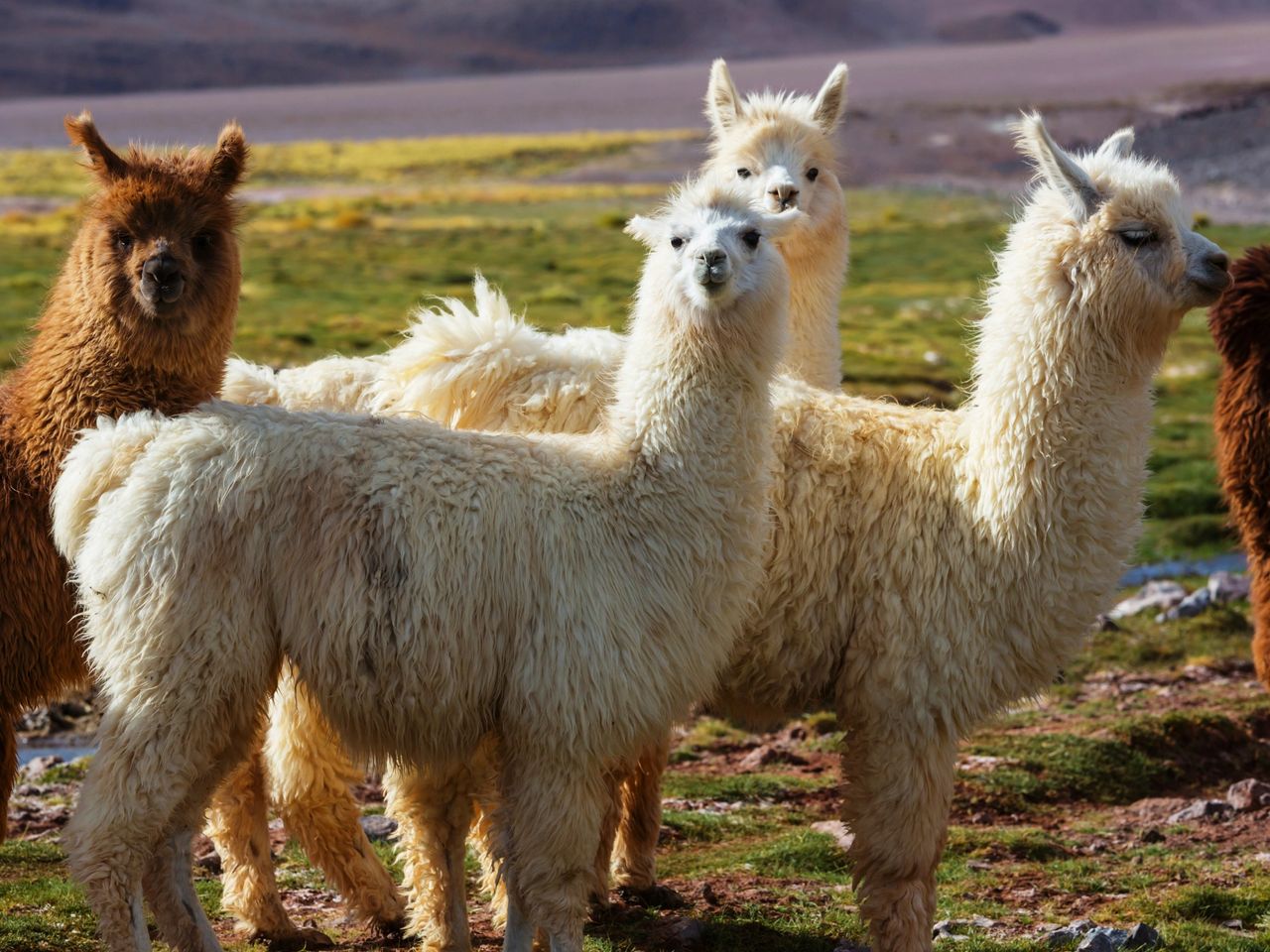
Raising Llamas and Alpacas Together: The Best of Both Worlds
Why choose one when you can raise both? Llamas and alpacas are compatible herd mates, sharing similar diets, shelters, and healthcare needs. Here’s why combining them works across the U.S.:
• Complementary Roles: Llamas protect alpacas and other livestock from predators, while alpacas produce high-value fiber for profit. For example, a Southeast Michigan farmer could use llamas to guard alpacas and goats, selling fleece at local markets like Tecumseh’s Family Farm & Home.
• Shared Resources: Both thrive on grass hay and need basic infrastructure, reducing costs. A 1-acre pasture can support 2 llamas and 3-4 alpacas, ideal for diverse terrains from California’s Central Valley to Pennsylvania’s rolling hills.
• Social Harmony: As herd animals, they bond well, though llamas’ dominance requires separate feeding stations to prevent competition. Gradual introductions ensure a smooth hierarchy.
Considerations:
• Fencing: Use sturdy 4-5 ft woven wire for llamas, sufficient for alpacas too ($1,500-$3,000/acre).
• Shelter: A shared barn protects against regional weather—snow in Minnesota, rain in Oregon, or heat in Texas ($500-$2,000).
• Predators: Llamas deter common U.S. predators, but secure fencing is crucial in high-risk areas (e.g., coyotes in the Midwest, mountain lions in the West).
• Health: Prevent crossbreeding by separating sexes or neutering males, as hybrids have lower value.
• Costs: A mixed herd (2 llamas, 3 alpacas) costs $2,000-$5,000 to start, plus $1,000-$2,000 for infrastructure.
Regional Considerations Across the U.S.
• Cold Climates (e.g., Midwest, Northeast): Both tolerate snow with insulated shelters. Llamas are sturdier in extreme cold (e.g., North Dakota winters), while alpacas need protection from wet snow to preserve fleece quality.
• Hot/Humid Regions (e.g., Southeast, Gulf Coast): Provide shade, water, and ventilation to combat heat stress. Alpacas are more sensitive to humidity, requiring fans in states like Georgia.
• Arid Areas (e.g., Southwest): Both are drought-tolerant but need consistent water. Llamas handle rugged desert terrain better, ideal for Arizona or Nevada farms.
• Wet Regions (e.g., Pacific Northwest): Ensure well-drained pastures and dry shelters, especially for alpacas, to prevent health issues in rainy Oregon or Washington.
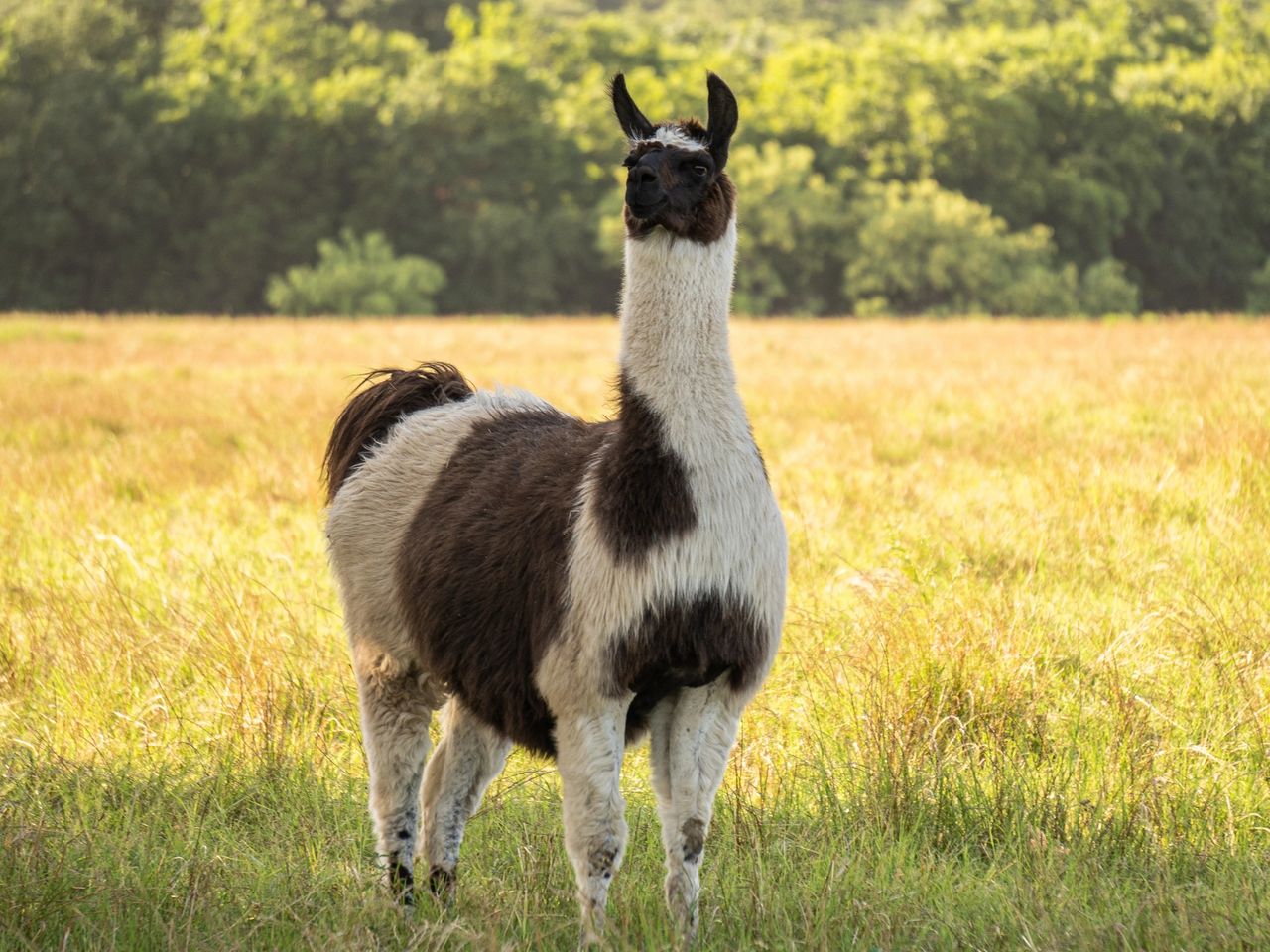
Practical Tips for American Farmers
1. Assess Your Goals:
• Choose llamas if you prioritize livestock protection (e.g., guarding sheep in Montana) or need pack animals for rugged farms (e.g., Colorado).
• Choose alpacas if you’re focused on fiber production for markets or online sales (e.g., Etsy in urban-adjacent North Carolina).
• Combine both for protection and profit, like a Michigan farmer guarding alpacas while selling fleece locally.
2. Budget Wisely:
• Llamas: $200-$1,000 each, higher feed costs.
• Alpacas: $500-$2,000 each, higher fiber revenue.
• Infrastructure: $2,000-$5,000 for fencing, shelter, and initial supplies.
• Annual costs: $100-$200/animal for feed, health, and shearing.
3. Leverage Local Resources:
• Connect with regional camelid associations (e.g., Alpaca Owners Association, Llama Association of North America) for breeders, training, and shearing services.
• Sell fiber or animals at farmers’ markets, craft fairs, or online platforms, tapping into the growing demand for sustainable textiles.
• Source hay locally ($4-12/bale, depending on state) and optimize pastures with rotational grazing.
4. Check Regulations:
• Most U.S. counties allow camelids as livestock (0.2-0.3 animal units each), but confirm zoning and herd size limits with your local township or county office.
Success Story: A Mixed Herd in Action
Take a Southeast Michigan farmer who raises llamas and alpacas together on a 2-acre plot. Two llamas guard a herd of four alpacas and a dozen goats, keeping coyotes at bay. The alpacas produce 20-30 lbs of fleece annually, sold as yarn at local markets for $500-$1,000 profit. The llamas, costing less upfront, save thousands by preventing livestock losses. This setup balances protection and income, adaptable to farms from Idaho to Indiana.
Which Should You Choose?
• Choose Llamas If: You have larger livestock (sheep, goats, poultry), rugged terrain, or want a low-maintenance guard animal. Best for farms in predator-heavy areas (e.g., Wyoming) or with packing potential.
• Choose Alpacas If: You’re focused on high-value fiber, have limited space, or prefer gentle animals for market-driven ventures. Ideal for homesteads in suburban areas (e.g., Maryland) or with craft market access.
• Raise Both If: You want a balanced operation with protection and profit. A mixed herd suits diverse farms across the U.S., from small Vermont plots to expansive Texas ranches.
Get Started Today
Ready to add llamas, alpacas, or both to your farm? Start by:
1. Visiting local camelid farms or contacting breeders through national associations.
2. Assessing your land for pasture, fencing, and shelter needs.
3. Planning your market strategy—fiber sales, guard animals, or packing services.
4. Budgeting for startup costs and ongoing care.
Whether you’re protecting livestock in the Midwest or selling fleece in the Northeast, llamas and alpacas offer endless possibilities. Share your camelid journey with us in the comments or connect with local farmers to learn more!