
May 20, 2025|Homesteading, Livestock, Llamas, Tips
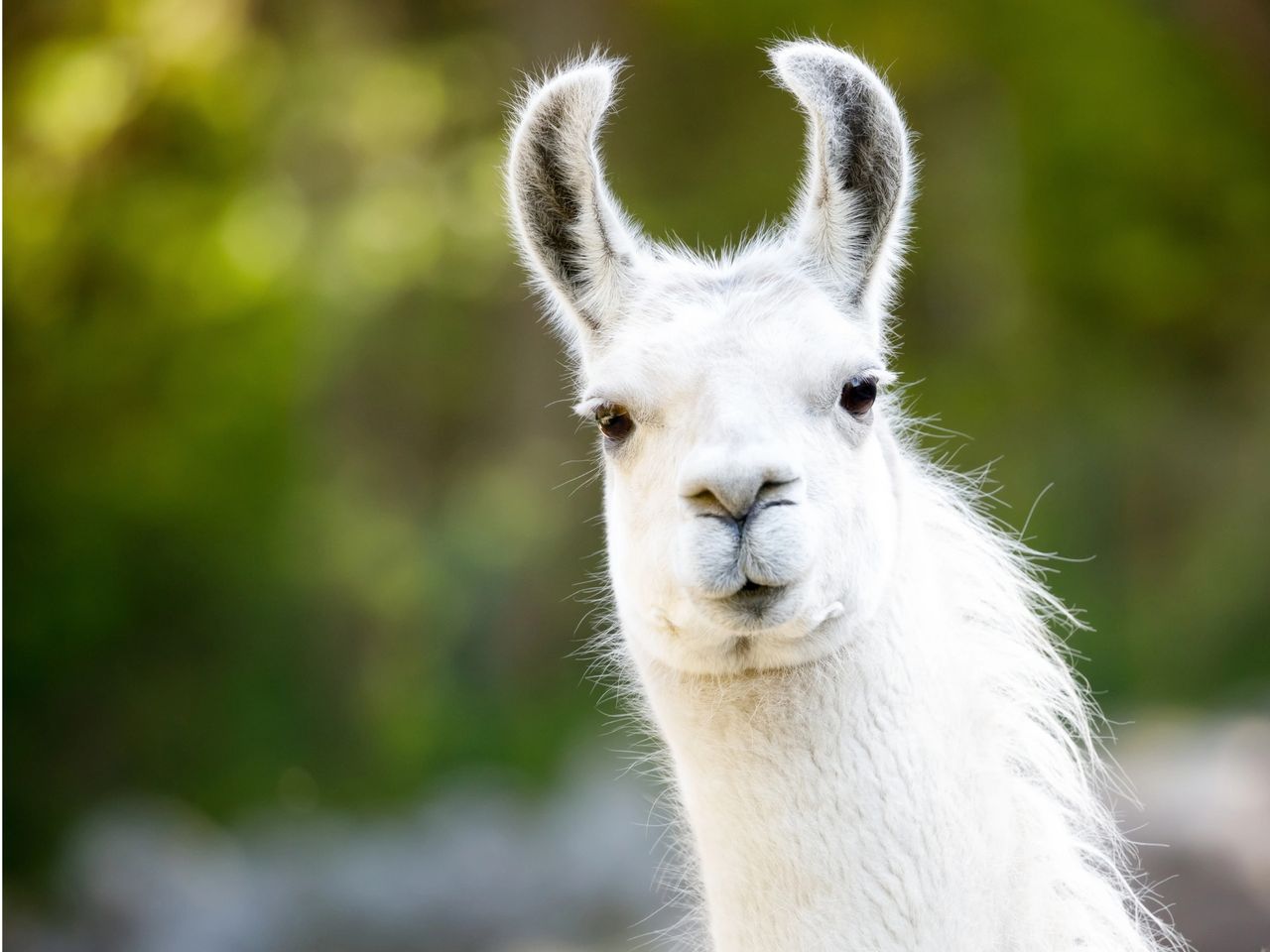
Shearing is a vital part of caring for llamas and alpacas, ensuring their comfort, health, and the quality of their luxurious fleece. These South American camelids, native to the Andes, rely on regular shearing to stay cool, prevent matting, and provide fiber for textiles. Whether you’re a farmer, a fiber artist, or a new alpaca or llama owner, understanding when to shear, the types of shearing cuts, and how to perform the process is essential. In this blog, we’ll explore the ins and outs of shearing llamas and alpacas, with practical tips to make the experience safe and effective for both you and your animals.
Why Shear Llamas and Alpacas?
Shearing serves multiple purposes for llamas and alpacas:
• Temperature Regulation: In warm climates or seasons, thick fleece can cause overheating, leading to heat stress.
• Hygiene: Removing fleece prevents matting, reduces parasite buildup, and keeps the animal clean.
• Fiber Harvesting: Shearing provides high-quality fleece for yarn, textiles, or sale, supporting sustainable fiber production.
• Health Monitoring: Shearing allows you to inspect the animal’s skin for injuries, infections, or parasites.
While both alpacas and llamas require shearing, their fleece types and purposes differ:
• Alpacas: Bred primarily for their fine, soft fleece (Huacaya or Suri), alpacas are sheared to maximize fiber quality for textiles.
• Llamas: Used for both fiber and as pack animals, llamas have coarser, often double-coated fleece (Ccara or Tampuli), and shearing may focus on comfort or fiber depending on the type.
When to Shear Llamas and Alpacas
Timing is critical for shearing to ensure animal comfort and fleece quality. The best time to shear depends on climate, animal needs, and fleece growth.
General Guidelines
• Spring Shearing: In most regions, shearing occurs in spring (April–May in the Northern Hemisphere, September–October in the Southern Hemisphere), before hot weather sets in. This allows animals to stay cool in summer while giving fleece time to regrow before winter.
• Fleece Length: Shear when the fleece is at least 3–4 inches long (typically after 12 months of growth) to ensure usable fiber length. Alpacas usually require annual shearing, while some llamas (especially Ccara) may be sheared every 1–2 years if used as pack animals.
• Climate Considerations:
• In warm climates, shear annually to prevent heat stress.
• In colder climates, shear in late spring to ensure animals have some regrowth before winter. Provide blankets or shelters for freshly sheared animals if nights are chilly.
• Animal Health: Avoid shearing heavily pregnant females (within 4–6 weeks of due date) or very young crias (under 6 months) to minimize stress. Consult a veterinarian if the animal has health issues.
Alpaca-Specific Timing
• Huacaya Alpacas: Shear annually to harvest dense, crimped fleece. Spring shearing ensures the fleece is clean and long enough (4–6 inches) for spinning.
• Suri Alpacas: Shear annually or every 18 months, as their long, lock-like fleece grows more slowly. Timing is critical to preserve the lustrous lock structure without matting.
Llama-Specific Timing
• Tampuli Llamas: Shear annually for soft, fiber-quality fleece, similar to alpacas.
• Ccara Llamas: Shear every 1–2 years, as their shorter, coarser fleece is less prone to matting and primarily serves as protection. Shearing may focus on comfort rather than fiber collection.
Pro Tip: Check the weather forecast before shearing. Avoid rainy or windy days to keep the fleece dry and the animals comfortable post-shear.
Types of Shearing Cuts for Llamas and Alpacas
Shearing cuts vary based on the animal’s purpose, fleece type, and the owner’s goals (e.g., fiber production, animal comfort, or aesthetics). The main types of cuts are blanket cut, barrel cut, show cut, and lion cut, each with specific applications for alpacas and llamas.
1. Blanket Cut (Full Body Shear)
• Description: The most common cut, removing fleece from the entire body (neck, back, sides, and upper legs) in one continuous piece, called the “blanket.” The head, lower legs, and tail are left unshorn or lightly trimmed.
• Purpose: Maximizes fleece yield for fiber production while keeping the animal cool.
• Alpaca Use: Ideal for Huacaya and Suri alpacas, producing a large, uniform fleece for spinning. For Suri, shearers preserve the lock structure by cutting carefully along the fiber’s natural flow.
• Llama Use: Common for Tampuli llamas bred for fiber. For Ccara llamas, the blanket cut may be less uniform due to coarser fleece but still ensures comfort.
• Fleece Yield: Alpacas: 5–10 pounds; Llamas: 3–8 pounds.
2. Barrel Cut (Partial Shear)
• Description: Removes fleece only from the torso (barrel) and upper legs, leaving the neck, lower legs, and tail longer. This creates a “saddle” of bare skin on the body.
• Purpose: Provides cooling in hot weather while retaining some fleece for protection or aesthetics. Often used for animals not primarily bred for fiber.
• Alpaca Use: Less common, as alpacas are typically sheared for maximum fleece. May be used for older alpacas or those with lower-quality fleece.
• Llama Use: Popular for Ccara llamas used as pack animals, as it keeps them cool without sacrificing all fleece. Tampuli llamas may get a barrel cut if fiber collection is secondary.
• Fleece Yield: Lower, as only the torso fleece is collected.
3. Show Cut (Styled Shear)
• Description: A precise, aesthetic cut that trims fleece to a uniform length (1–2 inches) across the body, often leaving the neck and legs slightly longer for a polished look. The fleece is shaped to enhance the animal’s appearance.
• Purpose: Used for show animals to highlight conformation and fleece quality without removing all fiber.
• Alpaca Use: Common for Huacaya and Suri alpacas in competitions, where judges evaluate fleece density, fineness, and lock structure. Suri show cuts emphasize the flowing locks.
• Llama Use: Used for Tampuli llamas in fiber shows or Ccara llamas in performance classes. The cut is less common for working pack llamas.
• Fleece Yield: Minimal, as the focus is on appearance, not fiber collection.
4. Lion Cut (Decorative Shear)
• Description: A creative cut that removes most body fleece but leaves a mane-like strip along the neck, a tuft on the tail, and sometimes leg “boots,” resembling a lion’s silhouette.
• Purpose: Purely aesthetic, often for pet llamas or alpacas, or for fun at events. Provides cooling but retains some fleece for style.
• Alpaca Use: Rare, as alpaca owners prioritize fleece for fiber. May be used for pet alpacas or in hot climates.
• Llama Use: More common for pet or show llamas, especially Ccara, as it’s visually striking and low-maintenance.
• Fleece Yield: Very low, as most fleece is removed.
Note: The choice of cut depends on your goals (fiber, comfort, or aesthetics), the animal’s fleece type, and local climate. Consult with a professional shearer or veterinarian for advice tailored to your herd.
Check out my part 2 of this post where we talk about How to Shear!