
May 7, 2025|Cows, Homesteading, Livestock
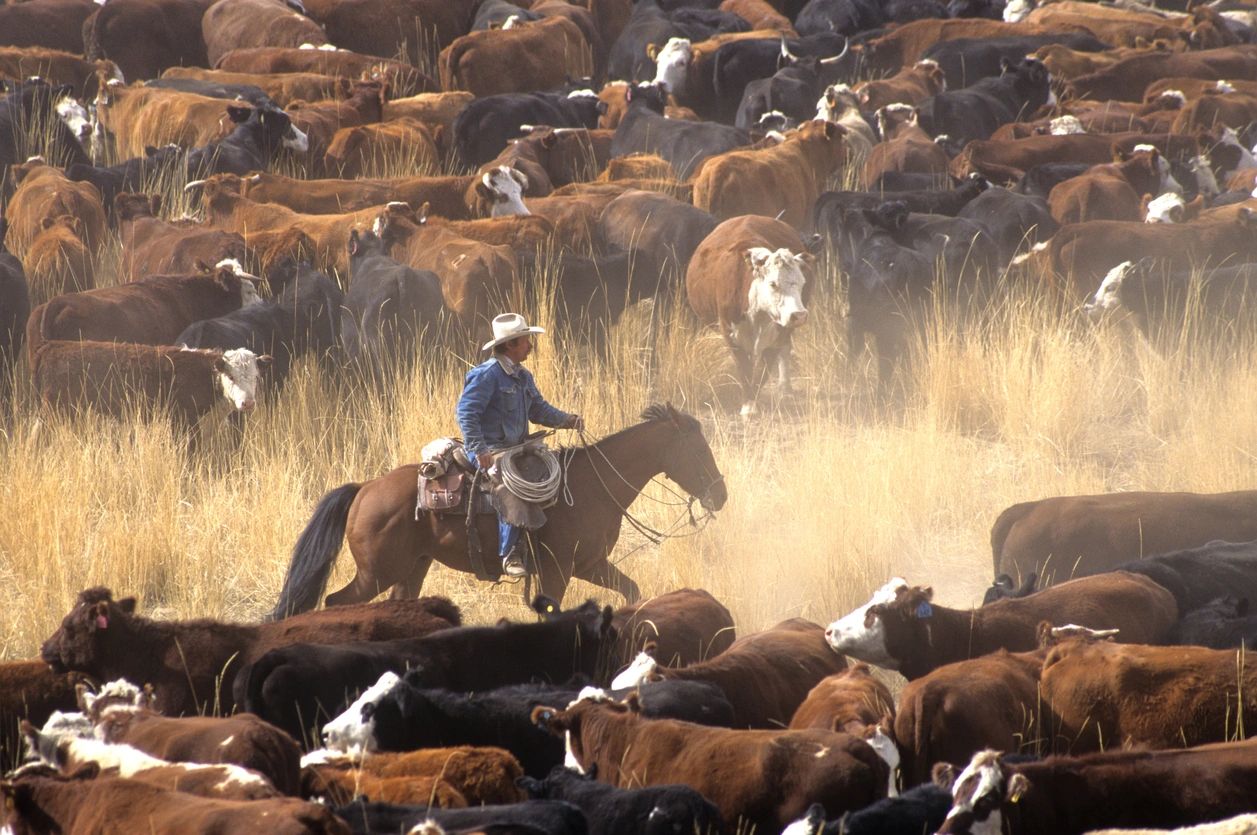
When it comes to raising cattle for beef production, choosing the right breed can make all the difference. The best meat cow breeds are selected based on factors like growth rate, feed efficiency, meat quality, adaptability to climate, and ease of management. Whether you’re a seasoned rancher or just starting out, understanding the strengths of different breeds will help you optimize your operation. Below, we explore some of the top beef cattle breeds and why they stand out.
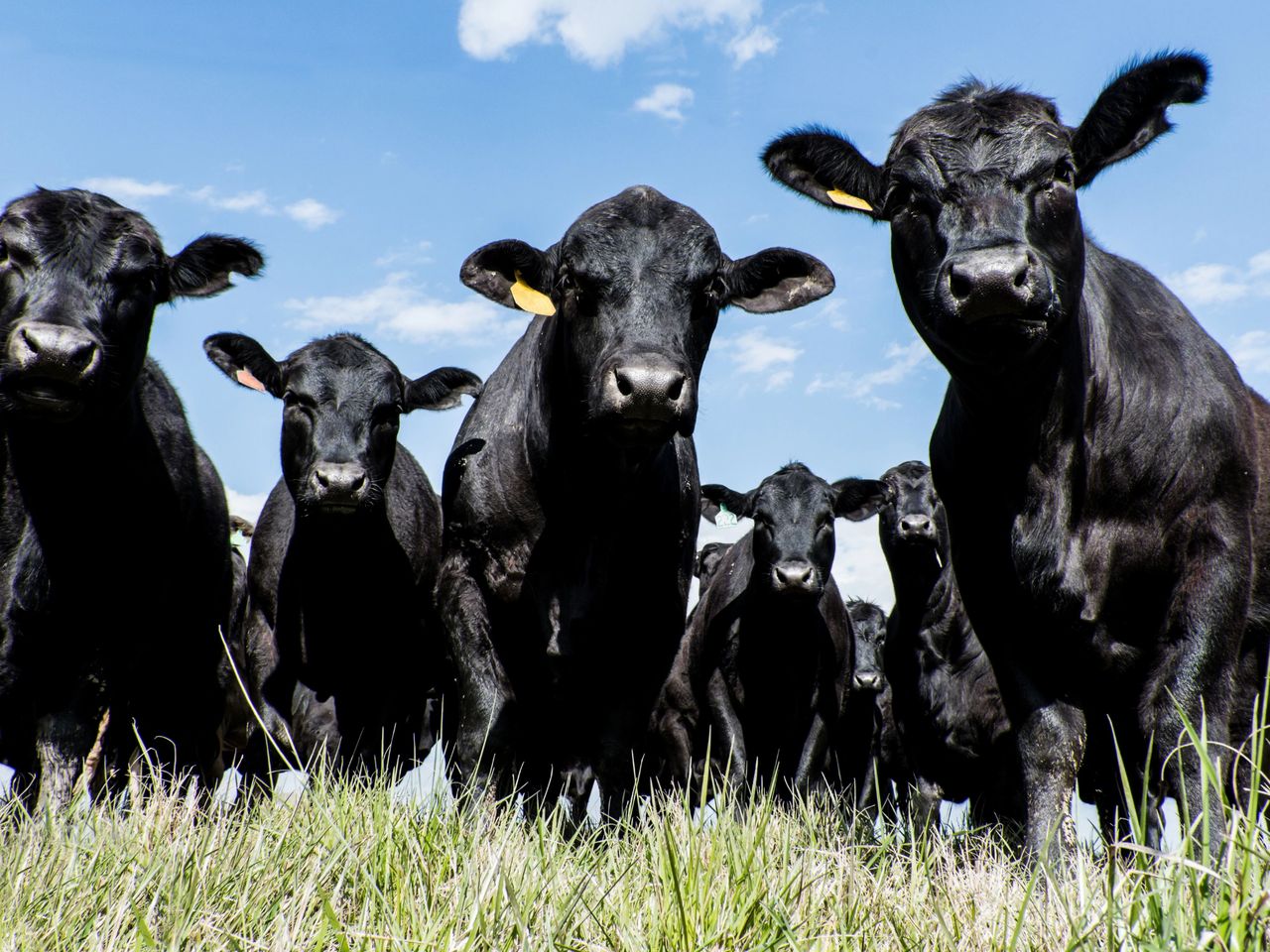
1. Angus
Why It’s Great: Angus cattle, particularly Black Angus, are a favorite among beef producers for their exceptional meat quality. Known for producing well-marbled beef with superior flavor and tenderness, Angus beef often commands premium prices. These cows have a fast growth rate, efficient feed conversion, and a calm temperament, making them easy to handle.
Best For: Ranchers focused on high-quality beef for restaurants or direct-to-consumer markets.
Adaptability: Angus thrive in various climates, from cold northern regions to warmer southern areas, though they may need shade in extreme heat.
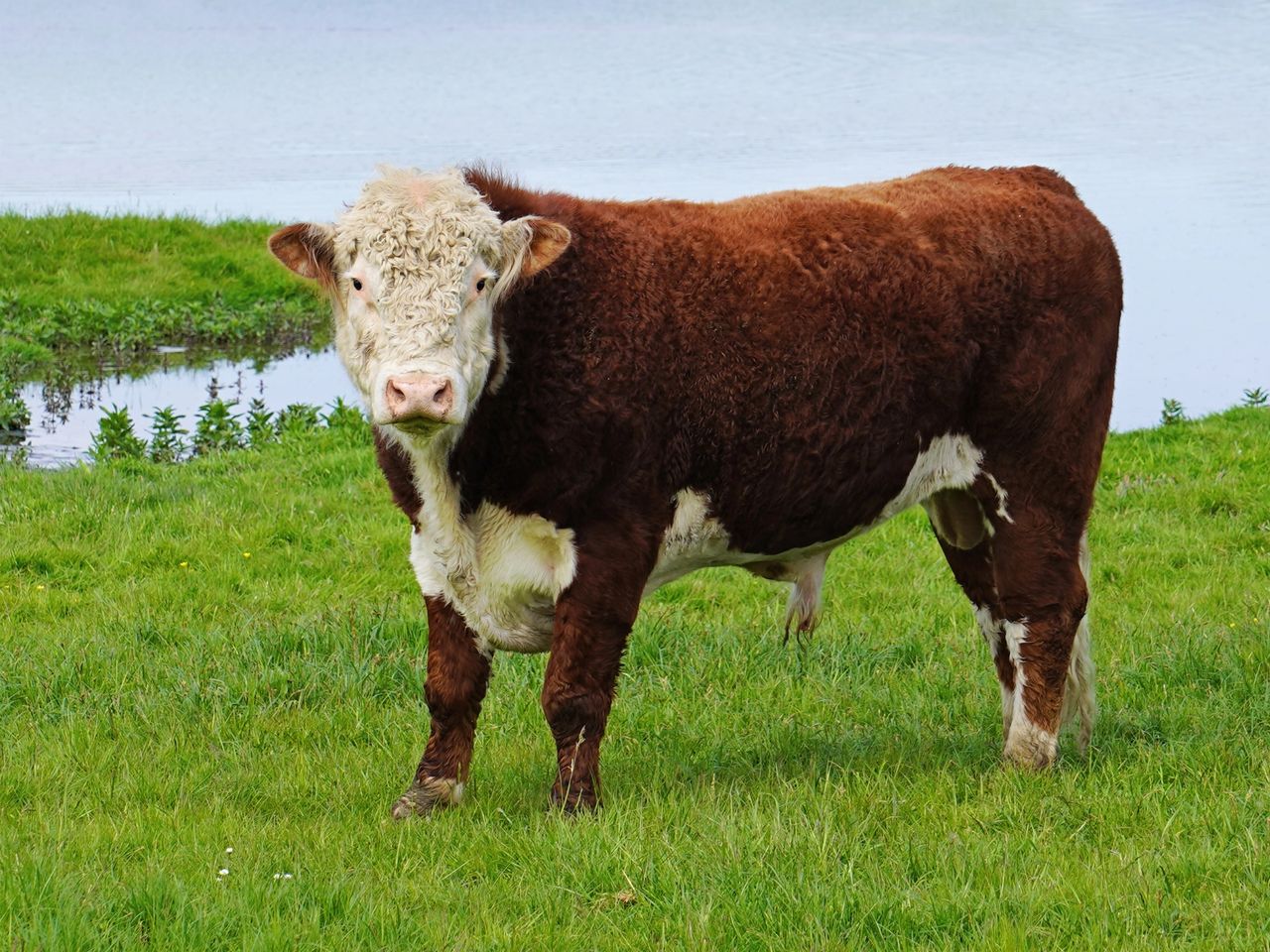
2. Hereford
Why It’s Great: Herefords are renowned for their hardiness and adaptability. Their distinctive red-and-white coloring makes them easy to spot, and they’re known for excellent foraging ability, which reduces feed costs. Herefords produce lean, flavorful beef and have a docile nature, simplifying herd management. They also crossbreed well, particularly with Angus, to produce “Black Baldy” calves that combine the strengths of both breeds.
Best For: Grass-fed operations or ranches in rugged terrains.
Adaptability: Herefords excel in harsh climates, from cold winters to dry, arid regions.
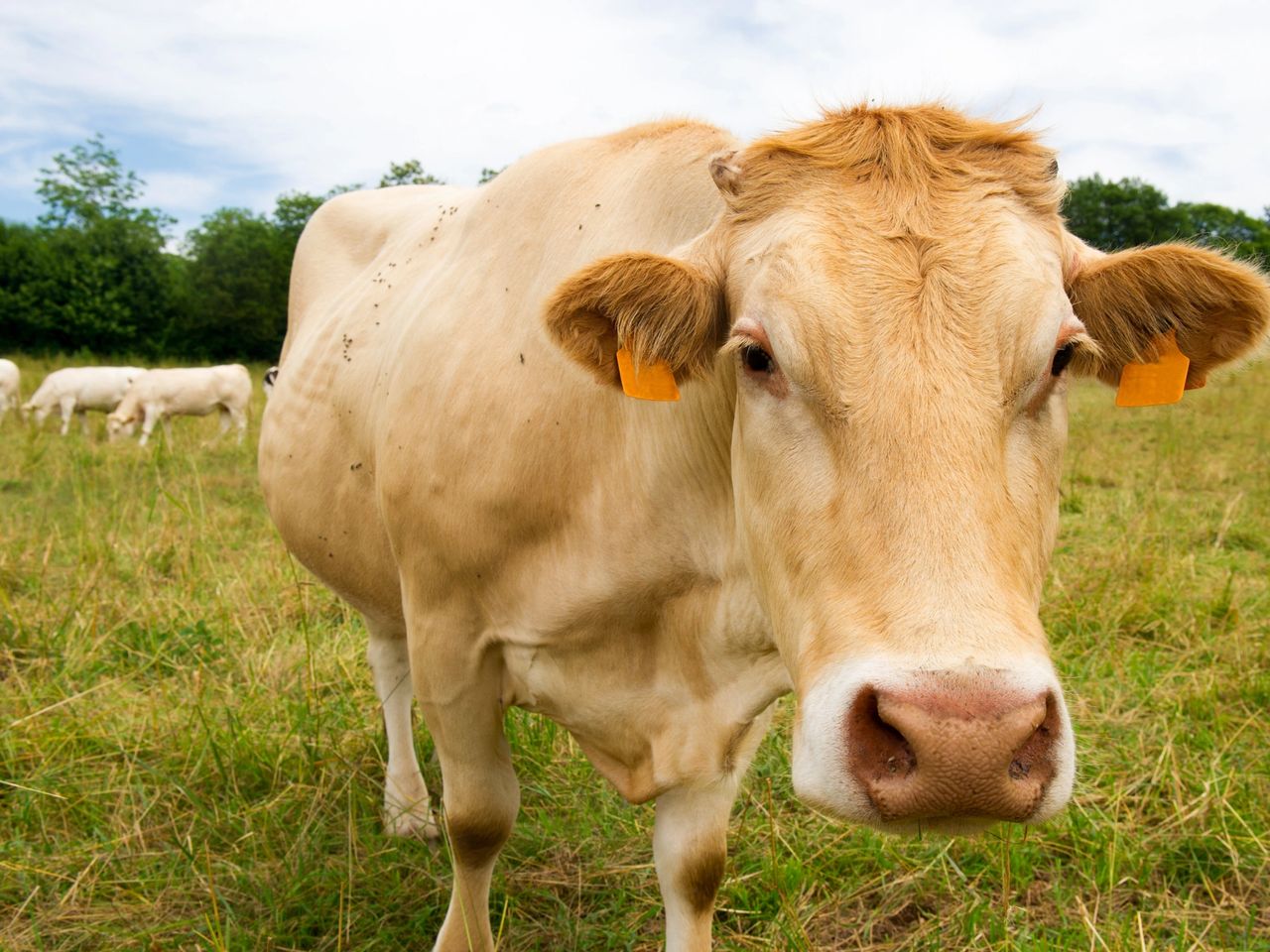
3. Charolais
Why It’s Great: Originating from France, Charolais cattle are prized for their large size and rapid growth. They produce lean, muscular carcasses with high yields, making them ideal for maximizing beef output. Their white coats reflect heat, helping them stay cool in warmer climates. Charolais are also known for their versatility in crossbreeding programs.
Best For: Ranchers aiming for high-volume beef production.
Adaptability: Best suited for temperate to warm climates but can adapt with proper management.
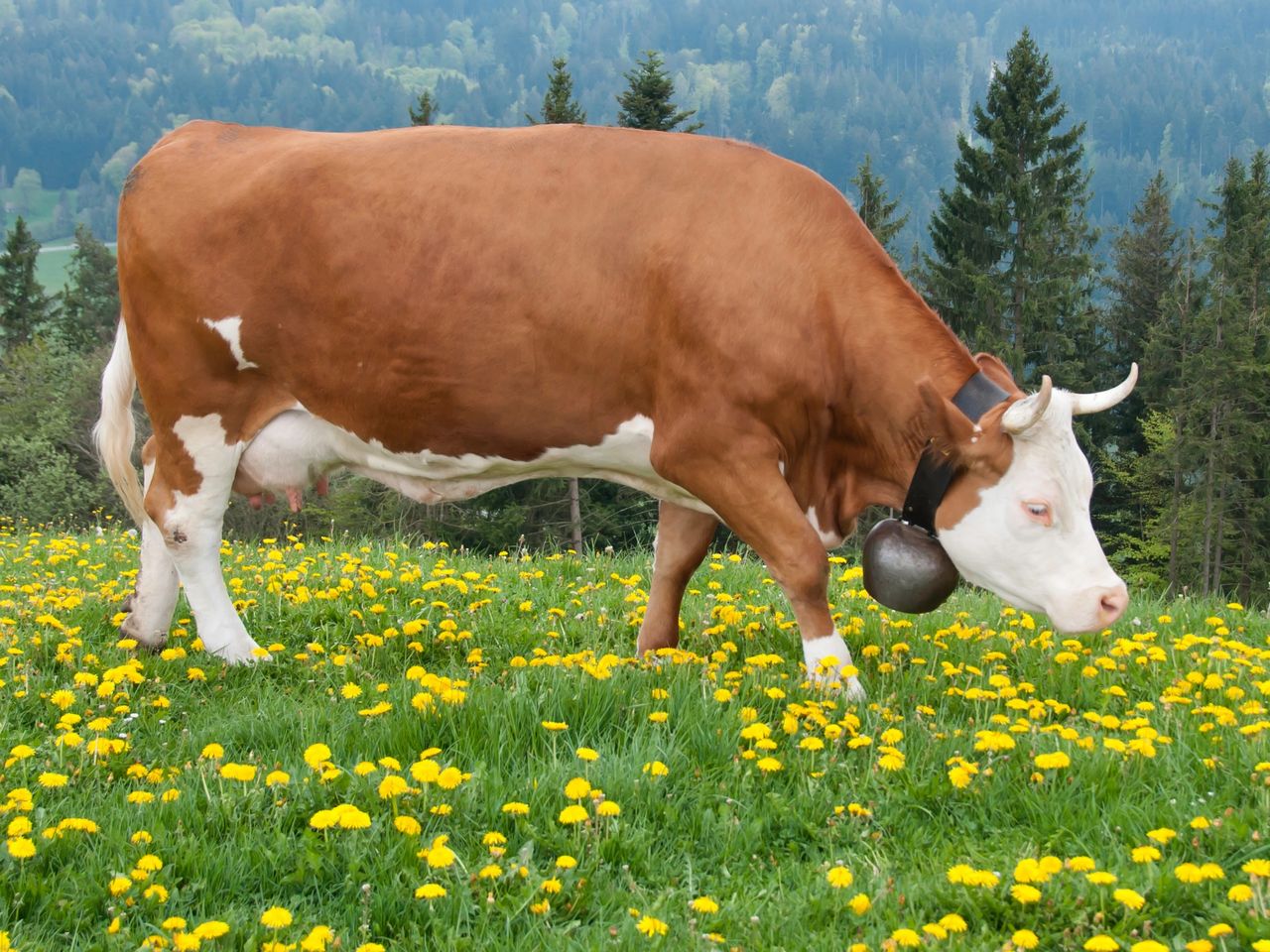
4. Simmental
Why It’s Great: Simmental cattle offer a balance of size, growth rate, and meat quality. They’re known for producing large, well-muscled carcasses with good marbling. Simmentals are also highly fertile and have strong maternal traits, making them a dual-purpose choice for operations that value both beef and breeding. Their feed efficiency and fast growth make them cost-effective.
Best For: Ranchers looking for versatility and high yields.
Adaptability: Simmentals perform well in diverse environments, though they may need extra feed in colder climates to maintain weight.
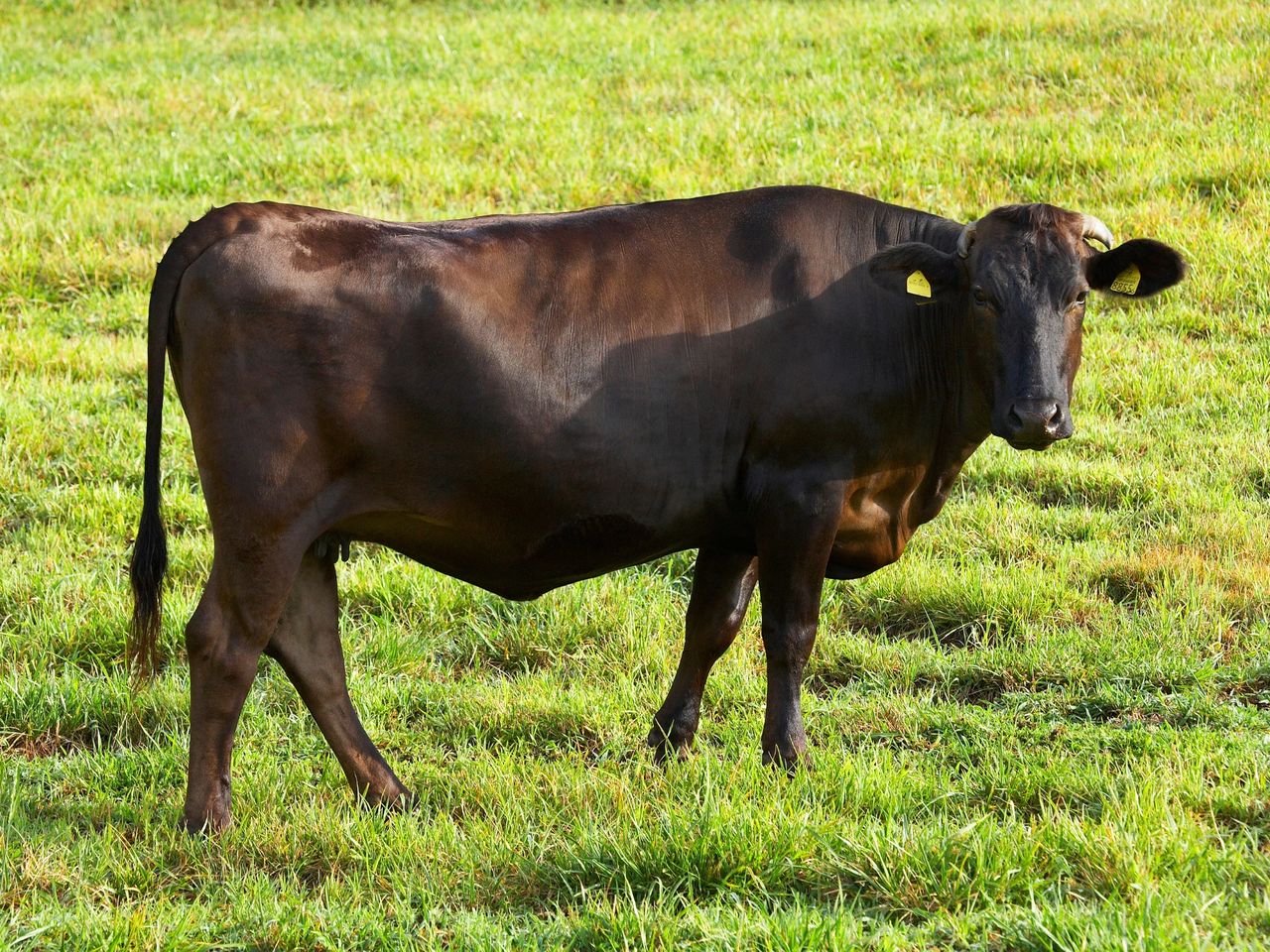
5. Wagyu
Why It’s Great: Wagyu cattle are synonymous with luxury beef, famous for their intensely marbled meat that melts in the mouth. Breeds like Japanese Black (Kuroge) produce beef with unparalleled flavor and tenderness, fetching top dollar in niche markets. While Wagyu require more intensive management and longer finishing times, the premium prices justify the investment for many.
Best For: Specialty markets, high-end restaurants, or boutique farms.
Adaptability: Wagyu are less hardy than other breeds and need protection from extreme weather, but they can thrive with proper care.
Why Breed Choice Matters
Selecting the right breed depends on your goals, resources, and environment. For example:
• Market Demand: Angus and Wagyu cater to premium markets, while Charolais and Simmental are better for high-volume production.
• Climate: Herefords and Charolais handle diverse conditions well, while Wagyu may need more controlled environments.
• Feed Resources: Grass-fed operations benefit from Herefords’ foraging skills, while Angus and Simmental excel in feedlot systems.
Tips for Success
1. Crossbreeding: Combining breeds like Angus and Hereford can enhance hybrid vigor, improving growth rates and resilience.
2. Local Conditions: Consult with local extension services or experienced ranchers to match breeds to your region’s climate and forage availability.
3. Management: Invest in proper nutrition, health monitoring, and handling facilities to maximize your herd’s potential.
Final Thoughts
The best beef cattle breed for your operation depends on your specific needs, but Angus, Hereford, Charolais, Simmental, and Wagyu consistently rank among the top choices for their unique strengths. By aligning your breed selection with your market goals and environmental conditions, you can build a thriving beef operation that delivers quality and profitability.
Interested in learning more about cattle management or specific breed performance in your area? Drop a comment or reach out to your local agricultural extension for tailored advice!