
May 30, 2025|Homesteading, Livestock, Llamas, Tips
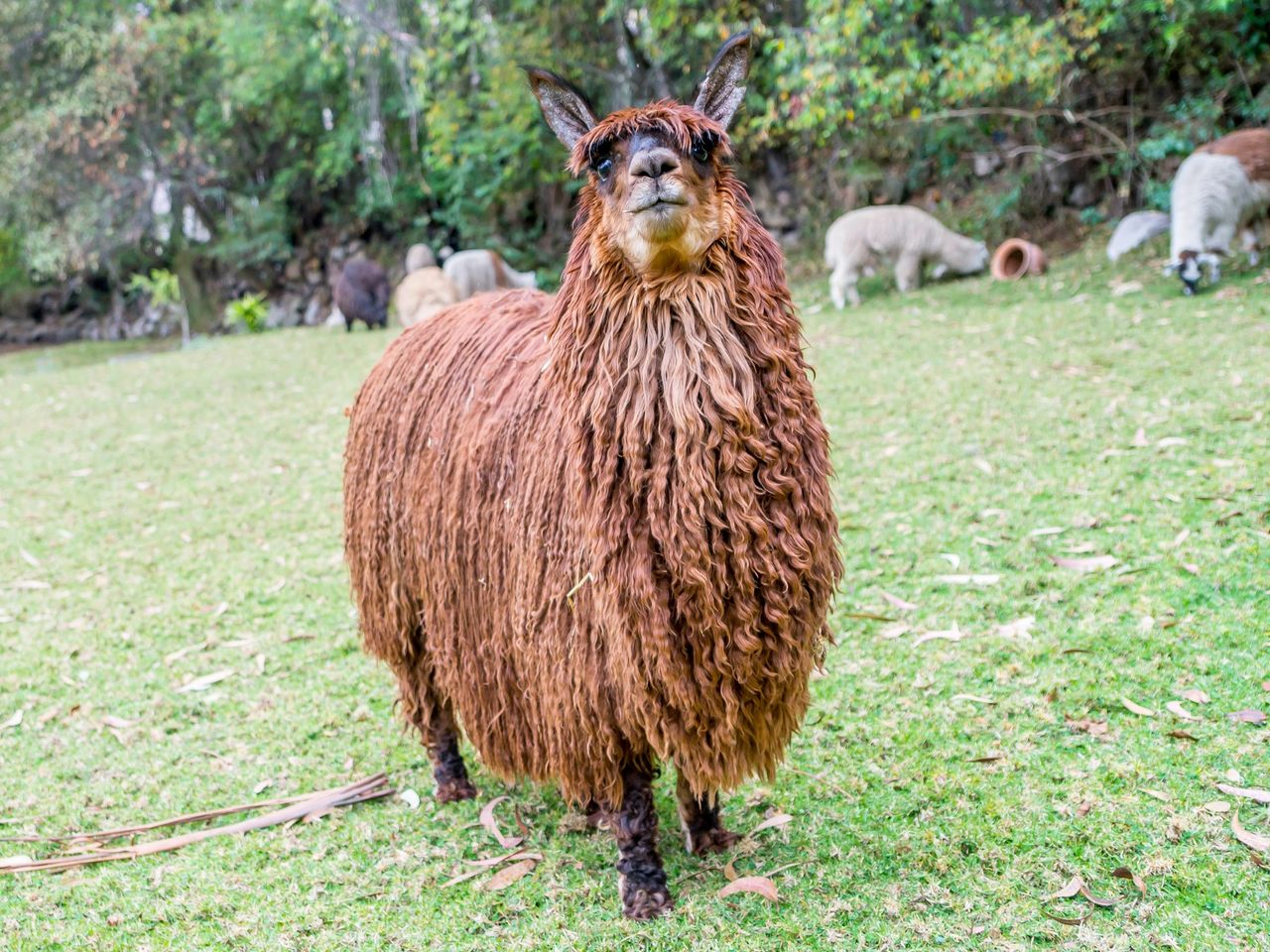
Llamas and alpacas, the resilient camelids of the Andes, are generally hardy animals, but they’re susceptible to certain diseases that can impact their health, productivity, and longevity. Vaccinations are a critical tool in preventing these diseases, ensuring your herd thrives whether they’re producing fine fleece, carrying packs, or gracing the show ring. For new and seasoned llama and alpaca owners alike, understanding vaccination protocols is essential for maintaining herd health. In this blog, we’ll explore the common vaccines for llamas and alpacas, recommended schedules, administration tips, and key considerations to keep your camelids protected.
Why Vaccinations Matter for Llamas and Alpacas
Vaccinations protect llamas and alpacas from infectious diseases that can cause illness, reproductive issues, or death, while also reducing the spread of disease within a herd or region. Benefits include:
• Disease Prevention: Vaccines reduce the risk of serious illnesses like clostridial diseases or rabies, which can be fatal.
• Herd Health: Immunized animals are less likely to spread pathogens, protecting the entire herd.
• Reproductive Success: Vaccinations prevent diseases that cause abortions or weak crias (young camelids).
• Cost Savings: Preventing disease is more cost-effective than treating outbreaks or losing animals.
• Performance: Healthy animals produce better fleece, carry packs efficiently, or perform well in shows.
Alpacas (100–200 lbs) and llamas (250–450 lbs) have similar immune systems, but their vaccination needs may vary slightly based on size, environment, usage (e.g., fiber vs. pack animals), and regional disease risks. Alpacas, being smaller, may show symptoms of illness sooner, while llamas’ larger size and hardiness can mask early signs, making proactive vaccination critical for both.
Common Vaccines for Llamas and Alpacas
Vaccination protocols for llamas and alpacas are tailored to the diseases prevalent in your region, herd management practices, and the animals’ roles. Below are the most common vaccines used, with notes on their purpose and application.
1. Clostridial Vaccines (CD&T or 7/8-Way)
• Purpose: Protects against clostridial diseases caused by Clostridium bacteria, which live in soil and can infect animals through wounds or ingestion. Key diseases include:
• Tetanus (Clostridium tetani): Causes muscle stiffness and death from lockjaw, often from cuts or castration wounds.
• Enterotoxemia (Clostridium perfringens types C and D): Known as “overeating disease,” causes sudden death, diarrhea, or neurological symptoms, especially in crias or animals on rich diets.
• Other clostridial diseases (e.g., blackleg, malignant edema) in 7/8-way vaccines, less common but included for broader protection.
• Vaccine: CD&T (covers tetanus and enterotoxemia) is standard. 7/8-way vaccines (e.g., Covexin-8) provide broader clostridial coverage but may be unnecessary unless specific risks exist.
• Alpaca Considerations: Alpacas are prone to enterotoxemia on lush pastures or grain-heavy diets, so CD&T is critical. Their smaller size may require precise dosing.
• Llama Considerations: Llamas, especially pack animals, risk tetanus from trail injuries, making CD&T essential. 7/8-way may be used for llamas in high-risk areas (e.g., wet climates with Clostridium prevalence).
• Notes: CD&T is the most widely used vaccine for camelids due to its safety and effectiveness. Consult a vet to determine if 7/8-way is needed based on regional risks.
2. Rabies Vaccine
• Purpose: Protects against rabies, a fatal viral disease transmitted through bites from infected animals (e.g., bats, raccoons, or dogs). Rabies is zoonotic, meaning it can spread to humans, making vaccination a public health priority in some areas.
• Vaccine: Imrab or Rabvac (killed virus vaccines) are commonly used, though not labeled for camelids (off-label use requires vet oversight).
• Alpaca Considerations: Alpacas in rabies-endemic areas (e.g., North America, parts of South America) need annual vaccination, especially if exposed to wildlife or public interaction (e.g., petting zoos).
• Llama Considerations: Llamas, particularly pack animals roaming in rural areas, face higher wildlife exposure, increasing rabies risk. Vaccination is critical for working llamas.
• Notes: Rabies vaccination may be required by law in some regions or for show animals. Check local regulations and discuss with your vet.
3. West Nile Virus (WNV) Vaccine
• Purpose: Protects against West Nile Virus, a mosquito-borne disease causing neurological symptoms (e.g., ataxia, tremors) or death. Prevalent in North America and other warm climates.
• Vaccine: West Nile Innovator or similar killed-virus vaccines, used off-label in camelids.
• Alpaca Considerations: Alpacas are susceptible in mosquito-heavy areas (e.g., near ponds or wetlands), especially during summer. Vaccination is recommended in high-risk regions.
• Llama Considerations: Llamas’ larger size may reduce symptom severity, but pack llamas in forested or wetland areas need protection due to exposure.
• Notes: WNV vaccination is region-specific. Consult your vet if mosquitoes are prevalent or WNV cases are reported locally.
4. Leptospirosis Vaccine
• Purpose: Protects against Leptospira bacteria, which cause abortions, kidney damage, or liver disease. Spread through contaminated water or urine from infected animals (e.g., cattle, wildlife).
• Vaccine: Multivalent leptospirosis vaccines (e.g., Lepto-5), used off-label in camel Ascending and descending order is not supported in Markdown. Please use the sort feature in the issue view instead.
• Alpaca Considerations: Alpacas in mixed farms (with cattle or pigs) or wet environments are at higher risk for leptospirosis, especially pregnant females prone to abortions.
• Llama Considerations: Llamas grazing near water sources or with wildlife exposure (e.g., deer) benefit from vaccination, particularly in pack roles.
• Notes: Leptospirosis vaccination is less common but may be recommended in endemic areas or mixed-species farms. Discuss with your vet.
5. Other Vaccines (Region-Specific or Rare)
• Clostridium botulinum (Botulism): Rare, used in areas with contaminated feed or silage. Not standard but may be considered in high-risk regions.
• Equine Herpesvirus (EHV-1): Experimental use in camelids to prevent abortions in areas with equine outbreaks, but not widely recommended.
• Bluetongue: Used in some regions (e.g., Europe, Africa) for this viral disease spread by midges, causing fever or lameness. Rare in camelids but may be needed for export or endemic areas.
• Notes: These vaccines are highly situational. Consult a vet for risk assessment and availability.
Recommended Vaccination Schedule
Vaccination schedules depend on age, reproductive status, regional risks, and herd management. Below is a general guideline, to be customized with veterinary input.
Crias (Young Camelids)
• CD&T:
• First dose: 4–8 weeks of age (or earlier if high-risk, e.g., lush pastures).
• Booster: 3–4 weeks later (6–12 weeks of age).
• Second booster (optional): 3–4 months later for high-risk crias.
• Annual boosters thereafter.
• Rabies (if needed):
• First dose: 4–6 months of age.
• Booster: Annually.
• WNV or Leptospirosis (if needed):
• First dose: 4–6 months, with a booster 3–4 weeks later.
• Annual boosters.
• Notes: Crias have immature immune systems, so early CD&T is critical, especially for enterotoxemia. Consult a vet for timing, as maternal antibodies may interfere with early vaccination.
Adults (Non-Pregnant)
• CD&T: Annually, ideally in spring before pasture season. Booster every 6 months in high-risk areas (e.g., grain-heavy diets).
• Rabies: Annually in endemic areas or for show/pack animals.
• WNV or Leptospirosis: Annually in high-risk regions, with boosters as recommended (e.g., every 6 months for WNV in mosquito-heavy areas).
• Notes: Adults need consistent annual vaccines, adjusted for regional risks or travel (e.g., shows, packing).
Pregnant Females
• CD&T: 4–6 weeks before parturition to boost immunity and pass antibodies to crias via colostrum. Annual boosters otherwise.
• Rabies, WNV, Leptospirosis: Administer only if previously vaccinated or under vet guidance, as some vaccines may pose risks during pregnancy.
• Notes: Avoid vaccinating late in pregnancy (last 4 weeks) unless critical, to minimize stress. Ensure crias receive colostrum within 6–12 hours of birth for passive immunity.
Breeding Males and Geldings
• CD&T: Annually, with boosters every 6 months for high-risk animals (e.g., pack llamas on rich feed).
• Rabies, WNV, Leptospirosis: Annually in high-risk areas, especially for pack or show males exposed to wildlife or water sources.
• Notes: Males used for breeding or packing need robust protection due to stress and exposure.
Administration Tips
• Work with a Vet: A camelid-experienced veterinarian should design and oversee vaccination protocols, as many vaccines are used off-label in camelids.
• Vaccine Handling:
• Store vaccines at 35–45°F (refrigerated, not frozen) and protect from sunlight.
• Use within 1–2 hours of mixing (for multi-dose vials).
• Check expiration dates and discard expired vaccines.
• Injection Technique:
• Site: Subcutaneous (under the skin) injections are preferred, typically in the neck or behind the elbow (less fleece). Intramuscular injections are less common but may be used for some vaccines (e.g., WNV).
• Needle Size: 18–20 gauge, 1-inch needle for adults; 20–22 gauge, ½-inch for crias.
• Cleanliness: Use sterile needles and syringes for each animal to prevent abscesses. Disinfect skin with alcohol if dirty.
• Dosage: Follow vet or label instructions (e.g., 2 mL for CD&T, 1–2 mL for rabies). Alpacas may need slightly lower doses than llamas due to size.
• Restraint: Use a halter and chute or have an assistant hold the animal to minimize stress. Train animals to accept handling for easier injections.
• Monitor Reactions: Watch for swelling, lethargy, or anaphylaxis (rare) post-vaccination. Contact a vet if symptoms persist beyond 24–48 hours.
• Alpaca Tips: Alpacas’ smaller size and dense fleece require careful site selection (e.g., under the elbow) to avoid fleece contamination. They’re more sensitive to stress, so vaccinate in a calm environment.
• Llama Tips: Llamas’ larger size makes injections easier, but their thicker skin may need a sturdier needle. Pack llamas benefit from pre-trek boosters to handle stress.
Key Considerations
• Regional Risks: Work with your vet to assess local disease prevalence (e.g., WNV in mosquito-heavy areas, leptospirosis in wet climates). Some vaccines may be unnecessary in low-risk regions.
• Herd Management:
• Quarantine: Vaccinate new animals during a 2–4 week quarantine to prevent disease introduction.
• Biosecurity: Limit exposure to wildlife, shared water sources, or unvaccinated livestock (e.g., cattle).
• Stress: Avoid vaccinating during high-stress periods (e.g., late pregnancy, extreme heat, or transport) unless urgent.
• Record-Keeping: Log vaccination dates, types, doses, and lot numbers for each animal. Track adverse reactions or disease outbreaks to refine protocols.
• Cost vs. Benefit: Vaccines are cost-effective compared to treating diseases or losing animals. Prioritize CD&T and rabies, then add WNV or leptospirosis based on risk.
• Alpaca Considerations: Alpacas’ sensitive nature and high-value fleece make disease prevention critical to avoid weight loss or fleece damage. Crias need early CD&T to combat enterotoxemia.
• Llama Considerations: Llamas’ hardiness and pack roles increase exposure to wounds (tetanus) or wildlife (rabies, WNV), so robust protocols are key for working animals.
Challenges and Solutions
• Off-Label Use: Most camelid vaccines (e.g., rabies, WNV) are labeled for other species, requiring vet expertise for safe use. Ensure informed consent and follow vet dosing.
• Vaccine Reactions: Rare but possible (e.g., swelling, fever). Administer vaccines in low-stress conditions and monitor closely for 24–48 hours.
• Access: Some vaccines (e.g., bluetongue) may be hard to source or restricted in certain regions. Plan ahead with your vet for availability.
• Cria Immunity: Maternal antibodies from colostrum can interfere with early cria vaccinations (before 8 weeks), reducing effectiveness. Time first doses carefully or use boosters.
• Cost: Vaccinations and vet visits add up, especially for large herds. Focus on high-impact vaccines (CD&T, rabies) and prevent disease through biosecurity to reduce costs.
Why Vaccination Protocols Matter
Vaccinations are a cornerstone of llama and alpaca health, safeguarding your herd from preventable diseases that threaten their well-being and your investment. A well-vaccinated herd produces high-quality fleece, carries packs reliably, and shines in the show ring, all while supporting sustainable camelid care. By working with a vet to tailor protocols to your region and herd, you’re ensuring your animals live long, healthy lives, rooted in the resilient spirit of their Andean ancestors.
Whether you’re protecting crias from enterotoxemia or pack llamas from rabies, vaccination is a proactive step toward a thriving herd. Have you established a vaccination plan for your llamas or alpacas, or do you have questions about getting started? Share your experiences or tips in the comments below, and let’s keep our camelids healthy and strong!
Affiliate Disclosure: This post contains affiliate links. If you click through and make a purchase, I may earn a small commission at no additional cost to you. Thank you for supporting my blog!