February brings the perfect window for winter pruning evergreens at Lange Girl Farms in Southeast Michigan. With the plants dormant and structure visible, it’s easier to shape hedges, remove dead wood, and encourage healthy growth for spring. We’ve been pruning our arborvitae screens and other evergreens this month, and it’s a satisfying winter task that preps the farm for the year ahead. Today, I’ll share our simple approach to winter evergreen pruning, tools we use, and a natural hand care routine to keep skin happy—featuring our Muscle & Joint Salve for those hardworking hands!
Why Prune Evergreens in Winter?
Late winter (February-March here) is ideal for most evergreens.
- Plants are dormant—no stress from active growth.
- Bare structure makes shaping easier.
- Cuts heal quickly in spring.
- Reduces pest/disease risk compared to fall pruning.
We focus on arborvitae for privacy screens and a few other conifers around the pastures.
Our Favorite Evergreens for Pruning
- Arborvitae (Thuja occidentalis)—our main privacy hedges.
- Juniper varieties—low-growing ground cover.
- Yew (Taxus)—formal shapes near the barn.
Step-by-Step Winter Evergreen Pruning
Safety first—wear gloves and eye protection.
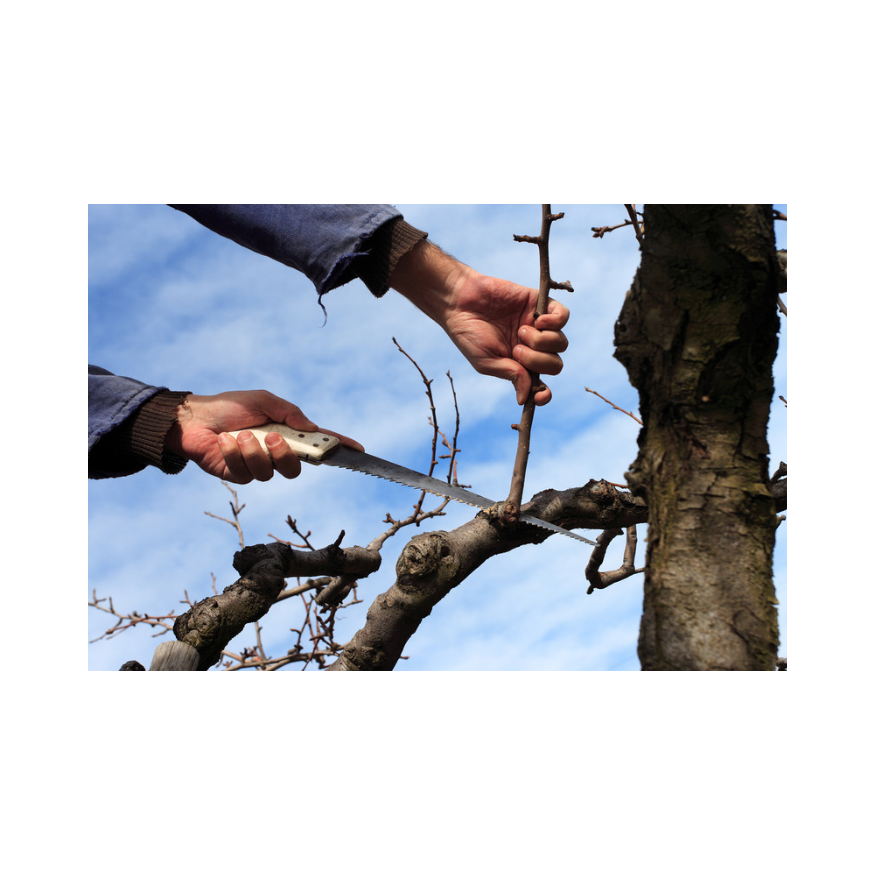
- Assess the Plant
- Look for dead, damaged, or diseased branches (the “3 D’s”).
- Check overall shape—aim for natural form.
- Look for dead, damaged, or diseased branches (the “3 D’s”).
- Tools Needed
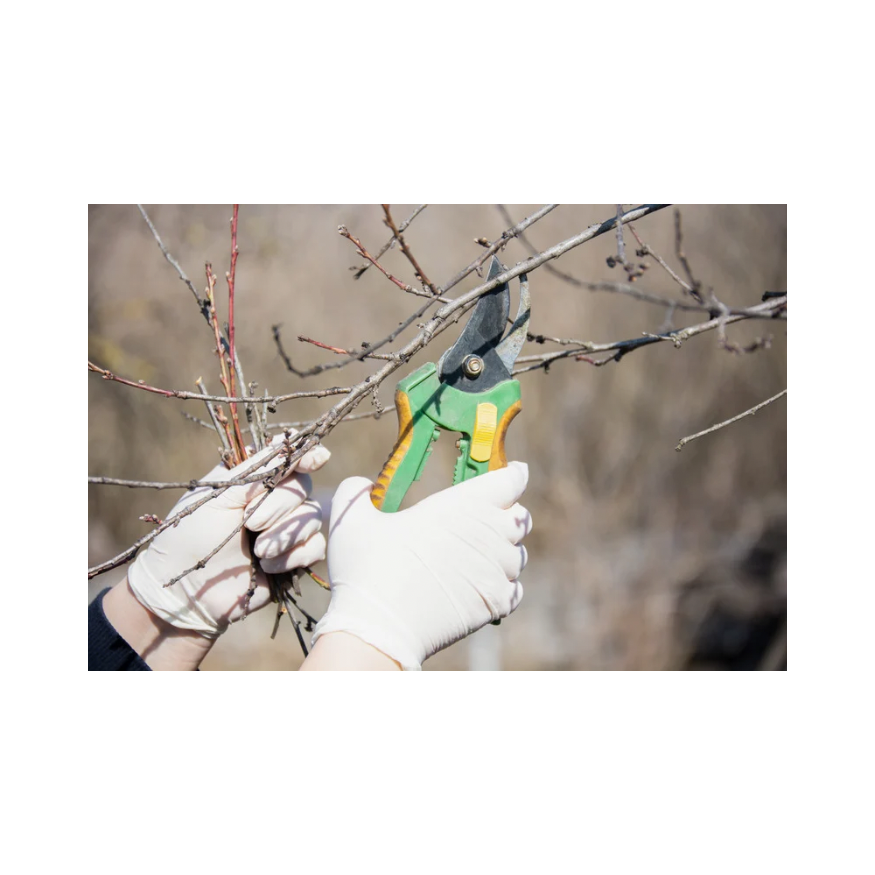
- Sharp bypass pruners for small branches.
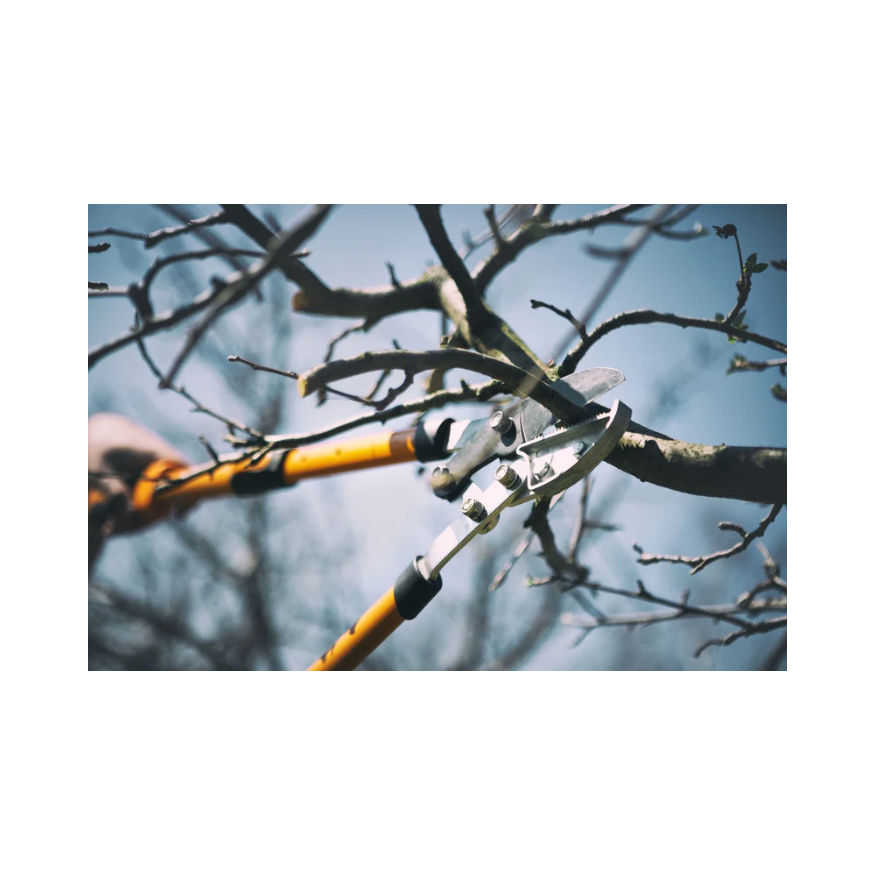
- Loppers for thicker stems.
- Pruning saw or chainsaw for larger cuts.
- Muscle & Joint Salve for post-pruning hands!
- Sharp bypass pruners for small branches.
- Pruning Technique
- Remove dead/damaged wood first—cut to healthy tissue.
- Thin interior for airflow (reduces disease).
- Shape lightly—cut just above outward-facing bud.
- Never remove more than 1/3 of green growth.
- Remove dead/damaged wood first—cut to healthy tissue.
- Cleanup
- Rake clippings for compost or animal bedding.
- Disinfect tools with vinegar spray.
- Rake clippings for compost or animal bedding.
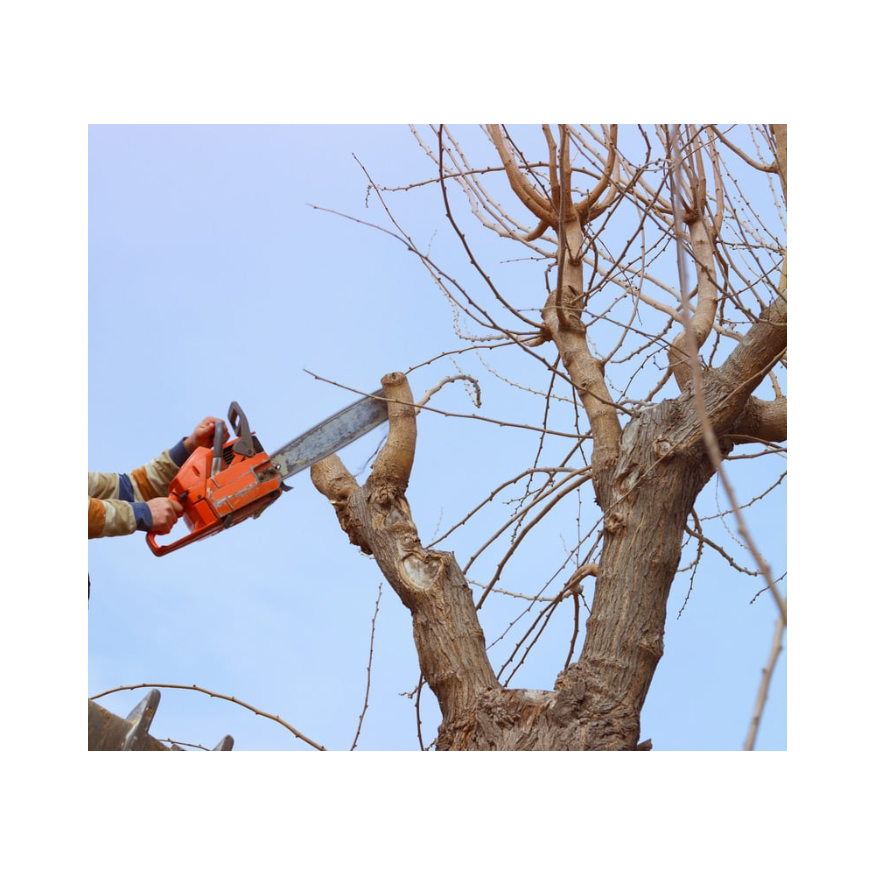
Table: Common Evergreen Pruning Dos & Don’ts
| Do | Don’t |
| Prune in late winter | Prune in fall (invites disease) |
| Cut to healthy wood | Leave stubs |
| Thin for airflow | Shear into formal “meatballs” |
| Use sharp tools | Top heavily (stunts growth) |
Natural Hand Care Routine After Pruning
Pruning leaves hands dry and sore—here’s our routine:
- Rinse with cool water to remove sap.
- Gently scrub with mild soap.
- Apply Muscle & Joint Salve liberally—massage in for relief.
- Wear gloves next time for prevention!
Farm Notes
- Our arborvitae screens protect the horse pastures from wind.
- Clippings make great natural bedding for chickens/ducks or rabbit hutches.
- Pruning now means stronger growth when YAH brings spring.
Wrapping Up
Winter evergreen pruning is a peaceful, productive task that shapes the farm for the year ahead. Pair it with good hand care, and it’s rewarding work!
Stay inspired,
Kara
Lange Girl Farms
A few of the items we mention link to things we actually use around the farm. Buying through those links sends a little support our way at no extra cost to you — thank you for helping keep Lange Girl Farms going!
Shop our farm-made goods → https://langegirlfarms.com/shop
Let’s stay connected!
Instagram • Pinterest • Facebook • X (Twitter)
© Lange Girl Farms – All Rights Reserved