Hey Y’all, it’s Kara from Lange Girl Farms here in Southeast Michigan.
I’ve been out early these mornings, walking the same paths I’ve walked for years, and noticing how small, consistent choices add up. The tree windbreaks we planted years ago don’t just block wind — they create distance and shielding. Morning sunlight on the horses and garden sets a rhythm for the whole day. Turning off WiFi at night and hardwiring what we can reduces the constant hum of artificial signals. These aren’t dramatic changes, but they help us stay more aligned with natural frequencies and more independent from the grid and smart systems that keep expanding.
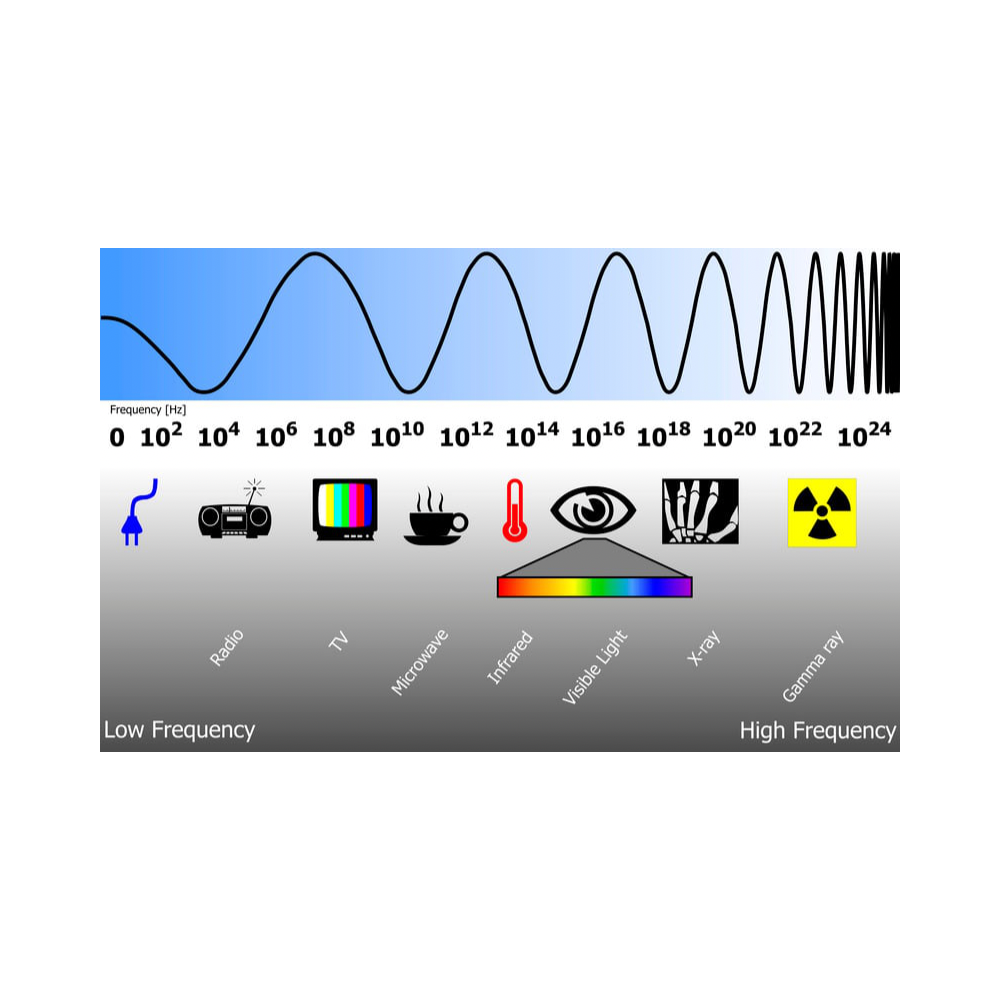
In previous parts we covered the science: light as information, frequencies and Schumann resonance, mitochondrial stress from multiple angles, the brain’s neurobiology, and ecosystem connections. Today we focus on what we can actually do on our own land — practical, actionable strategies that protect mitochondria, support brain health, and preserve the independence so many of us homesteaders value.
Distance and Natural Buffering
Distance is one of the most effective and evidence-based tools. Research on bees showed strong effects at 10–25 meters from power lines and still measurable impacts at 210+ meters. The same principle applies to plants, livestock, and our own homes.
• Expand or maintain tree windbreaks, hedgerows, and wooded borders around homes, barns, pastures, gardens, and beehives. These provide physical and electromagnetic shielding while supporting habitat and natural light cycles.
• Use the land’s natural features — woods, hills, buildings — to create separation from power lines, cell towers, and smart infrastructure.
On our place, these buffers have become non-negotiable. They protect forage quality, animal behavior, and our own daily rhythms.
Natural Light and Circadian Alignment
Dr. Jack Kruse’s work emphasizes that light is information. Morning sunlight (UV + red/infrared) sets the master clock, supports mitochondrial function, and regulates dopamine, melatonin, and leptin.
Practical steps:
• Get outside for morning sunlight as often as possible — for people, animals, and even the garden.
• Use warmer, full-spectrum or incandescent lighting indoors, especially in the evenings. Reduce blue-heavy LEDs after sunset.
• Create outdoor spaces where animals and family can spend time in natural light cycles.
These choices support brain health, energy levels, and hormone balance without needing fancy equipment.
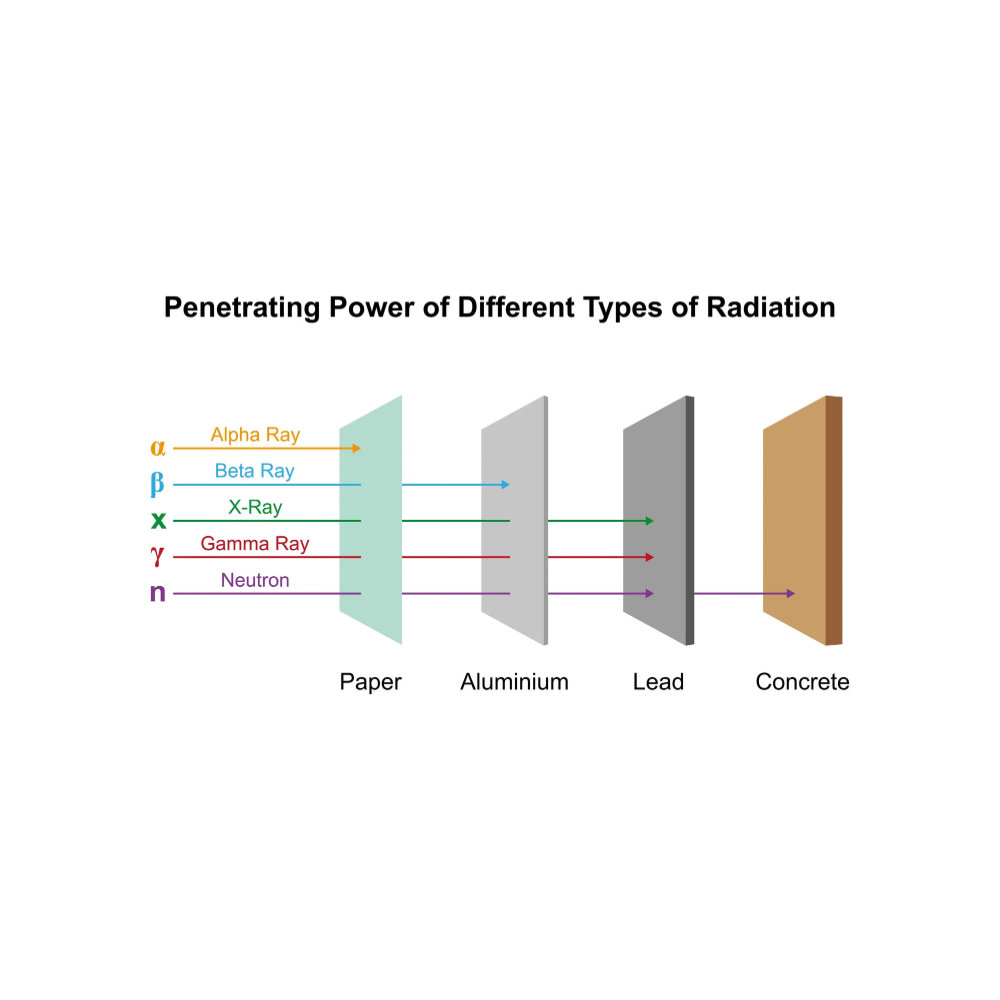
Reducing nnEMF and Smart Tech Dependence
1. Hardwire Where Practical
Run Ethernet cables for computers, cameras, and farm office setups. This cuts WiFi reliance significantly and reduces data collection.
2. WiFi and Router Management
Turn off WiFi at night or use timers. Keep routers away from sleeping areas, animal housing, and growing zones.
3. Smart Devices and Appliances
Minimize or replace smart meters, smart appliances, and IoT gadgets. Request analog replacements when possible. Keep phones on airplane mode or away from the body, especially around children and animals.
4. Barn and Pasture Protections
Avoid smart devices near waterers, feeders, or barns. Provide animals access to buffered, natural-light areas.
These steps reduce both exposure and the constant flow of behavioral and usage data to companies — preserving real ownership and independence.
Off-Grid and Resilience Strategies
True independence means less reliance on the centralized grid:
• Solar with battery storage, propane backups, and wood systems (where allowed) for energy resilience.
• Rainwater collection, wells, and gravity systems to avoid smart water meters.
• Landline or carefully managed satellite options instead of constant wireless.
• Preserve and use propane and wood where practical — they provide backup during outages and reduce grid ties.
These choices align with natural frequencies by reducing artificial pulsed signals and support the regenerative loop we’re building.
Observation and Community Learning
Pay attention to your own land:
• Bee activity and foraging patterns.
• Pasture vigor and nutritional quality.
• Animal behavior, body condition, and health markers.
• Your own energy, sleep, focus, and mood.
Keep simple notes. Share observations with other homesteaders. This builds real-world knowledge where formal research has gaps.
The push toward total grid and smart dependence doesn’t have to define our homesteads. Practical steps — buffering with trees, prioritizing natural light, hardwiring, and preserving off-grid options — help us protect mitochondria, brain health, and the systems we love while keeping control of our data and decisions.
I’d love to hear from all of you. What mitigation steps are you already using — tree buffers, hardwiring, natural light routines, or off-grid systems? Have you seen improvements in energy, animal health, or pasture quality? What challenges are you facing? Drop your thoughts and experiences below — I really do read every single comment. Let’s keep learning together and protecting the regenerative life we’re building.
With love and dirt under my nails,
Kara