Hey farm gals, it’s Kara from Lange Girl Farms!
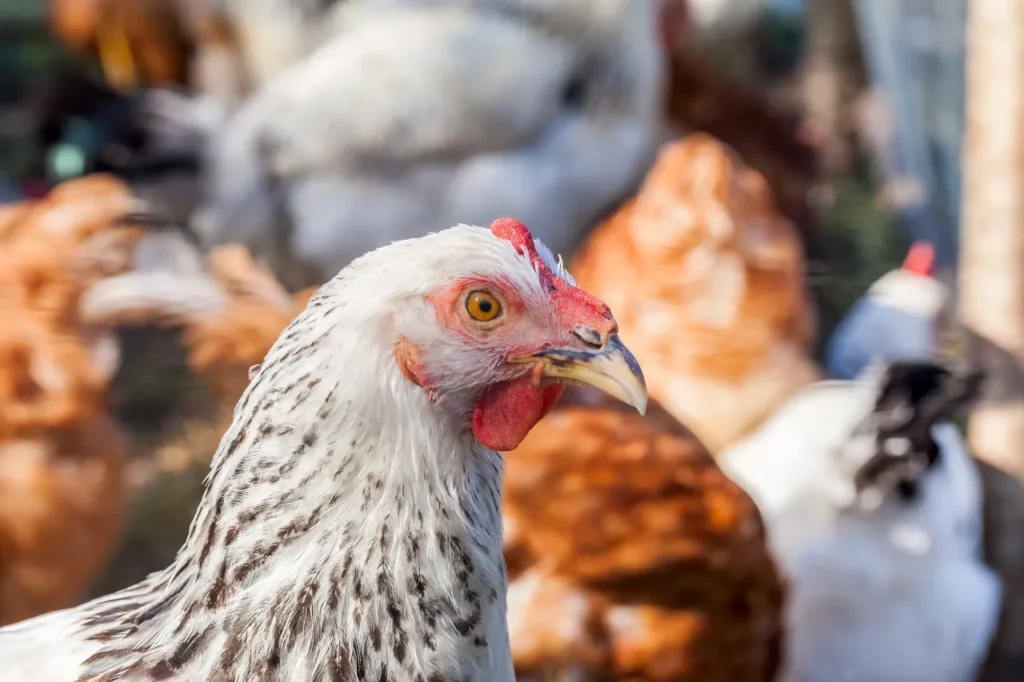
The alpacas were out early today, methodically exploring the brushy borders of the pasture, while the big horses grazed with their steady, unhurried rhythm. I took time to hand-weed around the herbs and torch a few young weeds along the fence before they could get established. The Siberian huskies had their own space to run, the llamas kept their quiet lookout, and the chickens and ducks were happily occupied in their secure run. These simple mornings without chemicals feel right — the land stays alive, the animals stay strong, and we have real peace of mind.
In Part 1 we looked at the wake-up call on novaluron’s detection in conventional strawberries (including Driscoll’s) and its use on many other crops. Now in Part 2 we’re going full nerd on what novaluron actually is, how it works as an insect growth regulator, why it’s so commonly applied to strawberries and other high-value fruits, and how it fits into the broader picture of the chemicals we’ve covered. This is the foundation so you understand exactly why we refuse it entirely on our regenerative homestead.
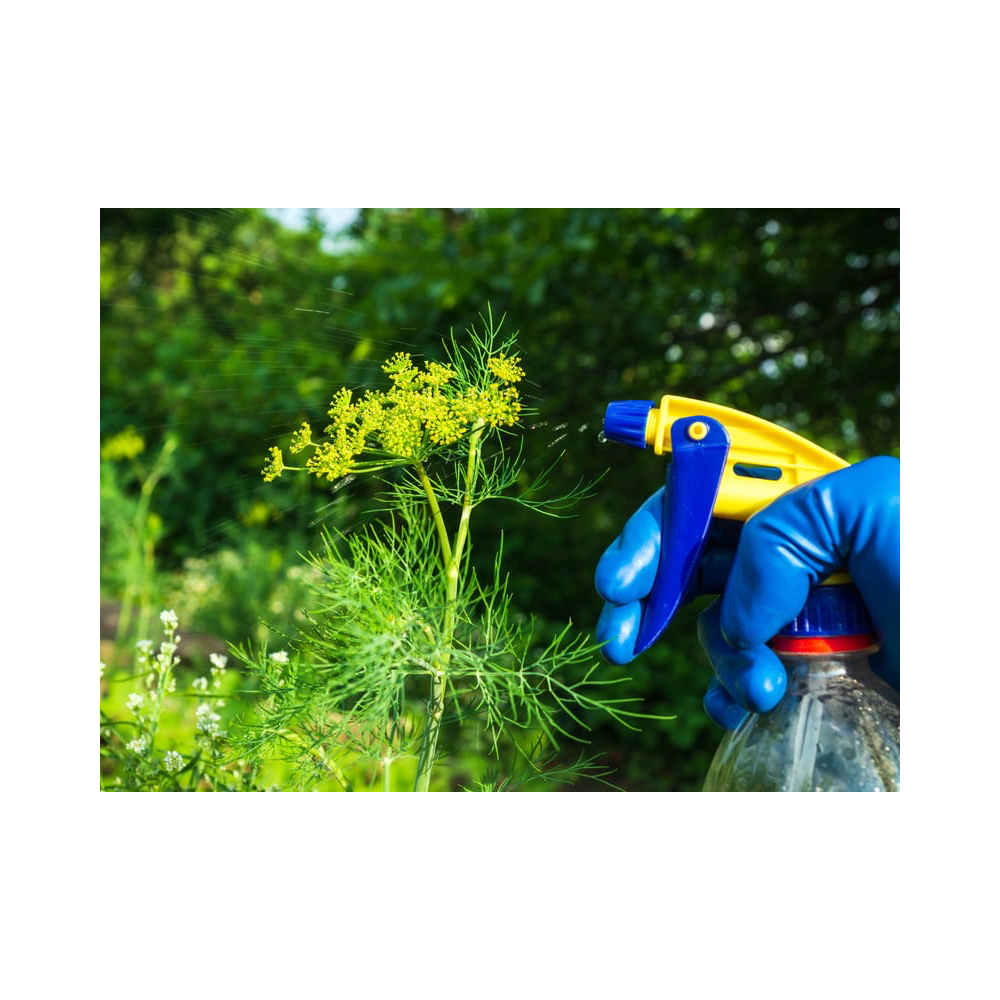
What Is Novaluron?
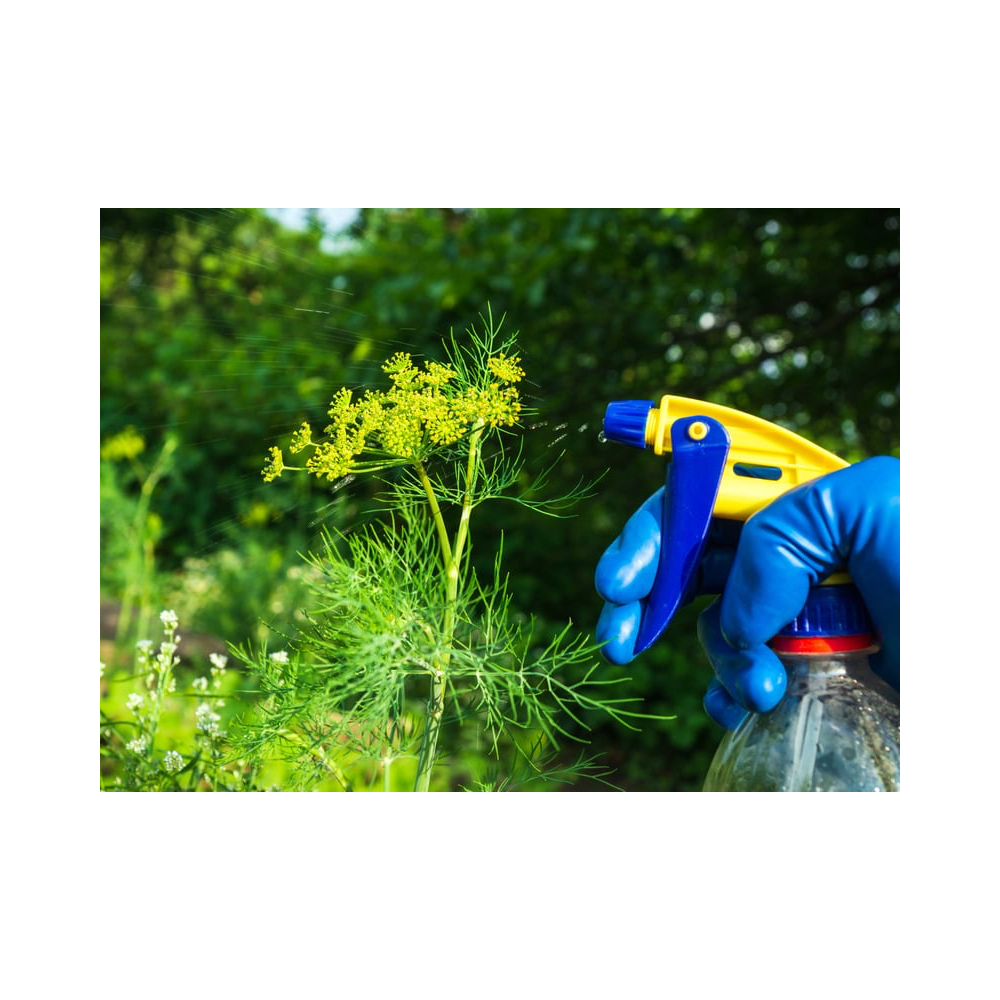
Novaluron is a benzoylurea insect growth regulator (IGR). It is marketed under brand names like Rimon and is used to control immature stages of many pests. It is applied as a foliar spray or in some cases as a seed treatment on a wide range of crops, including strawberries, other berries, tree fruits, vegetables, and field crops.
It is valued for its ability to disrupt the molting process in insects, making it effective against larvae and nymphs of aphids, whiteflies, leafminers, and other pests that damage berries.
How It Works: Inhibiting Chitin Synthesis
Novaluron targets the formation of chitin, the key component of insect exoskeletons:
1. Normal molting: Insects must shed their old exoskeleton and form a new one during growth. Chitin synthesis is essential for building the new cuticle.
2. Inhibition: Novaluron interferes with the enzyme chitin synthase, preventing proper chitin production.
3. Disrupted development: When insects try to molt, the new exoskeleton is weak or malformed. They become trapped, dehydrated, or unable to feed properly, leading to death.
4. Stage-specific action: It is most effective on immature stages (larvae and nymphs) and has little direct effect on adult insects, but by reducing the next generation it provides longer-term control.
Because it is relatively stable on plant surfaces, it can provide residual protection for weeks, which is useful for crops with extended harvest periods like strawberries.
How Novaluron Compares to the Other Chemicals We’ve Covered
• Glyphosate: Systemic herbicide targeting plant amino acid synthesis.
• Paraquat: Contact herbicide causing explosive ROS production.
• Atrazine: Photosynthesis inhibitor, persistent in water.
• 2,4-D / Dicamba: Synthetic auxins causing uncontrolled plant growth.
• Neonicotinoids: Systemic nervous system toxins used as seed treatments.
• Organophosphates: Nerve agents inhibiting acetylcholinesterase.
• Fludioxonil / Fluxapyroxad: Fungicides targeting fungal pathways.
• Novaluron: Benzoylurea insect growth regulator disrupting chitin synthesis in immature insects.
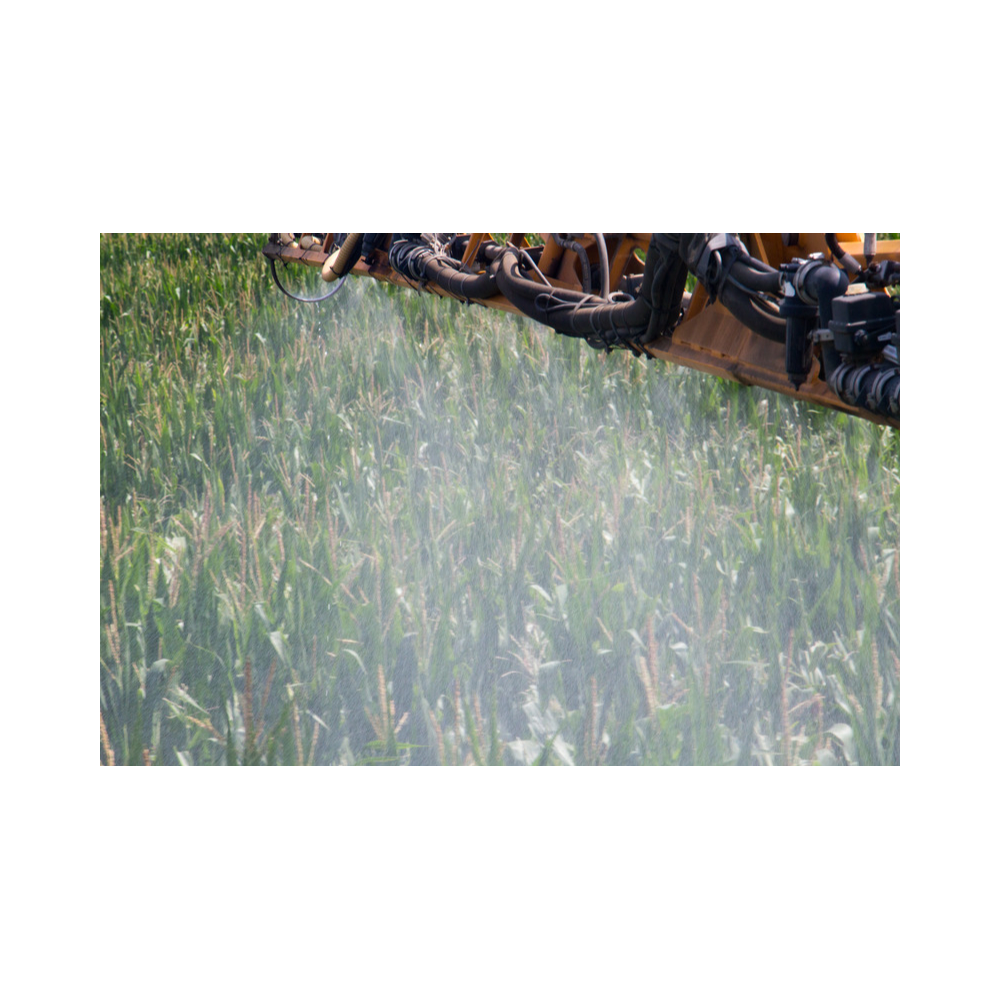
The big similarity with neonics is the systemic or residual nature and use on conventional high-value crops like strawberries, leading to residues in food. The difference is its specific targeting of the molting process in immature stages.
Why “Convenient” Insect Growth Regulators Don’t Fit Regenerative Homesteads
Big ag relies on novaluron to protect strawberries and other berries from pests during long-distance shipping and storage. On our homestead we refuse it entirely. We grow our own berries when possible, source from trusted local regenerative farms, or preserve what we harvest. We hand-weed, torch weeds, plant cover crops, and support beneficial insects because those methods build true balance instead of relying on insect growth regulators that can leave residues and disrupt natural pest control.
Our alpacas and big horses graze clean pasture we’ve built without these chemicals. Our huskies, llamas, chickens, and ducks live without the added burden. The pattern is the same across every series: a chemical is introduced for convenience, problems emerge, and regenerative farms are left protecting their clean systems and choosing carefully what they buy or grow themselves.
Series Roadmap – What’s Coming Next
Part 3: The devastating toll on humans (cancer and developmental links), livestock, wildlife, and waterways.
Part 4: On our plates – residues in strawberries, berries, and other foods, plus the cumulative load.
Part 5: Follow the money – manufacturers, the Driscoll’s licensing model, and regulatory status.
Part 6: The roots – discovery and development as an insect growth regulator.
Part 7: Reclaiming our land – our exact holistic methods (hand-weeding, torch burning, mulch, cover crops, livestock grazing with our alpacas and big horses), Michigan-specific tips, and how we grow or source clean berries without these insecticides.
Pin this post and the series. Drop a comment: Have you stopped buying conventional strawberries or berries after seeing reports like this? Are you growing your own or sourcing from trusted farms? I read every comment.
If you want to support a farm refusing these chemicals entirely, swing by the shop for our wildcrafted salves (great after hand-weeding or torch work), herbal teas grown right here without sprays, or non-GMO seeds for your own regenerative garden. Every purchase helps us keep protecting our land and animals.
We can protect our kids, our animals, and our future—one holistic choice at a time.
See you in Part 3, farm gals!
With love from the pasture,
Kara
Lange Girl Farms