Hey farm gals, it’s Kara from Lange Girl Farms!
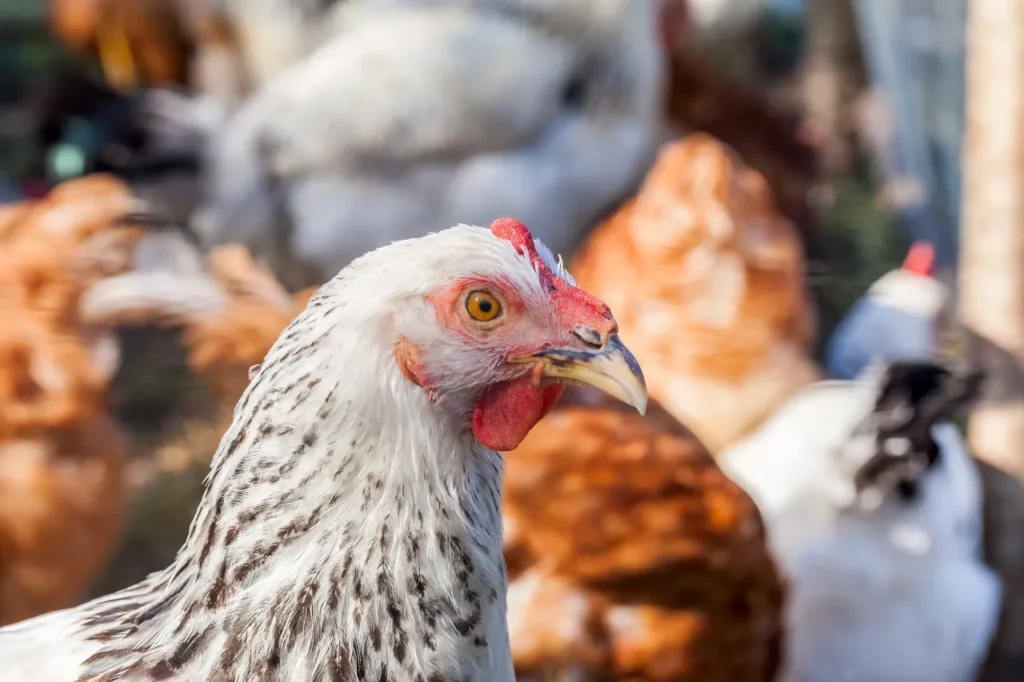
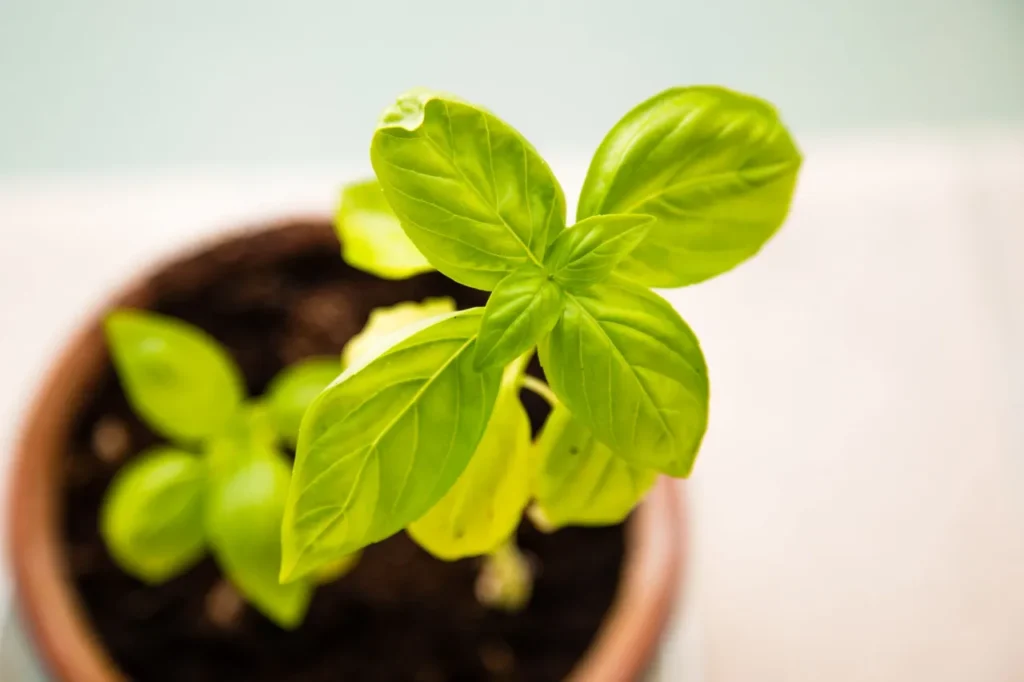
The alpacas were exploring the fenceline this morning with their usual quiet curiosity, while the big horses grazed with their steady, calm presence. I took time to hand-weed around the herbs and torch a few young weeds before they could spread. The Siberian huskies had their own space to run, the llamas kept their lookout, and the chickens and ducks were happily occupied in their secure run. These simple mornings without chemicals feel right — the land stays alive, the animals stay strong, and we have real peace of mind.
In Part 3 we covered the health and ecosystem toll of novaluron. Now in Part 4 we’re looking at what ends up on our plates: how this insect growth regulator makes its way into conventional strawberries (including Driscoll’s), other berries, and many additional foods. Even though it targets immature insects, its use on high-value crops contributes to the cumulative pesticide load we’ve seen across all these series.
How Novaluron Ends Up in Food
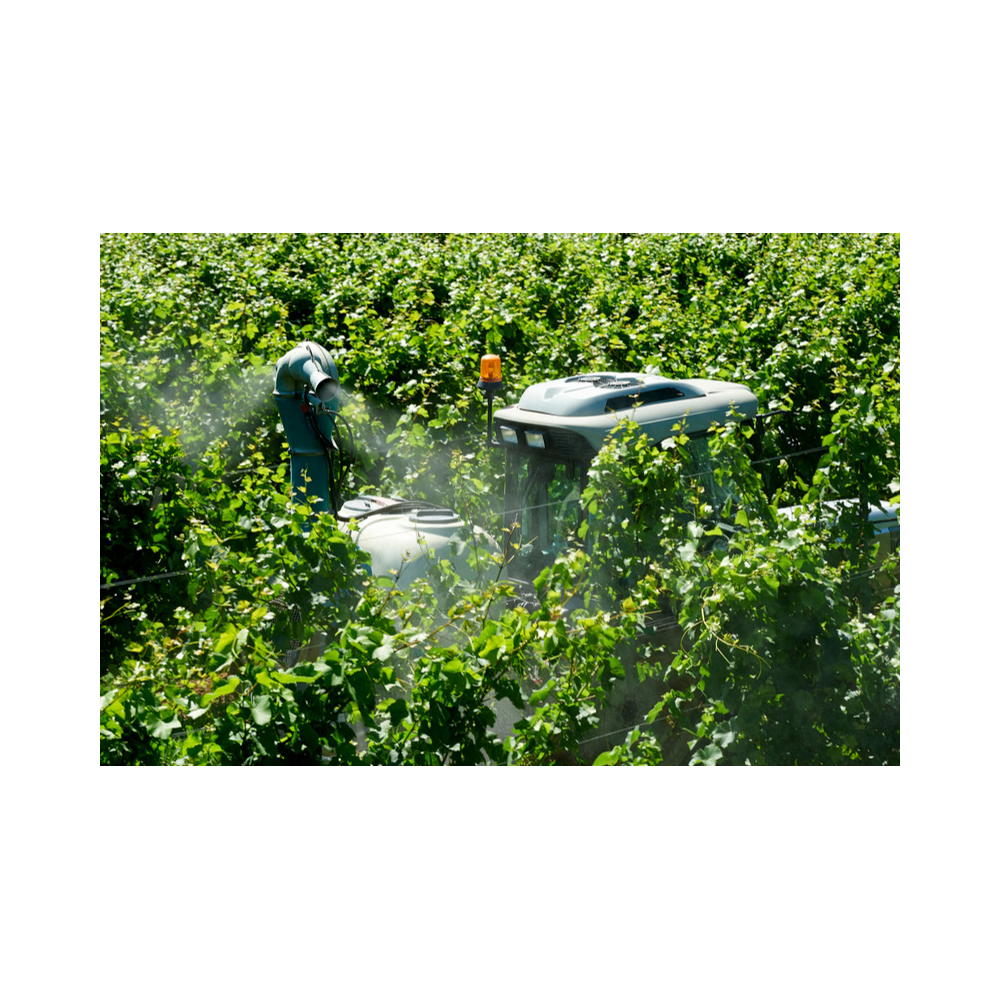
Novaluron is applied as a foliar spray or in some cases as a seed treatment. It is especially common on:
• Strawberries (including Driscoll’s conventional varieties) to control immature stages of aphids, whiteflies, and leafminers.
• Blueberries, raspberries, blackberries, and grapes.
• Tree fruits, vegetables, and field crops.
Because it disrupts chitin synthesis, it is most effective on larvae and nymphs, but residues can remain on the plant surface or be taken up systemically to some degree. Conventional strawberry production often involves multiple applications per season, increasing the chance of detectable levels at harvest. Drift and runoff can also contaminate nearby non-target crops.
Residue Data and Testing Insights
Independent lab testing has found novaluron in conventional strawberries alongside other insecticides and fungicides. USDA Pesticide Data Program testing has also detected it in:
• Strawberries and other berries at varying levels, often higher in conventional than organic samples.
• Grapes, apples, peaches, cherries, and vegetables.
• Processed products containing berry or fruit derivatives (jams, juices, yogurts, baby foods, cereals).
While many detections fall below EPA tolerances, health advocates note that these limits do not fully address cumulative exposure or potential low-dose developmental effects when combined with the other pesticides commonly used in berry production. Strawberries are particularly concerning because they are eaten whole (often unpeeled) and are a favorite of children.
The Multiplier Effect in Everyday Meals
This is where daily exposure builds quickly:
• Breakfast: Yogurt with strawberries or a smoothie containing berry puree.
• Snacks: Dried berries, fruit bars, or cereal with berry flavoring.
• Desserts or sides: Jams, juices, or baked goods made with conventional strawberries or mixed berries.
A single “normal” day of conventional eating can stack novaluron with the other toxins we’ve covered in previous series. For growing children and families eating berries regularly (often marketed as “healthy”), the cumulative load from multiple insecticides and fungicides is a real concern. Even washed or frozen berries can carry residues because novaluron adheres well to surfaces.
Organic strawberries consistently test with far lower or non-detectable levels of these synthetic insecticides, which is why many homesteaders prioritize organic or home-grown berries when possible.
Why This Matters on Our Homestead
While our alpacas and big horses graze clean pasture, and our huskies, llamas, chickens, and ducks eat from our own systems, most conventional supermarket berries carry traces from these applications. The developmental and reproductive risks we covered in Part 3 hit hardest through repeated dietary exposure, especially in children who love strawberries. That’s exactly why we grow our own berries when we can, source from trusted local regenerative farms, or preserve what we harvest — and why hand-weeding and torching weeds feels worth every minute.
We see the difference every day: vibrant eggs from the chickens, healthy growth in the ducks, and strong bodies in the herd. Our animals thrive on forage and feed we know is free of these insecticides.
Series Roadmap – What’s Coming Next
Part 5: Follow the money – manufacturers, the Driscoll’s licensing model, and regulatory status.
Part 6: The roots – discovery and development as an insect growth regulator.
Part 7: Reclaiming our land – our exact holistic methods (hand-weeding, torch burning, mulch, cover crops, livestock grazing with our alpacas and big horses), Michigan-specific tips, and how we grow or source clean berries without these insecticides.
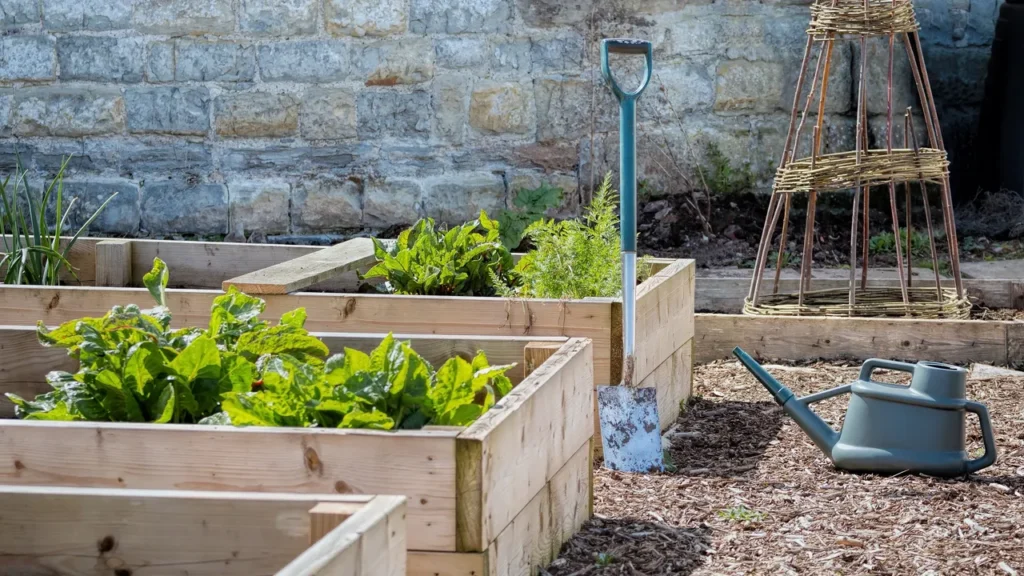
This information is heavy, but it empowers us to make better choices. You don’t have to accept insecticide residues in your family’s berries. Start small: grow a few strawberry plants in containers or raised beds, source from local organic farms, or switch to frozen organic when fresh conventional isn’t an option.
Pin/save the series and comment below: What grocery or berry swaps have you made after seeing these reports? Have you noticed changes in health or energy after reducing conventional berries? I read every comment and cheer for every homestead gal taking steps.
If you want to support a farm doing it the clean way, swing by the shop for our wildcrafted salves (soothing for hands after weeding or torch work), herbal teas grown right here without sprays, or non-GMO seeds to start your own regenerative patch. Every purchase helps us keep protecting our land and animals.
We can reclaim our plates and our health—one thoughtful, holistic choice at a time.
See you in Part 5, farm gals!
With love from the pasture,
Kara
Lange Girl Farms