Hey farm gals, it’s Kara from Lange Girl Farms!
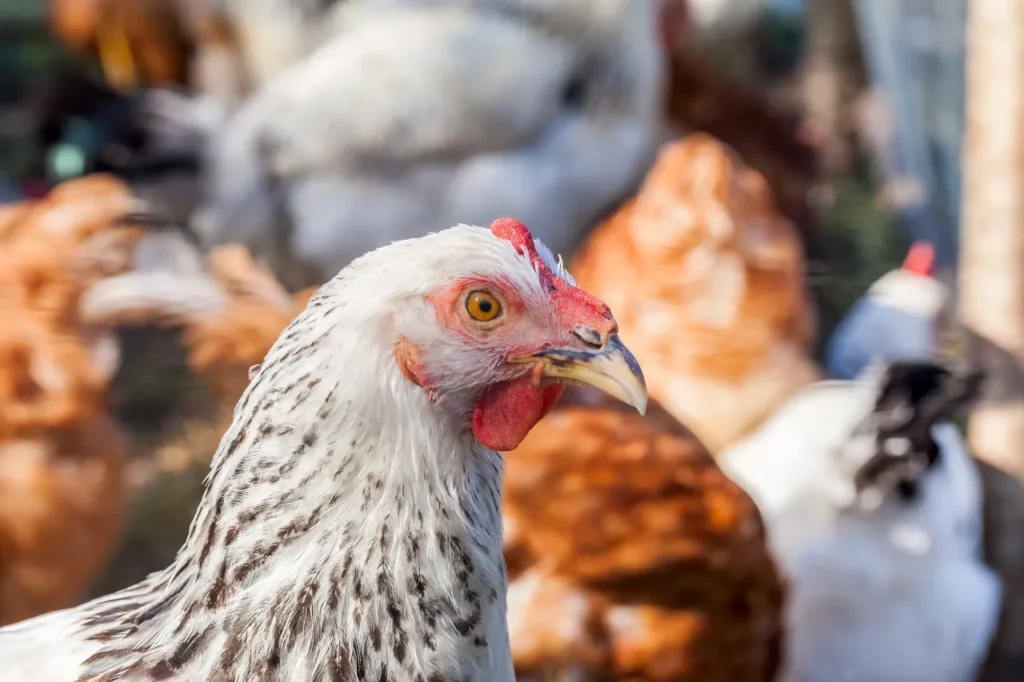
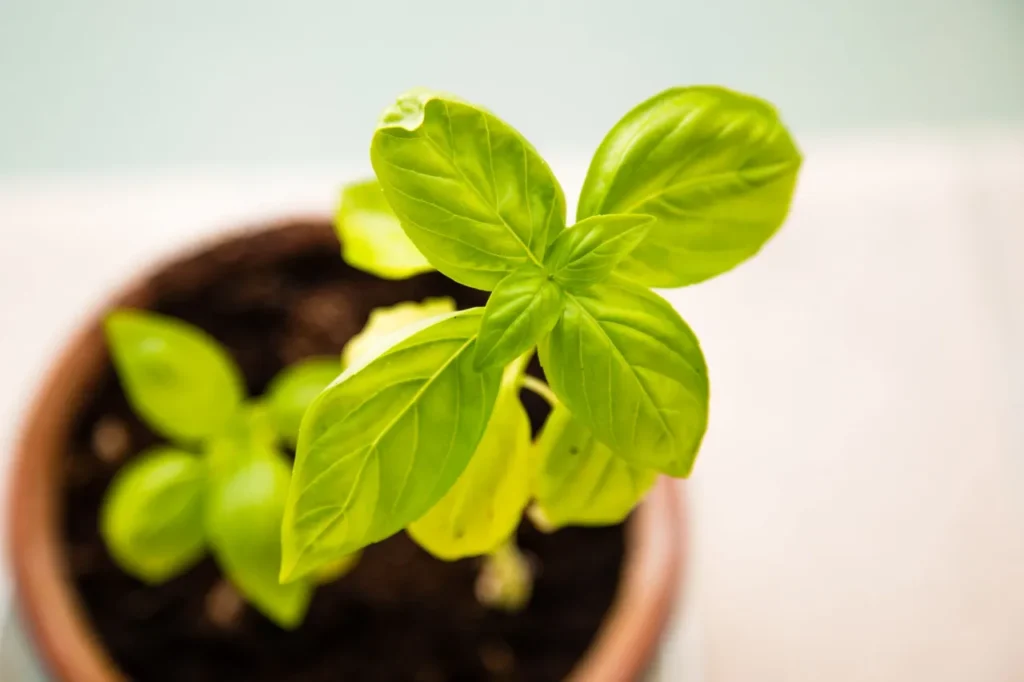
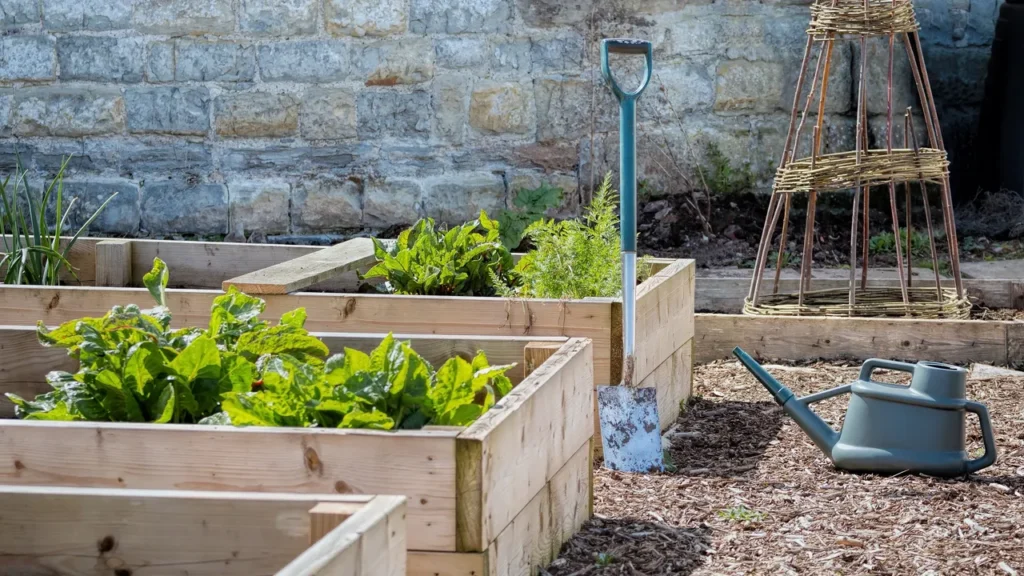
The alpacas were exploring the fenceline this morning with their usual quiet focus, while the big horses grazed with their steady, unhurried rhythm. I took time to hand-weed a few stubborn spots near the herbs and torch some young weeds before they could spread. The Siberian huskies had their own space to run, the llamas kept their lookout, and the chickens and ducks were happily occupied in their secure run. These simple mornings without chemicals feel right — the land stays alive, the animals stay strong, and we have real peace of mind.
In Part 5 we followed the money and the Driscoll’s licensing model. Now in Part 6 we go back to the beginning: how novaluron was discovered, developed into a commercial insect growth regulator, and became a tool for strawberry and berry production. This history shows the same pattern we’ve seen across every series — a chemical is introduced for convenience and pest control, adoption spreads, and regenerative farms are left protecting their clean systems from the fallout.
Discovery: From Research to Commercial IGR
Novaluron belongs to the benzoylurea class of insect growth regulators. It was developed in the 1990s by companies researching new ways to control pests by disrupting their development rather than killing them outright with neurotoxins.
• Researchers identified the molecule’s ability to inhibit chitin synthesis, the key process insects use to form their exoskeletons during molting.
• Extensive lab and field testing showed it was highly effective against immature stages (larvae and nymphs) of many agricultural pests, including aphids, whiteflies, and leafminers.
• It was commercialized in the early 2000s under brand names like Rimon and quickly positioned as a targeted tool for integrated pest management on high-value crops.
Its stage-specific action made it attractive because it has less immediate impact on adult beneficial insects compared to broad-spectrum nerve toxins.
Development and Adoption on Strawberries and Berries
Novaluron’s key selling points were:
• Strong activity against immature pest stages that damage berries and reduce yields.
• Relatively low impact on adult pollinators when used carefully.
• Usefulness in rotation programs to manage resistance to other insecticides.
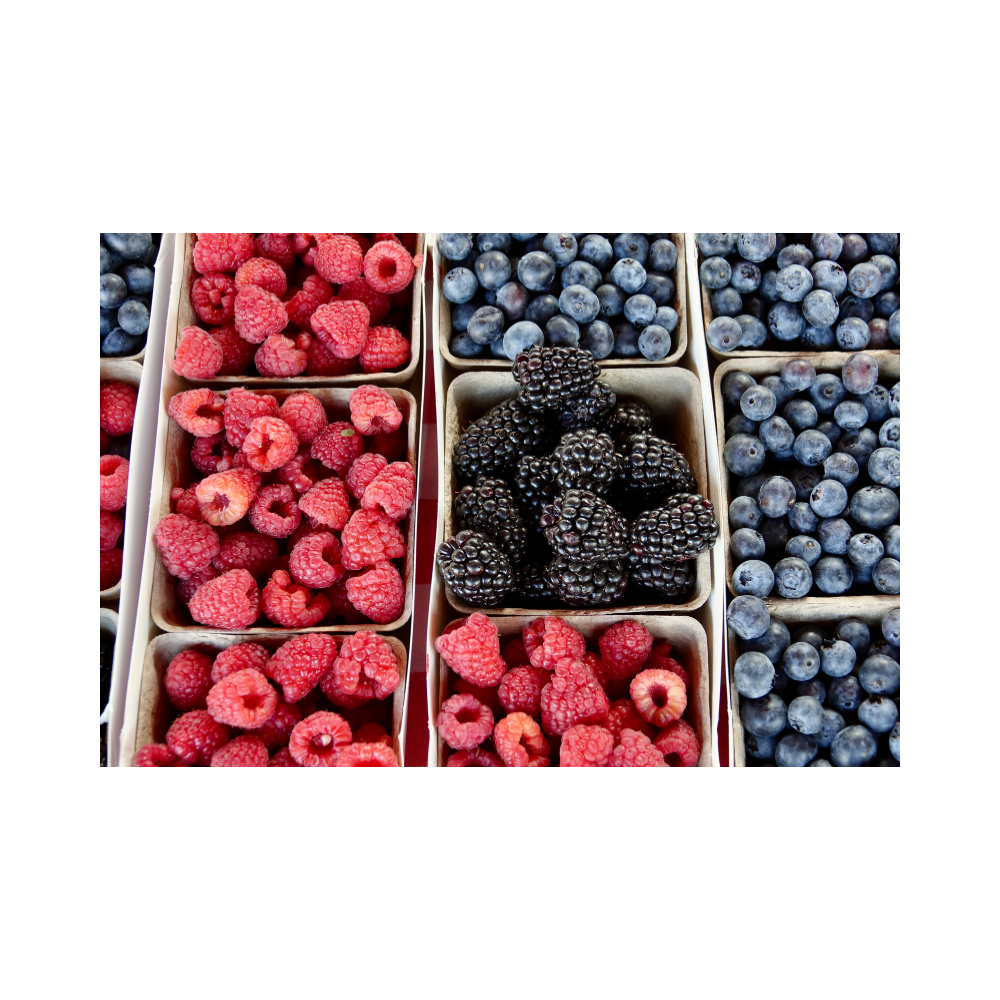
Strawberry growers adopted it because berries are delicate, have long harvest periods, and are highly susceptible to pests like aphids and whiteflies that can distort fruit or transmit viruses. It became part of standard conventional spray programs, often applied multiple times per season. As global berry demand grew, so did novaluron use — especially on large-scale operations supplying major brands.
Like many IGRs, its single-site mode of action means pests can develop resistance relatively quickly with repeated use — a problem now seen in some berry-growing regions.
Why This History Matters on Our Homestead
The story of novaluron — from research into developmental disruption to widespread use on conventional berries — shows how “modern” solutions for pest control often come with trade-offs. We refuse it entirely. We grow our own berries when possible, source from trusted local regenerative farms, or preserve what we harvest. We hand-weed, torch weeds, plant cover crops, and support beneficial insects because those methods build true balance instead of relying on insect growth regulators that can leave residues and disrupt natural pest control.
Our alpacas and big horses graze clean pasture we’ve built without these chemicals. Our huskies, llamas, chickens, and ducks live without the added burden. The pattern is the same across every series: a chemical is introduced for convenience, resistance or new problems develop, and regenerative farms are left protecting their clean systems and choosing carefully what they buy or grow themselves.
Series Roadmap – What’s Coming Next (The Final Part!)
Part 7: Reclaiming our land – our exact holistic methods (hand-weeding, torch burning, mulch, cover crops, livestock grazing with our alpacas and big horses), Michigan-specific tips, and how we grow or source clean berries without these insecticides.
This deep history isn’t just background — it explains why so many of us have walked away from conventional berry production entirely. We can learn from the past and build something better.
Pin/save the entire series and comment below: Did the developmental disruption mechanism or resistance concerns surprise you? How has this history shaped your choices on the homestead? I read every comment and appreciate your stories.
If you want to support a small regenerative farm that refuses these chemicals, check our shop for wildcrafted salves (perfect for hands after torching or weeding), herbal teas grown right here without sprays, or non-GMO seeds to start your own clean garden. Every purchase helps us keep protecting what matters.
We don’t have to carry forward this cycle. We can choose healthier soil, healthier animals, and healthier families—one deliberate, natural step at a time.
See you in the final Part 7, farm gals!
With love from the pasture,
Kara
Lange Girl Farms