Published: March 18, 2026
Howdy from the Herb Bed, Farm Mamas
It’s mid-March, the ground is softening, and the first green shoots are pushing through — time to think about hardy herbs that return year after year.
After more than a decade of country living and sustainable farming on our 33-acre Michigan homestead, peppermint has earned a permanent spot in the garden. First, it grows vigorously even in tough conditions. Next, it offers cooling relief and digestive support. Finally, it attracts beneficial insects while repelling pests.
Today I’m sharing the full guide to peppermint — growing tips, uses, and how it fits into a sustainable homestead.
Let’s plant some mint — grab your trowel and let’s get started.
Peppermint at a Glance
Scientific Name: Mentha piperita
Common Names: Peppermint, Mentha
Family: Lamiaceae
Type: Perennial herb
USDA Zones: 3–8 (perfect for Michigan)
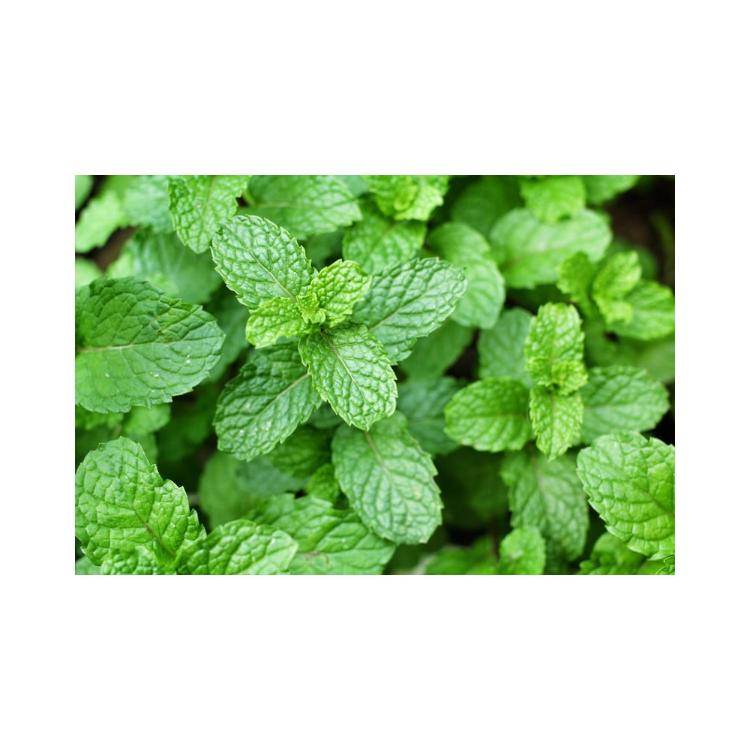
Why It’s Perfect for Early Spring on the Homestead
- Fast Spreader: Quickly fills beds or containers
- Medicinal & Culinary: Soothes stomach and adds fresh flavor
- Pest Control: Repels ants, aphids, and mosquitoes
- Pollinator Magnet: Bees and butterflies love the flowers
History & Farm Story
Peppermint is a natural hybrid of watermint and spearmint, used for centuries in teas, remedies, and cooking. Ancient Egyptians and Greeks valued it for digestion and freshness.
On our farm, we grow peppermint along the garden edge and in pots near the back door. It comes back stronger each spring, giving us endless fresh leaves for tea and salve. The scent alone lifts the mood after long winter days.
Where It’s Grown Today
- Commercial: United States, Europe, Asia
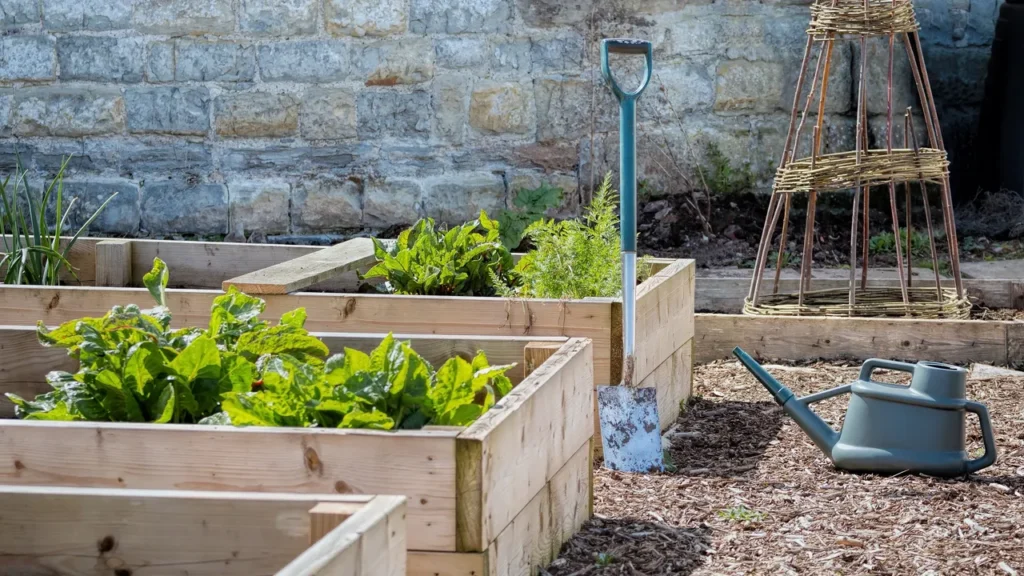
- Home/Farm: Raised beds, containers, or borders
- Best Conditions: Full sun to partial shade, moist well-drained soil
- Mature Size: 12–36 inches tall, spreads widely
Plant Anatomy
| Part | Description | Farm Use |
| Leaves | Bright green, serrated, aromatic | Tea, salve, cooking |
| Stems | Square, upright | Propagation |
| Flowers | Small purple spikes in summer | Pollinator food |
| Roots | Rhizomes that spread | Natural ground cover |
Agricultural Production
- Propagation: Root divisions or cuttings in spring
- Spacing: 12–18 inches apart (or grow in containers to control spread)
- Harvest: Pinch leaves anytime; cut back before flowering for more growth
- Maintenance: Cut back hard in fall; divide every 2–3 years
Farm Hack: Grow in a large pot sunk into the ground to prevent it from taking over the garden.
Fun Facts
- Peppermint contains menthol, which gives the cooling sensation
- One of the strongest mint varieties for flavor and medicine
- Leaves can be dried for year-round tea
- Excellent companion for brassicas because it confuses cabbage moths
Holistic & Medicinal Uses
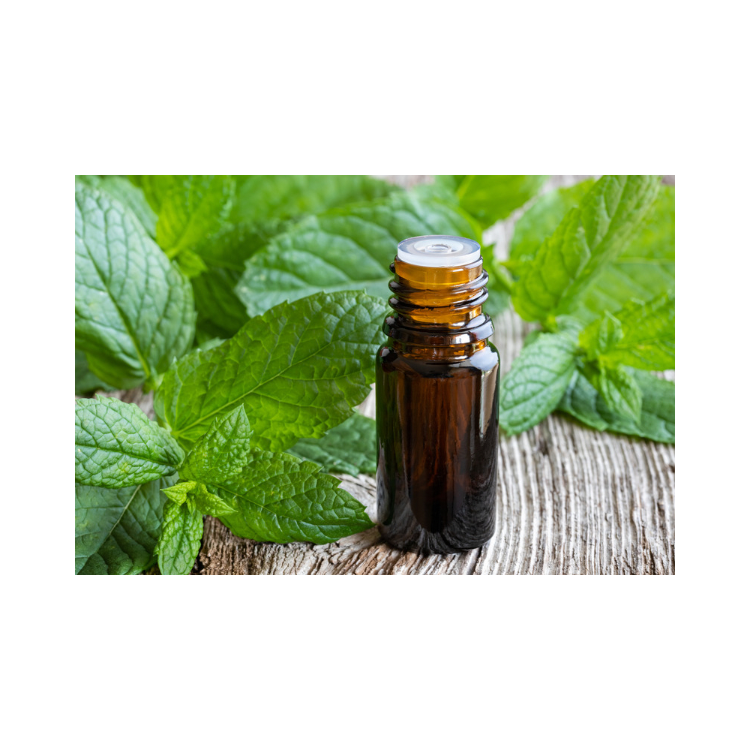
- Tea: Steep fresh or dried leaves for upset stomach, headaches, or relaxation
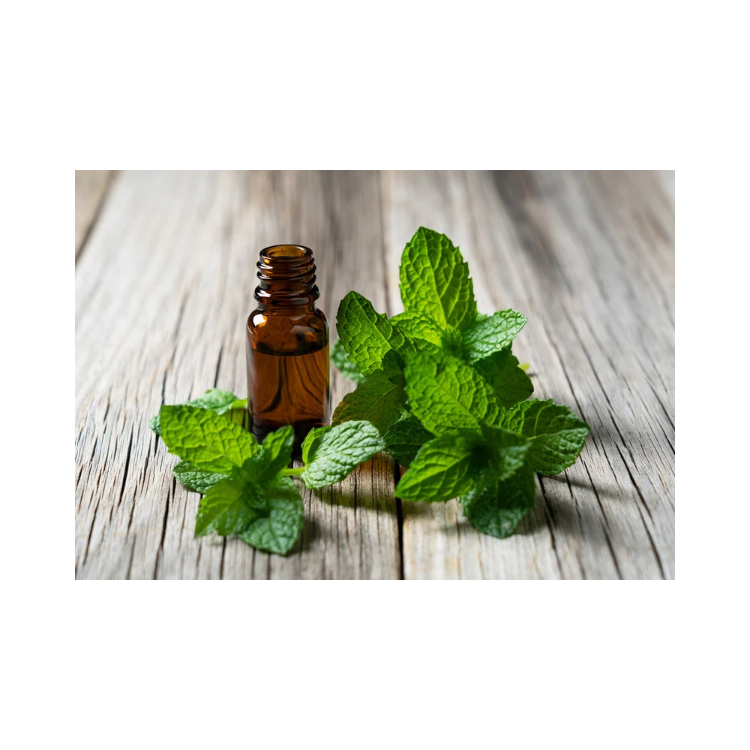
- Salve: Infuse in oil for cooling muscle rubs or bug bite relief
- Digestive Aid: Chew a leaf or add to water after meals
- Animal Use: Diluted tea can soothe minor digestive issues in livestock
Farm Tie-In
We add peppermint to homemade salves for sore hands after chores.
Culinary Uses
- Fresh: Chop into salads, yogurt, or lemonade
- Dried: Tea blends or seasoning for lamb and vegetables
- Infused: Make mint sugar or vinegar
Growing Tips (Step-by-Step Guide)
Materials
- Peppermint starts or cuttings
- Compost, mulch
Steps
- Choose Spot: First, pick a sunny or partially shaded area with moist soil.
- Plant: Next, dig a hole twice the root ball size and add compost.
- Water Well: Then, water deeply after planting.
- Mulch: Finally, add a layer of straw or leaves to retain moisture.
- Harvest Often: Pinch tops regularly to encourage bushy growth.
- Control Spread: Divide or pot up runners as needed.
Troubleshooting
- Yellow leaves? → Improve drainage or reduce water.
- Not spreading? → Add more compost and consistent moisture.
- Too aggressive? → Grow in containers.
Garden Friends (Companion Plants)
| Companion | Why It Works |
| Cabbage family | Repels cabbage moths |
| Tomatoes | Improves flavor and deters pests |
| Roses | Deters aphids |
Pests & Diseases
- Rust: Good airflow and remove affected leaves
- Aphids: Spray with neem or hose off
- Slugs: Hand pick or use beer traps
Varieties to Try
| Variety | Flavor Notes | Best For |
| Peppermint | Strong menthol | Tea & medicine |
| Chocolate Mint | Sweet hint | Desserts |
| Variegated | Ornamental | Containers |
Shop the Peppermint Pairing
- Laser-Engraved Slate Plant Markers
- Muscle & Joint Salve
- Bumps & Bruises Salve
Shop Now →
Parent Tips
- Let kids pinch leaves and smell the fresh scent — great sensory activity.
All printables are free images in the blog post. Generic version for your family to personalize and print.
A few of the items we mention link to things we actually use around the farm. Buying through those links sends a little support our way at no extra cost to you — thank you for helping keep Lange Girl Farms going!
Some links are affiliate links — I earn a small commission at no extra cost to you.
Shop our farm-made goods → https://langegirlfarms.com/shop
Let’s stay connected!
Instagram • Pinterest • Facebook • X (Twitter)
© Lange Girl Farms – All Rights Reserved