May 1, 2025|Cows, Homesteading, Livestock
A Happy Cow Means More Milk
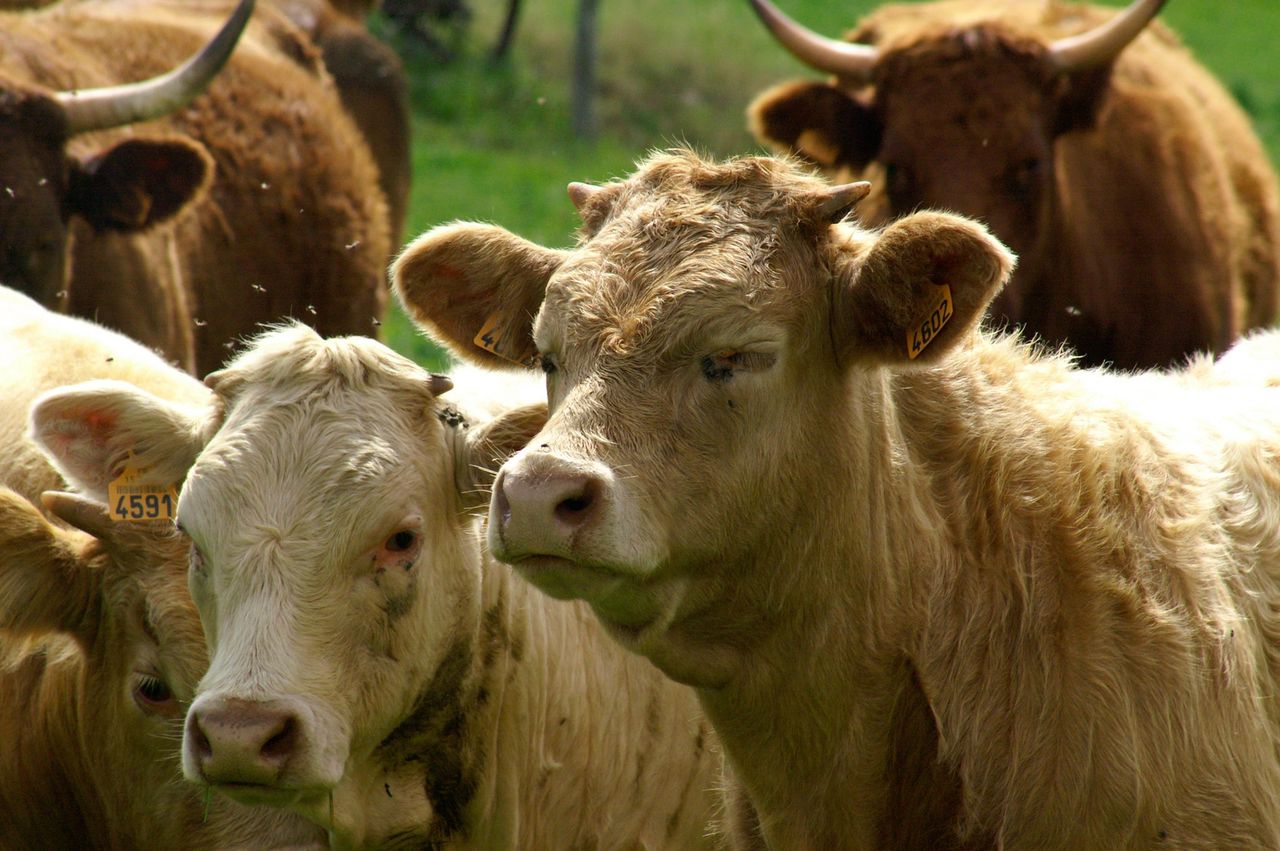
Your Jersey cow needs nutritious food, a cozy shelter, and secure fencing to thrive. Whether you’re farming in the Midwest prairies, New England woodlands, or Southwest deserts, these essentials are key to a productive dairy operation. This guide covers how to feed, house, and protect your cow, with tips for farmers nationwide.
Feeding Your Jersey Cow
Jerseys are efficient eaters, needing less feed than larger breeds:
• Pasture: 1–2 acres of grasses (e.g., fescue, orchardgrass) and legumes (clover, alfalfa) for spring–fall grazing. Seed costs $50–$100/acre.
• Hay: 20–30 pounds/day (3 tons/year, $50–$250/ton) for winter or dry seasons.
• Grain: 5–10 pounds/day of 16% protein dairy ration (1 ton/year, $250–$400).
• Minerals: 1–2 ounces/day of calcium, phosphorus, and selenium (4–6 blocks/year, $80–$150). Test soil for deficiencies (common in areas like the Southeast).
• Water: 10–20 gallons/day via a heated trough ($100–$200) for cold climates.
• Where to Buy: Local feed stores, co-ops, or online at Chewy.com, TractorSupply.com.
Shelter for All Seasons
A simple shelter keeps your Jersey comfortable:
• Type: Three-sided shed (10×10–10×12 feet, $1,500–$3,000) with 50–80 square feet/cow.
• Bedding: 6–12 inches of straw or shavings ($25–$50/month).
• Ventilation: Open sides or windows to prevent respiratory issues in humid areas (e.g., Louisiana).
• Climate Needs: Fans ($50–$100) for hot regions (e.g., Nevada); windbreaks for windy plains (e.g., Oklahoma).
• Where to Buy: FarmTek.com (shed kits), local farmers for straw.
Fencing for Security
Strong fencing ensures safety:
• Type: Woven wire (48–54 inches, $150–$250/330-foot roll) or electric fencing ($100–$300/acre).
• Posts/Gate: T-posts ($5–$10 each, 10–15/acre) and a 10–12-foot gate ($100–$200).
• Area: 1 acre, split into paddocks for rotational grazing.
• Maintenance: Check for damage from storms (e.g., Midwest tornadoes) or wildlife (e.g., deer in Pennsylvania).
• Where to Buy: Tractor Supply, Rural King, Premier1Supplies.com.
Adapting to Your Region
• Cold Climates (e.g., Idaho): Stockpile hay and use heated troughs for winter.
• Dry Climates (e.g., New Mexico): Supplement with hay year-round if pasture is sparse.
• Wet Climates (e.g., Oregon): Gravel shed entrances to reduce mud.
• Regulations: Check local zoning for fencing or shelter permits (varies by county).
Tips for Success
• Rotate Pastures: Move your cow every 1–3 days to preserve grass.
• Compost Manure: Turn 50–80 pounds/day into fertilizer for gardens or crops.
• Save Money: Buy used fencing or sheds via Craigslist or farm auctions.
• Start Small: One cow’s needs are easy to manage; expand as you gain experience.
Conclusion: Set Up for Success
With the right food, shelter, and fencing, your Jersey cow will thrive anywhere in the U.S. These basics pave the way for fresh milk and a fulfilling farm life. Revisit our Jersey and milking posts for a complete guide, and start building your cow’s home today!