
Hey friends, it’s Kara from Lange Girl Farms here in Southeast Michigan.
The bedroom is where we come to rest after long days in the garden, barn, or kitchen. It’s the place for deep sleep, recovery, and quiet time with family. Yet it’s also one of the spaces where we spend the most uninterrupted hours — 7 to 9 every night — breathing the same air, lying on the same surfaces, and absorbing whatever is in the dust, bedding, or off-gassing around us. What seems like a peaceful sanctuary can quietly carry residues from the rest of the house and farm life.
This is Bedroom Part A in our Homestead Toxin Audit series — full nerd depth on the major bedroom toxins with specific data from independent lab testing. We’re covering mattresses and box springs (flame retardants, PFAS, formaldehyde), pillows and comforters, dust accumulation, furniture and pressed-wood off-gassing, carpets and rugs, and EMF from chargers, lamps, and wireless devices. Part B will share basic swaps and practical ideas.
The pattern matches what we’ve seen in the kitchen, laundry, and bathroom: outsourcing and fast production prioritize price, durability, flame resistance, and “performance,” leaving residues that independent testing flags in everyday items. On the farm, bedroom dust can track in from boots or barn clothes, off-gassing builds in closed winter rooms, and everything we rest on sits against skin for hours. Michigan winters mean less ventilation, so chemicals and dust linger closer during the time our bodies are supposed to repair.
How Things Get Processed: The Petroleum-to-Product Pipeline in Bedroom Items
Many bedroom products start the same way as polyester clothing, kitchen plastics, or laundry pods in those viral videos. Crude oil or recycled plastic gets broken down in refineries into base chemicals, then melted under extreme heat into a thick, sticky liquid. That liquid is forced through tiny spinnerets or mixed into foams and coatings for mattresses, pillow fills, and fabric treatments. Those get stretched, cooled, and hit with chemical treatments for “performance” — flame retardancy, stain resistance, wrinkle-free feel, or durability. The end result looks cozy on the bed but carries hormone-disrupting additives, VOCs, and forever chemicals that off-gas or shed into dust over years of use.
This processing isn’t gentle. High heat, solvents, and additives create the convenience and longevity we buy, but they also lock in residues that testing keeps finding in finished products.
Mattresses, Box Springs, and Bedding

Mattresses and box springs are major sources of flame retardants and off-gassing. Independent testing has found PBDEs, organophosphate flame retardants, and PFAS in many conventional mattresses. One round of testing on popular brands showed flame retardant chemicals in foam layers at levels up to several thousand ppm. Polyurethane foam (petroleum-based) is treated with these chemicals to meet flammability standards, but they migrate into dust and off-gas VOCs for years. Formaldehyde is another common off-gasser from adhesives and foam curing — levels in new mattresses can exceed safe indoor air guidelines for months, with emissions measured at 0.05–0.3 ppm in the first few months according to independent chamber tests.
Bedding (sheets, pillowcases, comforters) often carries PFAS for wrinkle or stain resistance. Mamavation testing on bedding showed organic fluorine (PFAS marker) in a significant portion of conventional and some “eco” labeled items, with levels ranging from non-detect to over 200 ppm in positive samples. These residues don’t wash out completely and transfer to skin during sleep. Pillows and comforters with synthetic fills (polyester or memory foam) shed microplastics and off-gas. Even “down alternative” fills can have chemical treatments. On the farm, this means 8 hours a night of direct skin contact with whatever was added during manufacturing.
Dust Accumulation in the Bedroom
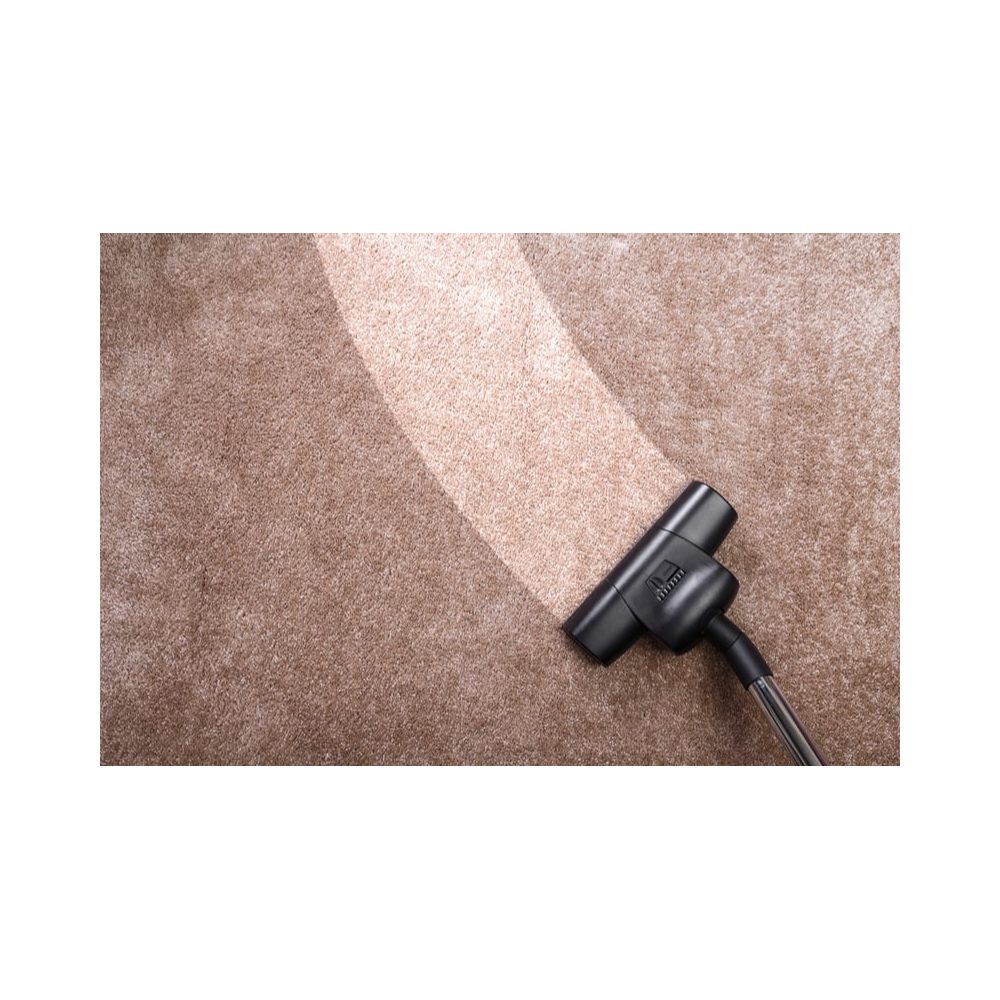
Bedrooms collect dust faster than we realize — from tracked-in farm dirt, skin cells, fabric fibers, and outdoor pollen. Independent dust studies have found flame retardants, phthalates, and PFAS concentrated in bedroom floor dust at higher levels than other rooms because we spend so much time there breathing close to the floor (especially kids). One study of 40 homes found PBDE flame retardants in bedroom dust at geometric mean concentrations of 1,200–2,800 ng/g, with the highest levels in rooms with older furniture and carpets. PFAS in dust reached 50–300 ng/g in some samples. On the farm, this dust can include residues from barn clothes or garden boots, creating a direct link from outdoor work to nighttime exposure. We inhale and absorb these particles every night during sleep.
Furniture, Pressed-Wood, and Carpets/Rugs
Pressed-wood nightstands, dressers, or headboards off-gas formaldehyde for years. Independent air testing in bedrooms with new or laminate furniture has measured formaldehyde levels of 0.05–0.15 ppm, sometimes exceeding WHO 8-hour guidelines of 0.08 ppm for months after purchase. Carpets and rugs trap dust and can be treated with PFAS or stain-resistant coatings. Older carpets accumulate years of residues from laundry products, personal care items, and tracked-in farm chemicals, with independent sampling showing PFAS in carpet dust at 100–1,000 ng/g in treated homes.
EMF in the Bedroom
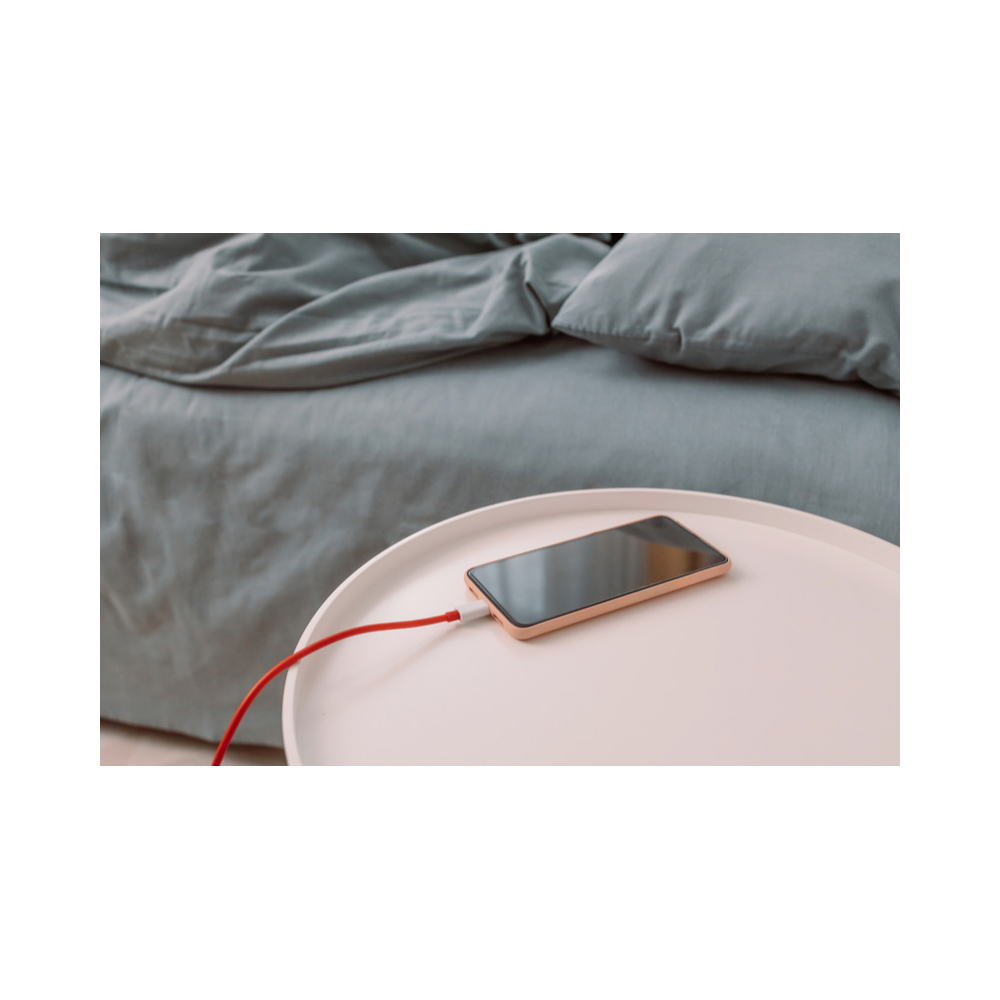
Many bedrooms now have chargers, lamps, cordless phones, baby monitors, or WiFi routers nearby. These produce ELF magnetic fields from chargers (often 5–50 mG at 1 foot) and RF from wireless devices. Chronic nighttime exposure during sleep (when the body repairs) adds to the cumulative load we’ve seen with induction cooktops and hair dryers. Smart alarms or fitness trackers on nightstands keep pulsing signals close during rest. One independent measurement study found WiFi routers in bedrooms emitting RF levels of 0.1–1 V/m at bed distance, with peaks during data transfer.
Why This Matters on the Homestead
The bedroom isn’t isolated. Dust tracks in from boots and barn clothes. Off-gassing builds in closed winter rooms. We breathe and absorb whatever is in the air and bedding for hours every night. These conveniences shift real costs to health and recovery — the same “out of sight” trap as the other rooms. Flame retardants, PFAS, and formaldehyde promise safety or easy care, but independent findings show they linger in the very space where our bodies are supposed to rest and heal.
In Bedroom Part B, we’ll cover practical swaps: natural fiber bedding, ways to reduce dust, simpler furniture choices, and lowering EMF at night. These line up with reusing and keeping things closer to the land.
I’d love to hear what’s raising questions in your own bedroom. Have you noticed dust buildup or started questioning new furniture off-gassing? Comments help as we walk through these spaces.
From the farm,
Kara
Lange Girl Farms
Related series to check: Water Series | Skin & Beauty Series | Glyphosate Series