Hey farm gals, it’s Kara from Lange Girl Farms!
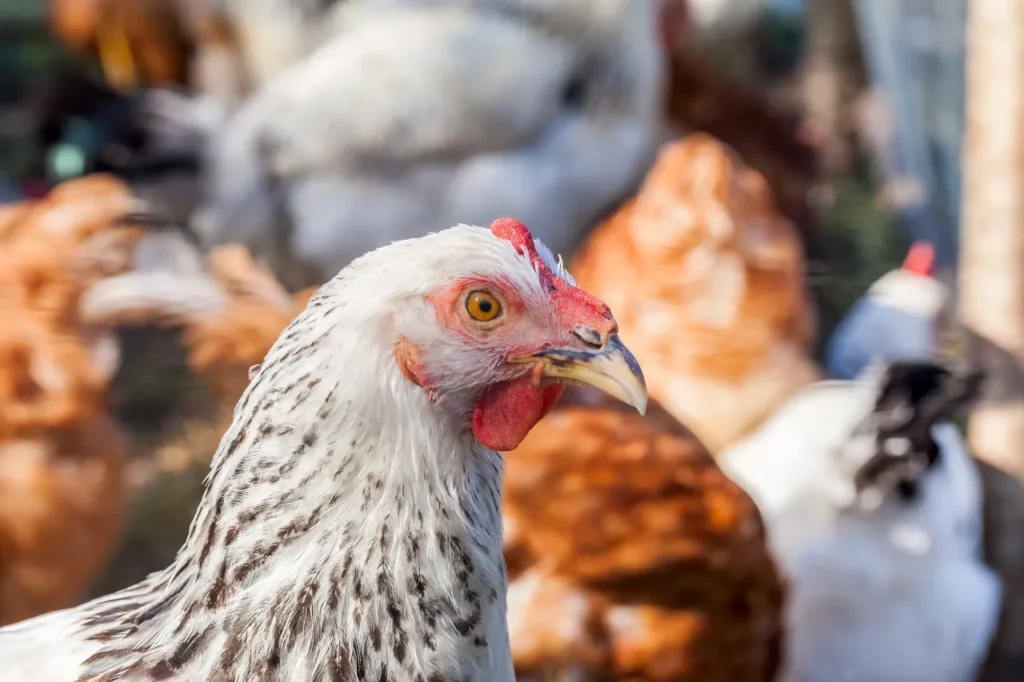
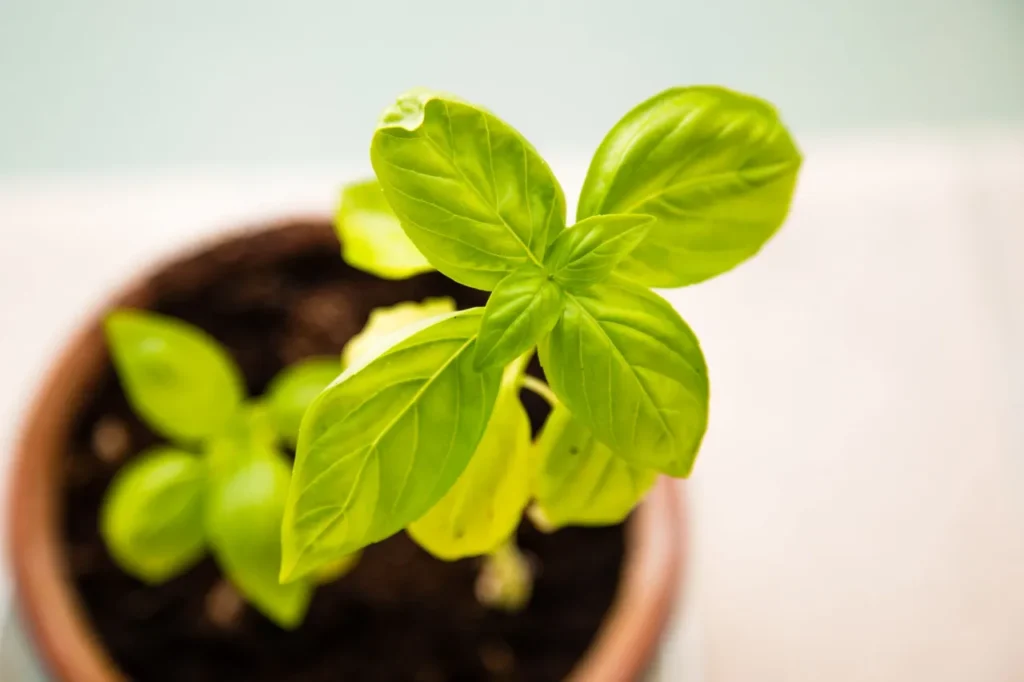
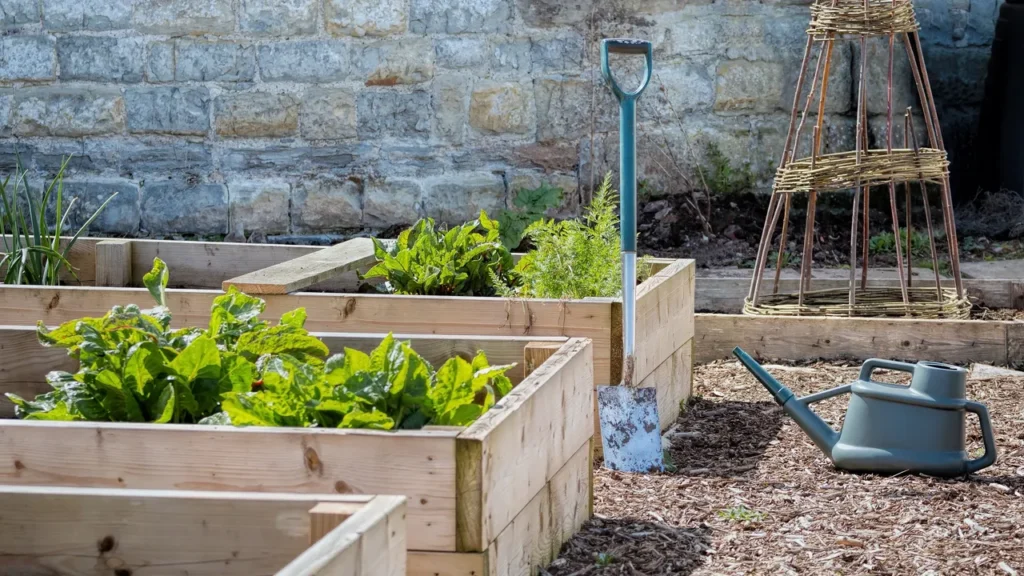
This morning I was out hand-weeding the herb garden beds and torching a few early weed patches along the fence while keeping a close, gentle eye on my pregnant mini mare. She’s grazing peacefully on the cleanest pasture we can give her—no drift, no residues, nothing that could reach her or her growing foal. The Siberian huskies were zooming safely in their own area, the llamas and alpacas kept their watchful guard, and the chickens and ducks foraged happily in their secure run. These quiet, chemical-free moments remind me why we do the extra work on this regenerative homestead. After leaving city life for rural living and farming years ago, we’ve chosen to build soil and raise animals without the shortcuts that come with too high a price.
In Part 5 we followed the money through Syngenta’s exit, the 6,500+ cases in the MDL, and the settlements moving forward. Now in Part 6 we go back to the beginning: how paraquat was discovered, its corporate journey, and why it’s still legal in the U.S. despite being banned in more than 70 countries. This history shows the same pattern we saw with glyphosate—profit-driven decisions that leave farms, families, and ecosystems paying the long-term cost.
Discovery and Introduction: The 1960s
Paraquat was first synthesized in the 1950s as part of research into bipyridyl compounds. Its herbicidal properties were discovered in the early 1960s by scientists at Imperial Chemical Industries (ICI), a British company. By 1962, ICI had patented and commercialized it under the brand name Gramoxone. It was marketed as a fast-acting, non-selective contact herbicide that could quickly burn down weeds before planting or desiccate crops for harvest.
Unlike many slower-acting herbicides of the time, paraquat worked within hours by generating massive reactive oxygen species (ROS) through redox cycling, literally exploding plant cell membranes. Farmers loved the speed for no-till systems and quick field turnaround. By the late 1960s and early 1970s, it was in widespread use around the world, especially in developing countries for labor-saving weed control.
Corporate History: From ICI to Syngenta and Beyond
• 1960s–1990s: ICI (later Zeneca) dominated production and marketing of Gramoxone. It became one of the most widely used herbicides globally, particularly in Asia and Latin America for rice, bananas, and plantation crops.
• 2000: Zeneca merged with Novartis agribusiness to form Syngenta, which became the world’s largest agrochemical company at the time.
• 2017 onward: ChemChina (now part of Sinochem) acquired Syngenta. Syngenta remained the primary producer of Gramoxone until its March 2026 announcement that it would cease global production by the end of June 2026, citing generic competition rather than safety concerns.
Other companies have long produced generic paraquat formulations. These generics will continue to supply the U.S. market after Syngenta’s exit, keeping the product available as a restricted-use pesticide for certified applicators only.
Why It’s Still Allowed in the U.S. Despite Global Bans
Paraquat is banned or severely restricted in more than 70 countries, including the entire European Union, China, Brazil (phased out), and many others, primarily due to its extreme acute toxicity (one sip can be fatal with no antidote) and links to Parkinson’s disease.
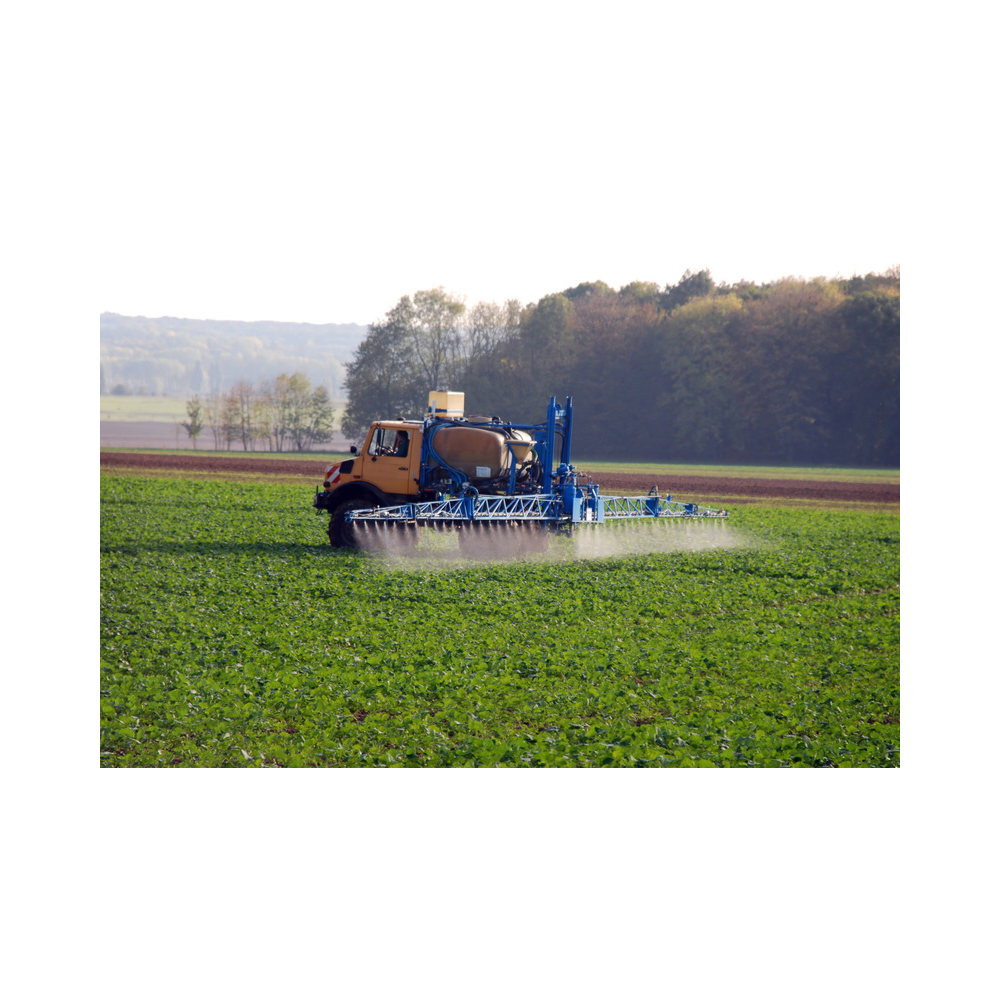
In the U.S., the EPA has reviewed paraquat multiple times. It remains classified as a restricted-use pesticide—only certified applicators can buy and apply it. The agency has strengthened labeling, training requirements, and drift mitigation measures over the years but has stopped short of a full ban. Key reasons cited by regulators include:
• Economic importance for certain crops (quick burndown in no-till systems, desiccation for harvest).
• Strong soil binding that limits some leaching into groundwater.
• Perceived ability to manage risks through restricted-use status and personal protective equipment.
Critics, including public health advocates and scientists, argue the EPA underestimates chronic low-dose risks (especially Parkinson’s) and the real-world challenges of drift, dust, and accidental exposure. State-level efforts continue: at least 9 states were considering or advancing ban legislation in 2026. The contrast with global action remains stark—most countries decided the human and environmental costs were too high.
The Pattern: From Fast-Acting Tool to Long-Term Liability
Paraquat followed a familiar corporate trajectory: rapid adoption for its speed and convenience, followed by mounting evidence of harm, global phase-outs, and prolonged legal and regulatory battles in the U.S. The same oxidative stress mechanism that makes it such an effective weed killer also damages human and animal cells, especially in the brain. Yet it stayed on the market for decades while lawsuits accumulated and families dealt with Parkinson’s diagnoses.
On our homestead, this history reinforces why we never let it near our land. We hand-weed and torch weeds because those methods don’t leave persistent oxidative damage or force us into the cycle of resistance and heavier applications that conventional systems face.
Why This History Matters for Regenerative Homesteads Like Ours
We’ve seen the pattern with glyphosate and now with paraquat: a chemical pushed for convenience that creates long-term neurological, reproductive, and ecosystem harm. My pregnant mini mare gets only clean pasture because we refuse to risk oxidative stress or developmental issues. Our huskies, llamas, alpacas, chickens, and ducks thrive in an environment free from these burdens. We choose the harder path—hand-weeding, torching, mulching, and smart grazing—because it builds resilient soil and healthy animals instead of creating dependency and liability.
Series Roadmap – What’s Next (The Final Part!)
Part 7: Reclaiming our land—our exact holistic, regenerative methods we use every day (hand-weeding, torch burning, mulch, cover crops, livestock grazing with our mini horses and llamas/alpacas), Michigan-specific tips, and a free printable “No-Paraquat Homestead Checklist.”
This deep history isn’t just old news—it explains why so many of us have walked away from the chemical treadmill entirely. We can learn from the past and build something better for our farms and families.
Pin/save the entire series and comment below: Did the corporate history or global ban contrast surprise you? How has this shaped your choices on the homestead? I read every comment and appreciate your stories.
If you want to support a small regenerative farm that refuses these chemicals, check our shop for wildcrafted salves (perfect for hands after torching or weeding), herbal teas grown right here without sprays, or non-GMO seeds to start your own clean garden. Every purchase helps us keep protecting what matters.
We don’t have to carry forward this toxic legacy. We can choose healthier soil, healthier animals, and healthier families—one deliberate, natural step at a time.
See you in the final Part 7, farm gals!
With love from the pasture,
Kara
Lange Girl Farms