
Backwards Bug Battles: Why Quick-Fix Pest Products Fail — and How True IPM Builds a Resilient Farm (or Homestead)
Hey friends, it’s Kara from the farm. Over the first five posts we’ve unpacked the backwards thinking behind many popular pest products: bug zappers and blue-light traps that mostly kill moths, midges, and pollinators while barely touching mosquitoes; baits and lures that add limited value but continue collateral damage; ultrasonics that waste electricity with no proven effect; and broad-spectrum sprays or neonics that provide short-term knockdown at the cost of beneficial insects, soil life, and long-term resilience. These approaches often treat symptoms (visible flying adults or “weeds” like dandelions) while ignoring root causes such as standing water, habitat simplification, or the loss of natural predators. The result is a treadmill of more interventions, resistance, and declining ecosystem services — much like the glyphosate patterns we’ve questioned before.
Now we pivot to the solution: Integrated Pest Management (IPM). IPM is not “never use any tool” or a rejection of modern options. It is a science-based, ecosystem-focused decision-making process that prioritizes prevention and biological/cultural tools, using targeted interventions only when monitoring shows they are justified by clear thresholds. Endorsed by the USDA and EPA, IPM combines knowledge of pest biology, environmental monitoring, and a hierarchy of tactics to minimize economic, health, and environmental risks while maintaining productive farms and healthy homesteads.
This post lays out the core principles with the official frameworks, data on adoption and barriers, and why IPM represents the root-cause, holistic shift that counters the quick-fix model. We’ll keep it practical for livestock operations, gardens, barns, and homes like ours.
Official Definitions and the Four-Tiered (or Hierarchical) Approach
The U.S. Environmental Protection Agency (EPA) defines IPM as “an effective and environmentally sensitive approach to pest management that relies on a combination of common-sense practices.” It is not a single method but a systematic process that integrates multiple tools based on site-specific information.
USDA describes IPM as “a sustainable approach to managing pests by combining biological, cultural, physical, and chemical tools in a way that minimizes economic, health, and environmental risks.” Federal law (7 U.S.C. § 136r) requires agencies to use and promote IPM.
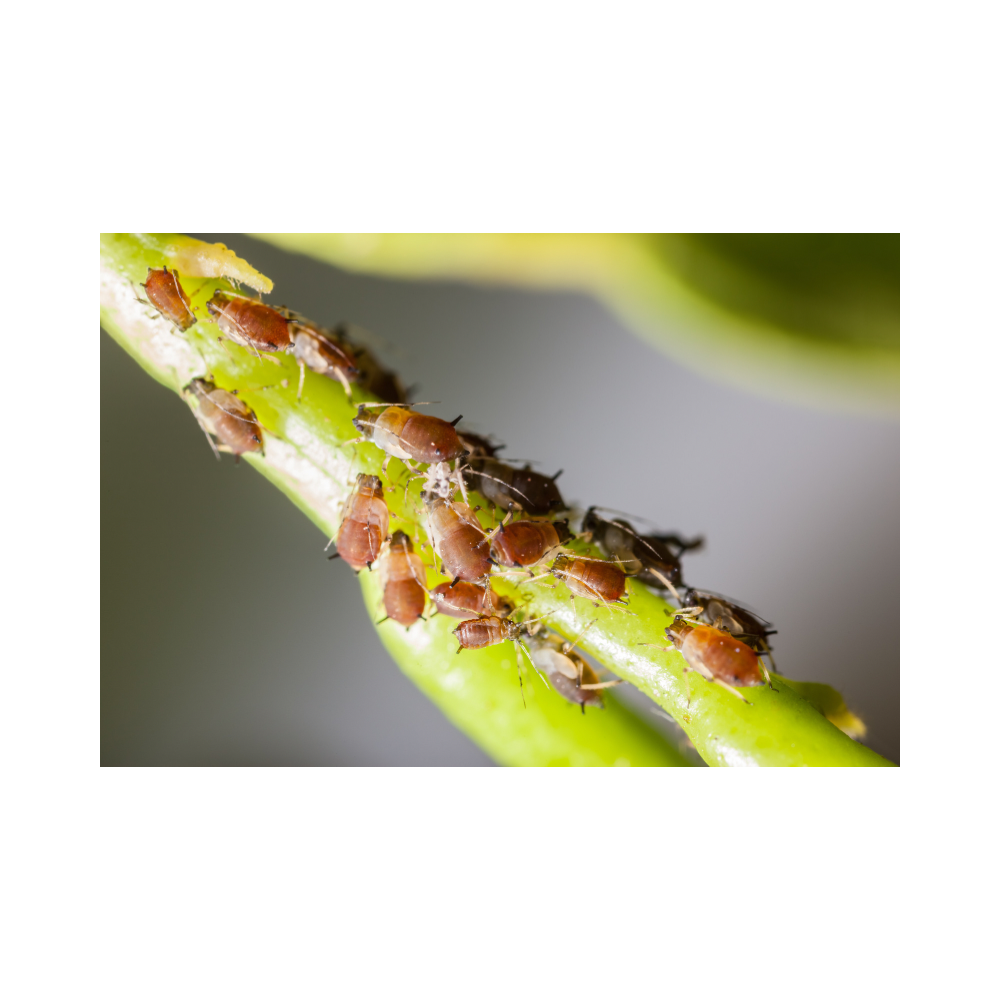
Successful IPM programs follow a consistent hierarchy, often presented as four key steps (with slight variations in wording across sources):
- Set Action Thresholds
Before any control, establish the point at which pest populations or conditions indicate action is needed. This is often an economic injury level (where damage cost equals control cost) or a health/comfort threshold (e.g., mosquito biting that stresses livestock or increases disease risk). Not every insect sighting requires intervention — many are innocuous or beneficial. Thresholds prevent unnecessary treatments and focus efforts where they matter. - Monitor and Identify Pests (and Beneficials)
Regular scouting and accurate identification are foundational. Not all insects, weeds, or organisms need control; some are allies. Monitoring includes counting pests, noting damage, and tracking beneficials (ladybugs, lacewings, dragonflies, parasitic wasps, bats, birds). Tools range from simple visual walks and sticky traps to apps or pheromone lures. Accurate ID prevents treating the wrong thing or ignoring root causes. - Prevention as the First Line
IPM emphasizes managing the environment to make it less hospitable to pests. This includes cultural practices (crop rotation, resistant varieties, soil health building), removing attractants (standing water, spilled feed, clutter), habitat manipulation (diverse plantings for beneficials, including “weeds” like dandelions for early pollinators), and mechanical barriers (screens, row covers, fans that disrupt mosquito flight). Prevention stops problems before they escalate. - Targeted Control When Thresholds Are Met
Use the least-risk, most specific options available. Prioritize biological (e.g., Bti for mosquito larvae), mechanical/physical, or cultural methods. Chemical tools come last, chosen for low impact on non-targets, and applied precisely (right time, place, rate). The goal is suppression, not eradication, while preserving natural enemies.
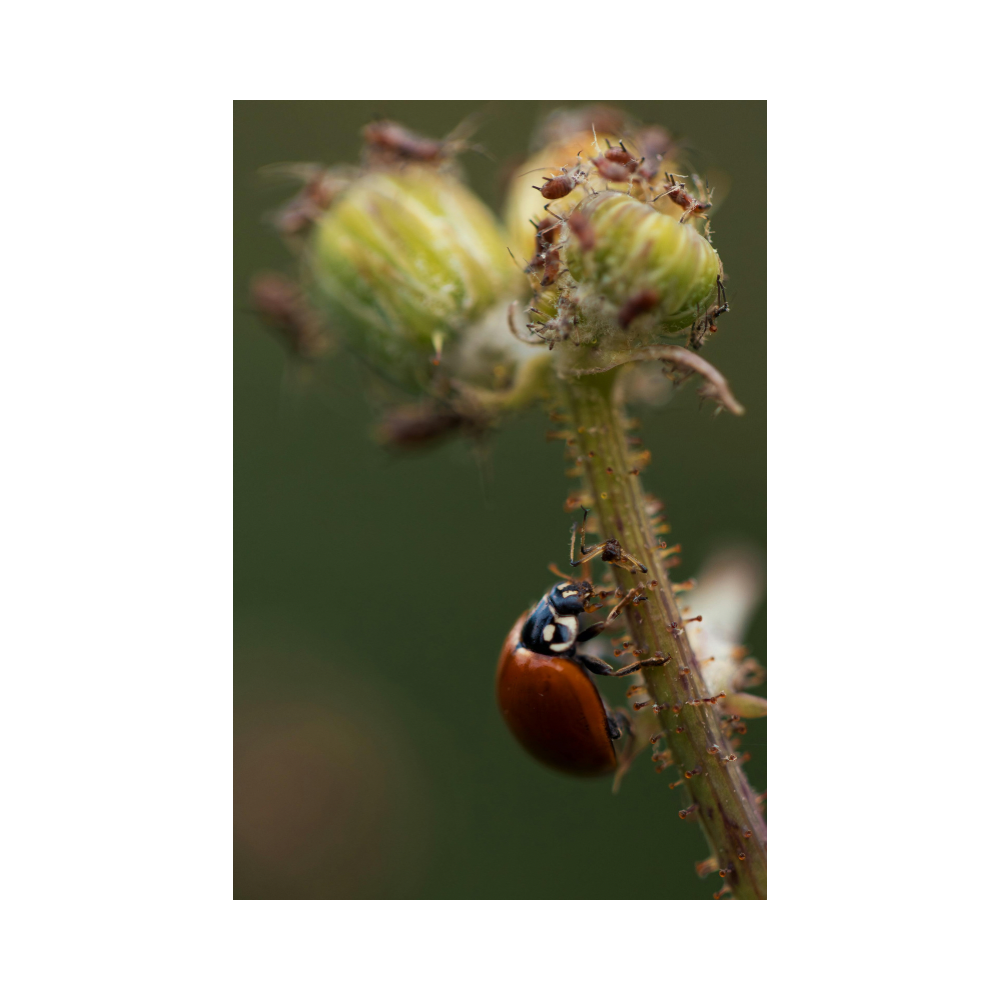
Some frameworks expand this to five or six components (e.g., evaluation/documentation of results), but the core is the same: knowledge-driven, tiered, and ecosystem-aware. IPM is adaptive — plans update based on monitoring.
This structure directly addresses the backwards MO we’ve discussed. Quick fixes jump to step 4 (or skip to broad killing) without thresholds, monitoring, or prevention, leading to collateral damage and rebound. IPM starts at the beginning, building resilience so you need fewer interventions overall.
IPM Adoption on U.S. Farms: Progress, Gaps, and Barriers
Adoption data shows steady but uneven progress. USDA surveys indicate that roughly 55% of major crop producers report using at least one IPM tactic (e.g., scouting or rotation). Broader historical estimates once placed “some level” of IPM on about 70% of crop acreage, but this often reflected minimal practices rather than full systems. Projections for 2026 suggest over 60% of U.S. farms may incorporate IPM strategies, driven by sustainability goals, extension programs, and market pressures.
In specific sectors like fruit crops, scouting is near-universal (98% for insects/diseases in recent surveys), with many comparing data to thresholds before treating. Livestock and smaller operations show growing interest, especially for vector control around animals.
However, comprehensive, multi-tactic IPM lags. Barriers commonly cited by farmers and state IPM coordinators include:
- Perceived high upfront costs or effort for monitoring/scouting.
- Risk aversion — fear of yield or health losses during the transition.
- Awareness and training gaps — many default to familiar calendar sprays or gadgets because quick-fix marketing dominates.
- Compatibility with existing systems (e.g., large monocultures or intensive livestock setups).
- Short-term profitability focus versus long-term savings.
Studies note that farmers sometimes overestimate initial IPM costs or underestimate economic benefits, creating an adoption gap. Subsidies or demonstrated returns can help close it. On family farms like Lange Girl Farms, the shift often starts small (one pasture or garden area) and scales as results appear: fewer inputs, healthier soil/pollinators, and more stable pest pressure.
Why IPM Aligns with Root-Cause, Holistic Thinking
IPM parallels the root-cause mindset we’ve applied to glyphosate and health: strengthen the system (habitat, plant/animal vigor, natural enemies) so symptoms (pest outbreaks) become manageable without constant suppression. It minimizes risks by design — to people, livestock, pollinators, soil, and water — while remaining economically viable.
For example, instead of repeated adult mosquito sprays (which hit beneficials), IPM focuses on larval habitats with targeted tools. This preserves dragonflies, bats, and birds that naturally consume mosquitoes. In gardens or pastures, tolerating low pest levels while supporting predators reduces secondary outbreaks.
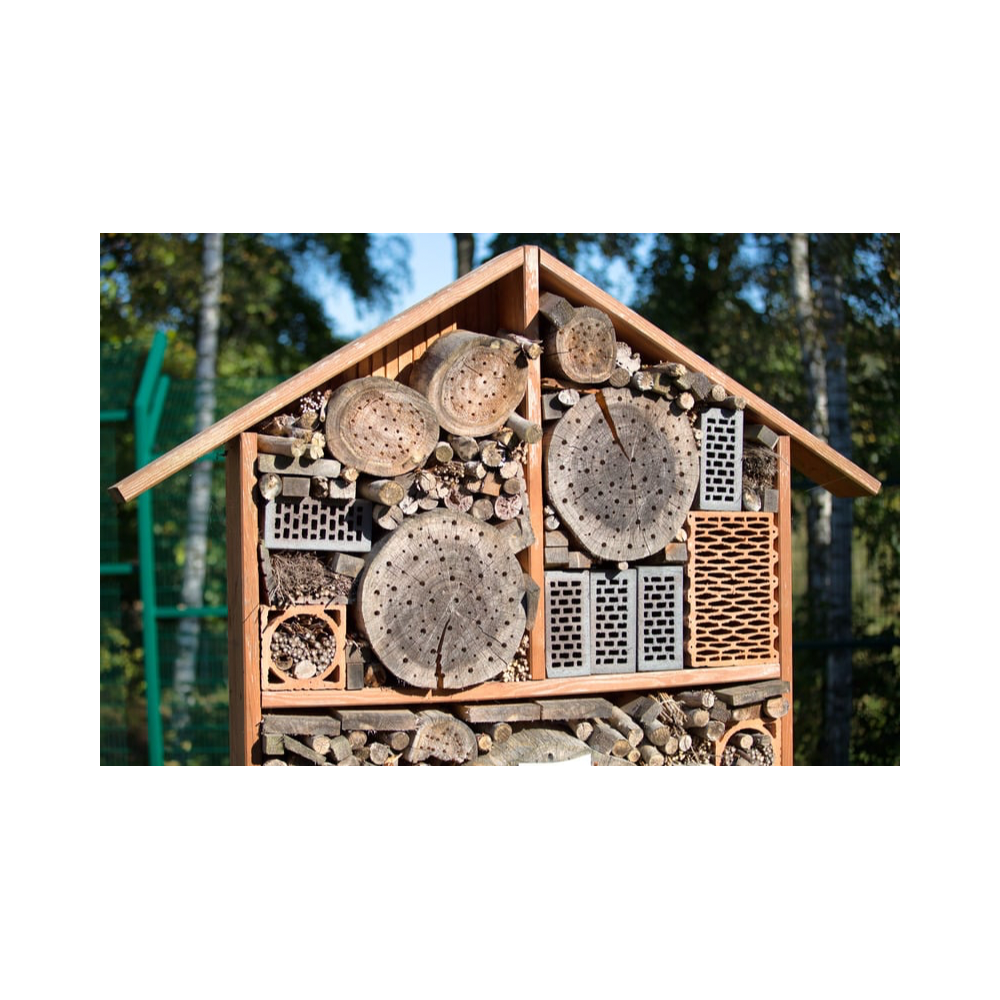
The approach is flexible: organic operations use it heavily (biological and cultural tools), while conventional farms integrate it to reduce chemical loads and slow resistance. It is not anti-technology — it uses data, traps, and selective products wisely.
A Targeted Tool Example: Bti for Mosquito Larvae
One practical IPM tool that fits the “targeted last” tier (or earlier when prevention isn’t fully possible) is Bacillus thuringiensis israelensis (Bti). This naturally occurring bacterium produces toxins specific to the gut of mosquito, blackfly, and fungus gnat larvae. After ingestion, it disrupts the larval midgut, leading to death.
Key safety data:
- Highly specific: Minimal to no toxicity to honey bees, other pollinators, birds, mammals, fish, amphibians, or most aquatic invertebrates (except some chironomid midges in certain high-dose scenarios).
- EPA-approved for organic farming and residential use.
- No harm to livestock or pets when used as directed.
- Effective in standing water (troughs, ditches, tarps, low spots) without broad ecosystem disruption.
Studies and reviews confirm Bti’s safety profile for non-targets in most field applications, making it a strong biological option in IPM mosquito programs. It complements prevention (source reduction) rather than replacing it.
Farm Try-It for This Post
Begin building your own IPM foundation this week:
- Choose one area (e.g., livestock paddock, garden, or barn surroundings) and define a simple action threshold. Example: “Treat mosquitoes only if biting noticeably affects animal comfort or health after addressing water sources.”
- Scout that area twice (e.g., dawn/dusk). Identify pests versus beneficials (count ladybugs, note dragonflies or bee activity). Record standing water or habitat factors.
- Pick one prevention step: Eliminate or cover one water source, or plant a small diverse strip (including dandelions or other early bloomers) for pollinators/beneficials.
- If needed later, consider a targeted tool like Bti dunks in unavoidable water — but only after monitoring.
Journal results and share in the comments: What threshold did you set? What beneficials did you notice? Your experiences help others see IPM in real farm settings.
This post establishes the IPM framework. The final post delivers the full practical playbook: detailed prevention/cultural tactics, monitoring tips, biological and mechanical tools, and when/how to use targeted controls — all tailored for mosquitoes around livestock, barn flies, garden pests, and homes.
Next: Your IPM Starter Playbook — Practical Steps for Farms & Homes.
Thanks for following the series and engaging with the data and ideas. The shift from backwards quick fixes to root-cause IPM is empowering once you see the full picture — just as it was with glyphosate awareness. Drop your questions or early experiments below.