Hey farm gals, it’s Kara from Lange Girl Farms!
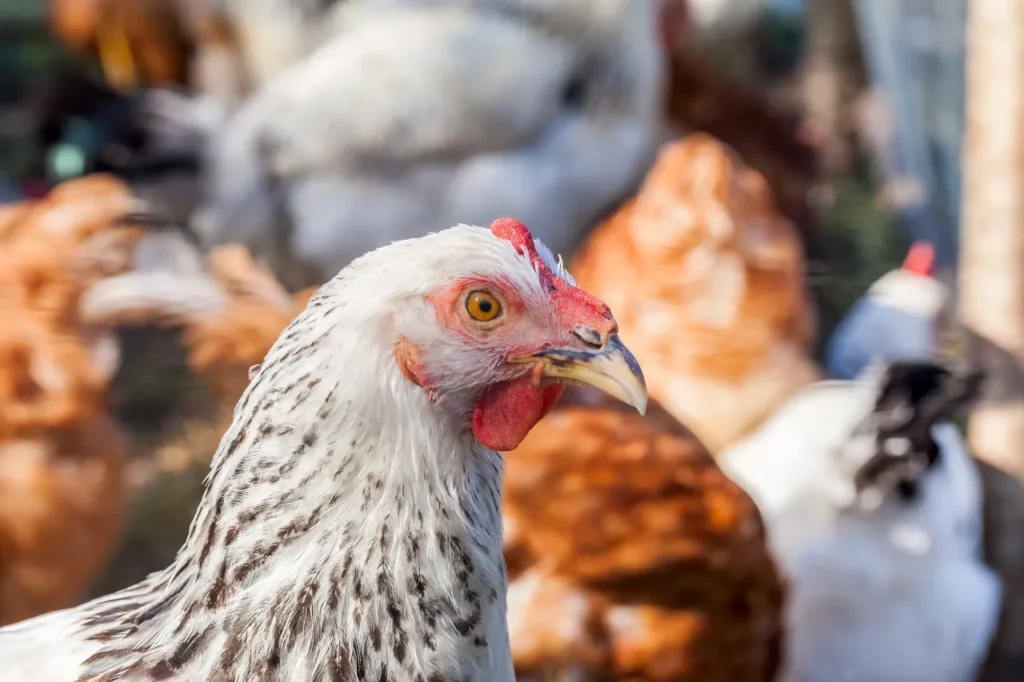
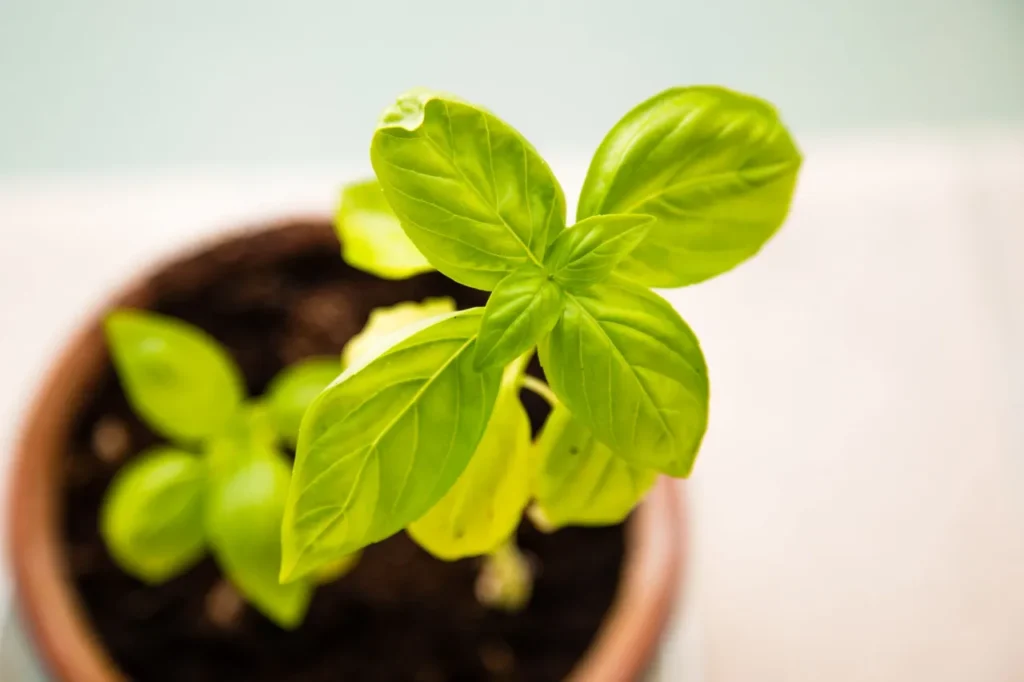
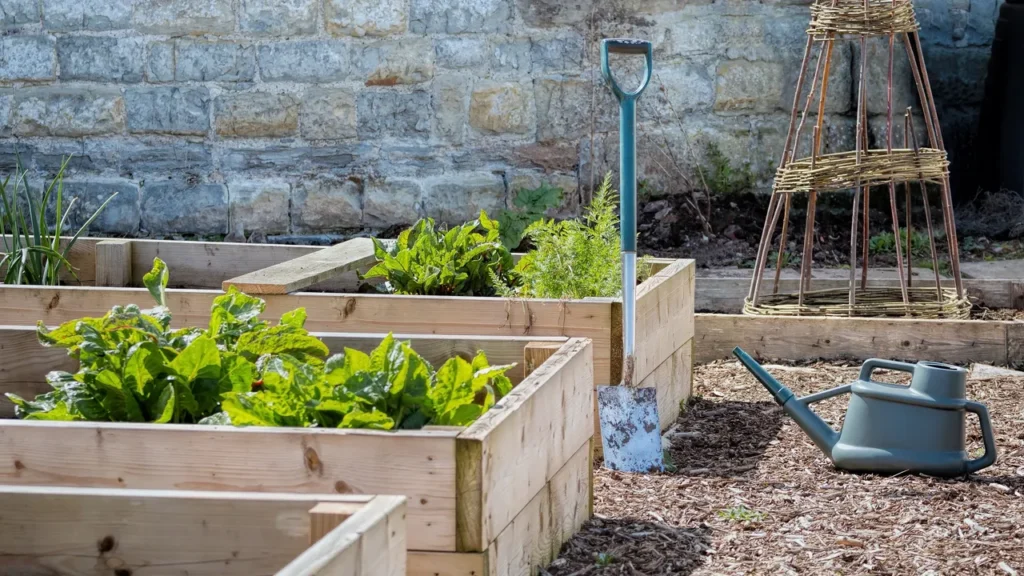
This morning I was out torching some early weeds along the fence line and hand-weeding the herb garden beds while keeping a close, gentle eye on my pregnant mini mare. She’s moving calmly on the cleanest pasture we can provide, with no risk of drift or hidden residues that could affect her or her growing foal. The Siberian huskies were racing around, the llamas and alpacas stood their usual watchful guard, and the chickens and ducks foraged happily in their toxin-free run. These moments ground me. After leaving city life for rural living and farming years ago, we’ve built this regenerative homestead the natural way because shortcuts come with too high a price.
In Part 5 we followed the money through Bayer’s $63 billion purchase of Monsanto, the billions already paid in settlements, and the $7.25 billion class action proposal in early 2026. Now in Part 6 we go all the way back to the chemical’s surprising beginnings—long before it became the world’s most-used herbicide. We’ll look at its first synthesis, its original patent as a pipe cleaner, Monsanto’s direct ties to Agent Orange during the Vietnam War (including the battlefield spraying, dioxin contamination, and devastating human impacts), and how the same company quickly pivoted to commercializing Roundup in 1974. This is the deep history that shows the pattern: profit over people, with farms and families still paying the cost decades later.
The Very Beginning: 1950 Synthesis as a Pharmaceutical Flop
Glyphosate (N-(phosphonomethyl)glycine) was first synthesized in 1950 by Swiss chemist Henri Martin while working for the small pharmaceutical company Cilag. The goal was to find new drugs. No useful medical applications were found, so the molecule sat on the shelf for years. It eventually made its way into lab chemical catalogs and was tested for various industrial uses.
1964: Patented as a Pipe Descaler and Metal Chelator – Never Meant for Food or Fields
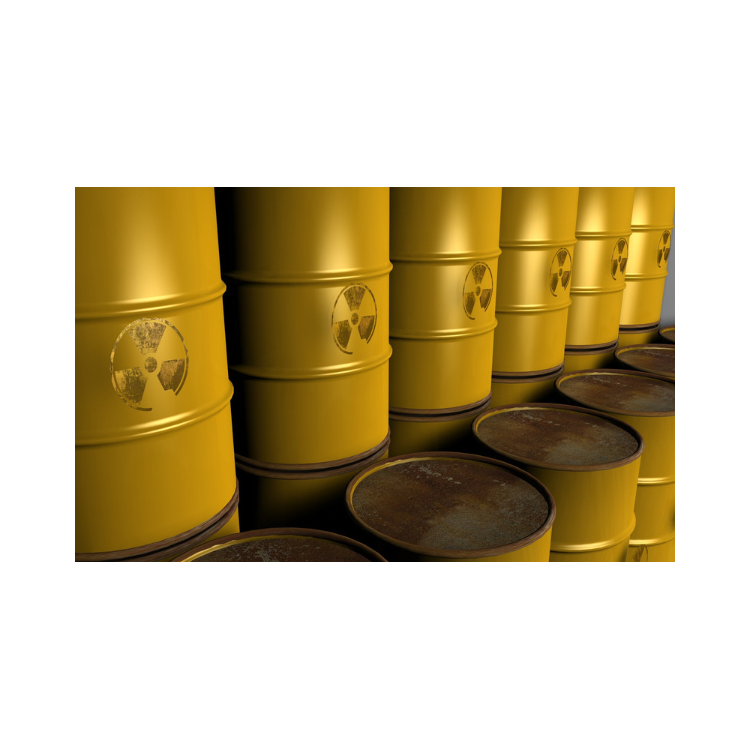
In 1964, the Stauffer Chemical Company of Westport, Connecticut, received U.S. Patent 3,160,632 for glyphosate as a metal chelating and descaling agent. It was designed to remove mineral deposits—like calcium, magnesium, and other scale—from pipes, boilers, and hot water systems in homes and commercial buildings. Think of it as an industrial Drano for hard water buildup. Glyphosate binds tightly to metals (its chelating property), making them water-soluble so they can be flushed away.
This original use had nothing to do with killing weeds or growing food. It was an industrial cleaner. That strong chelating ability is still relevant today—glyphosate can bind minerals in soil and in the bodies of animals and people, potentially making nutrients less available and contributing to longer persistence in some environments.
Monsanto Enters the Picture: 1970 Discovery of Herbicidal Activity
Monsanto had been exploring phosphonic acid compounds for water-softening agents. In 1970, chemist John E. Franz at Monsanto tested glyphosate (among other analogs) and discovered its powerful ability to kill weeds. It stood out immediately. Franz’s work led to Monsanto filing patents for its herbicidal use (U.S. Patent 3,799,758 in 1971 for the herbicide application).
In 1974, Monsanto brought glyphosate to market under the brand name Roundup. It was marketed as a broad-spectrum, systemic, non-selective herbicide—safe enough for use around crops when applied carefully, and later revolutionary with the development of genetically engineered “Roundup Ready” crops in the 1990s.
The Dark Shadow: Monsanto’s Role in Agent Orange and the Vietnam War
The most disturbing part of Monsanto’s corporate legacy comes just a few years before they commercialized Roundup. During the Vietnam War (1962–1971), the U.S. military ran Operation Ranch Hand, a massive herbicidal warfare program. They sprayed more than 20 million gallons of various “rainbow herbicides” over Vietnam, parts of Laos, and Cambodia to defoliate forests, destroy food crops, and deny cover to enemy forces. Agent Orange was the most infamous—roughly 11–19 million gallons of it were actually deployed in Vietnam (out of over 20 million gallons total produced).
Monsanto was one of nine companies that supplied Agent Orange to the military. It was a mixture of 2,4-D and 2,4,5-T herbicides, but the manufacturing process created a highly toxic byproduct: 2,3,7,8-TCDD dioxin. Internal documents show Monsanto and others knew as early as the early 1960s that their product contained dangerous levels of this dioxin, yet production continued under rushed wartime contracts.
The human cost was catastrophic:
• U.S. veterans: Hundreds of thousands exposed. The VA recognizes presumptive service-connected conditions including non-Hodgkin lymphoma, prostate cancer, lung cancer, diabetes, neuropathy, and birth defects in children of exposed veterans. Estimates suggest hundreds of thousands of veteran health issues and deaths linked to exposure.
• Vietnamese civilians and ecosystems: Between 2–4.5 million people exposed. Reports document 3+ million illnesses, hundreds of thousands of deaths, and 400,000–500,000+ birth defects (including severe deformities still seen in affected communities today). Forests and mangroves were devastated, with long-term soil and water contamination. Dioxin persists in the environment and food chain for decades.
Agent Orange was banned in 1971 after the risks became undeniable. Yet just three years later, in 1974, Monsanto launched Roundup—positioned as a “safer” alternative while the company was still dealing with Agent Orange liabilities and veteran lawsuits.
This is the same corporate entity that later flooded the world with glyphosate, first as a spot treatment, then through GM crops, and eventually as a pre-harvest desiccant on food crops. The pattern of internal knowledge versus public denial echoes through the decades—from dioxin in Agent Orange to the cancer links with glyphosate.
Modern Echoes: Bayer’s 2026 Lawsuit Over mRNA Stabilization Tech and Monsanto’s Ag Patents
The corporate playbook didn’t stop in 1974. Just last month (April 2026), Bayer filed a federal lawsuit against Pfizer, BioNTech, Moderna, and Johnson & Johnson. In the court filings, Bayer’s own lawyers argue that the mRNA stabilization technology used in the COVID vaccines was originally patented by Monsanto in the 1980s — for genetic modification in crops. Bayer is now demanding royalties, claiming the vaccine makers used the platform without a license.
This isn’t speculation — it’s Bayer’s own legal arguments on the public record. The same company that owns the glyphosate legacy is now in court fighting over biotech patents that crossed from agriculture straight into human medicine. Meanwhile, separate mRNA patent battles are already costing billions (Moderna’s $2.25 billion Roivant settlement, BioNTech vs. Moderna, etc.).
For us on the homestead, this is yet another reminder of the same pattern: Monsanto/Bayer’s genetic engineering tech keeps showing up in places it was never meant to go — first in our fields and food, now in the very shots given to our families. It reinforces why we refuse every corporate shortcut. My pregnant mini mare gets nothing but clean forage because we know how these companies move from one controversial application to the next without ever fully owning the long-term consequences.
Why This History Matters on Our Homestead
At Lange Girl Farms we choose hand-weeding and torch burning because we refuse to repeat this cycle. Our pregnant mini mare grazes clean pasture we’ve built without these shortcuts. Our huskies, llamas, alpacas, chickens, and ducks live in an environment free from the persistent residues and drift that come with this chemical’s long history. We’ve seen enough—from cancer clusters in spray-heavy counties to residues in supermarket bread and fast food—to know that corporate “progress” often leaves the real cleanup to families and small farms like ours.
Series Roadmap – What’s Next (The Final Part!)
Part 7: Reclaiming our land—our exact holistic, regenerative methods we use every day (hand-weeding, torch burning, mulch, cover crops, animal grazing management with our mini horses and llamas/alpacas), Michigan soil troubleshooting, and a free printable “No-Glyphosate Homestead Checklist.”
This deep history isn’t just dusty facts—it explains why so many of us have walked away from the chemical treadmill entirely. We can learn from the past and build something better.
Pin/save the entire series and comment below: Did you know about the pipe-cleaner origins or the Agent Orange connection? How has this history — and the newest Bayer mRNA patent lawsuit — shaped your choices on the homestead? I read every comment and appreciate your stories.
If you want to support a small farm that refuses these chemicals, check our shop for wildcrafted salves (perfect for hands after torching or weeding), herbal teas grown right here without sprays, or non-GMO seeds to start your own clean garden. Every purchase helps us keep protecting what matters.
We don’t have to carry forward this toxic legacy. We can choose healthier soil, healthier animals, and healthier families—one deliberate, natural step at a time.
See you in the final Part 7, farm gals!
With love from the pasture,
Kara
Lange Girl Farms