
Hey friends, it’s Kara from Lange Girl Farms here in Southeast Michigan.
After walking through the laundry toxins in Part A — the phthalates and VOCs in scented detergents and softeners, the PFAS showing up in 75% of tested laundry detergent sheets, the quats and heavy fragrances in fabric softeners and dryer sheets that leave residues on clothes, the biofilms and E. coli surviving in washers on cold cycles, the dryer vent emissions spiking indoor air, and the PFAS and residues that persist through washing in our textiles — it can feel like a lot. But we don’t have to keep adding to that load. There are straightforward, old-fashioned ways to get clothes clean, soft, and fresh without the extra chemicals that end up on our skin, in the graywater heading to the garden and well, or cycling through the barn dust.
This is Laundry Room Part B. We’ll talk practical swaps and basic recipes using pantry staples most of us already keep around. These aren’t complicated or expensive — they’re the kinds of things that line up with the rhythm of farm life: reusing what we have, closing loops where we can, and reducing what we send down the drain or out the vent.
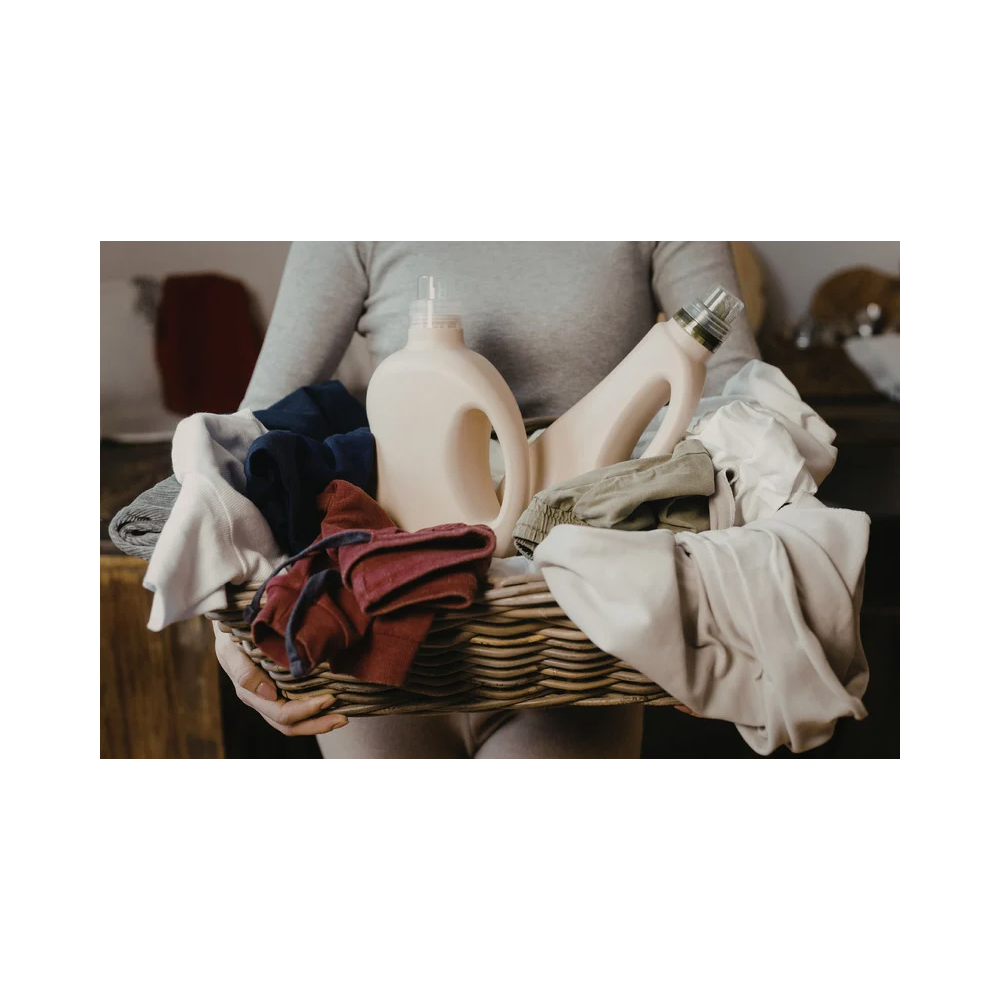
Simple Laundry Detergent Alternatives
Commercial detergents often leave behind surfactants, optical brighteners, and fragrance residues. A basic homemade powder is easy to mix and septic-friendly.
Basic Powdered Laundry Detergent
- 2 cups washing soda
- 2 cups baking soda
- 1 cup grated castile soap or unscented bar soap (grate it finely with a cheese grater)
- Optional: ½ cup borax for extra cleaning power in hard water
Mix everything in a large jar or bucket. Use 1–2 tablespoons per load (adjust based on load size and water hardness). It won’t create huge suds like commercial versions, but it cleans well, especially with a pre-soak for muddy farm clothes. For liquid version, dissolve the powder in hot water and store in a jug.
For really soiled work clothes or towels, add ½ cup white vinegar to the rinse cycle instead of fabric softener. Vinegar cuts soap residue, brightens naturally, and helps remove odors without leaving chemical buildup.
Fabric Softener and Static Solutions
Fabric softeners and dryer sheets coat clothes with quats and fragrances that don’t fully rinse out. White vinegar is the simplest replacement.
Vinegar Rinse as Fabric Softener
Add ½ to 1 cup white vinegar to the rinse cycle (pour it into the fabric softener compartment or directly into the drum during rinse). It softens fabrics, removes detergent residue, reduces static, and acts as a mild deodorizer. The vinegar smell disappears as clothes dry, leaving nothing behind but cleaner fibers. It’s especially helpful for towels — they stay more absorbent without the slippery coating from commercial softeners.
For static in the dryer, wool dryer balls are excellent. They separate clothes, improve airflow, shorten drying time, and naturally reduce static. We’ll soon have dryer balls made from our own alpaca herd wool available in the farm store — soft, natural, and reusable for years. In the meantime, you can make simple ones by rolling wool roving into tight balls and felting them, or use plain wool ones from a local source.
Scented Products and Linen Sprays
Scent beads and fabric refresher sprays add concentrated fragrances that linger and off-gas VOCs. If you want a light fresh scent without the chemicals, a simple linen spray works well.
Simple Linen & Fabric Refresh Spray
- 1 cup distilled water
- 2–3 tablespoons vodka or witch hazel (helps the scent disperse and acts as a mild preservative)
- 10–20 drops of pure essential oil (lavender, lemon, or tea tree are gentle options — or skip for completely unscented)
Mix in a glass spray bottle. Shake before each use and lightly mist towels, sheets, or clothing after drying. We offer a laundry linen spray in our store made with simple, natural ingredients for exactly this purpose — a light refresh without the heavy synthetic fragrance load.
Maintaining the Washing Machine and Dryer
Just like the dishwasher, the washer needs regular attention to prevent biofilm and odor buildup, especially with cold cycles.
Monthly Washer Clean Cycle
- Run an empty hot cycle with 2 cups white vinegar poured into the drum (or detergent drawer).
- For extra cleaning, add ½ cup baking soda during the cycle.
- Wipe the rubber gasket, detergent drawer, and door seal with a cloth dampened in straight vinegar.
- Leave the door open after cycles to let it air dry and prevent mold.
For the dryer, clean the lint trap after every load and vacuum the vent hose every few months. This reduces fire risk and keeps emissions lower. If your dryer has a “smart” WiFi feature, consider turning it off when not in use to reduce unnecessary RF exposure.
Reducing Reliance on Disposables and Scented Additives
For quick cleanups or drying hands, keep a basket of reusable cotton hand towels instead of paper towels. They wash easily with the regular laundry and cut down on waste and any PFAS from disposable options.
When buying new clothes or towels, choose plain 100% natural fibers (cotton, linen, wool, silk) without heavy “performance” treatments. Secondhand or vintage pieces have often had many washings already, so some residues have already come out. Air-drying clothes outside when possible gives them a natural fresh scent and avoids dryer heat that can volatilize remaining chemicals.
Why These Swaps Feel Better on the Farm
These changes cut the chemical load heading to the septic or graywater that touches the garden and well. They reduce static and residue on clothes that sit against skin or get used around animals. They keep the machines cleaner so they actually do their job without becoming bacterial reservoirs. And they line up with the rhythm we already have — mending, reusing, closing loops, and paying attention to what cycles back through the land.
Even the laundry room can benefit from a hardy houseplant. Snake plant or pothos handle lower light and help filter VOCs from detergents, dryer emissions, or fabric treatments. A small one on a shelf or windowsill adds life without needing much care and reminds us that simpler, living solutions often work best
Start small. Try the vinegar rinse this week instead of softener. Mix up a batch of powder detergent. Run one deep clean on the washer. See how the clothes feel and how the air smells after a few loads.
I’d love to hear what you’re trying in your own laundry routine. Have you switched to vinegar or noticed a difference after cleaning the machine? Comments help as we keep walking through these spaces.
In the next posts, we’ll move to the bathroom, where skin contact brings its own set of questions.
From the farm,
Kara
Lange Girl Farms
Related series to check: Water Series | Skin & Beauty Series | Glyphosate Series (separate deep dive)