Hey farm gals, it’s Kara from Lange Girl Farms!
This morning I was out in the pasture soaking in that crisp early spring air while my Siberian huskies zoomed around chasing the ducks, my mini horses munched contentedly on the grass (with extra care around my pregnant mini mare and her growing foal), and the llamas and alpacas kept their usual watchful vibe. The chickens were busy scratching in their run, the ducks splashing in their pond, and everything felt peaceful and alive. After leaving city life behind and diving into rural living and farming, I’ve been building this regenerative homestead the natural way—no chemicals, no shortcuts, just real soil health, animal care, and food we can actually trust. These quiet moments remind me why we fight so hard to protect it all.
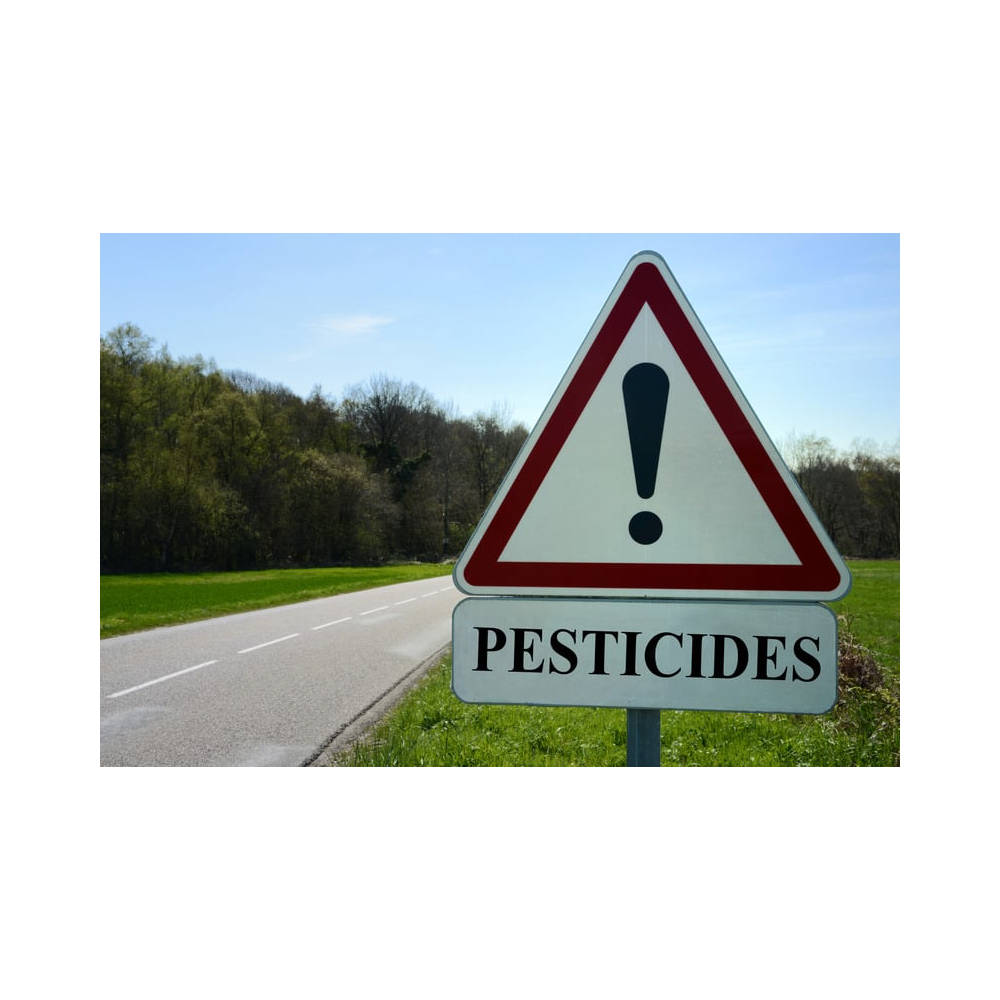
But a brand-new analysis that dropped just days ago has me fired up and honestly a little shaken, because it shines a light on the very kind of exposure risks many of us in rural Midwest areas are dealing with. The March 2026 piece from The New Lede breaks down a new Food & Water Watch report that maps heavy glyphosate spraying right alongside non-Hodgkin lymphoma (NHL) cancer rates—and the patterns in Iowa and the broader Upper Midwest are stark.
My own county here in Michigan shows up in some glyphosate use datasets as having elevated levels (not a top-tier hotspot like Iowa’s core belts), so this feels personal. It’s not the worst, but it’s enough to make you think twice about neighboring fields and how chemicals travel. If you’re a homestead gal choosing holistic methods, regenerative practices, and avoiding every drop of this stuff like we do, this series is for you. We’re going deep across seven parts: full science, devastating impacts (including shocking new data on glyphosate showing up in childhood vaccines), the exact food contamination numbers (brands and ppb levels), the corporate money trail, pre-1970s origins and Agent Orange ties, and the practical ways we’re thriving toxin-free on our farm.
Let’s start with Part 1: the wake-up call from this 2026 analysis that got us rolling. No sugar-coating—just the raw data, methodology, expert quotes, and why it matters for farms like ours that are already doing it differently.
The Report That Hit Home
The Food & Water Watch analysis (released March 2026) overlaid counties in the top 20% for glyphosate application per square mile on commodity crops (mainly corn and soybeans) with county-level NHL incidence rates from the National Cancer Institute. They focused on places with available data and mapped only those high-spray counties.
Key numbers straight from the report:
• Nationally, 60% of high-glyphosate counties have NHL rates above the national average.
• For late-stage diagnoses (the aggressive forms often cited in lawsuits), it jumps to 71%.
• In Iowa, 82% of those high-spray counties show elevated NHL incidence, with half qualifying as true “hot spots” (top 20% nationwide for NHL rates). For late-stage, it’s 95% elevated and 61% hot spots.
Iowa ranks as the nation’s #1 corn producer and top-five for soybeans—crops engineered as “Roundup Ready” to survive glyphosate drenching. The state now has the second-highest overall cancer rate in the U.S. and is one of only three states where cancer rates are still rising (per NIH data).
The interactive map (view it here: Food & Water Watch ArcGIS Viewer) lights up clusters of concern across the Midwest, with heavy red zones (worst overlaps) concentrated in Iowa and bleeding into neighboring areas. While the report zeros in on Iowa’s intensity, the Upper Midwest patterns highlight shared risks from wind drift, waterways, and similar crop systems. My county’s appearance in higher-use data underscores that even “not as bad as Iowa” levels matter when you’re choosing clean over conventional.
How They Built the Data – Transparent Methodology
Food & Water Watch used:
• 2022 USDA Agricultural Chemical Use Program for glyphosate pounds applied per square mile on key crops.
• National Cancer Institute State Cancer Profiles (2018–2022 averages) for county NHL rates (all stages and late-stage, all demographics).
They quintiled glyphosate use to identify the top 20%, then overlaid only counties with NHL data. Blue = below average, orange = elevated, red = hot spots (top 20% NHL). Amanda Starbuck, FWW Research Director, called the overlap “compelling,” especially given the known links to NHL.
Building on Established Science
This 2026 map aligns with prior evidence:
• IARC 2015 classified glyphosate as “probably carcinogenic to humans” (Group 2A), with sufficient human evidence for NHL and strong animal evidence for DNA/chromosomal damage.
• Zhang et al. 2019 meta-analysis found a 41% increased NHL risk with high exposure—data that has held strong.
Experts like University of Washington professor Lianne Sheppard note accumulating proof of DNA damage and repair disruption, with blood cancers like NHL particularly vulnerable.
Why This Resonates for Regenerative Homesteads Like Ours
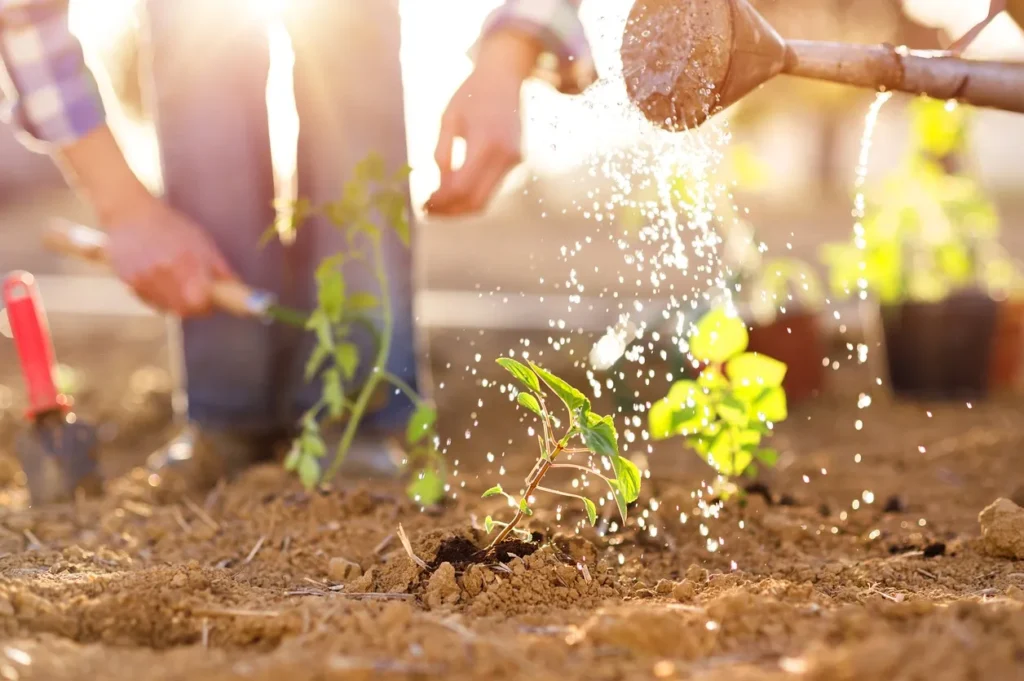
We’ve chosen no-chemical, holistic methods because it’s the right path. My huskies run free without drift worries. My mini horses—including my pregnant mini mare, who gets extra gentle care and the cleanest forage as she carries her foal—graze pasture we’ve built with cover crops and natural fertility. Llamas and alpacas stay watchful over everything, while chickens and ducks thrive on clean ground. We hand-weed our beds and burn weeds with a torch when needed. We mulch, rotate, and let animals contribute to soil health.
But seeing elevated glyphosate use in my own county—even if not as extreme as Iowa’s—drives home the frustration many of you share: neighboring conventional fields spraying, wind carrying it over, or runoff hitting our water. It’s unfair to our animals (especially the expectant moms in the herd), our soil, and our families. And as we’ll cover in Part 4, this same chemical ends up as residues in supermarket bread, oats, snacks, hummus, baby food, and fast food—stuff most people eat daily without realizing. Recent independent testing has even found glyphosate in childhood vaccines, with some showing levels 25 times higher than others (more on that in Part 3 when we dive into human impacts). On top of that, RFK Jr. recently highlighted how Monsanto began pushing Roundup as a pre-harvest desiccant on wheat around 2006—drying crops right before harvest so the chemical stays in the grain instead of washing off. He noted that roughly 85% of all the Roundup ever used has been applied since then, and that timing lines up exactly with the explosion in gluten allergies, celiac disease, and wheat-related problems across the country.
Limitations Noted – And Why We Still Act
The report and experts emphasize “correlation isn’t causation”—Iowa has other exposures like atrazine, nitrates, and acetochlor. Valid point. But when 82% of high-spray counties align with elevated NHL, matching IARC and risk studies, it’s a signal we can’t ignore. For regenerative farms, we don’t wait for absolute proof while our land and pregnant mares pay the price.
Midwest Relevance – Including Michigan
The clusters are heaviest in Iowa, but the Upper Midwest’s shared ag landscape means risks extend. Michigan’s corn/soy production and proximity to those belts mean drift and watershed concerns are real. My county’s inclusion in higher-use data reminds us that even moderate levels matter when you’re protecting your own space.
Series Roadmap – What’s Next
Part 2: Glyphosate 101 – chemistry breakdown (shikimate pathway, EPSPS inhibition, surfactant toxicity), usage explosion post-1996, and why it wrecks soil microbiome.
Part 3: Impacts on humans (microbiome/DNA damage, plus the recent vaccine testing data), livestock (repro/liver issues in horses/poultry), wildlife, and waterways.
Part 4: Food crisis – exact ppb in brands (Florida DOH breads, Quaker oats, Banza pasta, fast-food meals from Moms Across America), tables, multiplier effects, and RFK Jr.’s breakdown of the 2006 wheat desiccant shift that fueled the gluten allergy explosion.
Part 5: Money trail – Bayer/Monsanto buyout, $7.25B 2026 settlement, pharma irony.
Part 6: Origins – 1950 synthesis, 1964 Stauffer patent, Agent Orange battlefield spraying (20M+ gallons, dioxin risks, veteran/Vietnamese impacts), 1974 Roundup pivot.
Part 7: Our methods – hand-weeding, torch burning, mulch, cover crops, animal grazing, Michigan-specific tips, free checklist.
This is why we choose differently at Lange Girl Farms. Pin/save the series, comment your experiences (drift stories? Switching to natural? Torch tips? Gluten issues you’ve seen?), and shop our salves (great post-weeding!), teas, or seeds to support toxin-free living.
We can protect our farms and plates—one choice at a time.
See you in Part 2, farm gals!
With love from the pasture,
Kara