Published: March 25, 2026
Howdy from the Back Pasture, Farm Mamas
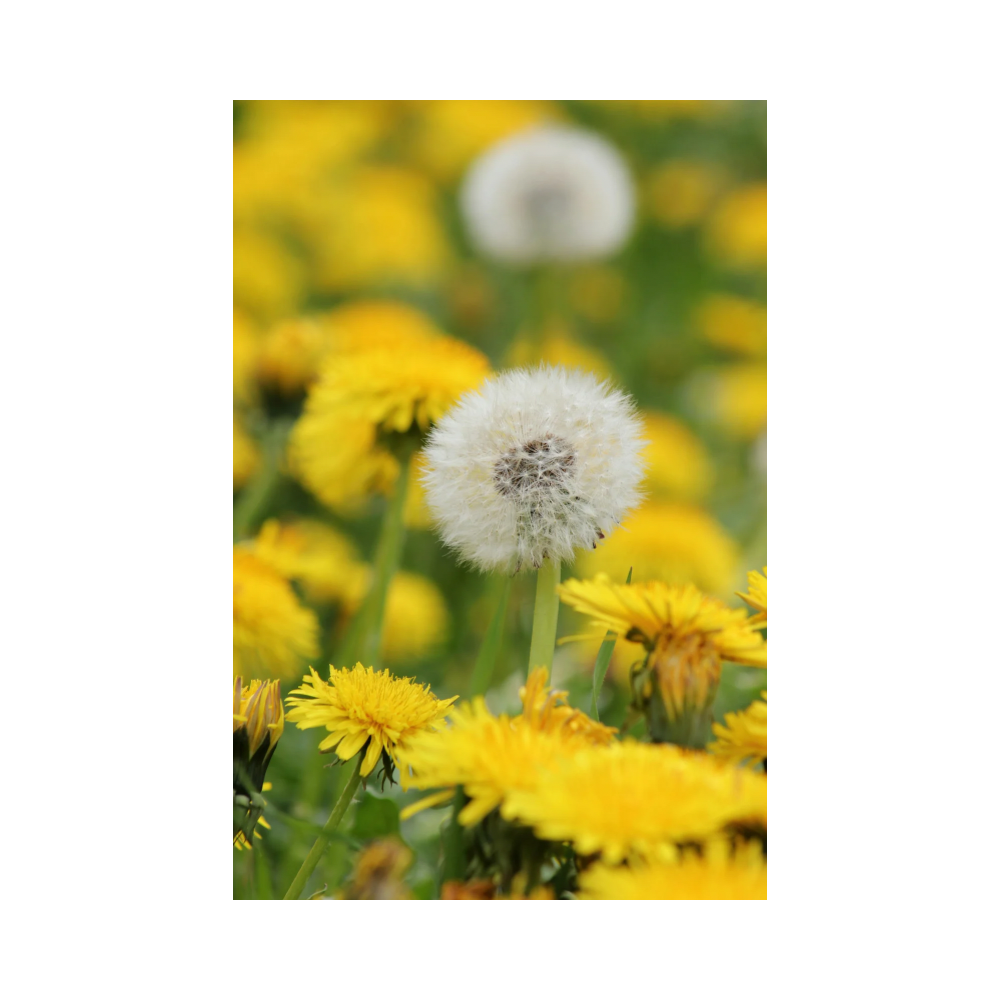
It’s late March, the snow has mostly melted, the grass is greening, and the bright yellow dandelion flowers are popping up everywhere.
After more than a decade of country living and sustainable farming on our 33-acre Michigan homestead, dandelions have gone from “weed” to one of our most valued early spring plants.
Today I’m sharing the full guide to dandelion — why it’s nutritious, how it improves soil, and simple ways to use it on the homestead.
Let’s look closer at this common plant — grab your gloves and let’s explore.
Dandelion at a Glance
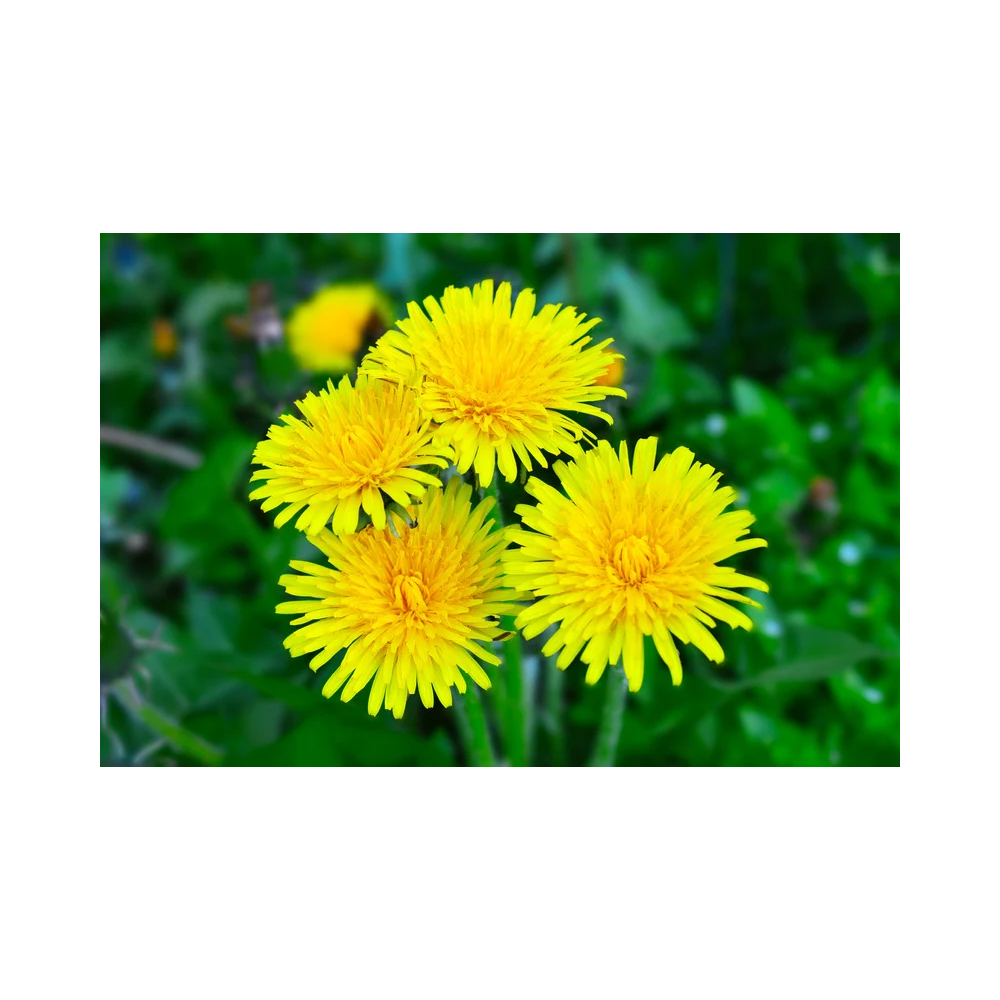
Scientific Name: Taraxacum officinale
Common Names: Dandelion, Lion’s Tooth, Blowball
Family: Asteraceae
Type: Perennial herb
USDA Zones: 3–9
Why It’s Perfect for Early Spring on the Homestead
- Early Nutrition: First fresh greens after winter
- Soil Improver: Deep taproot brings up nutrients
- Medicinal & Edible: Leaves, roots, and flowers all useful
- Pollinator Support: Early food for bees
History & Farm Story
Dandelions have been used for food and medicine for thousands of years across Europe, Asia, and by Indigenous peoples in North America. They were intentionally brought to new lands as a valuable crop.
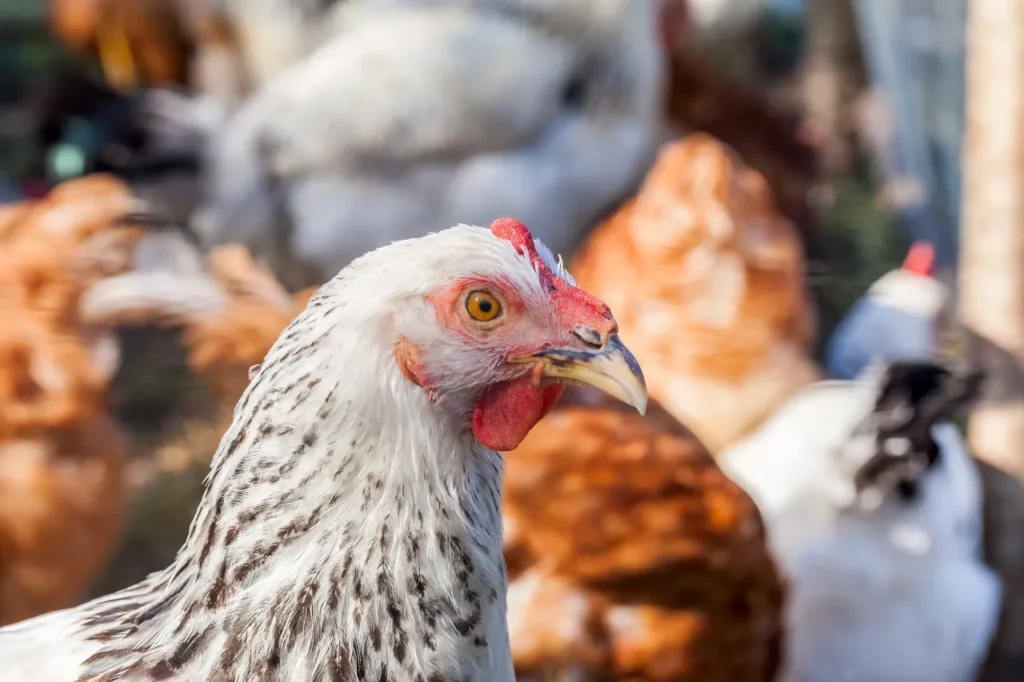
On our farm, we let dandelions grow in the chicken run and garden edges. The chickens eat the greens, the bees visit the flowers, and we harvest young leaves for salads and tea. What many see as a weed has become a free, reliable spring resource.
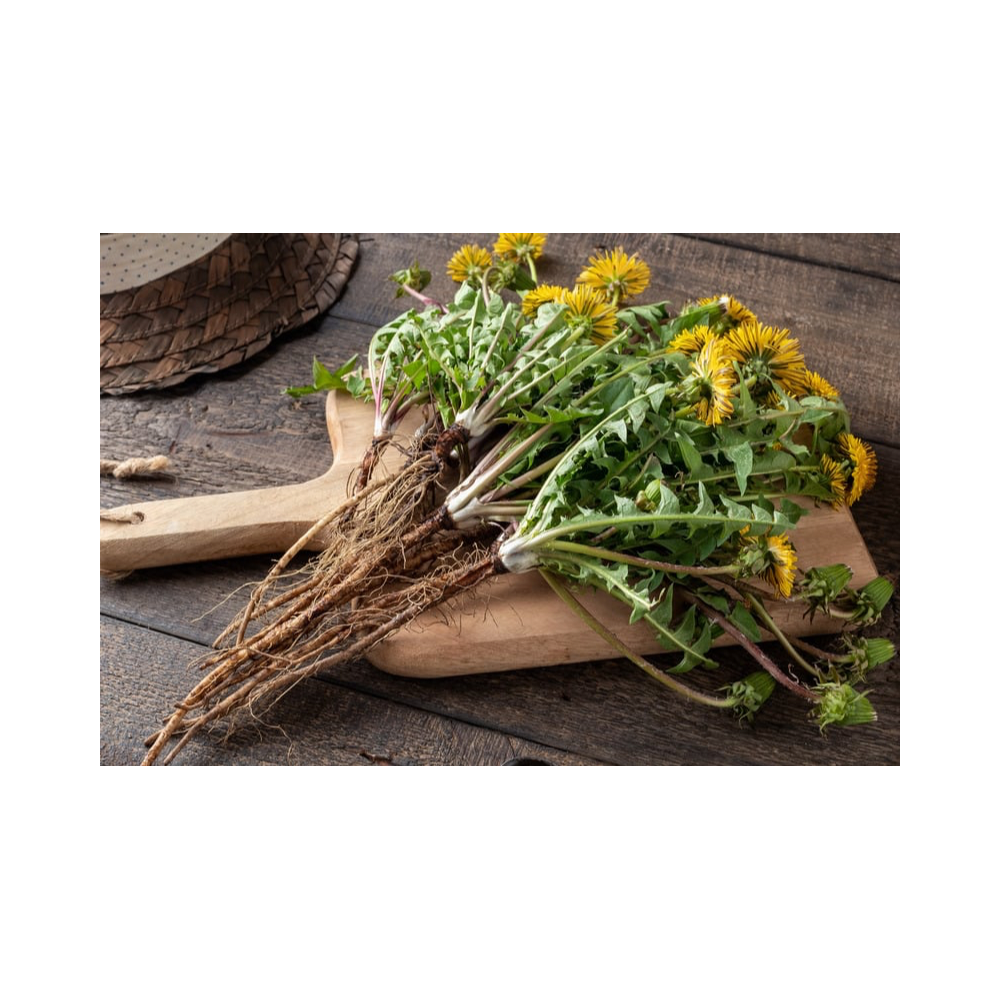
Where It’s Grown Today
- Commercial: Grown as a salad green and for herbal use
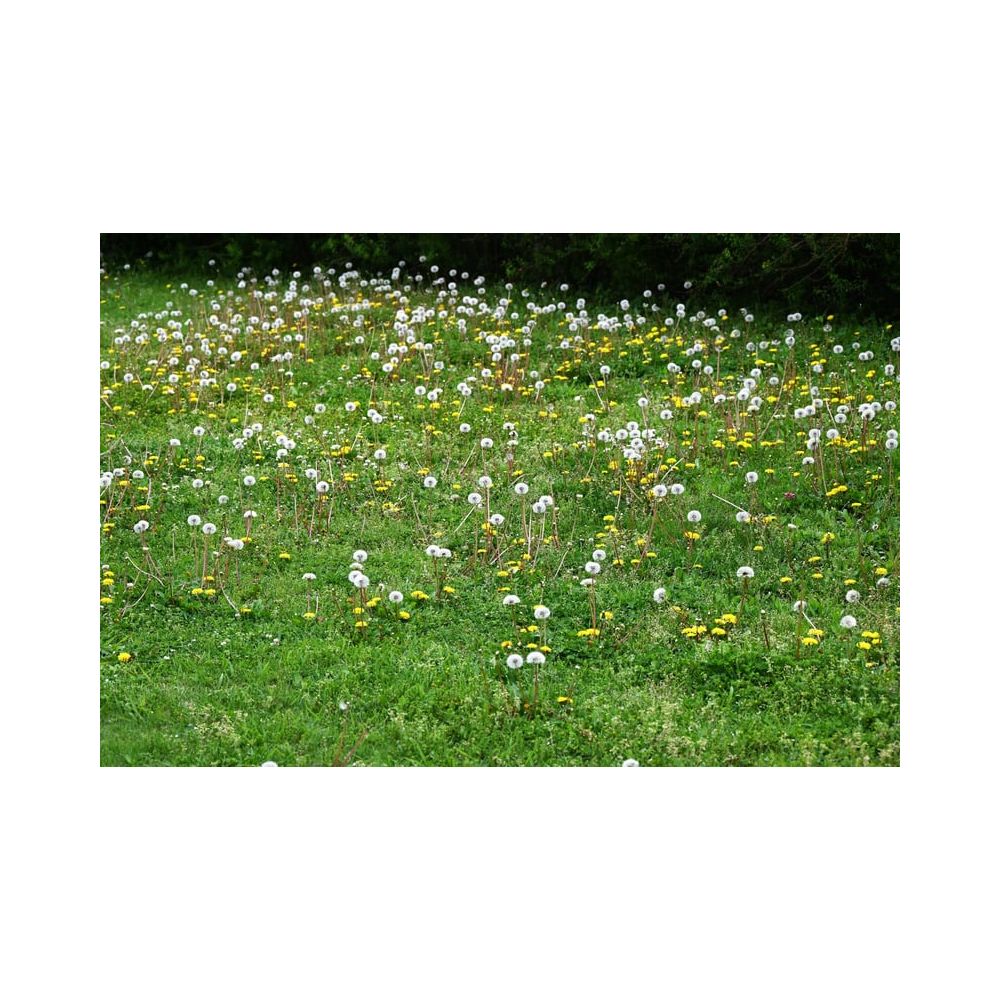
- Home/Farm: Lawns, pastures, garden borders
- Best Conditions: Full sun, disturbed soil, tolerates poor conditions
- Mature Size: 6–12 inches tall (leaves), flowers on 12–18 inch stems
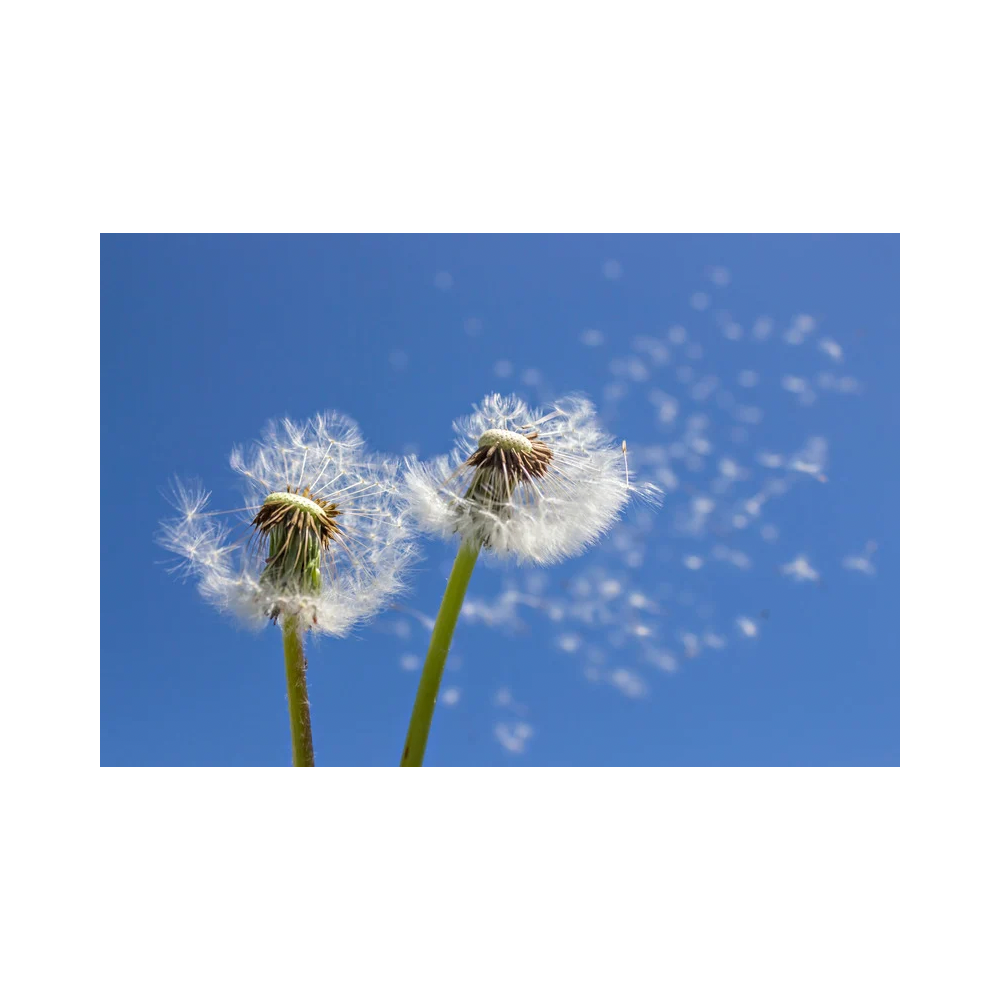
Plant Anatomy
| Part | Description | Farm Use |
| Leaves | Deeply toothed, basal rosette | Salads, tea, greens |
| Flower | Bright yellow, composite | Tea, fritters, wine |
| Root | Long taproot | Coffee substitute, medicine |
| Seeds | White puffball | Fun for kids, wind dispersal |
Agricultural Production
- Growth Habit: Perennial — returns every spring
- Propagation: Self-seeds easily
- Harvest: Leaves in early spring (before flowering for best taste), roots in fall
- Management: Leave some for bees and soil health; pull when going to seed if unwanted
Farm Hack: Let dandelions grow in the orchard or pasture — they aerate soil and provide early forage.
Fun Facts
- The name “dandelion” comes from French “dent de lion” (lion’s tooth) because of the leaf shape
- Every part is edible and medicinal
- One of the first flowers bees visit in spring
- Taproot can reach 10–15 feet deep, mining minerals for other plants
Holistic & Medicinal Uses
- Leaves: High in vitamins A, C, K — eat raw in salads or steamed
- Tea: Dried leaves or roots for liver support and digestion
- Root Coffee: Roast and grind dried roots for a caffeine-free drink
- Animal Use: Fresh greens as a tonic for chickens and rabbits
Farm Tie-In
We add young dandelion leaves to scrambled eggs and use the greens in chicken feed.
Culinary Uses
- Fresh Leaves: Salads, pestos, smoothies
- Flowers: Fritters or tea
- Roots: Roasted “coffee” or tincture
Growing Tips (Step-by-Step Guide)
Materials
- None needed — they grow wild
Steps
- Identify Safely: First, confirm the deeply toothed leaves and milky sap.
- Harvest Young: Next, pick leaves before the plant flowers for milder flavor.
- Leave Some: Then, always leave flowers for bees and some plants for seed.
- Clean Well: Finally, rinse thoroughly and enjoy fresh or cooked.
Troubleshooting
- Bitter leaves? → Harvest earlier next year or blanch under a board.
- Too many? → Eat more or feed to livestock.
Garden Friends (Companion Plants)
| Companion | Why It Works |
| Fruit trees | Mines deep nutrients |
| Grass | Improves soil structure |
| Chickens | Natural forage |
Pests & Diseases
- Rarely bothered — very resilient
- Can host aphids (which ladybugs love)
Varieties to Try
Common wild dandelion is usually best, but look for improved salad varieties like ‘Improved Giant’ or ‘French’ for larger, less bitter leaves.
Shop the Dandelion Pairing
- Laser-Engraved Slate Plant Markers
- Muscle & Joint Salve
- Bumps & Bruises Salve
Shop Now →
Parent Tips
- Let kids hunt for dandelion flowers or blow the seed puffs — turn identification into a game.
All printables are free images in the blog post. Generic version for your family to personalize and print.
A few of the items we mention link to things we actually use around the farm. Buying through those links sends a little support our way at no extra cost to you — thank you for helping keep Lange Girl Farms going!
Some links are affiliate links — I earn a small commission at no extra cost to you.
Shop our farm-made goods → https://langegirlfarms.com/shop
Let’s stay connected!
Instagram • Pinterest • Facebook • X (Twitter)
© Lange Girl Farms – All Rights Reserved