
Published: March 21, 2026
Howdy from the Woods Edge, Farm Mamas
It’s late March, the snow is melting, the ground is waking up, and the first tender greens are pushing through the leaf litter.
After more than a decade of country living and sustainable farming on our 33-acre Michigan homestead, early spring foraging has become one of my favorite ways to bring fresh nutrition to the table while the garden is still sleeping.
Today I’m sharing safe wild greens to forage in early spring, how to identify them confidently, and simple ways to use them in your kitchen.
Let’s head outside and see what the land is offering — grab a basket and let’s forage together.
Why Early Spring Foraging Matters
First, wild greens are packed with vitamins and minerals after winter. In addition, they grow with zero input from us. As a result, foraging stretches our pantry and connects us deeper to the land. Finally, it teaches careful observation and respect for what Yah provides in season.
My March Foraging Focus
- Tender leaves before they become bitter
- Plants growing in clean, unsprayed areas
- Small amounts at first to test tolerance
Safe Wild Greens for Early Spring in Michigan


Dandelion (Taraxacum officinale)
First, look for the deeply toothed leaves in a basal rosette. Next, note the milky sap when broken. Then, harvest young leaves for salads or tea. Finally, the roots can be roasted for a coffee substitute later.
Chickweed (Stellaria media)
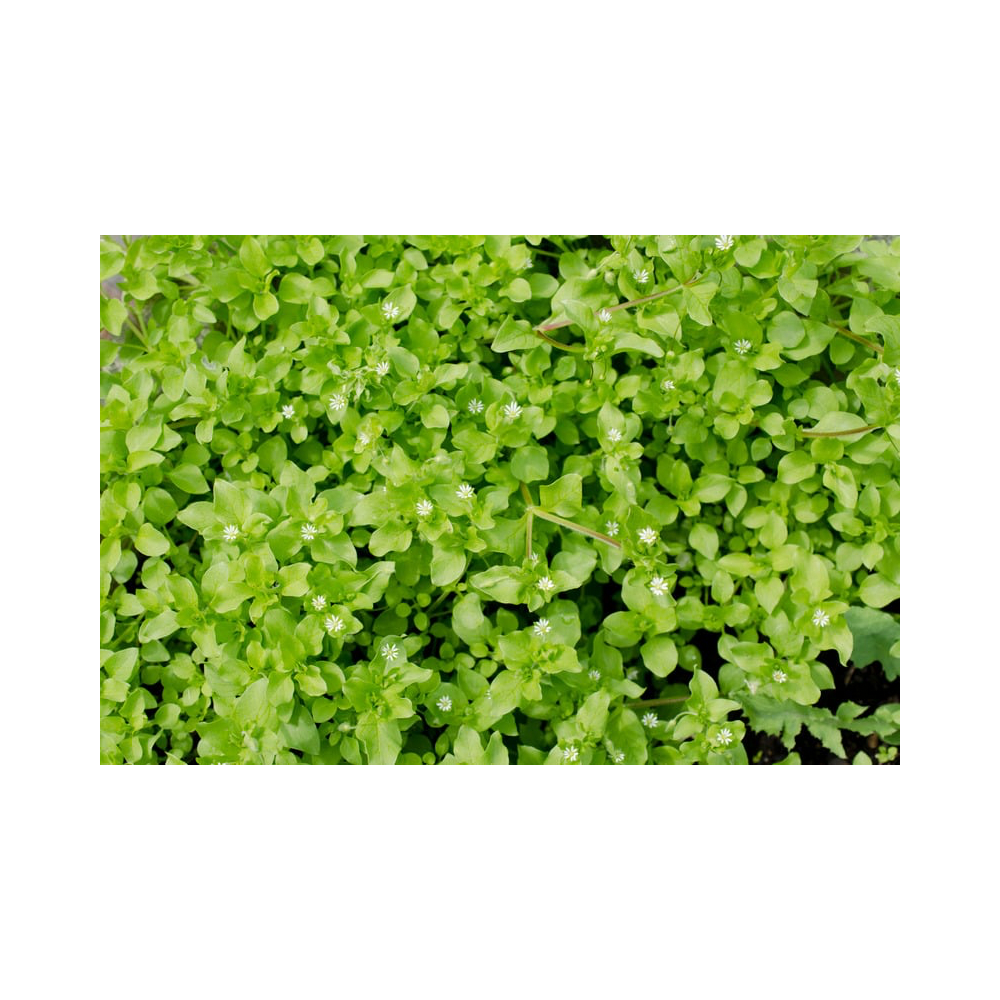
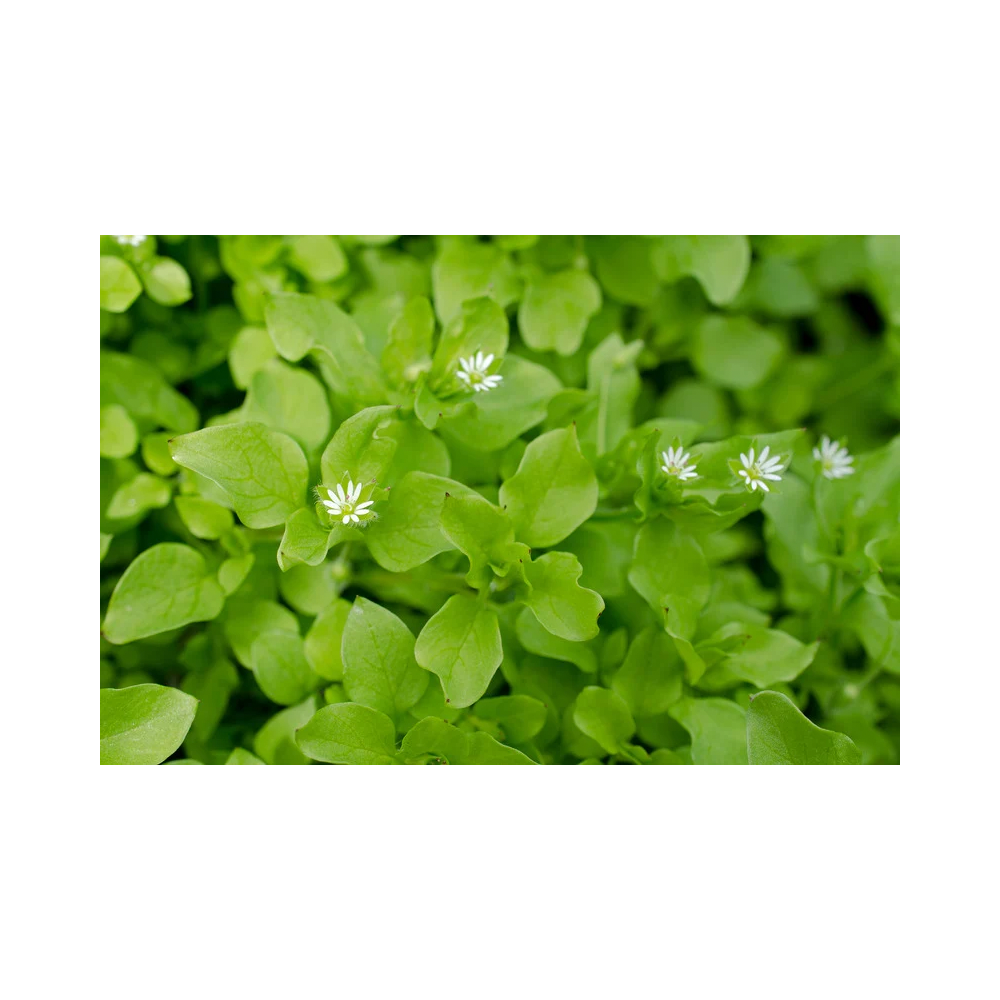
First, find the small oval leaves with a single line of hairs on the stem. Next, taste the mild, fresh flavor. Then, use in salads or as a potted green. Finally, it grows abundantly in disturbed soil.

Garlic Mustard (Alliaria petiolata)
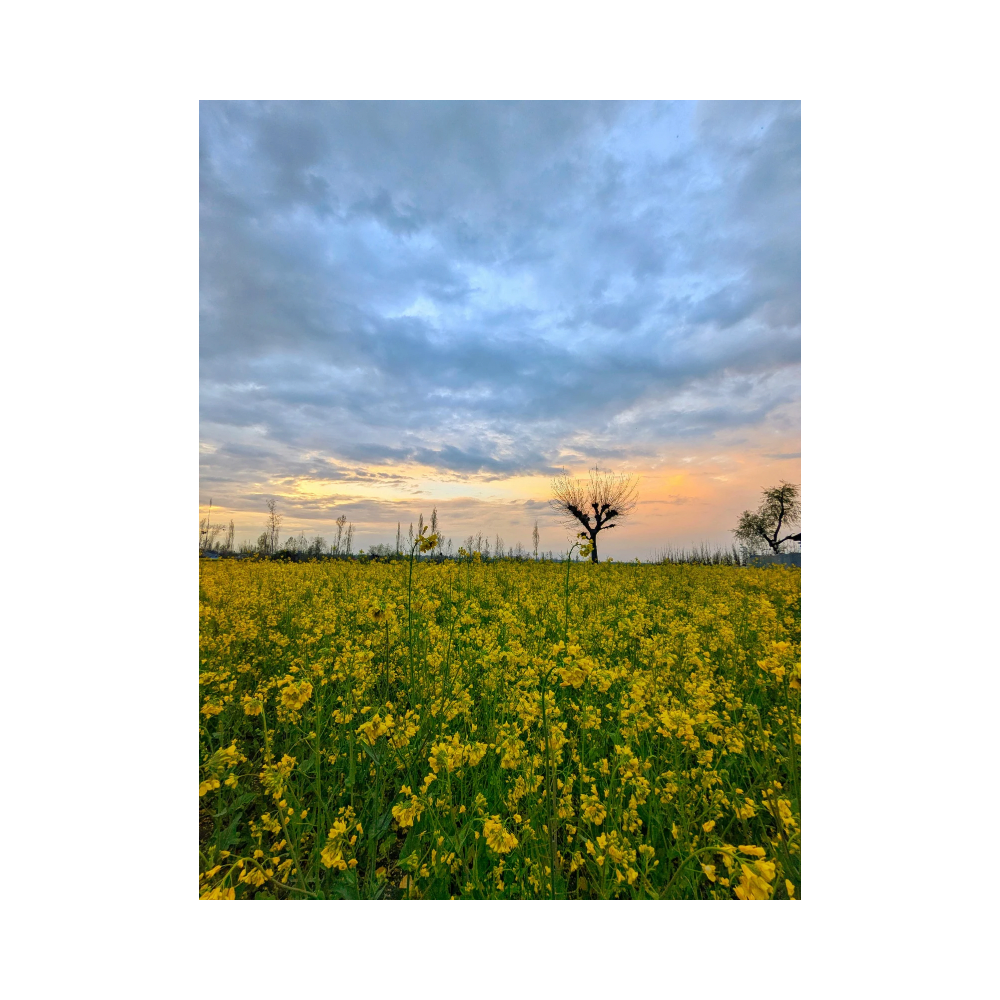
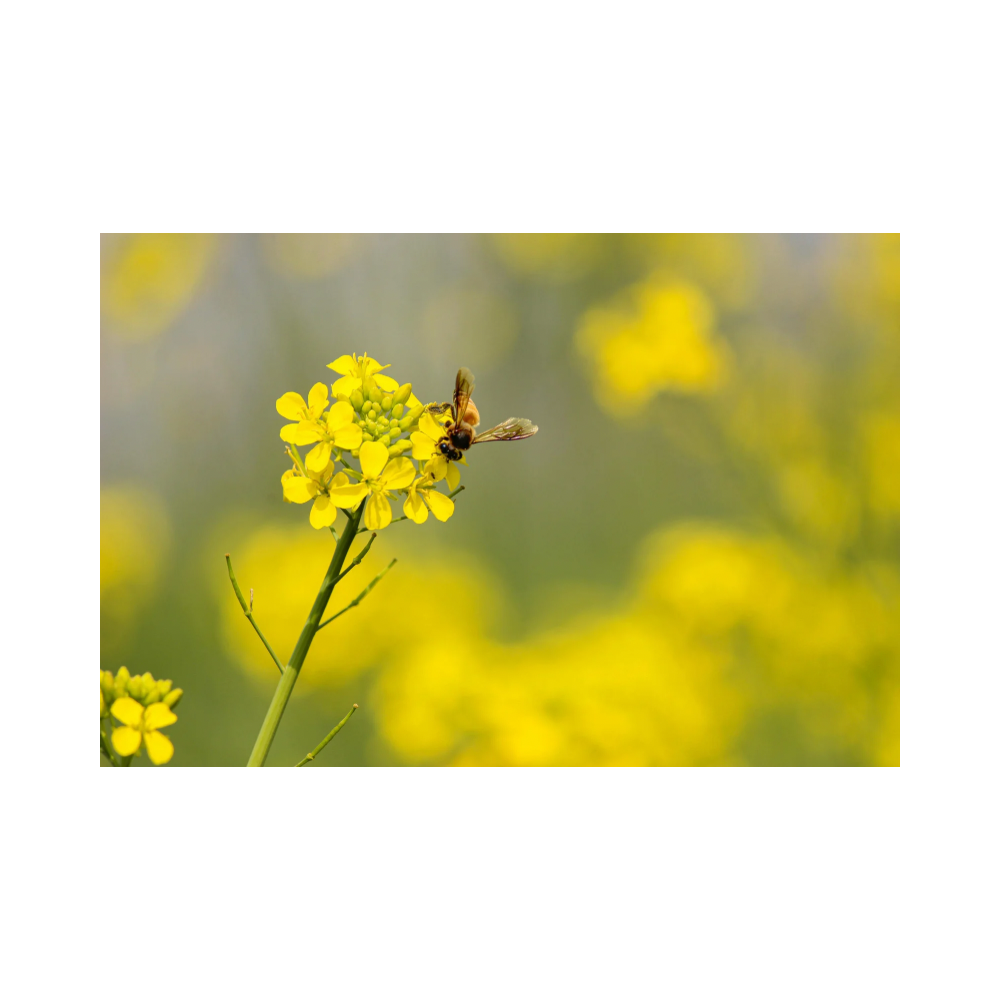
First, identify the heart-shaped leaves with scalloped edges and garlic scent when crushed. Next, harvest young leaves before the plant flowers. Then, chop into pesto or salads. Finally, pull the whole plant to help control this invasive.
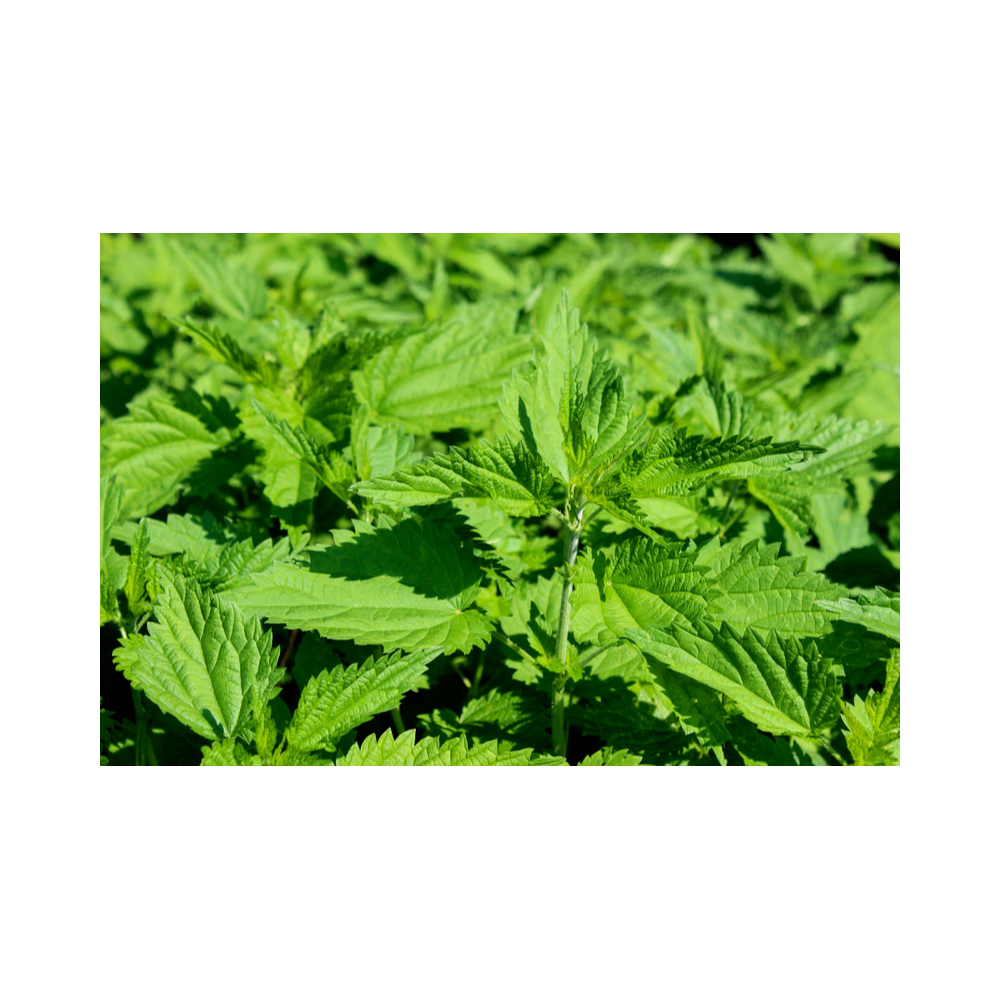
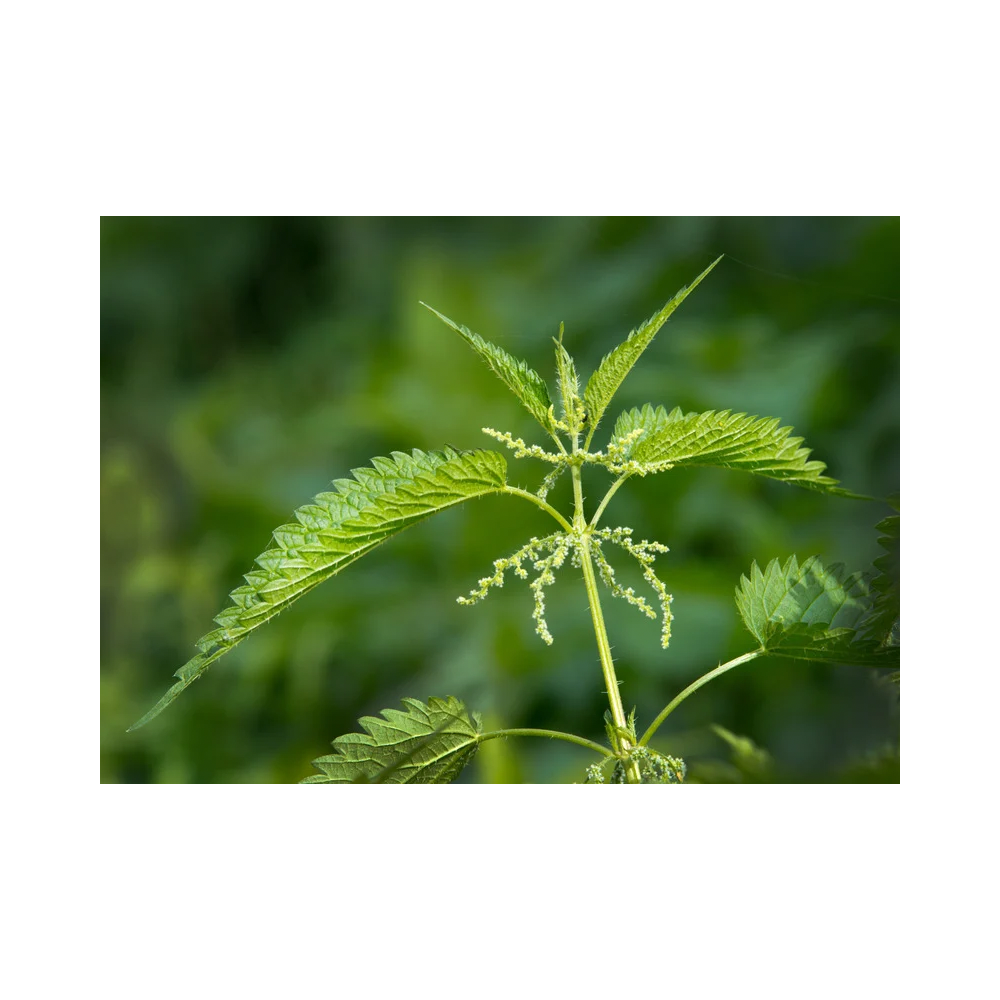
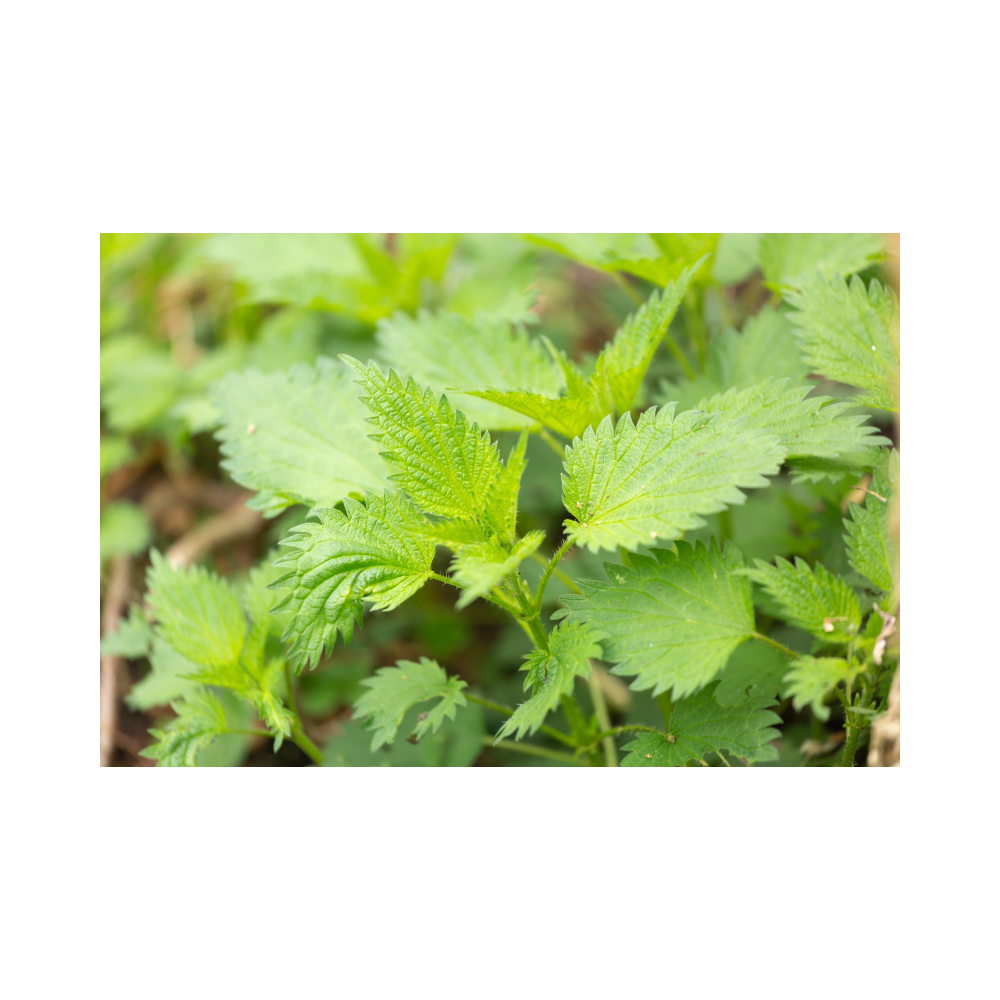
Nettles (Urtica dioica)
First, wear gloves and look for opposite, serrated leaves with stinging hairs. Next, harvest young tops. Then, steam or dry for tea to remove the sting. Finally, use as a nutrient-rich green or in soup.
Farm Tip: Always forage at least 100 feet from roads and sprayed areas. positively identify every plant before harvesting.
Foraging Safety & Identification Tips
First, use multiple field guides or apps for confirmation. Next, learn one new plant at a time. Then, take photos of leaves, stems, and habitat. Finally, start with a small taste and wait 24 hours to check for reactions.
Golden Rules
- Never eat anything unless 100% certain
- Harvest only what you will use
- Leave plenty for wildlife and regrowth
- Give thanks for the gift
Simple Ways to Use Early Spring Greens
First, add tender leaves to salads for fresh flavor. Next, sauté with garlic and butter as a side dish. Then, blend into pesto or smoothies. Finally, dry extras for winter tea blends.
Farm Hack: Mix foraged greens into scrambled eggs or soup for extra nutrition.
Quick-Reference Foraging Checklist
| Step | Action | Why It Matters |
| 1 | Research & identify | Prevents mistakes |
| 2 | Choose clean location | Avoids contaminants |
| 3 | Harvest sparingly | Allows regrowth |
| 4 | Process immediately | Keeps freshness |
| 5 | Store or use | Maximizes nutrition |
Shop the Foraging Pairing
- Laser-Engraved Slate Plant Markers
- Muscle & Joint Salve
- Bumps & Bruises Salve
Shop Now →
Parent Tips
- Let kids help look for dandelion leaves or chickweed — turn it into a nature scavenger hunt with drawings.
A few of the items we mention link to things we actually use around the farm. Buying through those links sends a little support our way at no extra cost to you — thank you for helping keep Lange Girl Farms going!
Some links are affiliate links — I earn a small commission at no extra cost to you.
Shop our farm-made goods → https://langegirlfarms.com/shop
Let’s stay connected!
Instagram • Pinterest • Facebook • X (Twitter)
© Lange Girl Farms – All Rights Reserved