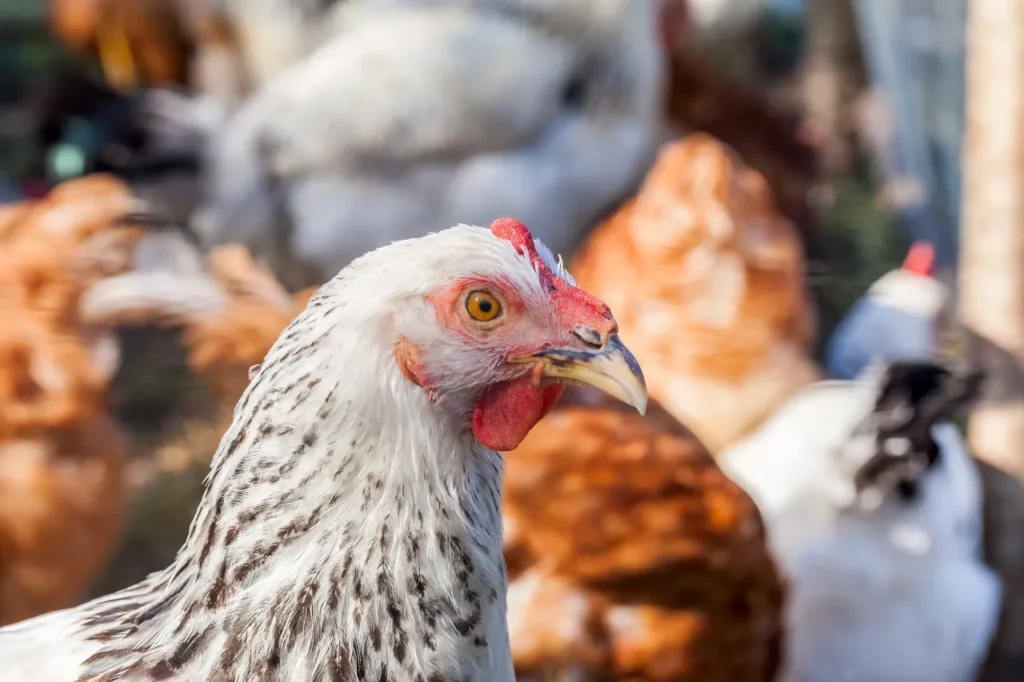
Hey farm gals, it’s Kara from Lange Girl Farms! We’ve nerded out together through this Egg Series: Part 1 showed why pasture-raised eggs from happy, foraging hens blow conventional ones out of the water with higher omega-3s, vitamins, and better fat profiles. Part 2 dove into human body benefits—complete protein, choline for brain and liver health, and why my daily 4 eggs fit right in with modern science and Dr. Eric Berg’s enthusiastic take (he eats 4-5 daily himself and highlights no valid research tying eggs to cholesterol harm in healthy folks). Part 3 uncovered the magic of raising chickens alongside barn cats: natural pest control, lower flock stress, richer eggs, and those special IgY antibodies in the yolks that can help reduce cat allergens like Fel d 1 by 30-70% in studies.
Now for the fun finale—Part 4: Practical Tips, Recipes, and Putting It All Together. After 15 years here in Southeast Michigan, with my pasture flock roaming alongside barn cats (while my huskies keep watchful eyes), I’ve turned those superior eggs into the backbone of our mornings. Whether it’s butter-scrambled cheese eggs loaded with cheddar (sometimes diced bacon or ham) wrapped in my from-scratch flour tortillas for a portable burrito, or folded into lemon poppyseed or chocolate chip muffins using my homemade dry mix plus fresh milk, eggs, and butter, these meals fuel long farm days without the crash. Let’s break it down with real data, my tried-and-true methods, tweaks for balance, and how to make eggs work for your homestead—no matter if you’re buying local pasture-raised or raising your own.
Why Daily Eggs (Like My 4-a-Day) Make Sense on a Regenerative Farm
From the studies we covered earlier, pasture-raised eggs deliver measurable upgrades: Mother Earth News testing (still a gold standard) found them with 1/3 less cholesterol, 1/4 less saturated fat, 2/3 more vitamin A, twice the omega-3s, three times more vitamin E, and seven times more beta-carotene compared to conventional. Penn State research added twice the vitamin E, more long-chain omega-3s, and better ratios. Recent 2021-2025 comparisons confirm higher carotenoids, branched-chain fatty acids for gut health, and vitamin D from sun exposure—up to 4-6x in some tests.
For your body, that translates to ~24g of top-bioavailable complete protein from 4 eggs, nearly 600mg choline (brain fuel, liver support, methylation), lutein/zeaxanthin for eye protection against blue light, and B vitamins plus selenium. Dr. Berg’s recent 2025-2026 content (like his “What Happens If You Eat 4 Eggs Every Day?” shorts) emphasizes benefits: better HDL, favorable LDL particle size, acetylcholine for focus, hormone support, skin hydration, and no mid-morning energy dips. His 14-day or 2-week challenges often report sharper memory, steadier energy, and improved lipids—aligning with observational data showing moderate egg intake (around 1-6 times/week or daily in healthy contexts) linked to lower all-cause/CVD mortality in older adults, and even reduced dementia/Alzheimer’s risk in some cohorts (e.g., Tufts study: 1+ egg/week tied to 47% lower Alzheimer’s risk; U-shaped curves where ~50-60g/day—roughly one egg—supports cognition best).
Caveats for nerd balance: Hyper-responders or those with diabetes/heart conditions may see more LDL shifts from the saturated fat add-ins (butter, cheese, cured meats), so personal bloodwork (full lipids, apoB, HDL, triglycerides, hs-CRP) is key—test before/after big changes. In my experience, the pasture edge (better omega-3:6 ratio) plus whole-food focus helps. One 2025 stroke-survivor study noted nonlinear risks with higher intake, but for healthy folks like many of us homesteaders, 2-4 daily fits well when the rest of the plate emphasizes veggies and movement.

On my farm, the regenerative loop amplifies this: hens forage diverse pasture (boosting nutrients), barn cats control rodents naturally (less stress/disease = consistent laying), and compost returns to the soil. It’s holistic—eggs aren’t isolated; they’re part of a closed system that builds resilience.
My Go-To Daily Egg Routines: Recipes with Farm Flavor
Here’s exactly how I do 4 eggs most mornings. These are simple, from-scratch, and scalable for family or batch-prep.
1. Classic Butter (or Tallow/Coconut) Scrambled Cheese Eggs
Ingredients (serves 1-2, ~4 eggs):
- 4 fresh pasture-raised eggs from the flock
- 1-2 Tbsp butter (or your preferred tallow/coconut oil for higher smoke point and animal-fat alignment)
- 1/4-1/2 cup shredded cheddar (or whatever melting cheese you have)
- Salt, pepper, optional herbs from the garden (chives, parsley)
- Optional add-ins: diced onions, peppers, spinach, or leftover farm veggies for fiber and micronutrients

Steps:
- Whisk eggs vigorously with a splash of milk or water for fluffiness—pasture yolks make them richer and more golden.
- Heat fat in a cast-iron skillet over medium-low (butter adds that comforting flavor; tallow shines for high heat without oxidation).
- Pour in eggs, let set slightly, then gently scramble. Add cheese in the last minute so it melts creamy without breaking.
- Finish with salt/pepper. Total time: 5-7 minutes.
Per my routine: This delivers satiety that lasts. The pasture omega-3s and choline keep me focused during chores. Nerd note: Cooking doesn’t destroy most nutrients (heat-stable like vitamin E, but gentle scrambling preserves more than high-heat frying).
2. Loaded Breakfast Burrito Version
Take the scramble above and add:
- Diced bacon or ham (pasture-raised when possible—minimal nitrates if uncured)
- Wrap in a homemade flour tortilla (my simple recipe: 2 cups flour, 1/2 tsp salt, 1/4 cup fat like lard/tallow/butter, warm water—knead, rest, roll thin, cook on hot griddle).
Assembly: Layer scramble + extras in the warm tortilla, roll tight. Portable for busy mornings! The homemade tortilla skips additives and sodium of store versions. Calorie-wise, one burrito lands ~600-800 depending on portions, heavy on protein/fat for steady energy.
3. From-Scratch Muffin Rotation Days
Use my dry mix (flour, baking powder/soda, salt, sugar to taste) + 2-4 eggs, milk, and butter. For lemon poppyseed: add zest, juice, poppy seeds. Chocolate chip: fold in chips.
Bake at 375°F for 18-22 minutes. Eggs add structure, protein, and richness—your pasture ones make them extra moist with deeper flavor. One muffin might use 1 egg equivalent across the batch, but I often boost with extras for choline.
Tips for success:
- Use room-temp eggs for better emulsion.
- Don’t overcook—pasture yolks firm up beautifully but stay tender.
- Batch-cook: Make extra burrito filling for quick reheats.
Tweaks for Balance and Optimization
To keep it holistic while hitting 4 eggs:
- Add volume with plants: Dice in garden produce (tomatoes, greens, peppers) for fiber, which counters any blood-sugar effects from tortillas/muffins and boosts overall micronutrients. Studies show egg meals with veggies improve satiety further.
- Fat rotation: Alternate butter with tallow (stable, traditional) or coconut oil (antimicrobial lauric acid). This varies saturated fat sources while honoring your preference over processed seed oils like canola.
- Portion awareness: If adding cheese/bacon/ham daily, monitor sodium and saturated fat via bloodwork—many thrive, but individual genetics matter. For lighter days, drop to 2-3 eggs + more veggies.
- Muffin upgrades: Reduce added sugar, swap part white flour for whole-wheat or add grated zucchini/carrot from the garden. Extra eggs boost protein without changing texture much.
- Storage and freshness: Unwashed pasture eggs last 4-6+ weeks in the fridge. Float test for older ones (fresh sink).
- For families/kids: Start smaller (2 eggs) and let them help scramble—builds connection to the flock.
Troubleshooting common issues:
- Thin shells? More oyster shell or diverse forage (bugs add calcium).
- Pale yolks? Increase pasture time/sun—carotenoids from grass/bugs deepen color fast.
- Egg overload boredom? Rotate preparations or share extras (the IgY perk makes them special for cat-allergic friends).
Integrating Eggs into Your Full Homestead Ecosystem
Your 4 daily eggs aren’t just breakfast—they close the loop. Hens turn kitchen scraps + pasture into nutrient-dense food; barn cats reduce feed loss/pests (healthier flock = consistent supply); manure feeds gardens that grow side veggies for your scrambles. It’s regenerative: lower external inputs, better soil, joyful observation (watching cats and chickens coexist peacefully when introduced thoughtfully—kittens with chicks works best, with escape perches).
Safety notes for chicken-cat harmony: Vaccinate/spay cats; provide high perches. Studies and farm reports confirm it works—natural rodent control without chemicals preserves the omega-3/carotenoid boosts in eggs.
Long-term wins: Steady choline may support brain health as we age (some 2025 reviews link moderate eggs to better memory/lower cognitive decline risk in healthy adults). Satiety helps with farm workload without excess snacking. And flavor? Guests always notice the difference in my burritos versus store-egg versions.
Final Wrap-Up and Encouragement
Farm gals, this Egg Series shows pasture-raised eggs (amplified by barn cats and regenerative practices) as a true superfood: superior nutrition from the hen’s life, body-loving benefits for most healthy adults (including my 4-a-day routine), unique allergy perks, and practical daily integration that feels nourishing, not restrictive. Science has moved past old cholesterol limits—focus on whole-diet quality, personal bloodwork, and how you feel (energy, focus, digestion).
Start small if new: Swap to local pasture eggs, try 2-4 daily in simple scrambles, and track changes. Or expand your own flock with a couple barn cats for the full magic. It’s empowering, affordable long-term, and ties straight to homesteading values.
Pin the whole series for reference, drop a comment with your egg count or favorite tweak (do you prefer burritos or muffins?), and tag a friend who needs more real-food fuel. What’s one change you’re making after reading? Come grow with me at Lange Girl Farms—we’re learning, experimenting, and thriving together, one deep-orange yolk at a time!