Hey friends, it’s Kara from Lange Girl Farms here in Southeast Michigan.
After barn chores with the alpacas and rabbits, the laundry room is where the day’s dirt and sweat from garden work, animal care, and farm life get dealt with. We toss in muddy clothes, towels that have wiped up spills, and bedding that carries dust from the barn. The washer and dryer are supposed to make everything clean and fresh again, but independent testing and real-world observations show these machines and the products we use in them can carry their own hidden layers — chemicals added for scent, softness, stain resistance, or “performance,” plus bacteria that survive in cooler cycles.
This is Laundry Room Part A in our Homestead Toxin Audit series — full nerd depth on the major laundry toxins with specific data from independent lab testing. We’re covering laundry detergents (including sheets and pods), fabric softeners and dryer sheets, scent beads and fabric sprays, the washing machine itself (biofilms, cold cycles, bacterial transfer), the dryer and its vent emissions, PFAS and other residues in clothing and textiles that get washed, and “smart” features on modern machines. Part B will share basic pantry-based swaps and recipes.
The pattern matches what we’ve seen in the kitchen and clothing: outsourcing and fast production prioritize price and speed, leaving residues that independent watchdogs flag in real products. On the farm, laundry water heads to the septic or graywater that eventually touches the garden and well. Dust from clothes tracks residues to the barn or living areas. Michigan winters keep everything closed up, so off-gassing and machine biofilms build closer to what we breathe and wear.
How Things Get Processed: The Petroleum-to-Product Pipeline in Laundry
Many laundry products and the fabrics we wash start the same way as polyester clothing or kitchen plastics in those viral videos. Crude oil or recycled plastic bottles get broken down in refineries into base chemicals, then melted under extreme heat into a thick, sticky liquid. That liquid is forced through tiny spinnerets to form fibers, films, or sheets for fabrics, detergent pods, or dryer sheet coatings. Those get stretched, cooled, dyed with synthetic colors, and hit with chemical treatments for “performance” — scent that lasts, softness, stain resistance, or wrinkle reduction. The end result looks clean and fresh on the shelf but carries hormone-disrupting additives, VOCs, quats, and forever chemicals that shed, leach, or off-gas during washing and drying.
This processing isn’t gentle. High heat, solvents, and additives create the convenience we buy, but they also lock in residues that testing keeps finding in finished products and on our clothes after laundering.
Laundry Detergents, Sheets, and Pods
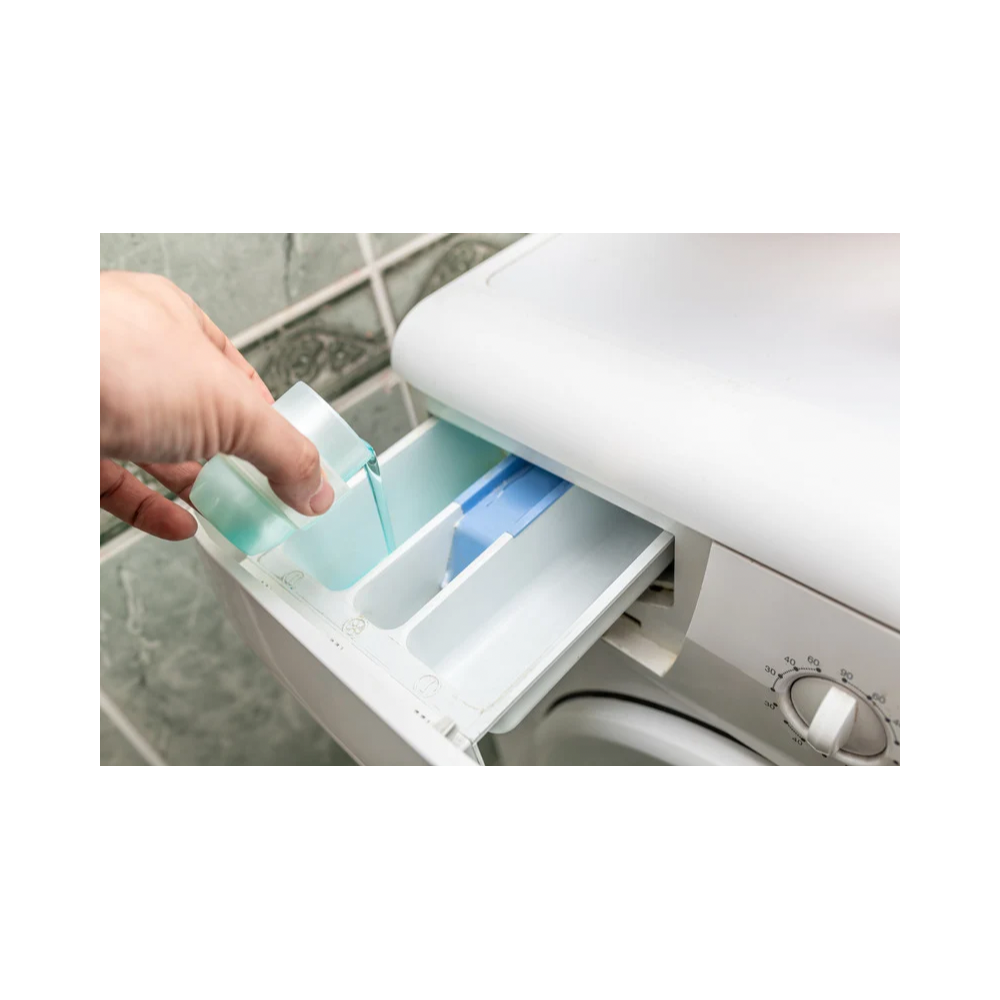
Conventional laundry detergents often include synthetic surfactants, enzymes, optical brighteners, and fragrances that hide phthalates and other additives. Independent testing by Mamavation on laundry detergent sheets found 75% showed indications of PFAS (organic fluorine marker), with levels between non-detect and 66 ppm. Fragranced versions add VOCs that can off-gas during and after washing.
Pods and liquids frequently contain undisclosed fragrance mixes linked to respiratory irritation and hormone concerns. These chemicals don’t fully rinse out — residues stay on fabrics and go down the drain to graywater, then the land.
Fabric Softeners, Dryer Sheets, and Scent Beads
Fabric softeners and dryer sheets use quaternary ammonium compounds (quats) for softness and antistatic effects, plus heavy synthetic fragrances. Independent analyses show dryer sheets can emit over 25 VOCs, with high concentrations of acetaldehyde, acetone, and ethanol — some classified as hazardous air pollutants. One study found dryer vents releasing these compounds, and fabrics treated with softener emitted 10–163% more VOCs than water-washed fabrics.
Scent beads add even more concentrated fragrance that lingers for days or weeks. Quats and fragrances can trigger asthma or skin irritation and leave residues on clothes that transfer to skin during wear. On the farm, these emissions go out the dryer vent or stay trapped indoors in winter, adding to the air we breathe while working near the machines.
The Washing Machine Itself: Biofilms, Cold Cycles, and Bacterial Transfer
Modern washers — especially front-loaders — are often promoted for energy savings with cold or eco cycles. But microbiology shows cold water (around 57°F) doesn’t kill many pathogens. One load of underwear can release 100 million E. coli into the wash water, and at low temperatures, that bacteria doesn’t die — it transfers to the next load. Studies show enteric bacteria require hot water, bleach, or both for acceptable risk levels, yet a growing percentage of households now wash over half their loads on cold.
Front-loaders are particularly problematic: a 2025 study measured bacterial loads nearly 1,000x higher than top-loaders due to moisture-trapping rubber gaskets and complex drums. Biofilms (slimy layers of bacteria including Pseudomonas, Acinetobacter, and antibiotic-resistant strains) build on seals, detergent drawers, and drum surfaces. These biofilms recontaminate every load and can harbor opportunistic pathogens. Rarely deep-cleaning the machine lets the problem compound — the “clean” machine becomes a bacterial trading floor.
On the farm, this means clothes that touch skin, animals, or garden dirt can carry surviving bacteria or residues back into daily life. Graywater from the wash carries detergent chemicals and microbes to the septic or garden.
The Dryer and Vent Emissions
Dryers add heat-activated emissions from softener residues and fabric treatments. Dryer vents release VOCs (including benzene and limonene) into outdoor air or back indoors if not properly vented. Heat from the dryer can volatilize chemicals already on clothes, spiking indoor air quality during cycles. “Smart” dryers with WiFi for app control add constant or pulsed RF signals.
PFAS and Residues in Clothing and Textiles
Many clothes, towels, and bedding come pre-treated with PFAS for stain or water resistance. These “forever chemicals” don’t wash out completely — residues persist through laundering and can transfer to skin or wash water. Independent testing on textiles shows PFAS in performance fabrics, and washing releases them into graywater. Combined with detergent PFAS (75% of tested sheets positive), the laundry cycle can spread these persistent compounds.
“Smart” Features on Laundry Machines
Many new washers and dryers have WiFi, app monitoring, or voice control for “convenience.” These add constant or pulsed RF/ELF fields while running or in standby. Like induction cooktops, the “smart” efficiency comes with exposure right in the laundry space where we often stand folding or loading for longer stretches.
Why This Matters on the Homestead
The laundry room isn’t isolated. Wash water heads to the septic or graywater that touches the garden and well. Clothes and towels sit against skin or get used on animals. Dust from the machines tracks residues to other rooms or the barn. Michigan winters keep everything closed up, so VOCs, off-gassing, and machine biofilms build closer to what we breathe and wear. These conveniences shift real costs to health, water, and land — the same “out of sight” trap as fast fashion and kitchen plastics. Cold cycles and smart features promise savings or ease, but independent findings show they can leave bacteria, chemicals, and fields behind.
In Laundry Room Part B, we’ll cover practical swaps: simple detergent recipes, vinegar as softener/rinse, wool dryer balls, ways to maintain the machines, and reducing reliance on scented products and disposables. These line up with reusing and keeping things closer to the land.
I’d love to hear what’s raising questions in your own laundry routine. Have you noticed musty smells or started questioning cold cycles? Comments help as we walk through these spaces.
From the farm,
Kara
Lange Girl Farms
Related series to check: Water Series | Skin & Beauty Series | Glyphosate Series (separate deep dive)