
Backwards Bug Battles: Why Quick-Fix Pest Products Fail — and How True IPM Builds a Resilient Farm (or Homestead)
Hey friends, it’s Kara from the farm. We’ve spent the first three posts exposing how common gadgets like bug zappers, baits, lures, and ultrasonic devices often deliver flashy results while killing far more beneficial insects than pests and failing to address root causes such as standing water. Today we scale up to the broader category of chemical interventions: broad-spectrum sprays (especially pyrethroids), systemic insecticides like neonicotinoids, foggers, and “area-wide” adulticides. These are the tools many farms and homeowners reach for when mosquitoes, flies, or garden pests become noticeable — promising quick knockdown or season-long barriers.
The pattern holds: they can reduce visible pest pressure in the short term, but they frequently harm non-target organisms (pollinators, predators, soil life), contribute to resistance, disrupt natural biological control, and create dependency. This mirrors the glyphosate story — marketed for effortless control, yet linked to longer-term ecosystem costs like superweeds, soil shifts, and reduced resilience. Media and product labeling often emphasize convenience and immediate efficacy while giving less attention to nontarget data or the value of prevention.
We’ll review the science on effectiveness versus collateral damage, examine rebound and resistance effects (the “pesticide treadmill”), and connect it to farm-level realities around livestock, barns, and gardens. Then we’ll preview why IPM offers a smarter alternative.
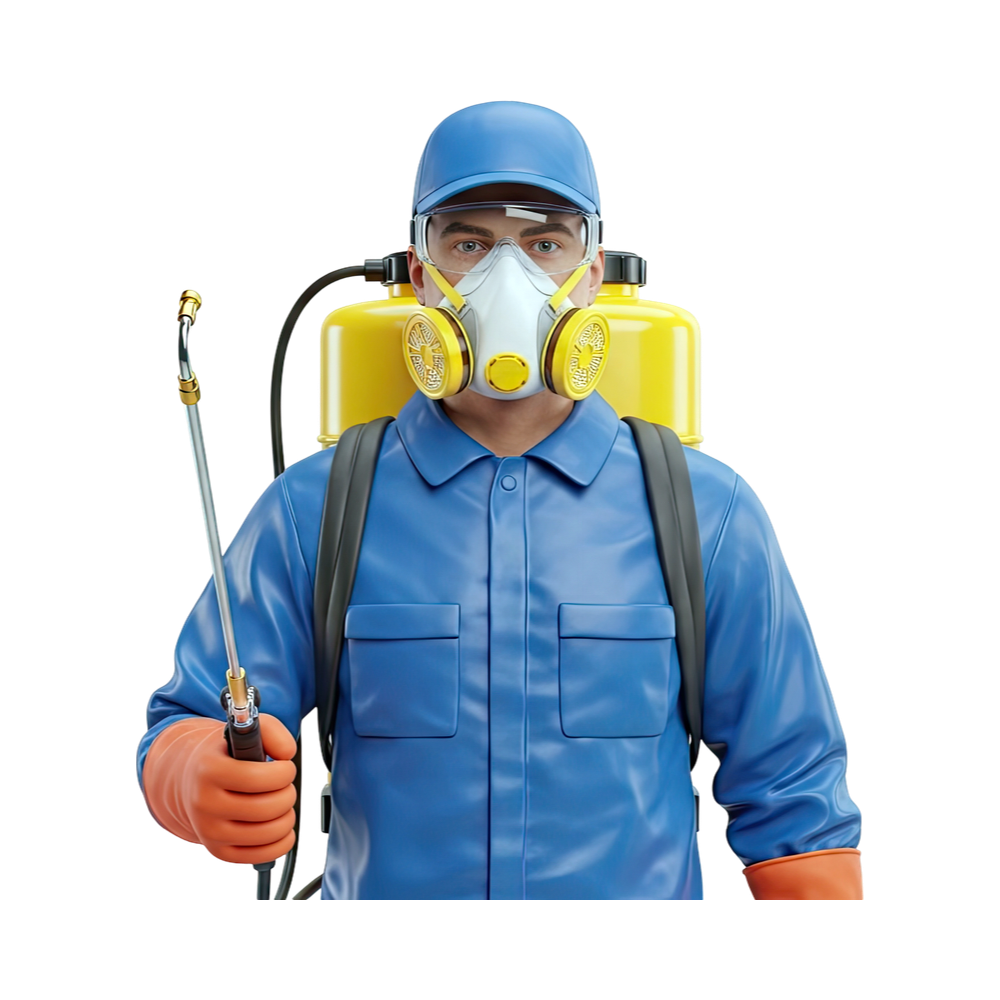
Broad-Spectrum Sprays: Pyrethroids and Similar Contact Insecticides
Pyrethroids (permethrin, bifenthrin, cyhalothrin, prallethrin, etc.) dominate many yard “mosquito barrier” treatments, barn fly sprays, and foggers because they provide fast knockdown of flying insects on contact or through residual exposure. They are synthetic versions modeled after natural pyrethrins from chrysanthemums and are valued for relatively low mammalian toxicity and shorter environmental persistence compared to older organochlorines.
However, they are broad-spectrum and non-selective. They target the nervous systems of a wide range of insects, affecting beneficials as well as pests.
- Sublethal effects on bees: Studies show orchard-applied pyrethroids can reduce foraging distance (30–71% less travel in some trials), alter time spent near food sources, and cause other behavioral changes even at low doses. Residues appear in pollen, wax, and bee samples from treated areas.
- Impacts on other beneficials: Dragonflies, lacewings, ladybugs, predatory wasps, and ground beetles often suffer direct mortality or reduced reproduction. One review of terrestrial nontarget effects highlighted risks to “beneficial” arthropods that provide natural pest control.
- Variable field results: Some volatilized pyrethroid devices (portable repellers) showed no significant impact on honey bee foraging or waggle dancing in controlled trials, suggesting context matters (application method, timing, dose). Aerial or ULV adulticiding for mosquitoes has produced mixed nontarget outcomes — sometimes low direct mortality on sentinels like butterflies or spiders, other times clear reductions in less-chitinized invertebrates or pollinators 3–24 hours post-fogging.
On farms, pyrethroid sprays around livestock areas or garden perimeters can temporarily lower adult mosquito or fly numbers, but drift or residues may hit pollinators visiting nearby blooms or predators that keep secondary pests (aphids, mites) in check. Labels often instruct avoiding blooming crops or applying at night, yet real-world timing and weather don’t always align perfectly.
Systemic Neonicotinoids: Long-Lasting and Pervasive
Neonicotinoids (imidacloprid, clothianidin, thiamethoxam, etc.) are applied as seed treatments, soil drenches, or foliar sprays. They are absorbed by plants and move systemically into leaves, pollen, nectar, and roots — making them effective against sucking and chewing pests like aphids or beetles.
Their persistence (weeks to years in soil) and water solubility create widespread exposure:
- Effects on pollinators: Sublethal impacts include impaired foraging, navigation, learning, and memory in bees. Field studies on wild bees (bumblebees, solitary bees) have shown reduced colony growth, reproduction, and nesting success in treated areas, while honey bee colony-level effects are sometimes less pronounced. Exposure occurs via contaminated pollen/nectar even at field-realistic doses.
- Soil and beneficial invertebrates: Neonics harm earthworms, springtails, ground beetles, dung beetles, and other decomposers or predators. Reviews of nearly 400 studies found pesticides (including neonics) harmed soil-dwelling invertebrates in ~71% of cases. This disrupts nutrient cycling, soil structure, and natural pest suppression.
- Cascading effects: Reduced predatory beetles can lead to slug or other secondary pest increases. Aquatic runoff affects stream invertebrates. One analysis linked neonics to potential risks for hundreds of endangered species via indirect food-web impacts.
Seed treatments on corn or soybeans are common, yet some studies question consistent yield benefits in certain systems while documenting nontarget costs. On vegetable or mixed farms, soil drenches or sprays near gardens amplify exposure to pollinators and soil life.
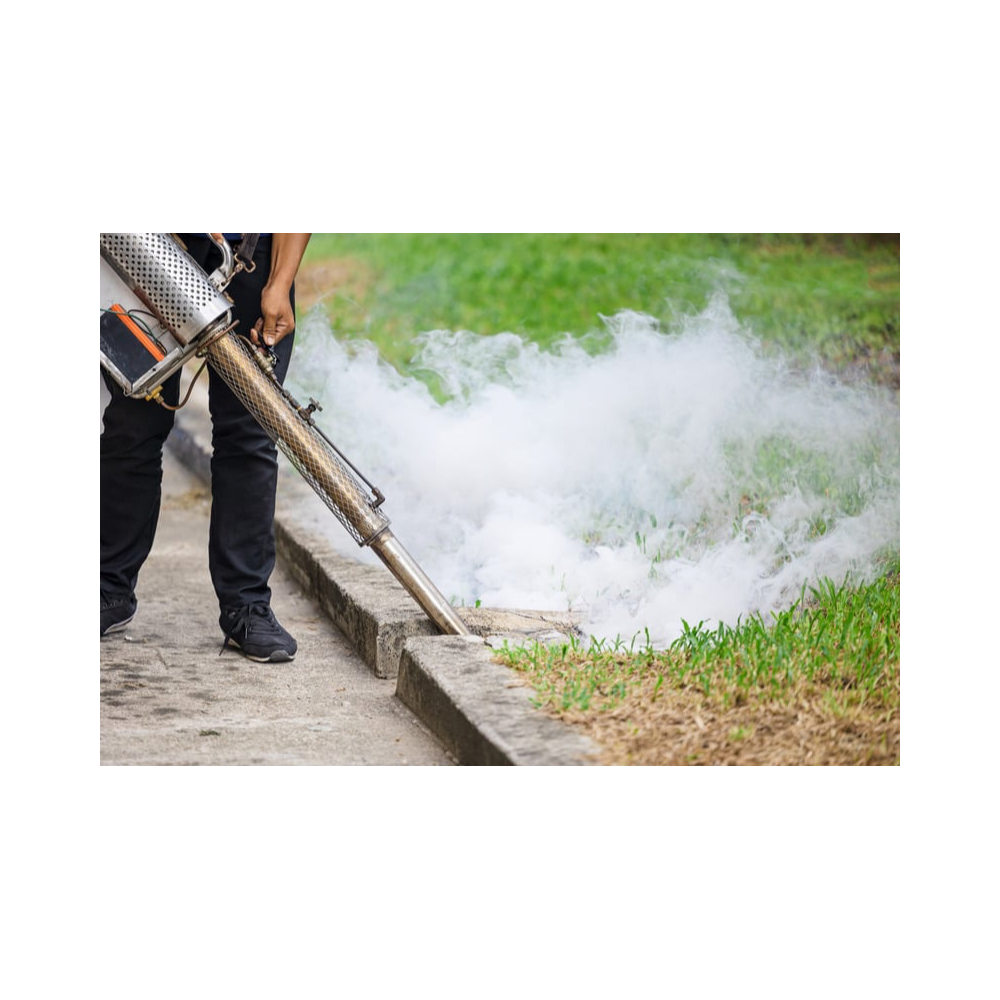
Foggers, Propane Traps, and Area-Wide Adulticides
Thermal or ULV foggers disperse fine insecticide droplets (often pyrethroids or pyrethrins) for quick adult mosquito knockdown in yards, events, or around barns. Propane-powered traps generate CO₂ + heat + attractants to draw and kill mosquitoes.
- Effectiveness: Fogging reduces adult mosquitoes locally in the short term but requires repeated applications and can miss larvae or resting adults in vegetation. Persistent or frequent fogging has shown clear nontarget reductions in pollinators and less-protected invertebrates (down to 5–58% of pre-fog counts in some tropical forest trials).
- Propane traps: These can lower local biting rates by pulling mosquitoes from a radius, but they may concentrate activity or pull insects from surrounding untreated areas without eliminating breeding. Nontarget capture is lower than zappers, but not zero.
- Broader issue: Adulticides treat flying adults while ignoring larval habitats — the root cause. Repeated use selects for resistance in mosquitoes and disrupts predators/parasitoids.

The Pesticide Treadmill: Rebound, Resistance, and Dependency
Broad killing removes natural enemies (dragonflies eat mosquito larvae/adults; bats and birds consume thousands of insects nightly; parasitic wasps and predatory beetles suppress garden pests). With fewer checks, target or secondary pests rebound — sometimes worse than before. Pests also evolve resistance: over 500–1,000 insect species show resistance to one or more pesticides, driving higher doses or new chemistries.
This creates the treadmill: more applications, higher costs, greater environmental load, and declining ecosystem services (pollination, decomposition, biological control). A multi-year Purdue study on corn-watermelon systems found IPM plots used ~95% less insecticide than conventional calendar sprays while maintaining or increasing yields, thanks in part to conserved wild pollinators and natural enemies. Pest densities were sometimes higher in IPM but stayed below economic thresholds, with secondary outbreaks more common under heavy spraying.
Glyphosate parallel: Just as repeated broad herbicide use selects superweeds and degrades soil biology, insecticide overuse selects resistant pests and erodes beneficial communities. Media often highlights short-term protection (fewer bites, cleaner fields) while the full accounting — resistance data, nontarget studies, long-term resilience losses — gets less consistent coverage.
Farm-Level Realities and Why the Gap Persists
On livestock operations, sprays around barns or pastures offer temporary fly/mosquito relief but can stress pollinator-dependent forage or hit dung beetles important for manure breakdown. Gardens suffer when ladybugs or lacewings decline, leading to aphid flares. Barriers to shifting away include perceived risk (“what if I lose the crop?”), upfront scouting effort, and marketing that frames chemicals as reliable insurance.
Yet data from extension programs and field trials show IPM often reduces total inputs and improves profitability once established — fewer sprays, healthier soil, stronger natural controls.
Farm Try-It for This Post
Audit your chemical tools this week:
- List all sprays, foggers, neonics, or adulticides in use (barn fly sprays, yard barriers, seed treatments, etc.). Note active ingredients, frequency, and target areas.
- Observe one treated versus untreated spot (e.g., sprayed versus unsprayed garden edge or paddock) for beneficial activity: ladybugs, lacewings, dragonflies, bee visitation, or bird/bat foraging.
- Identify a high-pressure area and trial one prevention step instead of another spray round — for example, dump or screen a water source, or delay treatment to scout thresholds. Track pest levels and any natural enemy presence over 7–14 days.
Share your audit or trial results in the comments. Real experiences from farms and homesteads help bridge the gap between studies and daily practice.
We’ve now covered the main quick-fix categories. The next posts will transition fully into true IPM — its principles, the hierarchy of tactics (prevention first, targeted last), and a practical playbook with farm-tested steps for mosquitoes around livestock, barn flies, garden pests, and more. We’ll show how monitoring, cultural practices, biological allies (Bti, bat houses, diverse habitats), and selective tools build resilience without the treadmill.
Next: Rethinking “pests” — the value of dandelions, beneficial insects, and why tolerating low levels pays off.
Thanks for sticking with the series and sharing your thoughts on earlier posts. If you have experiences with sprays or neonics on your operation (livestock areas, gardens, etc.), let us know below — we’re building this resource together.