Hey farm gals, it’s Kara from Lange Girl Farms!
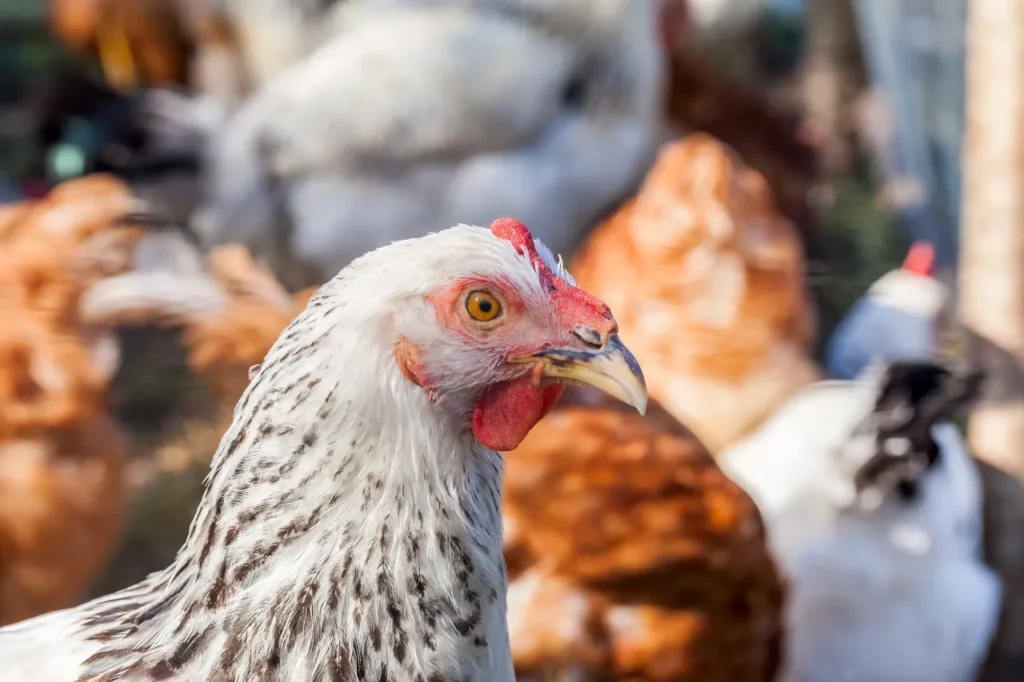
After laying out the shocking food contamination numbers in Part 4, I spent some time this afternoon torching a few early weeds and hand-weeding around the microgreens beds while keeping a close eye on my pregnant mini mare. She’s getting nothing but the cleanest pasture and calm routines as she carries her foal—no drift, no residues, no risks we can control. The Siberian huskies were zooming around, the llamas and alpacas stood guard, and the chickens and ducks foraged happily in their clean run. Moments like these make it crystal clear why we refuse every chemical shortcut. Our animals, especially the expectant ones, deserve better than what the corporate system has delivered.
In Part 5 we’re following the money all the way from the boardrooms to the courtrooms. Who owns this chemical now? How did one company’s toxic past lead to billions in payouts while the product stays on shelves? And what does it mean when a giant pharmaceutical corporation ends up profiting from both the probable carcinogen and the cancer treatments that follow? No conspiracy theories here—just the documented corporate trail, acquisition numbers, settlement details, and the pattern of denial that has left so many families and farms paying the real price.
The Corporate Handover: Monsanto to Bayer in 2018
Monsanto developed and marketed Roundup starting in 1974. For decades it was their flagship product. In 2018, German pharmaceutical and chemical giant Bayer acquired Monsanto for $63 billion—one of the largest agribusiness deals ever. Bayer didn’t just buy the company; it inherited the glyphosate liability.
Almost immediately, the lawsuits exploded. Farmers, landscapers, and homeowners diagnosed with non-Hodgkin lymphoma (NHL) after years of exposure filed claims alleging Monsanto failed to warn about the cancer risks despite internal knowledge and the IARC’s 2015 “probably carcinogenic” classification.
Bayer has repeatedly said it stands behind the safety of glyphosate and that the settlements are not admissions of guilt. But the financial reality tells a different story.
The Lawsuit Numbers: Billions Paid and Still Counting
By early 2026, Bayer had already paid out over $11 billion in Roundup-related settlements and jury awards for thousands of cases. That includes a massive 2020 global settlement resolving over 100,000 claims for roughly $10–11 billion (with additional funds set aside for future claims at the time).
Then came the February 17, 2026 announcement: Monsanto (still operating as a Bayer subsidiary) proposed a $7.25 billion class settlement to resolve both current and future NHL claims. The structure is unusual—declining capped annual payments spread over up to 21 years—giving Bayer more financial predictability while creating a fund for plaintiffs.
In March 2026, a Missouri state court judge granted preliminary approval to the deal. A final approval hearing is scheduled later, and the agreement could still be terminated if too many plaintiffs opt out. Bayer also increased its overall litigation provisions from 7.8 billion euros to 11.8 billion euros to cover this and related costs. The company projected negative free cash flow for 2026 partly due to these payouts.
Individual payouts in the class would vary based on factors like age at diagnosis, severity of NHL (aggressive vs. indolent), and exposure history. Some earlier individual verdicts had been in the millions (with punitive damages often reduced on appeal), but the class approach aims to contain the flood of cases.
The Pharma Irony: Selling Both the Chemical and the Treatments
Here’s the part that hits hard for many homestead gals watching corporate accountability: Bayer is a major pharmaceutical company. It develops and sells oncology drugs—treatments for cancers, including lymphomas. After acquiring Monsanto, Bayer found itself in the position of profiting from products linked to cancer while also selling drugs that treat those same cancers.
This isn’t lost on the families who have filed suits or the regenerative farming community. While Bayer maintains glyphosate is safe when used as directed and points to regulatory approvals (EPA vs. IARC differences), the billions in settlements and ongoing provisions show the real-world cost of that position. Ghostwriting of studies, heavy lobbying, and regulatory influence have been alleged in court documents and investigations over the years—patterns that echo Monsanto’s earlier defense strategies.
Why This Matters for Regenerative Homesteads Like Ours
We don’t buy the “safe when used as directed” line when drift, runoff, residues in food, and unexpected exposures (like the vaccine findings in Part 3) are documented realities. My pregnant mini mare gets forage we know is clean because we’ve seen the reproductive and organ risks in livestock studies. Our huskies, llamas, alpacas, chickens, and ducks live without the microbiome disruption or DNA damage risks that come from contaminated environments or feed.
The money trail shows why change is slow: massive corporate interests, long-term payment plans that spread liability, and continued sales of the product while fighting in court. That’s exactly why we hand-weed, torch weeds, mulch, and build soil the natural way. We’re not waiting for perfect corporate reform—we’re protecting our own land, animals, and plates right now.
Series Roadmap – What’s Next
Part 6: The roots—1950 synthesis of glyphosate, the 1964 Stauffer Chemical patent as a pipe descaler/chelator (never intended for food crops), the full Agent Orange battlefield history (20+ million gallons sprayed 1962–1971 with Monsanto’s supply role and known dioxin devastation on veterans and millions of Vietnamese civilians), and Monsanto’s rapid pivot to commercializing Roundup in 1974 as the “safer” replacement.
Part 7: Reclaiming our land—our exact holistic methods (hand-weeding, torch burning, mulch, cover crops, animal grazing management with our mini horses and llamas/alpacas), Michigan soil troubleshooting, and a free printable “No-Glyphosate Homestead Checklist.”
The corporate money flow is eye-opening, but it doesn’t have to define our farms. We can vote with our practices and our purchases every single day.
Pin/save the series and drop a comment: Have you followed the lawsuit updates? What corporate accountability issues worry you most on the homestead? I read every one and appreciate your stories.
If you want to support a small regenerative farm that refuses these chemicals, visit our shop for wildcrafted salves (soothing after a day of hand-weeding or torch work), herbal teas grown without sprays, or non-GMO seeds to grow your own clean food. Every order helps us keep doing it right.
We can build healthier futures for our animals and families—one toxin-free choice at a time.
See you in Part 6, farm gals!
With love from the pasture,
Kara
Lange Girl Farms