January 7, 2026|Foraging, Gardening, Homesteading, Tips
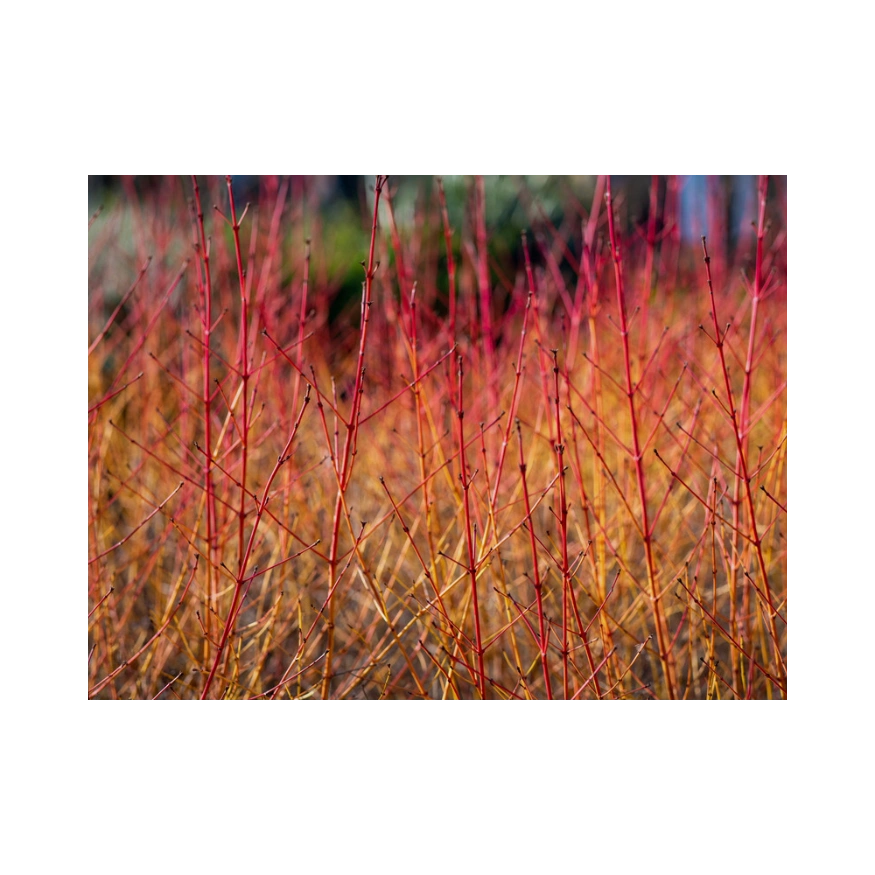
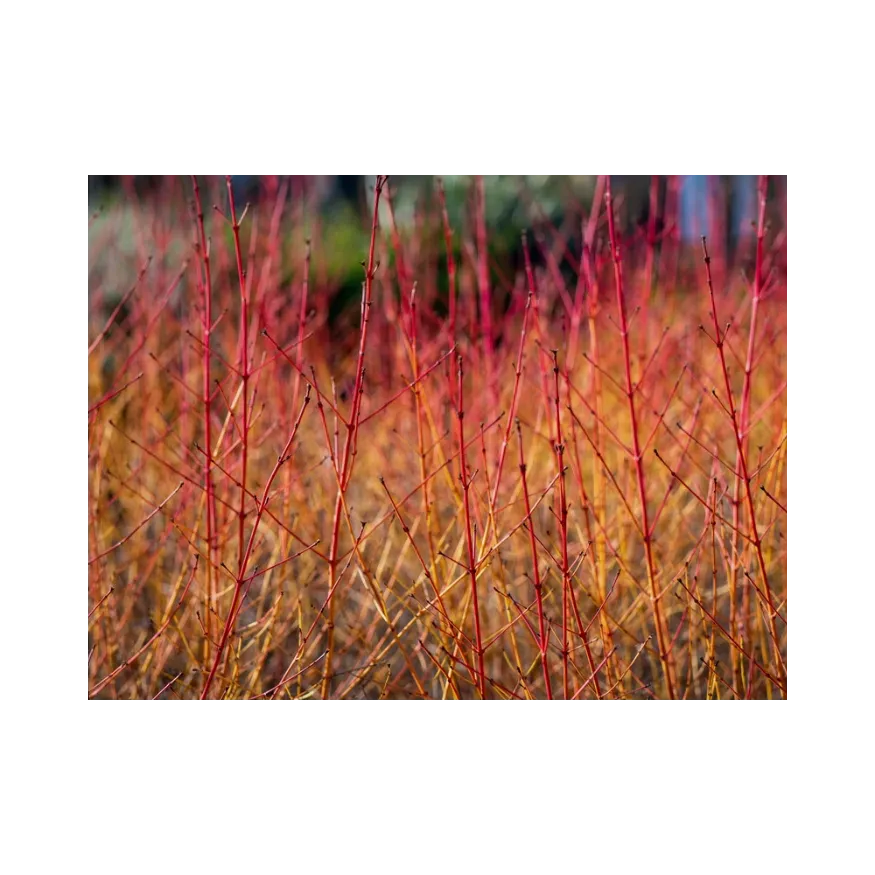
Happy New Year from Lange Girl Farms! One of the brightest spots in our Southeast Michigan winter landscape is the fiery red stems of Cornus sericea, commonly known as red twig dogwood (or red osier dogwood). This native shrub lights up the quieter days and provides year-round interest on the farm. We have several clumps along our wetter areas, and they’re a favorite for both beauty and utility. Today’s Plant of the Week is a full guide to red twig dogwood—identification, care, homestead uses, and why it’s perfect for a northern farm. Pair it with our Muscle & Joint Salve for those pruning hands!
Identification & Characteristics
Cornus sericea is a deciduous shrub that shines in winter when leaves are gone.
- Size: 6-9 feet tall and wide, spreading by suckers to form thickets.
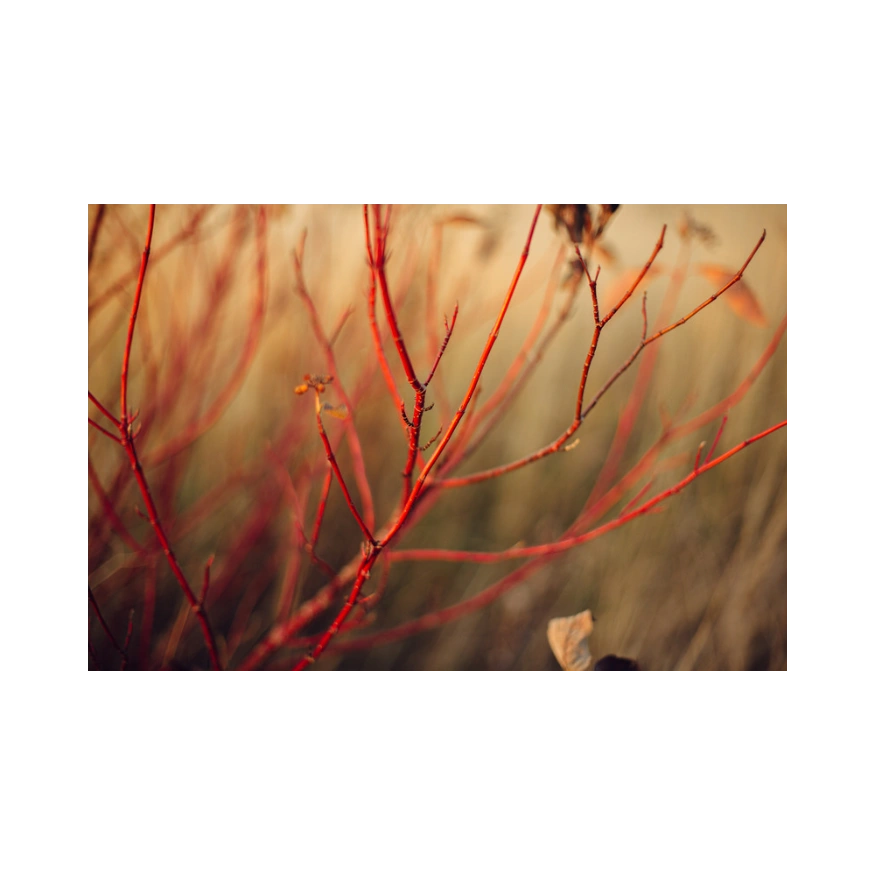
- Stems: Young twigs brilliant red (best color on new growth); older stems grayish.
- Leaves: Opposite, oval, dark green with prominent veins; nice red-purple fall color.
- Flowers/Fruit: Flat clusters of white flowers in spring, followed by white berries (loved by birds).
- Bark: Smooth, bright red—stunning against snow or bare ground.
- Native Range: Widespread across northern U.S. and Canada, thrives in wet soils.
Why We Love It on the Farm
Red twig dogwood fits our homestead perfectly:
- Winter Interest: The red stems are a mood booster when everything else is brown.
- Wildlife Support: Berries feed birds (we see cedar waxwings and robins), stems provide cover, and deer browse lightly (tracks are common!).
- Soil Stabilization: Excellent for wet or low spots—roots hold soil along our drainage areas.
- Easy Maintenance: Tough, native, and low-care.
Growing & Care Guide
- Site: Full sun for best stem color; tolerates part shade. Prefers moist to wet soil but adapts to average garden conditions.
- Planting: Spring or fall. Space 6-8 feet apart for thickets or prune for single specimens.
- Pruning for Color: Cut 1/3 of oldest stems to ground each spring—this encourages bright new red growth.
- Water: Keep moist first year; drought-tolerant once established.
- Pests/Diseases: Generally trouble-free; occasional scale or leaf spot (rare here).
- Propagation: Easy from hardwood cuttings in winter or softwood in summer
Homestead & Farm Uses
- Visual Impact: Line wet areas or use as backdrop for perennials.
- Crafting: Flexible stems for wreaths, baskets, or trellises (soak first for bending).
- Natural Dye: Berries yield pale blue-gray dye; stems can tint pink.
- Medicinal Note: Native Americans used bark for pain relief—modern use is limited, but the plant inspires our Muscle & Joint Salve for pruning aches.
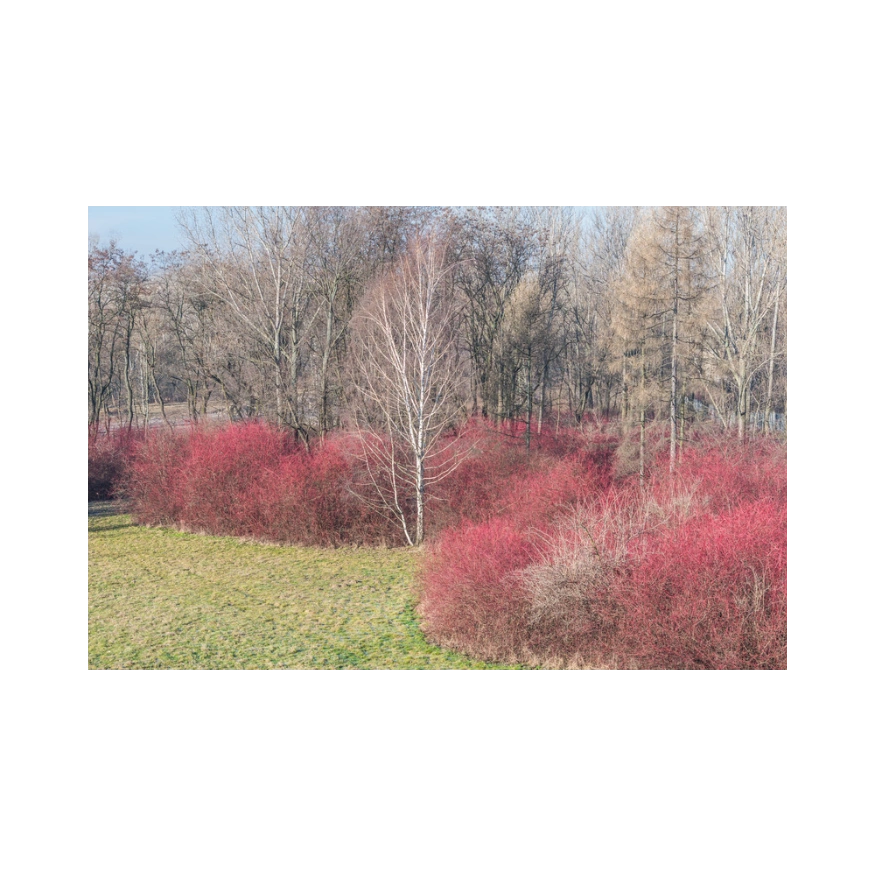
Table: Red Twig Dogwood Varieties We Recommend
Variety
Stem Color
Height
Notes
Standard C. sericea
Bright red
6-9 ft
Classic native
‘Cardinal’
Cherry red
8-10 ft
Intense color
‘Arctic Fire’
Deep red
3-5 ft
Compact for smaller spaces
‘Baileyi’
Blood red
6-8 ft
Heavy berry production
Pruning Tip
To keep stems vivid, prune in late winter/early spring. Use sharp loppers, cut oldest stems at ground level. Save clippings for crafts or mulch. Our Muscle & Joint Salve is perfect for sore hands afterward!
Wrapping Up
Cornus sericea – red twig dogwood is a homestead superstar—beauty, utility, and low care in one native package. If you have wet spots or need winter color, it’s a must-plant.
Kara
Lange Girl Farms
A few of the items we mention link to things we actually use around the farm. Buying through those links sends a little support our way at no extra cost to you — thank you for helping keep Lange Girl Farms going!
Shop our farm-made goods → https://langegirlfarms.com/shop
Let’s stay connected!
Instagram • Pinterest • Facebook • X (Twitter)
© Lange Girl Farms – All Rights Reserved