Backwards Bug Battles: Why Quick-Fix Pest Products Fail — and How True IPM Builds a Resilient Farm (or Homestead)
Hey friends, it’s Kara from the farm. In the first two posts we covered the overarching backwards pattern in pest control — quick visible results that kill beneficial insects while ignoring root causes like breeding sites — and then drilled into bug zappers and blue-light traps. Those devices, powered mainly by UV or blue light, act more like moth and pollinator vacuums than effective mosquito killers, with studies showing mosquitoes making up well under 1% of the catch in many cases.
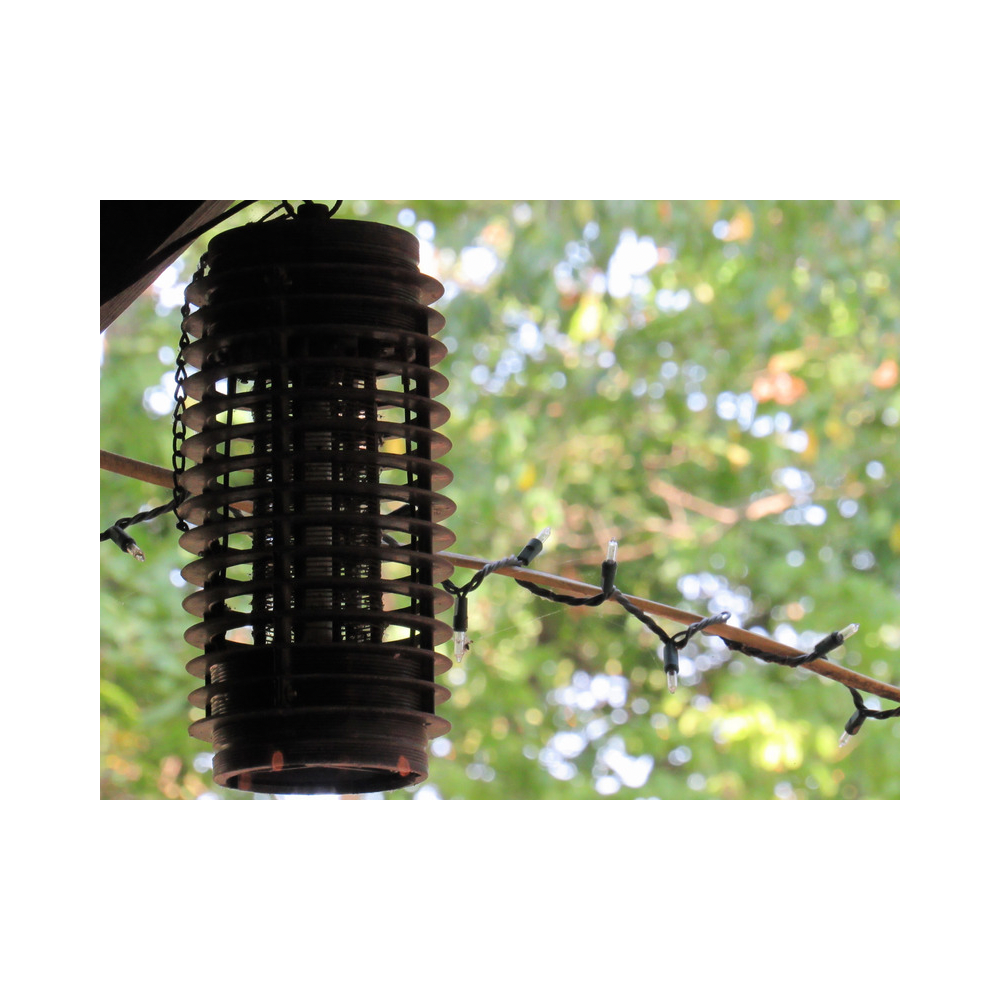
Today we examine the common “upgrades” people add to make those devices (or standalone traps) seem more targeted: chemical baits and lures (especially octenol) and ultrasonic plug-in repellents. Marketing promises these will bridge the gap, drawing in more mosquitoes or driving pests away without the broad killing. The data, however, shows they frequently follow the same flawed logic: limited or variable effectiveness against target pests, continued (or increased) collateral damage to beneficials, wasted resources, and a false sense of security that delays real prevention.
We’ll break it down with the studies, explain the biology and limitations, tie it back to the glyphosate-style collateral damage we’ve discussed, and end with practical steps you can take on your own place.
Baits and Lures: Octenol and Beyond
Many bug zappers and dedicated mosquito traps come with or recommend octenol (1-octen-3-ol) cartridges or strips. This compound occurs naturally in mushrooms, some plants, and animal breath/sweat, and it mimics host odors that certain mosquitoes and biting flies use to locate meals. Product labels often claim it “makes electronic insect killers more effective” against mosquitoes and biting flies — a carefully worded statement that does not promise overall mosquito control.
EPA registration documents for octenol note variability in results: some insect species are attracted, some repelled, and some unaffected. The agency has waived certain nontarget studies because exposure is low (the lure is attached to traps), but it explicitly states that “other than the species known to be attracted by octenol, it is unclear what non-target insects would also be attracted” to the device. In practice, when octenol is paired with the UV light of a standard zapper, the overall catch remains dominated by nontarget insects rather than a dramatic shift toward mosquitoes.
Field studies illustrate the mixed picture:
- A 1995 study in Germany using CDC traps found traps baited only with octenol or light caught few mosquitoes, while CO₂ (from dry ice or propane) alone or in combination performed far better, especially for Aedes species. Octenol showed some synergy with CO₂ for Culex pipiens, but results varied by species.
- Other trials show octenol can increase catches of certain mosquitoes (e.g., some Culex or Anopheles) when used in better-designed traps, but effectiveness differs sharply by mosquito species, location, wind, temperature, and competing host odors. For Aedes aegypti (a key vector for dengue, Zika, etc.), some studies found octenol actually decreased collections or had weak effects.
- When added to bug zappers specifically, octenol does not reliably turn the device into an effective mosquito tool. The UV component continues to pull in large numbers of moths, midges, beetles, and other beneficials, while any additional mosquitoes caught represent a small fraction of the total kill. Some anecdotal reports and manufacturer claims suggest “boosts” of 50% or more in mosquito catches, but controlled comparisons rarely show meaningful reductions in actual biting pressure around homes or livestock areas.
Food-based or DIY baits (ham scraps, fruit, beer/yeast mixes) recommended for some older zappers fare even worse for mosquitoes. They primarily attract scavenging flies, gnats, and moths — further increasing nontarget deaths without addressing blood-seeking females.
Dedicated CO₂-generating traps (propane-powered or advanced models) perform better because they more closely mimic a living host (CO₂ + heat + moisture + sometimes octenol). Even these, however, often pull mosquitoes in from surrounding areas without necessarily reducing bites in the protected zone, and they still carry some nontarget risk depending on design.
The core limitation remains: baits treat the symptom (flying adults) rather than the root cause (larval breeding in standing water). On a farm with troughs, tarps, gutters, or low spots after rain, adding a lure to a zapper may draw a few more target insects to their death — but it also risks pulling in more beneficial predators and pollinators that help keep mosquito numbers in check naturally.
Ultrasonic Plug-In Repellents: Sound Waves That Don’t Deliver
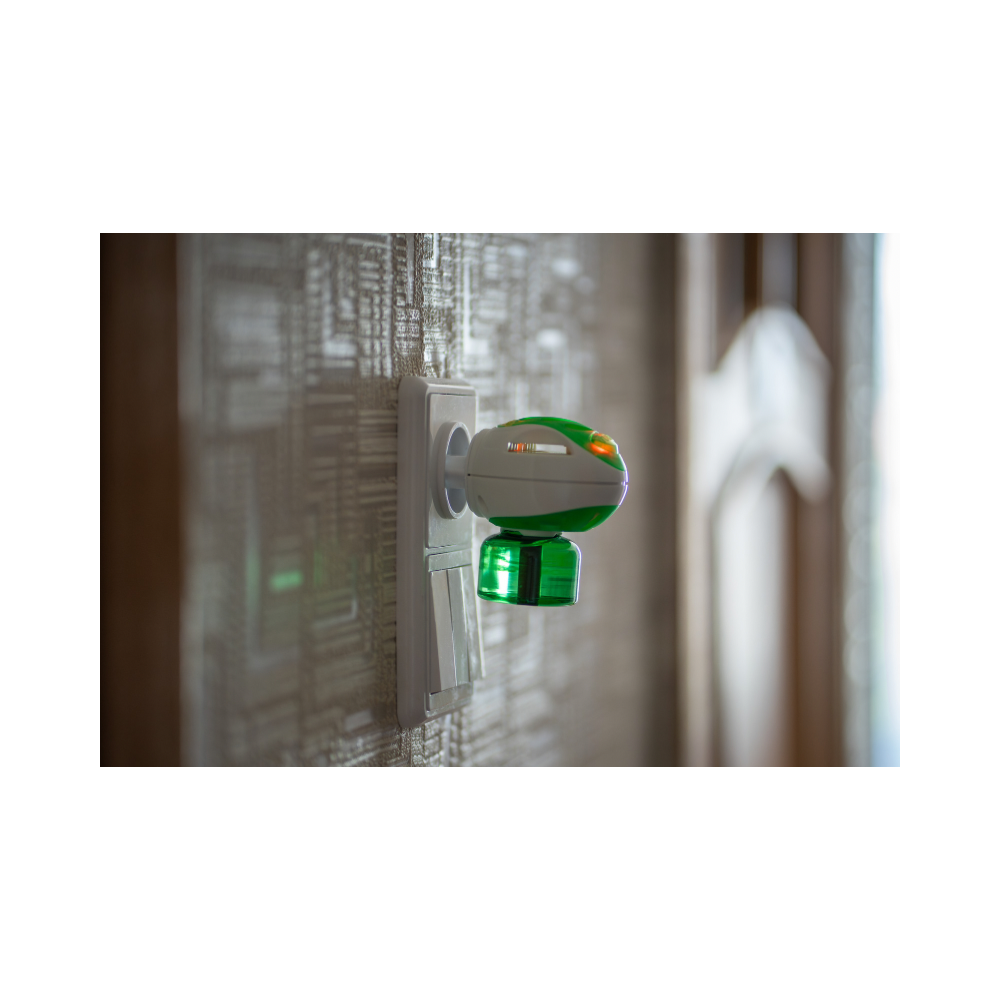
Ultrasonic devices (the plug-in units that emit high-frequency sound waves, typically 20–100 kHz, inaudible to most humans) are marketed as a clean, chemical-free way to repel mosquitoes, rodents, cockroaches, ants, and other pests from homes, barns, or yards. Some claim to disrupt pest navigation, feeding, or reproduction.
The scientific consensus and regulatory record are clear: these devices lack reliable efficacy.
- The Federal Trade Commission (FTC) has been warning manufacturers and retailers since at least 2001. In one wave, warning letters went to over 60 companies stating that efficacy claims must be backed by competent and reliable scientific evidence. The FTC has pursued enforcement actions, including complaints alleging false claims that ultrasound repels mosquitoes or serves as an effective alternative to chemical pesticides. Settlements have prohibited unsubstantiated claims.
- Multiple independent studies and reviews (including tests on cockroaches, bed bugs, ants, fleas, ticks, and mosquitoes) show little to no repellency at the intensities produced by consumer devices. Pests often ignore the sound, habituate quickly (getting used to it), or show no behavioral change. In some trials, activity or aggression (e.g., biting rates in mosquitoes) slightly increased rather than decreased.
- A 2021 study on the Australian paralysis tick found repellency rates below 19.5% — far too low for practical protection. Broader reviews from university extension services (e.g., Cornell, Arizona, Kansas State) conclude ultrasonic devices have no meaningful effect on most household or farm pests.
- The CDC has stated that ultrasonic products are not effective at preventing mosquito bites.
Power draw is modest (typically 1.5–5 watts continuous), but on a farm running multiple units in barns, homes, outbuildings, or near livestock areas, the cumulative electricity cost adds up over months or years for zero proven benefit. The bigger issue is the false security: relying on a humming plug-in can delay critical steps like eliminating standing water or supporting natural predators.
How These Fit the Backwards Pattern — and the Glyphosate Parallel
Baits and ultrasonics exemplify the same “kill (or repel) everything visible/nearby, ignore the root cause” mindset we’ve seen throughout the series.
- Collateral damage continues or worsens: Octenol + UV still attracts many nontarget insects. Ultrasonics may have subtle effects on sound-sensitive beneficials (certain moths or beetles), though data is limited. The net effect is often more disruption to food webs that include bats, birds, dragonflies, and parasitic wasps — the very allies that eat mosquitoes and their larvae.
- Root cause untouched: Mosquitoes breed in any standing water, no matter how small (troughs, buckets, tarps, hoof prints, clogged gutters). Lures or sound waves do nothing to prevent egg-laying or larval development. This creates the same treadmill we see with glyphosate: short-term suppression leads to resistance or rebound, requiring more interventions while beneficial biology declines.
- Media and marketing gap: Ads highlight “mosquito lure” or “ultrasonic protection” with satisfying demos or testimonials, but rarely mention species variability, nontarget impacts, or the superior results from source reduction. Just as glyphosate coverage often emphasizes weed-free fields while downplaying soil health and superweed issues, these products get promoted as easy modern solutions without the full ecological accounting.
- Farm-level costs: On operations like ours, wasted money on ineffective tools, minor energy bills, and potential declines in pollination or natural pest control add up. Livestock can face higher mosquito stress and disease risk when natural controls weaken.
Connecting to Dandelions and Ecosystem Balance
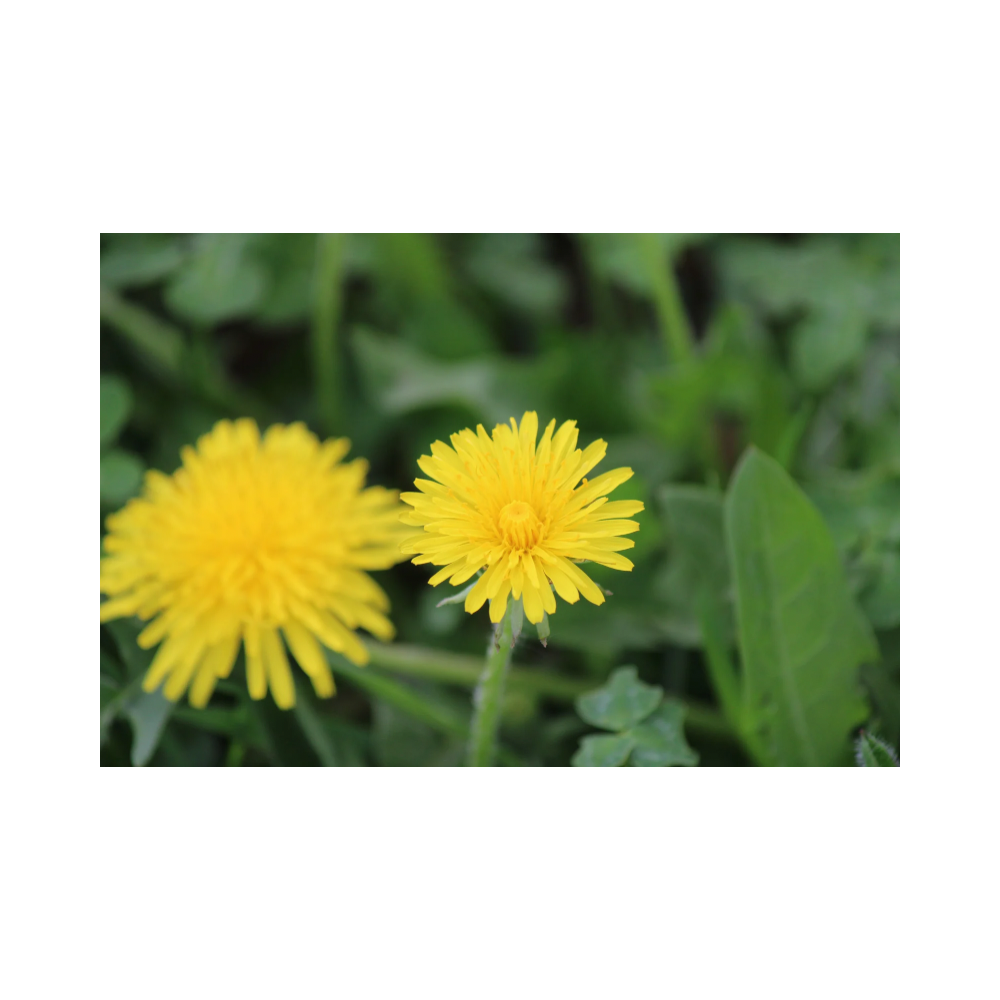
Remember our earlier discussion on dandelions? Labeled “weeds” and targeted with broad herbicides despite their nutritional value, early pollinator support, and soil-aerating taproots. Similarly, many baits and repellents target or ignore the “good” while failing to address the biology of the “bad.” A resilient farm tolerates or even encourages some diversity (including beneficial insects and early-season “weeds”) because it builds natural checks and balances.
Farm Try-It for This Post
This week, take a close look at any baits or ultrasonic devices on your property:
- List every lure cartridge, octenol strip, or ultrasonic unit (including brands and where they’re placed — near livestock, in barns, home, garden edges).
- Note runtime, replacement frequency, and what you’ve observed (e.g., more zaps after adding octenol, or no noticeable change in biting pressure).
- Pick one area with a current device and temporarily remove or discontinue the bait/ultrasonic for 10–14 days. Track simple metrics: approximate mosquito biting (or livestock irritation) during peak times, any visible changes in night-time insect activity, or bird/bat presence.
- Simultaneously, identify and address one nearby standing water source (even a small one). Dump it if possible, or prepare for safe treatment (we’ll cover Bti in detail in later posts — it targets mosquito larvae specifically with minimal impact on most beneficials).
Share your findings or experiment results in the comments. Real farm and homestead experiences help everyone see what translates from the studies to daily practice.
This post completes our deep dive into the main quick-fix categories. Upcoming posts will cover broader sprays, neonics, foggers, and other common tools before shifting to the full IPM playbook: prevention, monitoring, biological controls, and targeted options that address root causes without the collateral damage.
Next: Sprays, systemic insecticides, and the pesticide treadmill they can create.
Thanks for following the series and for the feedback on previous posts. If you have questions about specific baits or ultrasonics you’ve tried around livestock or gardens, drop them below — we’re building this resource together for practical, resilient farming and homesteading.