Hey farm gals, it’s Kara from Lange Girl Farms!
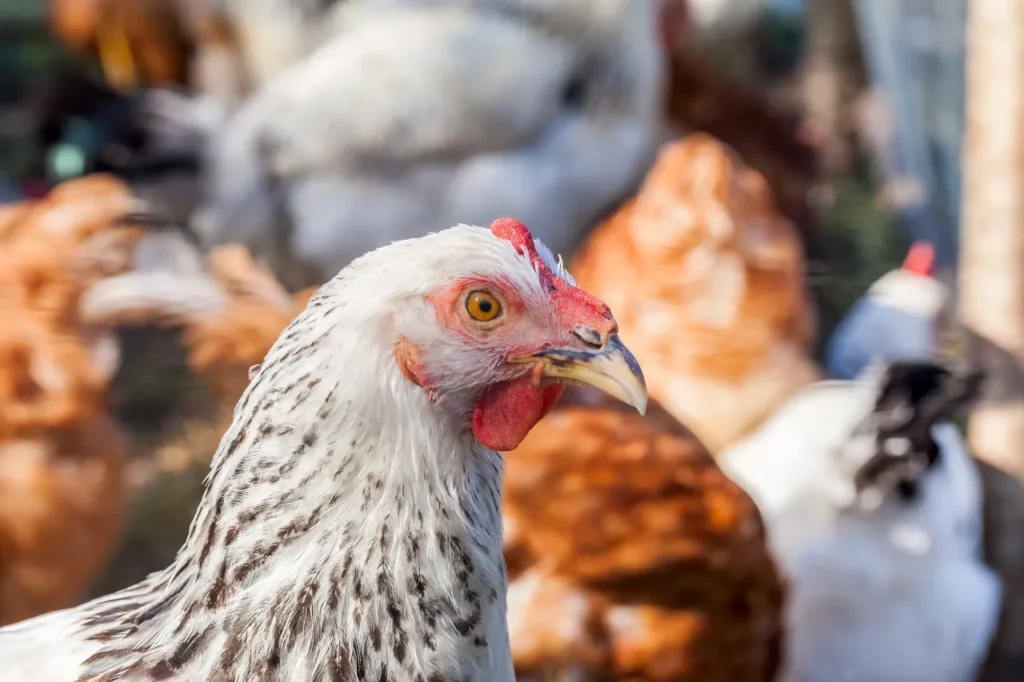
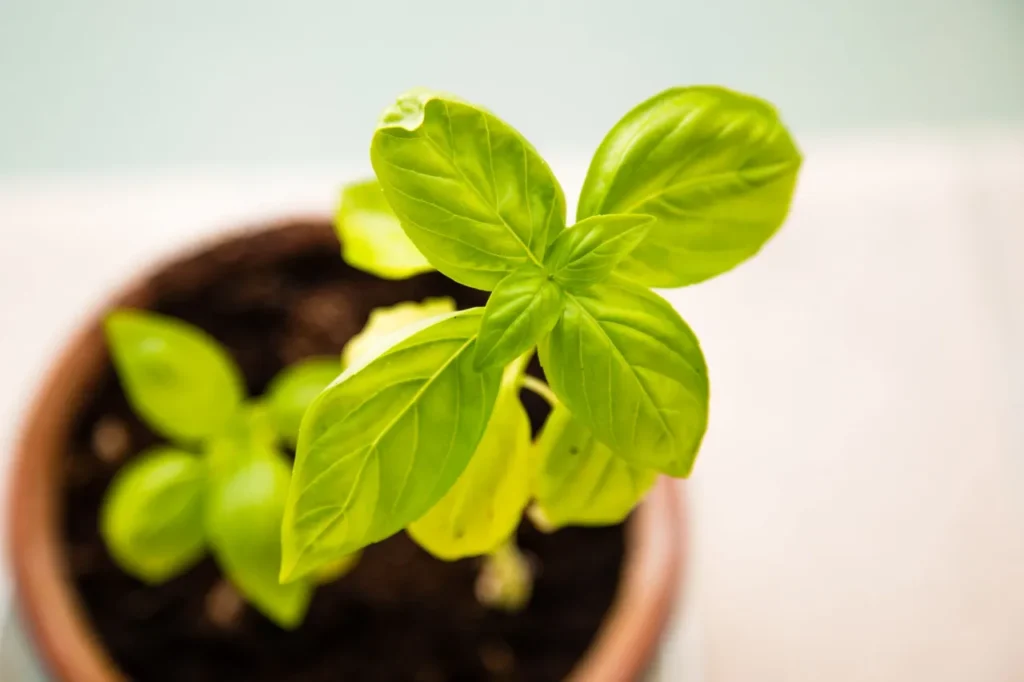
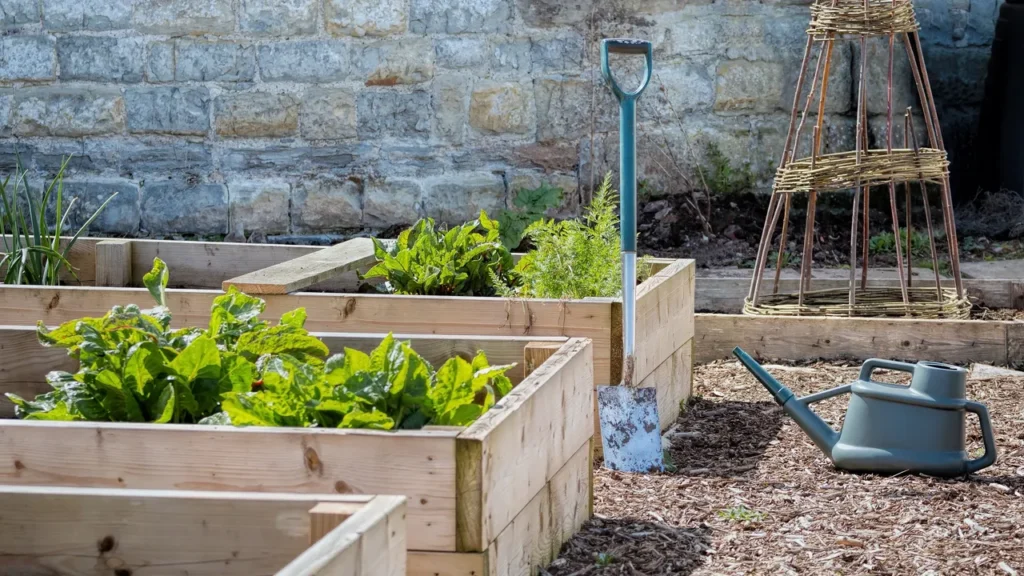
After breaking down how paraquat works in Part 2, I spent some time this morning hand-weeding the herb garden and torching a few stubborn patches along the fence line. My pregnant mini mare got her usual gentle care—calm routines and the cleanest forage we can provide, with no risk of drift or hidden residues that could affect her or her growing foal. The Siberian huskies were zooming safely in their own area, the llamas and alpacas kept their watchful guard, and the chickens and ducks foraged happily in their secure run. These chemical-free moments remind me why we do the extra work. We refuse to expose our animals to oxidative stress or neurological risks from toxins like paraquat.
In Part 1 we saw the Midwest usage, spills, and Parkinson’s links. In Part 2 we covered the redox cycling mechanism that makes it so fast and deadly. Now in Part 3 we face the real human and animal cost: the oxidative damage, neurological harm, reproductive risks, and ecosystem destruction. This isn’t theory—it’s documented in studies, lawsuits, and real farm experiences. We’re going full detail with mechanisms and findings because regenerative homestead gals like us need the unfiltered truth to protect our land and families.
Humans: Parkinson’s, Oxidative Stress & Broader Risks
Paraquat’s redox cycling generates massive reactive oxygen species (ROS) that damage cells, especially dopamine neurons in the brain. This leads to mitochondrial dysfunction, alpha-synuclein buildup, and the exact neurodegeneration seen in Parkinson’s disease. Epidemiologic studies show farmworkers and applicators have 2–2.5x higher risk (or more) of developing Parkinson’s with exposure. Lab and animal models confirm the mechanism: paraquat enters cells, triggers continuous superoxide production, and causes lipid peroxidation, protein damage, and DNA injury.
Beyond Parkinson’s, paraquat is linked to lung fibrosis (the classic delayed effect of acute poisoning), kidney and liver damage, and possible reproductive/developmental effects. Even lower-level chronic exposure raises concerns about neuroinflammation and oxidative stress in the brain. The ongoing MDL (over 6,500 cases as of early 2026) reflects real families living with these consequences, with settlements moving forward but many questions still unanswered about long-term low-dose risks.
Livestock: Neurological Damage, Oxidative Stress & Reproductive Concerns
Our animals never see paraquat. We keep feed and forage clean because the risks are too high. Studies show paraquat causes oxidative stress in livestock tissues, leading to:
• Neurological effects: Damage to dopamine systems and increased oxidative markers in the brain, mirroring Parkinson’s mechanisms in animal models.
• Reproductive impacts: Teratogenic effects in some species, higher postnatal mortality, and disrupted development when exposed during pregnancy or early life.
• Organ damage: Liver, kidney, and heart stress from ROS overload; reduced productivity in poultry (weaker eggshells, embryo mortality); oxidative damage in ruminants and horses.
In horses and other sensitive animals, even low-level exposure through contaminated hay or water can contribute to inflammation and performance issues. That’s why our pregnant mini mare gets nothing but pasture we know is free of these burdens—her health and her foal’s future depend on it. Our chickens and ducks give us strong eggs and healthy birds because their environment stays free from the persistent oxidative load paraquat leaves behind.
Wildlife & Aquatic Life: Non-Selective Toxicity & Ecosystem Harm
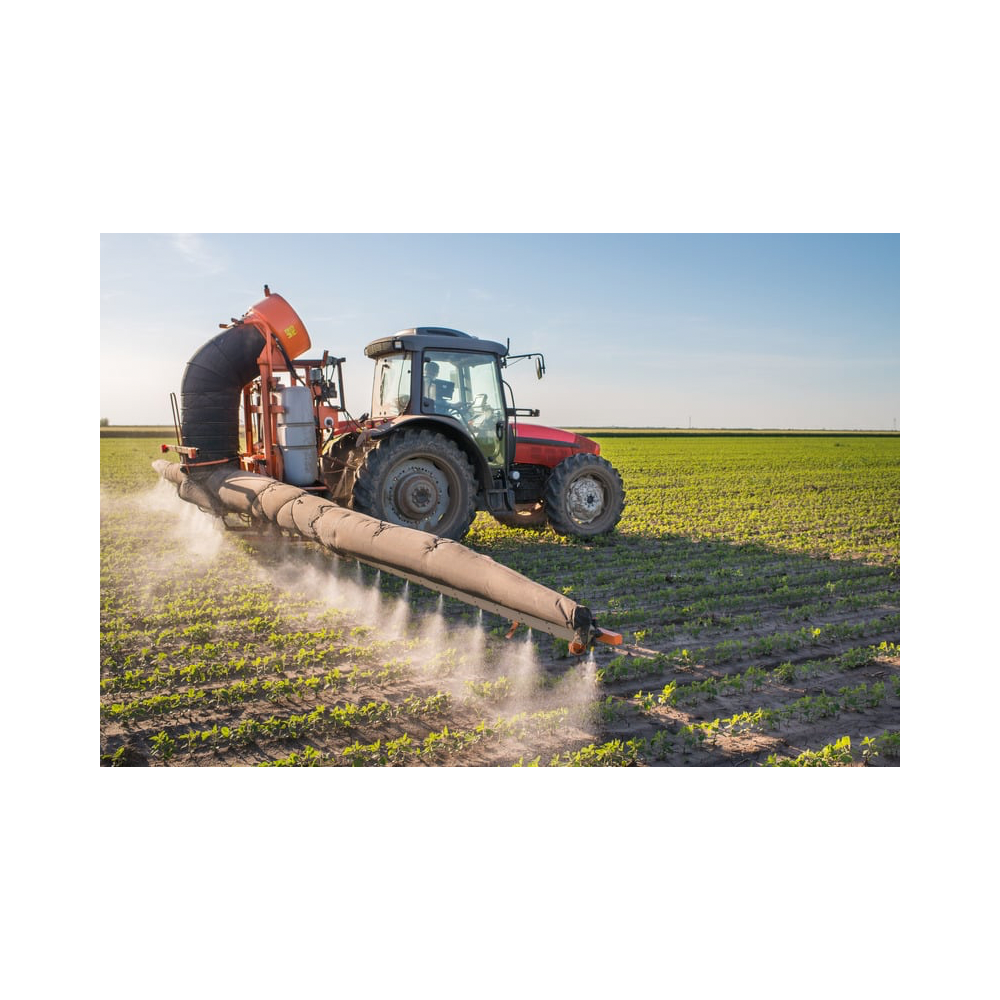
Paraquat doesn’t stay where it’s sprayed. It’s highly toxic to non-target species and persists in soil and sediment.
• Birds and mammals: Moderately to highly toxic; sensitive species show effects at low dietary doses (10–20 mg/kg). Embryotoxic to waterfowl eggs.
• Aquatic organisms: Highly toxic to invertebrates, moderately to highly toxic to fish and amphibians in some formulations. Tadpoles and larvae suffer developmental abnormalities, reduced survival, and oxidative damage. It binds to sediment, creating long-term exposure risks in waterways.
• Broader ecosystem: Non-selective killing of plants disrupts habitat and food sources. Runoff and drift affect pollinators, beneficial insects, and the entire food web. California regulators have flagged risks to imperiled species like the San Joaquin kit fox and Swainson’s hawk.
Even at environmentally relevant concentrations, paraquat causes oxidative stress, developmental defects, and population-level impacts. This is why drift from neighboring fields worries every regenerative homestead gal trying to protect local wildlife and water quality.
The Bigger Picture: Why Regenerative Farms Feel This Toll Most
We build soil biology, support beneficial insects, and protect water because that’s what sustains healthy animals and truly clean food. Paraquat undermines all of it with its persistent oxidative damage and non-selective toxicity. Our hand-weeding and torch work take effort, but they don’t leave residues that drift onto our clean pasture or harm the ducks and chickens in their run.
Seeing my pregnant mini mare thrive on toxin-free forage while knowing what conventional systems expose livestock and wildlife to drives home the choice. The same redox cycling that kills weeds so efficiently damages brains, organs, and developing life across species.
Series Roadmap – What’s Next
Part 4: On our plates – residue detections in crops (almonds, walnuts, grapes, etc.) and processed foods, plus the cumulative load from burndown/desiccant use.
Part 5: Follow the money – Syngenta and other manufacturers, the full MDL lawsuit updates (6,500+ cases), settlements, and regulatory battles.
Part 6: The roots – discovery in the 1960s, corporate history, and why it’s still allowed in the U.S. despite global bans.
Part 7: Reclaiming our land – our exact holistic methods (hand-weeding, torch burning, mulch, cover crops, livestock grazing with our mini horses and llamas/alpacas), Michigan-specific tips, and free printable checklist.
This series is for every homestead gal tired of the next toxic chemical replacing the last. Knowledge helps us make better choices for our animals and families.
Pin/save the series and comment below: Have you worried about paraquat drift or neurological risks on your farm? What signs have you seen in animals or soil after nearby spraying? I read every comment.
If you want to support a farm refusing these toxins, check our shop for wildcrafted salves (soothing after hand-weeding or torch work), herbal teas grown right here without sprays, or non-GMO seeds for your regenerative garden. Every purchase helps us keep protecting what matters.
We can protect our land, animals, and future—one holistic choice at a time.
See you in Part 4, farm gals!
With love from the pasture,
Kara
Lange Girl Farms