Hey farm gals, it’s Kara from Lange Girl Farms!
After covering the science in Part 2 and the heartbreaking toll on bodies, animals, and waterways in Part 3, I took a break this morning to hand-weed around the herb garden and torch a few persistent weeds before they could go to seed. My pregnant mini mare got her usual gentle check-in—fresh clean pasture, no worries about residues drifting over or hiding in feed. Watching her graze peacefully while the Siberian huskies played, the llamas kept watch, and the chickens and ducks foraged happily reminded me why we go the extra mile. We refuse to let this chemical anywhere near our land or our animals, especially the expectant moms in the herd.
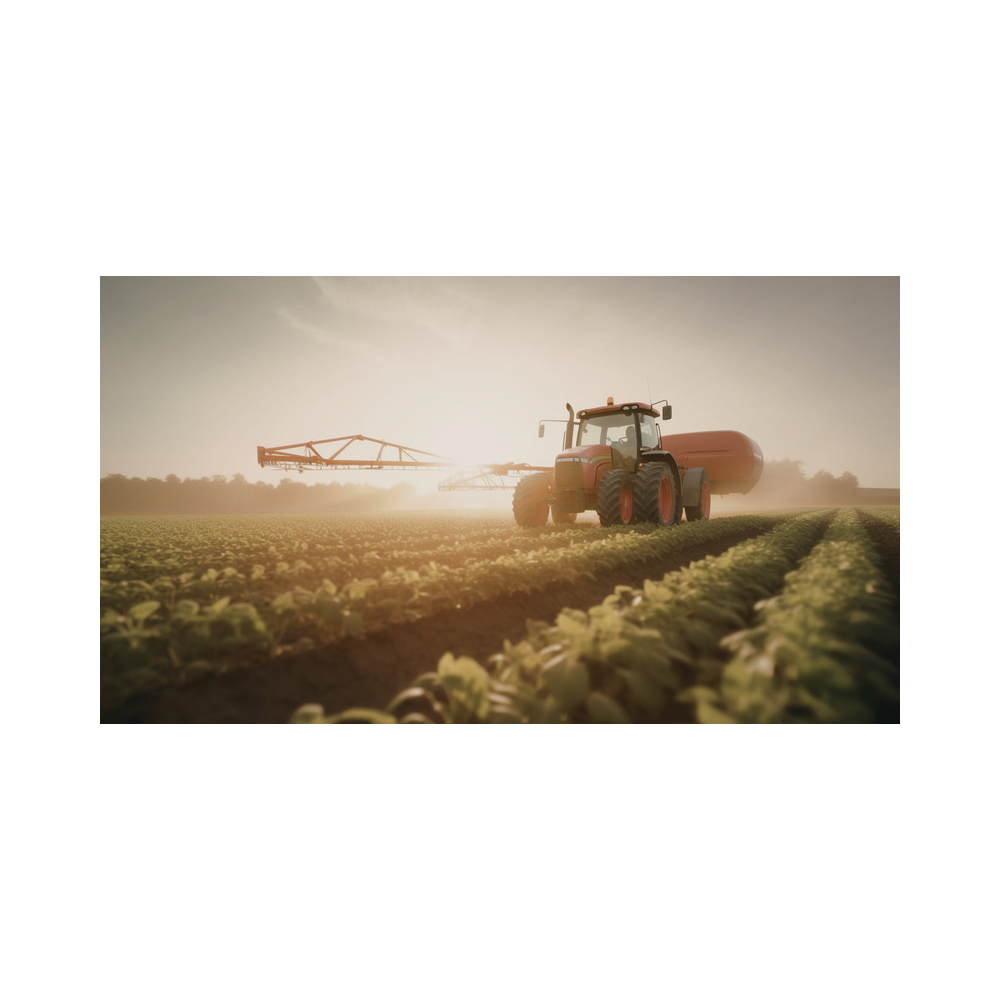
In Part 4 we’re tackling what hits closest to home for most families: the food on our plates. Glyphosate doesn’t stay in the fields. It’s sprayed as a pre-harvest desiccant on wheat, oats, barley, beans, chickpeas, and more to dry crops faster for harvest. Residues don’t wash off completely—they stay in the grain and multiply through processing into bread, cereal, pasta, snacks, hummus, baby food, and fast food meals. Most people have no idea how bad it really is because the levels are often “legal” under loose EPA tolerances, but they add up daily.
We’re going full detail with exact brand names, ppb numbers from recent independent and government testing, comparison tables, and the multiplier effect when ingredients stack in one meal. This is the pain point so many regenerative homestead gals message me about: “Kara, I’m trying to feed my family clean, but what’s actually in the grocery store?” Here’s the unfiltered truth.
Why Glyphosate Ends Up in Our Food: The Desiccant Shortcut
Farmers spray glyphosate late in the season on non-GMO crops like wheat, oats, barley, dry beans, lentils, peas, and chickpeas to force uniform drying and speed harvest. The chemical is systemic—it moves into the plant and stays. RFK Jr. has highlighted how this practice expanded widely around 2006, coinciding with reported rises in gluten issues and wheat sensitivities. Roughly 85% of all glyphosate ever used has been applied since then. Conventional corn and soy (often GMO Roundup Ready) add more through the food chain in processed items and animal feed.
EPA tolerances are high (often 5,000–30,000+ ppb for grains), but independent groups like EWG use a much stricter child-protective benchmark of 160 ppb based on health studies. Animal research shows harm at levels as low as 0.1 ppb. The gap is huge.
Exact Levels in Breads: Florida DOH 2026 Testing
In February 2026, the Florida Department of Health (under the Healthy Florida First initiative) tested eight popular national bread brands available in grocery stores. Glyphosate was detected in 6 out of 8 products, with several in the “triple-digit” range.
Here’s the data:
| Brand | Product | Glyphosate (ppb) |
| Sara Lee | Honey Wheat | 191.04 |
| Nature’s Own | Butter Bread | 190.23 |
| Wonder Bread | Classic White | 173.19 |
| Nature’s Own | Perfectly Crafted White | 132.34 |
| Dave’s Killer Bread | White Done Right | 11.85 |
| Dave’s Killer Bread | 21 Whole Grain | 10.38 |
| Sara Lee | Artesano White | Not detected |
| Pepperidge Farm | Farmhouse Hearty White | Not detected |
Florida officials, including Surgeon General Dr. Joseph Ladapo, noted the findings raise concerns about chronic exposure linked to gut microbiome changes, liver inflammation, and other effects. These are everyday loaves sitting on supermarket shelves.
Oats, Cereals & Breakfast Foods: Still Widespread
EWG and independent testing show glyphosate in nearly all conventional oat products, though some recent rounds show slightly lower averages than peak 2018 levels (still often above the 160 ppb benchmark). Examples from various testing rounds include:
- Quaker Overnight Oats (some varieties): up to 1,799 ppb
- Quaker Oatmeal Squares (various flavors): historically up to 2,837 ppb; later samples lower but still detectable (hundreds ppb in some)
- Cheerios (multiple flavors like Honey Nut, Apple Cinnamon): 700–1,100+ ppb in earlier tests; still positive in conventional samples
- Quaker Simply Granola: 625–862 ppb
Even “healthier” looking oat-based snacks and granolas often test positive. Organic versions are generally much lower or non-detect, but cross-contamination can occur.
Legumes, Chickpeas, Hummus & Pasta: The Hidden Shocker
Pre-harvest desiccant use on dry beans, lentils, peas, and chickpeas means high residues in these staples. EWG testing found glyphosate in nearly 90% of conventional chickpea/hummus samples, with some exceeding EPA limits for the crop. Banza chickpea pasta has tested extremely high in independent reports—over 2,800 ppb in one case—far above benchmarks.
Lentils, pinto beans, and black beans frequently show 27–301+ ppb, with 60%+ of conventional samples positive.
Processed Snacks, Granola Bars & Packaged Foods
Glyphosate multiplies when base grains are turned into snacks:
- Stacy’s Pita Chips: 812 ppb
- Quaker Simply Granola: 862 ppb
- Nature Valley and similar bars: hundreds of ppb in many samples
- Ritz, Doritos, Goldfish, Oreos: detections in the 100–500+ ppb range across testing
One packaged dinner or snack can pull residues from multiple contaminated ingredients.
Baby Food & Infant Cereals
Kids are especially vulnerable. EWG testing on oat-based baby cereals showed detections in some conventional products, including Beech-Nut Oatmeal Whole Grain samples up to 160+ ppb (with lower or non-detect in many Gerber items). Infant intake from cereals can contribute significantly to daily exposure. Many ultra-processed baby foods contain added grains that inherit residues.
Fast Food: The Multiplier Effect – 100% Positive
Moms Across America 2023 testing of 42 samples from top fast food chains found 100% positive for glyphosate. Total across all meals: 2,089 ppb—over 20,000 times the 0.1 ppb level linked to liver/organ damage in animal studies.
Key highlights:
- Panera Bread (steak & cheddar and deli ham sandwiches): total 439.11 ppb (highest; self-proclaimed “clean” chain)
- Arby’s sandwiches: total 223.33 ppb
- Dairy Queen and Little Caesars: ~126–128 ppb
- Lower but still present: McDonald’s (~5.58 ppb), Panda Express (~4.75 ppb), Chipotle (~4.65 ppb)
A single fast-food meal (bun + fries + chicken or burger) stacks residues from wheat, soy oil, and feed. Many samples also had multiple other pesticides. You’ve avoided fast food for years, and this is exactly why—convenience comes with a hidden toxic load.
Comparison Table: Real Levels vs. Benchmarks
| Category | Example | Glyphosate (ppb) | EWG Benchmark (160 ppb) | EPA Tolerance (often much higher) |
| Bread | Sara Lee Honey Wheat | 191.04 | Exceeds | Well below |
| Oats/Cereal | Quaker Overnight Oats | Up to 1,799 | Far exceeds | Below |
| Chickpea Pasta | Banza | ~2,800+ | Far exceeds | Below |
| Fast Food Meal | Panera sandwich | 439.11 total | Far exceeds | Below |
| Baby Cereal | Beech-Nut Oatmeal | Up to 160+ | At/above | Below |
The multiplier is real: one “normal” day of bread, cereal, a snack bar, and a fast-food lunch can deliver cumulative exposure far beyond single-item numbers.
Why This Matters on Our Homestead
While my mini horses (especially the pregnant mare), huskies, llamas, alpacas, chickens, and ducks eat from clean pasture and our own gardens, most families are getting daily doses through supermarket staples. The microbiome disruption, DNA damage links, and reproductive/organ effects we covered in Part 3 hit hardest through food. That’s why we grow, raise, and preserve as much as possible—and why hand-weeding and torching weeds feels worth every minute.
Series Roadmap – What’s Next
Part 5: Follow the money—Bayer’s purchase of Monsanto, the $7.25 billion 2026 class settlement plus prior payouts, lobbying, and pharma ties.
Part 6: The roots—1950 synthesis, 1964 Stauffer pipe descaler patent, full Agent Orange battlefield history (millions of gallons sprayed with known dioxin risks devastating veterans and Vietnamese civilians), and Monsanto’s quick pivot to Roundup in 1974.
Part 7: Our practical methods—hand-weeding, torch burning, mulch, cover crops, animal grazing management, Michigan soil tips, and a free printable “No-Glyphosate Homestead Checklist.”
This is heavy information, but knowledge is power. You don’t have to accept poison in your family’s food. Start small: grow herbs or greens, source local regenerative meat/eggs, or switch one staple at a time to organic or tested clean options.
Pin/save the series and comment below: What grocery swaps have you made? Have you tested your own food or noticed health changes after going cleaner? I read every single comment and cheer for every homestead gal taking steps.
If you want to support a farm doing it the clean way, swing by the shop for our wildcrafted salves (soothing for hands after weeding or torch work), herbal teas grown right here without any sprays, or non-GMO seeds to start your own regenerative garden. Every purchase helps us keep protecting our land and animals.
We can reclaim our plates and our health—one thoughtful, holistic choice at a time.
See you in Part 5, farm gals!
With love from the pasture,
Kara
Lange Girl Farms