Hey friends, it’s Kara from Lange Girl Farms here in Southeast Michigan.
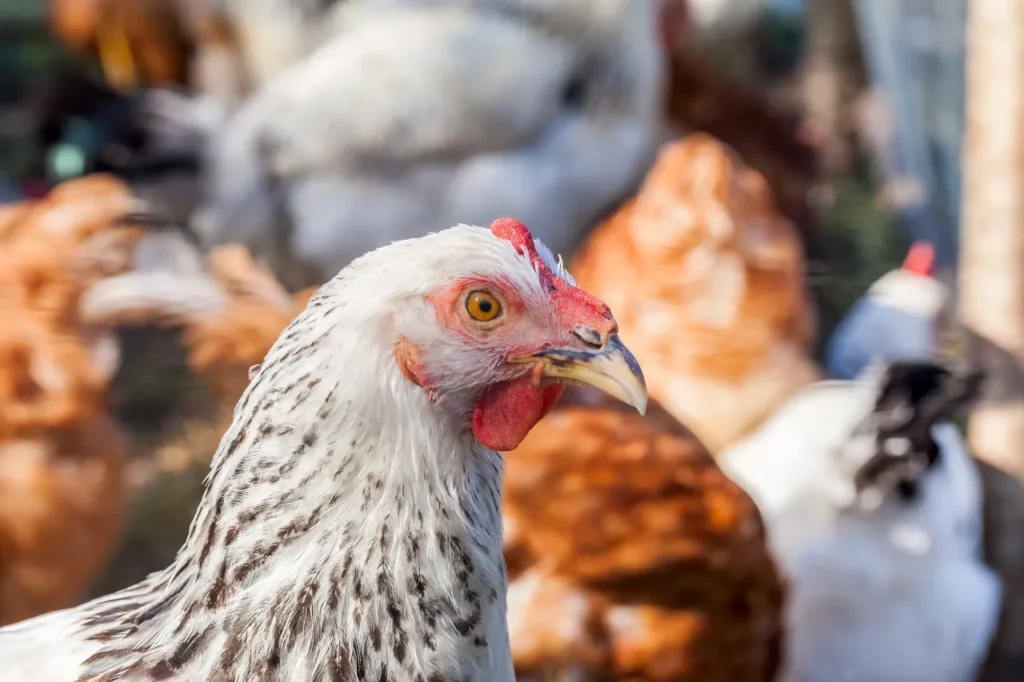
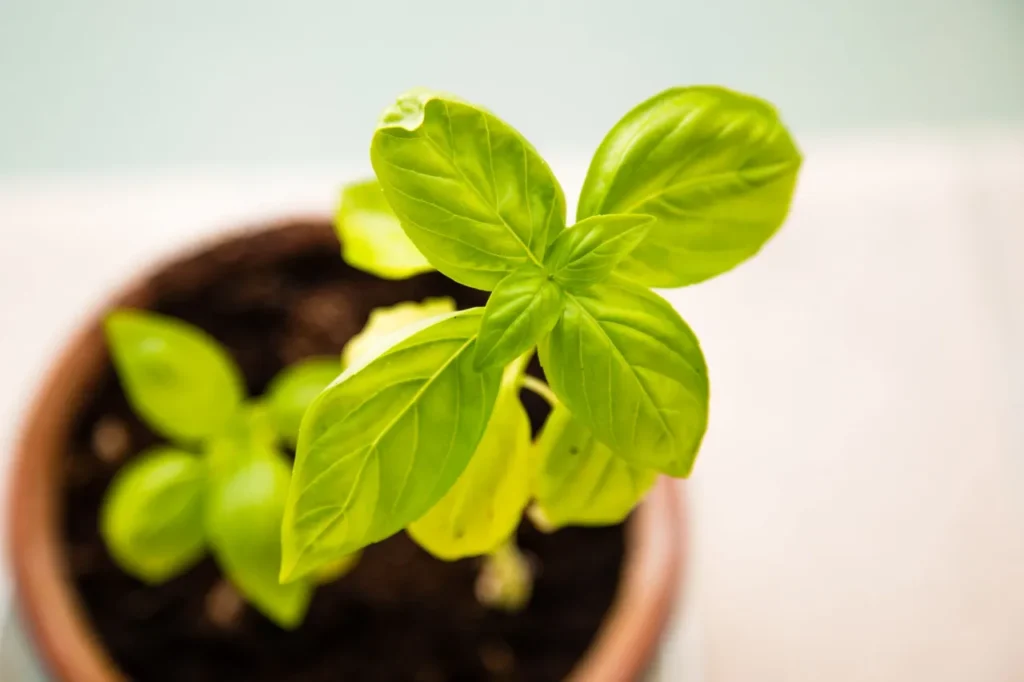
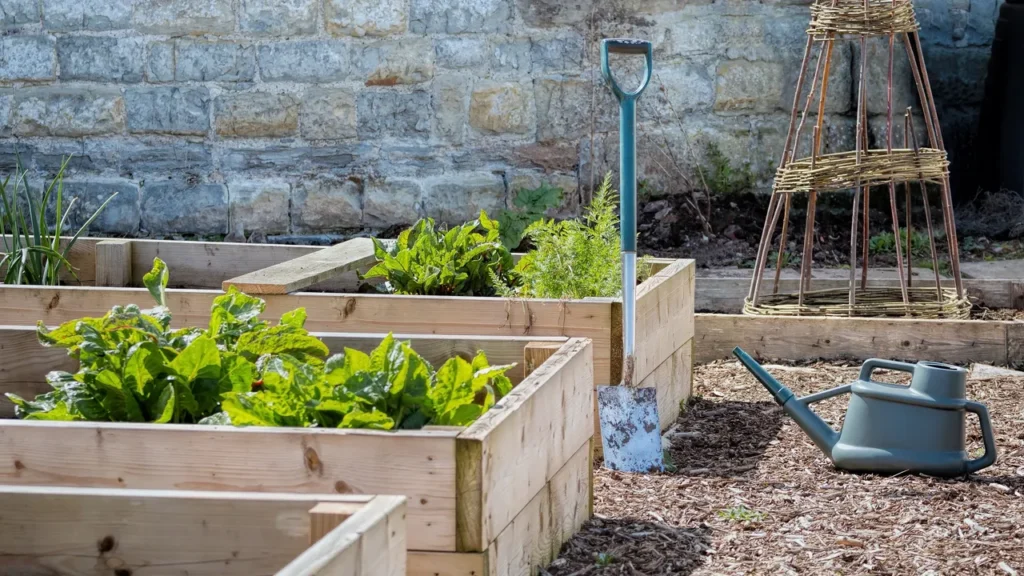
Most mornings start the same: heading out to check water buckets for the alpacas, freshening up bedding for the rabbits, walking the garden rows to see what’s pushing through the soil after a lot of rain, and just taking a moment with that early air before the day fills up. We’ve built our life around trying to keep things closer to the land—growing what we can, wildcrafting herbs for simple remedies, mending clothes instead of tossing them, and fixing what breaks. It feels right, like the way things are supposed to work: honest effort in, honest results out.
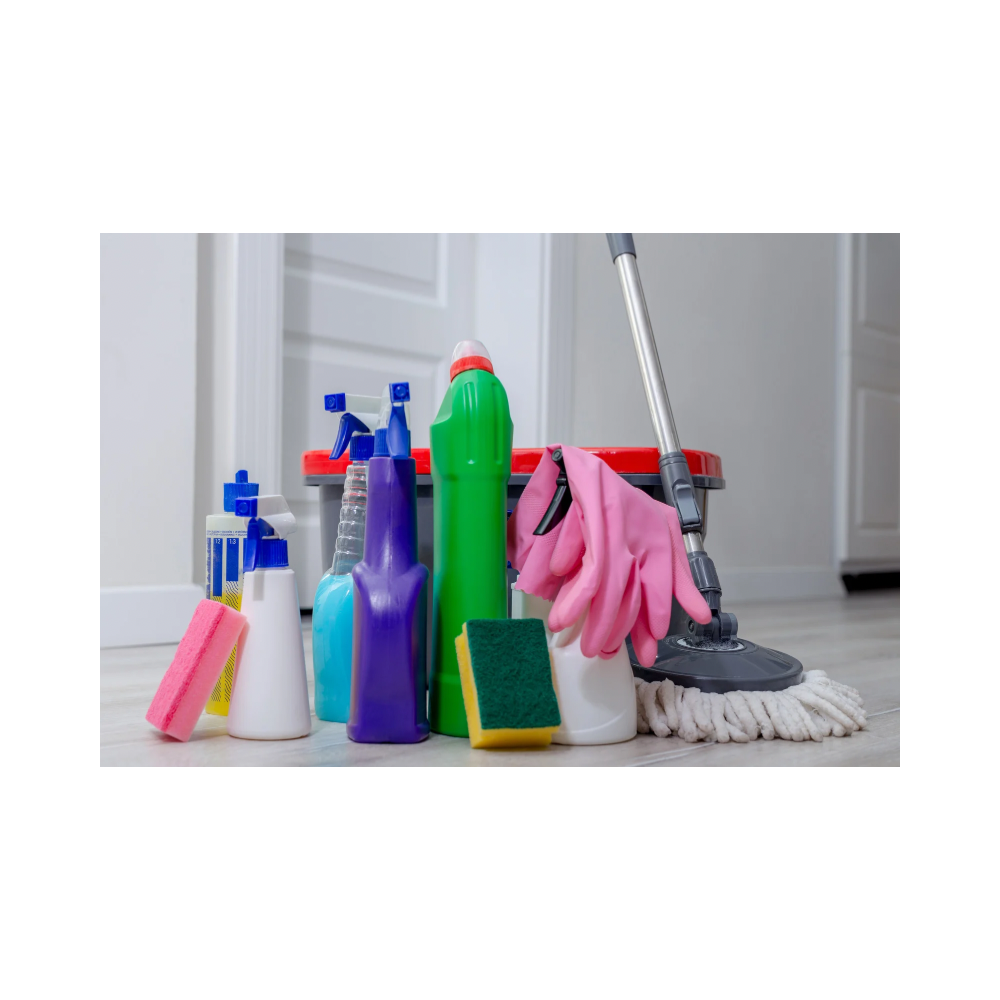
But the longer we live this life, the more I notice how many “normal” things we bring onto the property aren’t as simple or clean as they seem. The new shirt from the store, the bottle of laundry soap that promises fresh scent, the plastic wrap on leftovers, the nonstick pan, the paper towels for quick cleanups, or the dishwasher that’s supposed to sanitize our plates but rarely gets deep-cleaned. They’re convenient, sure. Yet they’ve got layers most folks never see—chemicals from growing, processing, finishing, and packaging that were chosen for cost and speed, not for what happens when they sit against skin, go down the drain, or end up tracked across the yard.
This isn’t something I figured out overnight. It’s come up again and again while writing the water series—how what runs down the drain or soaks into the ground comes back around. It’s shown up in the skin and beauty posts, thinking about what actually touches our bodies day after day. And it ties into bigger questions we’ve looked at separately about things like glyphosate on the land. All of it points to the same quiet reality: a lot of modern conveniences were built for fast production and low cost, not necessarily for the long-term good of a homestead family, the livestock, the soil, or the well water we’re responsible for.
So I’m starting this new series called Homestead Toxin Audit. We’ll go room by room, and then out to the farm spaces too—the kitchen, bathroom, laundry room, bedroom, living areas, garage, barn, and garden—looking at where these hidden things tend to show up. For each area, there will be two posts:
Part A — laying out the common items, what independent testing has turned up in them (Mamavation, Consumer Reports, Toxic-Free Future, and similar groups that dig into real store products), how the processing works (that petroleum-to-sticky-liquid-to-spinneret pipeline we see in videos about polyester and plastics), and why it might be worth paying attention to on a place like ours.
Part B — simple, natural ways to handle the same jobs instead, with straightforward recipes you can mix up from basic ingredients most of us already have around the house or can pick up easy. Nothing fancy, nothing I’m selling—just ideas that have worked for folks living closer to the old ways.
We’ll keep it real. No throwing everything out tomorrow. Just walking through the spaces we actually use and thinking about gentler options that line up better with taking care of what we’ve been given.
The Bigger Pattern on the Homestead
Out here, the lines between inside and outside aren’t sharp. Laundry water heads to the septic or graywater and eventually touches the ground we garden. Dust from boots or barn chores carries whatever was on the clothes or in the air. Clothes and towels sit right against skin for hours. What ends up in the fabric or the wash doesn’t just wash away—it lingers or cycles back.
We’ve talked before about fast fashion and how moving production far away made clothes cheap and quick to turn over, but also harder to trust. Dyes, wrinkle treatments, stain repellents, and even residues from how the cotton was grown can stay in the fibers. Same story shows up in the kitchen: plastic wraps and bags made from petroleum melted into sticky liquid and extruded into films with phthalates for cling; nonstick pans coated with PTFE from the same pipeline; paper plates and towels treated with PFAS for grease resistance; dishwashers running cooler cycles that don’t kill bacteria like E. coli while biofilms build on seals and drains (just like the washer drum issues in that recent post). The “performance” chemicals get added during processing, then migrate into food, off-gas in closed winter kitchens, or wash into graywater.
Independent testing keeps flagging these in everyday items. PFAS in paper towels (31% of tested rolls) and paper plates (27% with levels 14–563 ppm). Flame retardants in black plastic utensils (up to 22,800 mg/kg in some samples from recycled e-waste). Phthalates leaching from storage bags and wraps into fatty foods during fridge storage. VOCs and residues from dish soaps and the dishwasher itself. These aren’t isolated findings—they show the same convenience trap: shortcuts that shift real costs to health, water, and land stewardship.
On the farm side, this hits different. What we use in the garden or barn can drift or wash into the well or soil microbes we depend on. Animal bedding or feed storage can carry residues that affect breathing or coats. Even indoor choices track outside on boots and settle where the rabbits or alpacas rest. It’s that “out of sight, out of mind” feeling again—when something is made somewhere else or promised to just work, we stop asking what it leaves behind.
How the Series Will Unfold
We’ll start with the kitchen because so much daily life happens there—storing food, reheating meals, cleaning up. Part A will walk through the common items and what testing has flagged, including how the petroleum processing pipeline creates the “performance” features (and the hidden residues). Part B will share straightforward alternatives and mixes you can try right away.
Then the bathroom (lots of overlap with daily skin contact from the beauty series—especially now with new info on “unscented” soaps, sprays, and cosmetics still carrying endocrine disruptors while “fragrance free” is the safer label), laundry room (detergents, softeners, fabric treatments, and what stays on clothes or goes down the drain—perfect tie to washer concerns), bedroom (dust, bedding, off-gassing), living areas (furniture, carpets, fragrances), garage (fluids, solvents, stored stuff), barn (bedding, animal care products, equipment), and garden (soil amendments, weed and pest items, runoff risks).
For each Part A, we’ll lay out the common items and what independent testing has flagged, including processing details where they apply. Part B focuses on practical alternatives—vinegar rinses, baking soda boosters, wool balls for drying, pantry-based cleaners, mechanical methods in the garden—that many homesteaders have used for generations. These are the kinds of approaches that feel more in line with repairing, reusing, and reducing what we bring in.
We’ll note secondhand and vintage finds where they cut fresh chemical loads, and lean toward plain natural fibers (cotton, linen, wool, silk) when they fit the job. Out on the farm side, we’ll think about protecting the animals’ air and bedding, keeping soil biology healthy, and watching the well.
Tying It to What We’ve Already Covered
If you’ve followed the water series, you’ll see connections—especially around runoff, well water, and what ends up back in our supply from graywater or dishwasher cycles. The skin and beauty posts touch on absorption and gentler daily care, which comes up strong in the bathroom and laundry rooms (and we’ll add more on “unscented” vs. truly fragrance-free products there). And when cotton items or garden weed questions appear, I’ll just note it briefly and point over to the separate glyphosate series for the full picture there. Everything stays in its own place, but they support each other the way the different parts of farm life do.
This Is About Stewardship, Not Perfection
Living this way has already shifted small habits for us—paying closer attention to what the wash water carries, choosing simpler options in the garden that don’t leave extra residue, noticing what ends up in the barn dust or the dishwasher seals. It’s not about guilt over what we’ve used before. It’s about eyes open and hands willing to try something closer to the land.
I’d love to hear from you as we go. What spaces on your own place raise the most questions? Have you already swapped something in the laundry or kitchen that made a difference, or noticed buildup in the dishwasher like we see in washers? Drop a note in the comments—I read them and it helps shape how the rest of the series unfolds.
This audit isn’t about getting everything “perfect.” It’s about paying attention with open eyes and hands that are willing to try a simpler way. That feels like good stewardship to me—caring for the bodies, the animals, and the land the best we know how, one room and one choice at a time.
We’ll kick off soon with Kitchen Part A. In the meantime, take a quiet walk through your own spaces and just notice what’s there. Small steps add up when you’re tending what you’ve been given.
From the farm,
Kara
Lange Girl Farms
Related series to check: Water Series | Skin & Beauty Series | Glyphosate Series (separate deep dive)