Hey farm gals, it’s Kara from Lange Girl Farms!
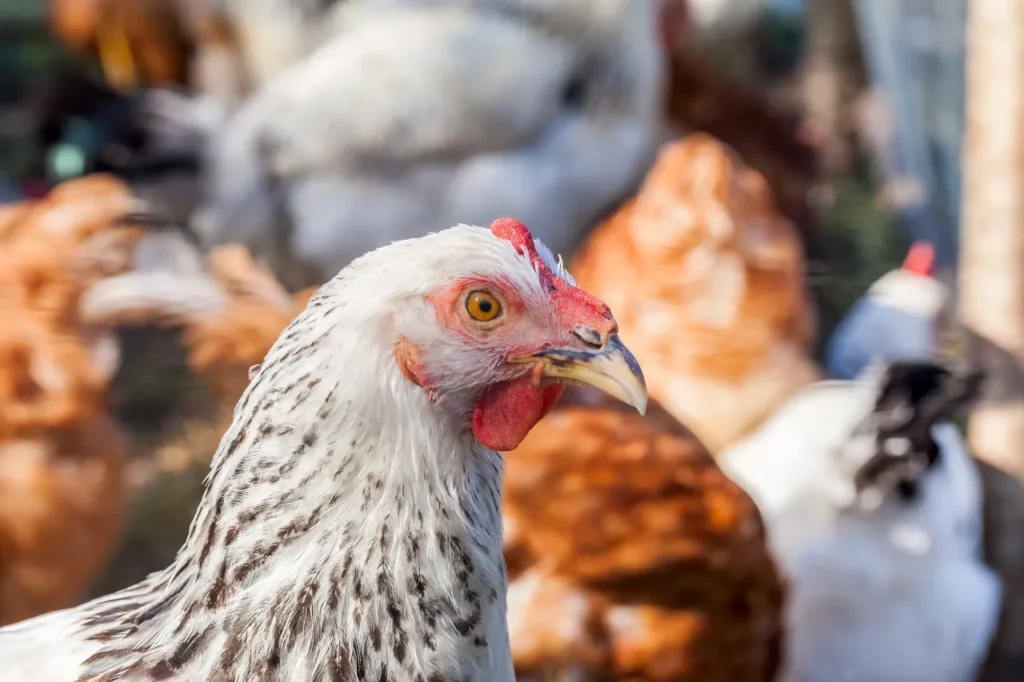
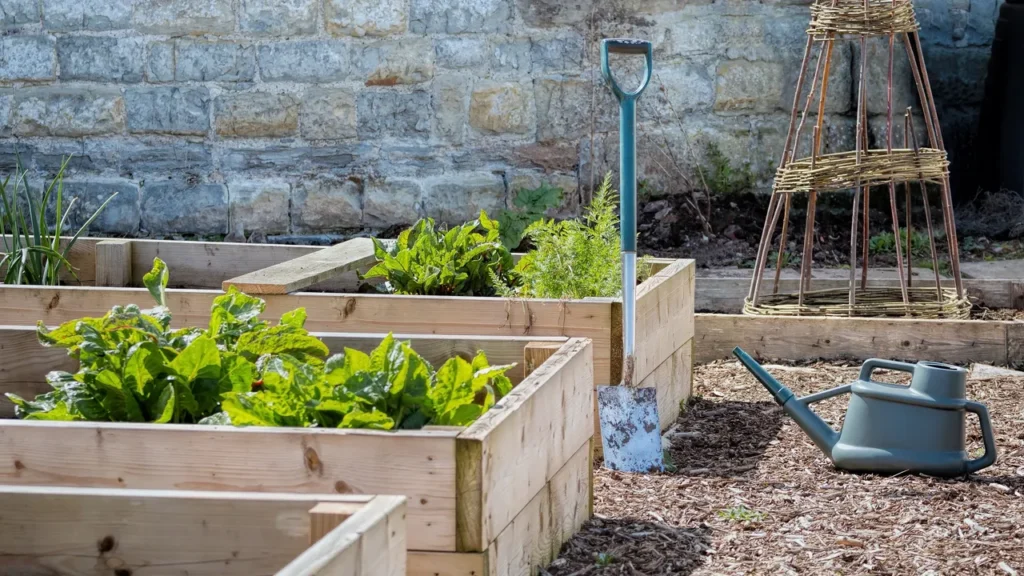
After the wake-up call in Part 1 about atrazine’s heavy use in Midwest corn and its endocrine-disrupting power, I spent some time this morning hand-weeding around the microgreens and torching a few stubborn early weeds along the fence line. My pregnant mini mare got her usual gentle check-in—calm routines and the cleanest forage we can provide, with no risk of drift or hidden residues affecting her or her growing foal. The Siberian huskies were zooming safely in their own area, the llamas and alpacas kept their watchful guard, and the chickens and ducks foraged happily in their secure run. These simple, toxin-free moments make all the extra effort worthwhile. The soil feels alive underfoot, our animals stay strong and healthy, and we have real peace of mind knowing we’re not bringing any of these chemicals onto the land.
In Part 1 we saw the usage stats, frog sex-change studies at tiny doses, and widespread groundwater contamination. Now in Part 2 we’re going full nerd on what atrazine actually is and how it works at the molecular level. We’ll break down its chemistry, its exact site of action in photosynthesis, why it’s so persistent in soil and water, and how it compares to glyphosate and paraquat. No vague overviews—this is the foundation so you understand exactly why regenerative homesteads like ours say a hard no.
What Is Atrazine?
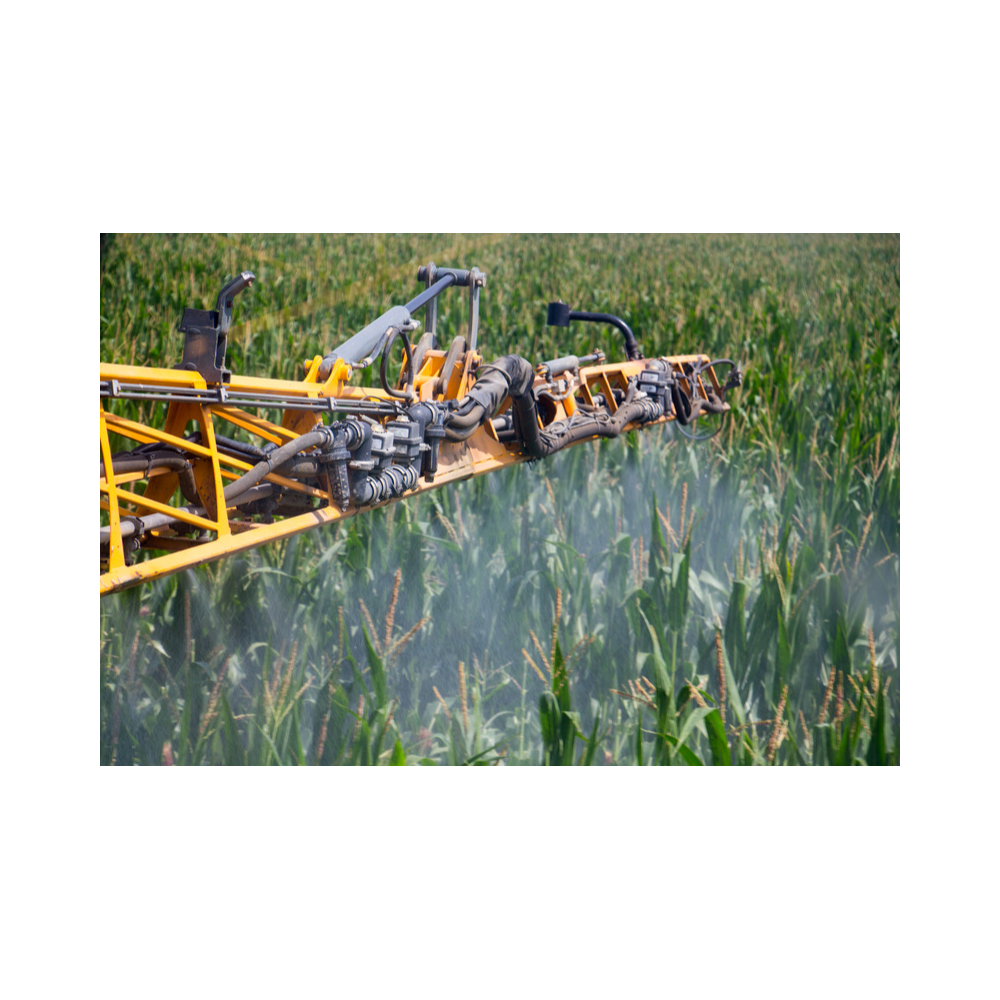
Atrazine is a triazine herbicide (chemical name: 2-chloro-4-ethylamino-6-isopropylamino-1,3,5-triazine). It’s a white crystalline solid that’s moderately soluble in water and widely formulated as liquid concentrates or dry flowables. It was first introduced in the 1950s–1960s and has become one of the most commonly used herbicides in the U.S., primarily on corn, with some use on sorghum and sugarcane.
Farmers like it for pre-emergence and early post-emergence control of broadleaf weeds and some grasses in corn systems. It’s often tank-mixed with other herbicides when resistance develops. Unlike contact killers, atrazine has both residual soil activity and some foliar uptake, giving it longer-lasting control.
How It Works: Blocking Photosystem II (Full Nerd Mode)
Atrazine is a photosystem II (PSII) inhibitor. It targets the photosynthetic electron transport chain in plant chloroplasts, specifically in the light-dependent reactions that produce energy for the plant.
Here’s the step-by-step mechanism:
1. Binding site: Atrazine binds to the QB-binding niche on the D1 protein of the photosystem II complex in the thylakoid membrane of chloroplasts. This is the same site where the natural electron acceptor plastoquinone (QB) normally binds.
2. Blocking electron flow: By occupying the QB site, atrazine prevents plastoquinone from accepting electrons from the primary quinone acceptor QA. This interrupts the normal flow of electrons from photosystem II toward photosystem I.
3. Starving the plant of energy: The blockage stops the production of ATP (via the proton gradient) and NADPH (the reducing power needed for the Calvin cycle). Without these, the plant cannot fix carbon dioxide into sugars.
4. Oxidative damage: The backed-up excitation energy in chlorophyll leads to the formation of triplet-state chlorophyll and reactive oxygen species (ROS), including singlet oxygen. This causes lipid peroxidation, protein damage, and eventual cell membrane destruction—resulting in chlorosis (yellowing), tissue necrosis, and plant death.
Visible symptoms appear as interveinal chlorosis followed by necrosis, typically within days depending on light intensity and temperature. Because it targets a fundamental process in all green plants (except those with modified or resistant PSII), it’s effective but also non-selective without crop safeners or genetic tolerance in some corn varieties.
Why Atrazine Is So Persistent in Soil and Water
One of atrazine’s biggest problems is its environmental persistence:
• Soil half-life: Typically 14–109 days, but can extend to years in some soils (especially low-organic-matter or cooler conditions). Studies have detected parent atrazine and metabolites decades after last application.
• Water half-life: Often longer than 6 months in surface water or groundwater; in some aquatic systems, little to no degradation is observed.
• Mobility: Atrazine has moderate to high leaching potential. It doesn’t bind strongly to all soil types and moves readily with water, leading to widespread groundwater contamination in the Midwest corn belt. USGS monitoring consistently finds it (and its breakdown products like deethylatrazine) in streams, rivers, and wells.
This persistence is why atrazine is one of the most frequently detected pesticides in U.S. drinking water sources, especially in agricultural regions.
How Atrazine Compares to Glyphosate and Paraquat
Understanding the differences helps explain why farmers rotate or mix them—and why none fit a regenerative system:
• Mode of action:
• Atrazine: Inhibits photosystem II (electron transport blocker).
• Glyphosate: Inhibits EPSPS enzyme in the shikimate pathway (amino acid synthesis).
• Paraquat: Contact herbicide causing redox cycling and explosive ROS production (cell membrane destruction).
• Speed and movement:
• Atrazine: Residual soil activity + some foliar uptake; symptoms in days.
• Glyphosate: Systemic, moves throughout the plant to roots; slower (days to weeks).
• Paraquat: Fast contact killer (hours); little translocation.
• Persistence and mobility:
• Atrazine: Highly mobile in water, persistent in soil/groundwater.
• Glyphosate: Stronger soil binding, but widespread use leads to residues in food.
• Paraquat: Binds tightly to clay particles (less leaching), but highly acutely toxic.
• Selectivity and use: Atrazine is more selective (safer on corn with certain genetics), while glyphosate and paraquat are broad-spectrum. All three contribute to resistance issues, driving heavier or mixed applications.
On our homestead we use none of them. We hand-weed, torch, mulch, and let our animals help because these chemicals disrupt the very soil biology and animal health we work so hard to build—especially risky for our pregnant mini mare.
Why “Convenient” Residual Control Comes at Too High a Cost
Big ag relies on atrazine for reliable weed control in corn rotations. But on a homestead, its persistence in water, hormone-disrupting effects, and contribution to the pesticide cocktail in food and environment make it incompatible with regenerative goals. We see the difference every day: vibrant soil, healthy animals with strong immune systems, and true peace of mind.
Series Roadmap – What’s Next
Part 3: The devastating toll on humans (hormone disruption, reproductive effects), livestock (especially pregnant animals), wildlife (frog sex changes and population impacts), and waterways.
Part 4: On our plates – residue detections in corn, processed foods, and the cumulative load.
Part 5: Follow the money – Syngenta and other manufacturers, lawsuits, and regulatory battles.
Part 6: The roots – discovery, corporate history, and why it’s still widely used in the U.S. despite restrictions elsewhere.
Part 7: Reclaiming our land – our exact holistic methods (hand-weeding, torch burning, mulch, cover crops, livestock grazing with our mini horses and llamas/alpacas), Michigan-specific tips, and free printable checklist.
Pin this post and the series. Drop a comment: Have you dealt with atrazine in your water or worried about hormone effects? Are you already avoiding triazine herbicides? I read every one.
If you want to support a farm doing it clean, check our shop for wildcrafted salves (soothing after hand-weeding or torch work), herbal teas grown right here without sprays, or non-GMO seeds for your regenerative garden. Every purchase helps us keep saying no to these toxins.
We don’t have to accept the next chemical on the list. We can protect our land and animals with better choices.
See you in Part 3, farm gals!
With love from the pasture,
Kara
Lange Girl Farms