Published: March 28, 2026
Howdy from the Muddy Lane, Farm Mamas
It’s late March, the snow is gone, the ground is thawing, and the barnyard has turned into a slippery mess of mud.
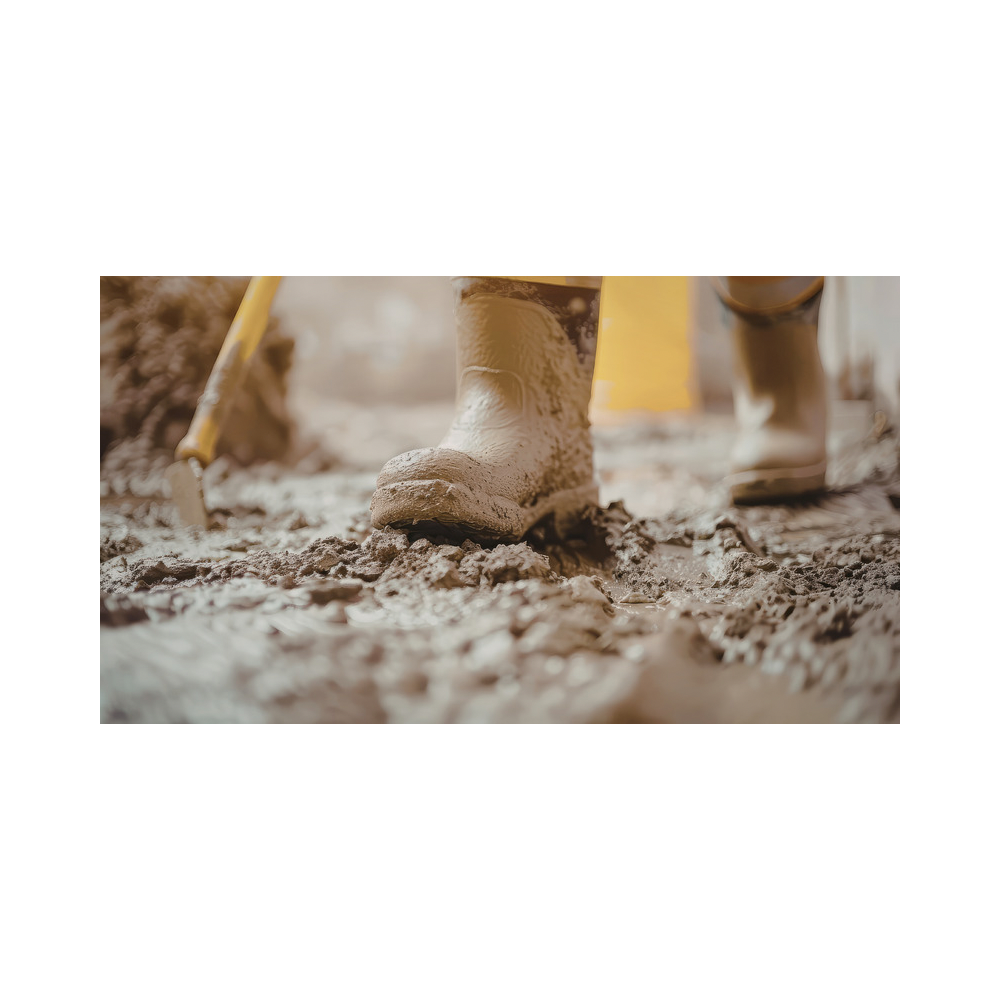
After more than a decade of country living and sustainable farming on our 33-acre Michigan homestead, mud season is a predictable challenge every spring.
Today I’m sharing practical ways to prepare for and manage mud season — protecting animals, preventing erosion, and keeping the homestead functional until the ground firms up.
Let’s get ahead of the mud — grab your boots and let’s make a plan.
Why Mud Season Hits Hard in Michigan
First, frozen ground thaws from the top down while snowmelt adds water. In addition, heavy spring rains compound the issue. As a result, paths, barnyards, and pastures turn into deep mud that can damage hooves, spread bacteria, and create hazards. Finally, preparing now saves time, money, and stress later.

My March Mud Timeline
- Assess problem areas early
- Install temporary solutions
- Plan permanent fixes for next year
Step-by-Step Mud Season Prep Checklist
1. Assess High-Traffic Areas
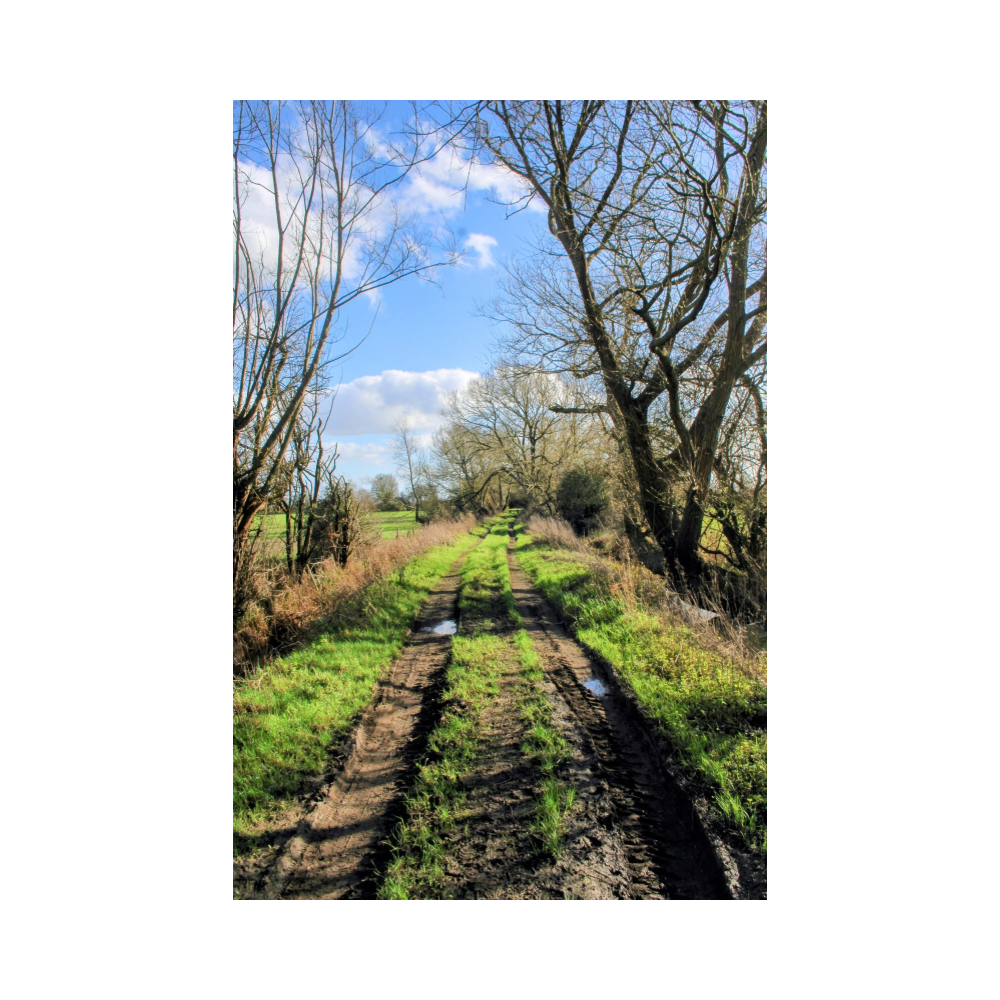
First, walk the property after rain. Next, note where mud is deepest — barn entrances, gates, chicken run, and feeding areas. Then, mark spots that need immediate attention. Finally, take photos for before-and-after tracking.
2. Create Temporary Dry Paths
First, lay down wood chips, straw, or gravel in heavy traffic zones. Next, use old pallets or boards as temporary walkways. Then, move feeding stations to drier ground. Finally, reroute foot traffic away from wet areas.
3. Improve Drainage Around Buildings
First, clear gutters and downspouts so water flows away from foundations. Next, dig shallow diversion ditches if needed. Then, add French drains or gravel trenches in problem spots. Finally, slope the ground slightly away from coops and barns.
4. Protect Animal Areas
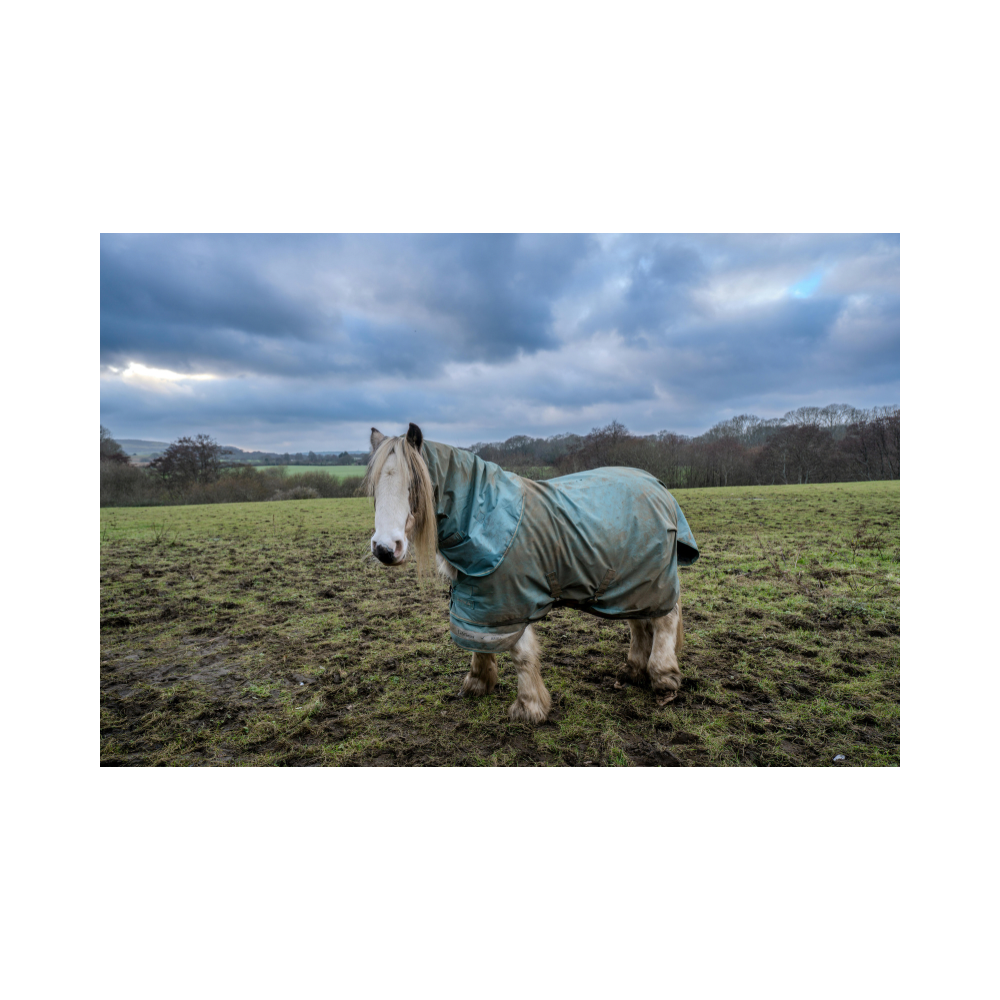
First, add deep bedding in coops and stalls to absorb moisture. Next, create elevated platforms or dry lots for livestock. Then, limit time in muddy pastures to prevent hoof issues. Finally, check animals daily for mud-related irritation or thrush.
5. Plan Long-Term Solutions
First, consider permanent gravel pads or concrete in high-use areas. Next, plant deep-rooted grasses or cover crops to stabilize soil. Then, install rain gardens or swales to manage runoff. Finally, budget for improvements over the next year.
Farm Hack: Use spoiled hay or wood chips from local tree services — cheap and effective for mud control.
Quick-Reference Mud Season Checklist
| Task | Priority | Tools/Materials Needed |
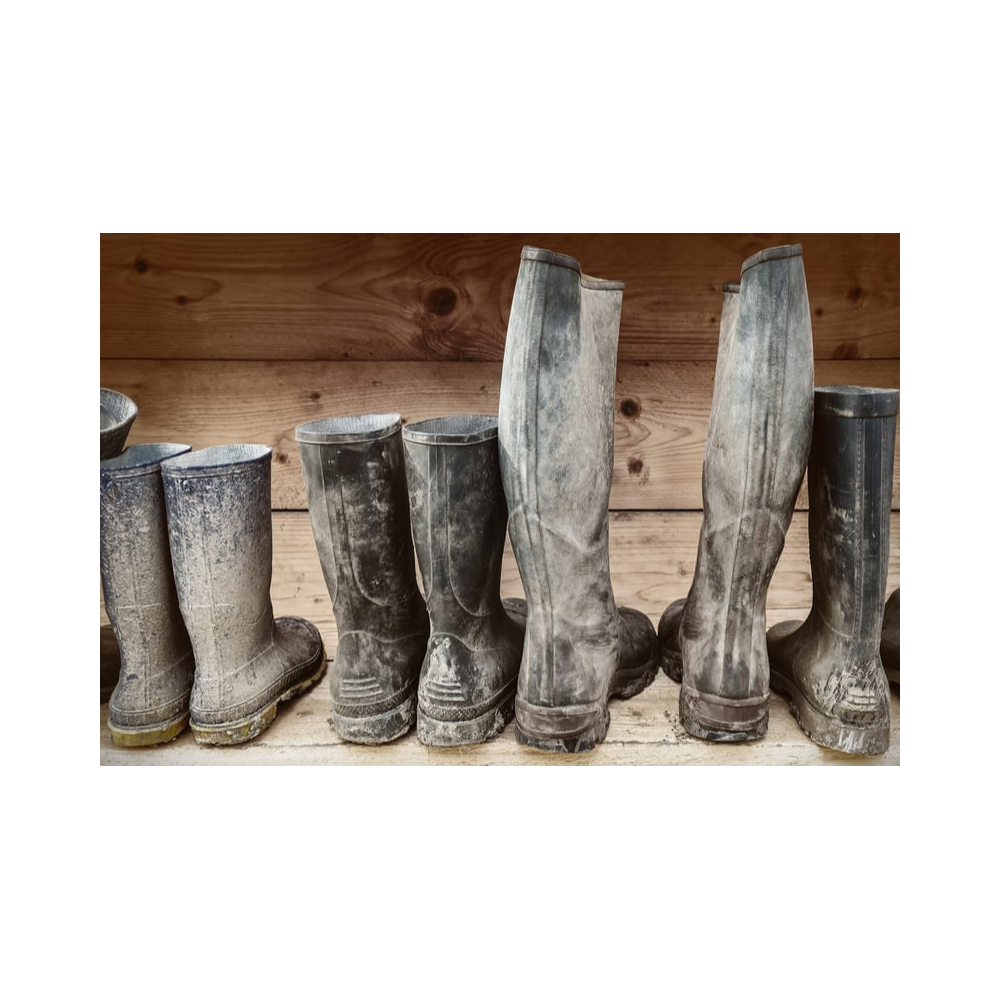
| Assess mud zones | High | Boots, notebook |
| Lay temporary paths | High | Wood chips, straw, pallets |
| Clear drainage | Medium | Shovel, rake |
| Add animal bedding | High | Straw or shavings |
| Plan permanent fixes | Medium | Gravel, plants |
Shop the Mud Season Pairing
- Laser-Engraved Slate Plant Markers
- Muscle & Joint Salve
- Bumps & Bruises Salve
Shop Now →
Parent Tips
- Let kids help lay straw or wood chips in small areas — it teaches problem-solving while getting them outside.
All printables are free images in the blog post. Generic version for your family to personalize and print.
A few of the items we mention link to things we actually use around the farm. Buying through those links sends a little support our way at no extra cost to you — thank you for helping keep Lange Girl Farms going!
Some links are affiliate links — I earn a small commission at no extra cost to you.
Shop our farm-made goods → https://langegirlfarms.com/shop
Let’s stay connected!
Instagram • Pinterest • Facebook • X (Twitter)
© Lange Girl Farms – All Rights Reserved
Ready to copy-paste.
Say “next” for the next date you want. 💛