Hey farm gals, it’s Kara from Lange Girl Farms!
After wrapping up Part 1 with that eye-opening Iowa hotspots data, I headed back out to the pasture to check on my pregnant mini mare. She’s getting the gentlest care possible—clean forage, no stress, and zero exposure to anything that could mess with her or her growing foal. Watching her graze peacefully while the Siberian huskies play and the llamas keep watch makes me even more determined to keep our land toxin-free. We hand-weed our beds and burn stubborn weeds with a torch when needed because we refuse to let shortcuts poison the soil that feeds our animals and family. These choices aren’t always the easiest, but they’re the right ones.
In Part 1 we looked at the real-world cancer overlap with heavy spraying. Now in Part 2 we’re going full nerd on what glyphosate actually is, how it works at the molecular level, why farmers got hooked on it, and the hidden costs that make it a terrible fit for regenerative homesteads like ours. No vague overviews here—we’re breaking down the shikimate pathway, the exact enzyme it targets, the role of sneaky surfactants, and how the introduction of genetically engineered “Roundup Ready” crops turned a modest herbicide into a flood that’s still washing over our fields, food, and water.

If you’re a homestead gal trying to build healthy soil and raise animals the natural way, this is the foundation you need to understand why we say no.
What Is Glyphosate, Anyway?
Glyphosate is the active ingredient in Roundup and hundreds of generic herbicides. Chemically, it’s N-(phosphonomethyl)glycine—a simple-looking molecule that mimics part of a natural plant compound. It’s a broad-spectrum, systemic, non-selective herbicide. That means it kills almost any green plant it touches by being absorbed through leaves and roots, then traveling through the plant’s vascular system to shut down essential processes.
It was discovered as a herbicide in 1970 by Monsanto scientist John Franz and commercialized as Roundup in 1974. For decades it was used mostly as a spot treatment or burndown before planting. But everything changed in 1996 with the approval of the first “Roundup Ready” genetically engineered crops—soybeans, corn, and cotton modified to survive being drenched in glyphosate. Suddenly farmers could spray entire fields after the crop emerged without killing the crop itself. That convenience exploded usage.
How It Works: The Shikimate Pathway and EPSPS Enzyme (Full Nerd Mode)
Plants (and many bacteria and fungi) rely on the shikimate pathway to produce three critical aromatic amino acids: phenylalanine, tyrosine, and tryptophan. These building blocks are essential for proteins, hormones, lignin (for structural support), flavonoids, and more. Humans and animals don’t have this pathway—we get those amino acids from food—so early safety claims focused on that “selectivity.”
The key enzyme glyphosate targets is 5-enolpyruvylshikimate-3-phosphate synthase, or EPSPS (sometimes called EPSP synthase). Here’s the step-by-step mechanism:
1. The pathway starts with shikimate-3-phosphate (S3P).
2. EPSPS catalyzes the transfer of an enolpyruvyl group from phosphoenolpyruvate (PEP) to the 5-hydroxyl of S3P, forming 5-enolpyruvylshikimate-3-phosphate (EPSP) and releasing inorganic phosphate.
3. Glyphosate acts as a competitive inhibitor of PEP. It binds to the EPSPS-S3P complex in the active site, mimicking a transition-state intermediate of the reaction. It fits so well that once it binds, it locks the enzyme in a stable ternary complex (EPSPS-S3P-glyphosate). The dissociation rate for glyphosate is about 2,300 times slower than for PEP, essentially inactivating the enzyme.
The result? The plant can’t make those aromatic amino acids. It starves, wilts, and dies over days to weeks. Shikimate often builds up as a measurable marker of exposure because the pathway backs up.
This is why glyphosate is so effective—and why genetically engineered crops were created with a bacterial version of EPSPS that’s insensitive to glyphosate. Those “Roundup Ready” plants keep producing the amino acids while the weeds around them die.
The Surfactant Problem: Formulations Are Far More Toxic Than Glyphosate Alone
Here’s something big ag doesn’t like to highlight: commercial products like Roundup aren’t just pure glyphosate. They contain co-formulants, especially surfactants (like polyethoxylated tallow amine or POEA in older versions, and newer alternatives). These additives help the herbicide stick to waxy leaves, penetrate plant tissues, and spread better—even in rain.
Multiple studies show these formulations are significantly more toxic than glyphosate alone—often 10 to 100 times (or more) in cell and animal tests. The surfactants can damage cell membranes, increase absorption into organisms, disrupt hormones (like aromatase), and cause mitochondrial dysfunction. In vitro studies on human cells have demonstrated that some Roundup formulations kill cells or trigger estrogenic effects at concentrations where pure glyphosate does little. Aquatic organisms and soil life are hit even harder by the full product.
This is why regulators testing only the “active ingredient” can miss the real-world risk of what actually gets sprayed.
The Explosion of Use: From Modest Tool to Flood
Before 1996, glyphosate use was relatively low. After Roundup Ready crops hit the market, it skyrocketed. According to Charles Benbrook’s 2016 analysis in Environmental Sciences Europe, U.S. glyphosate use rose about 9-fold and global agricultural use rose nearly 15-fold from 1996 levels. By 2014, enough was applied to cover every hectare of U.S. cropland at roughly 1 kg/ha.
Two-thirds of all glyphosate ever used in the U.S. up to that point had been sprayed in just the previous 10 years. The pattern continues today because of weed resistance—farmers apply more often and at higher rates, or mix in other herbicides. “No-till” farming with glyphosate was sold as soil-friendly (less erosion), but it often locks farmers into a chemical treadmill while degrading the microbial life that true regenerative systems rebuild.
Pre-harvest desiccant use adds another layer. Starting in the 1980s in some regions and expanding widely in North America around the mid-2000s, farmers spray glyphosate on wheat, oats, barley, beans, and other crops to dry them down uniformly for earlier harvest. The chemical doesn’t fully wash off—it stays in the grain. This practice lines up with reported rises in gluten sensitivity and related issues, as RFK Jr. has pointed out, because residues end up directly in staple foods.
Why “Cheap and Convenient” Destroys What Regenerative Farms Build
On our homestead we focus on soil biology. Healthy soil is alive with bacteria, fungi, earthworms, and microbes that cycle nutrients, build structure, and support plant immunity. Glyphosate and its formulations disrupt that.
Many soil bacteria (roughly 50% or more in some studies) use the shikimate pathway and are sensitive to glyphosate. It can reduce beneficial microbes, shift communities toward pathogens, suppress earthworm reproduction and activity, and impair nutrient cycling. Pollinators like honeybees suffer gut microbiome disruption at field-realistic levels, increasing disease susceptibility.
For a regenerative homestead, that’s the opposite of what we want. We build soil with cover crops, animal impact, compost, and diversity. Spraying something that chelates minerals (binds them, making them less available) and harms the very organisms that make soil fertile undermines years of work. Our pregnant mini mare gets the cleanest possible forage because we know residues and drift can affect reproduction and development in livestock.
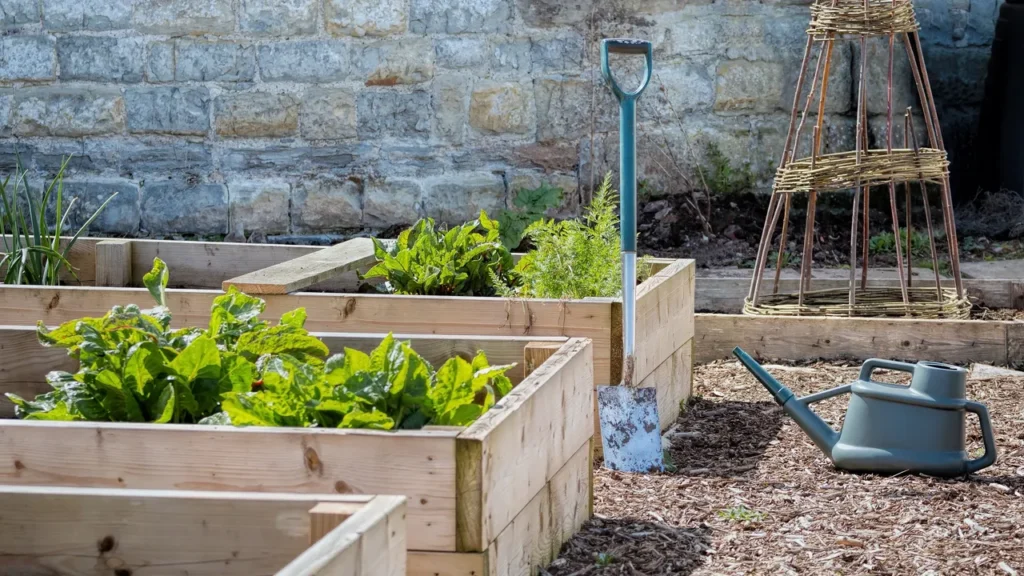
We hand-weed and use a torch because those methods don’t leave persistent chemicals that drift, run off, or accumulate. They take more effort upfront but protect the long-term health of our animals, soil, and the downstream rivers and streams.
The Bottom Line for Homestead Gals Like Us
Glyphosate is incredibly effective at killing weeds because it precisely targets a pathway most animals lack—but plants, soil microbes, and our gut bacteria don’t. The GM crop system supercharged its use, surfactants amplified its toxicity, and practices like pre-harvest desiccation put it straight into our food supply.
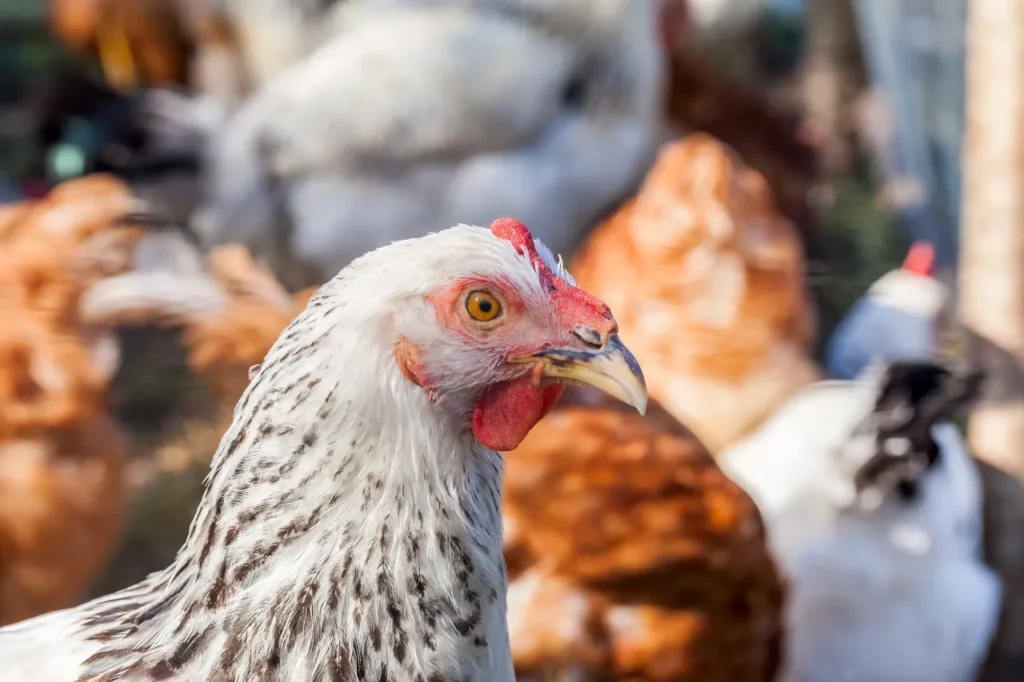
At Lange Girl Farms we see the difference every day. Our mini horses, including the expectant mom, thrive on pasture we’ve nurtured without these shortcuts. Our huskies, llamas, alpacas, chickens, and ducks live in an environment free from the residues and drift that plague so many conventional systems.
This is why understanding the “how” matters. When you know exactly what the chemical does and how it got everywhere, the choice to go holistic becomes crystal clear.
Series Roadmap – What’s Next
Part 3: The devastating toll on humans (DNA damage, microbiome wipeout, vaccine testing data), livestock (reproductive and organ issues in horses, poultry, etc.), wildlife, and waterways.
Part 4: The food contamination crisis—exact ppb levels in brands from Florida DOH bread tests, oats, legumes, processed snacks, baby food, fast food, plus the wheat desiccant shift.
Part 5: Follow the money—Bayer/Monsanto, lawsuits, settlements, pharma ties.
Part 6: The roots—pre-1970s origins, Stauffer patent, full Agent Orange battlefield history, and the corporate pivot to Roundup.
Part 7: Our real methods—hand-weeding, torch burning, mulch, cover crops, animal grazing, Michigan tips, and a free printable checklist.
Pin this, save the series, and tell me in the comments: Have you noticed changes in your soil or animals after nearby spraying? Are you already using torch weeding or other natural methods? I read every one.
If you’re ready to support a farm doing it clean, check our shop for wildcrafted salves (perfect for hands after hand-weeding or torch work), herbal teas grown right here, or non-GMO seeds for your own regenerative patch. Every bit helps us keep protecting what matters.
We don’t have to accept the flood of this chemical. We can build healthier land—one thoughtful choice at a time.
See you in Part 3, farm gals!
With love from the pasture,
Kara
Lange Girl Farms