Hey farm gals, it’s Kara from Lange Girl Farms!
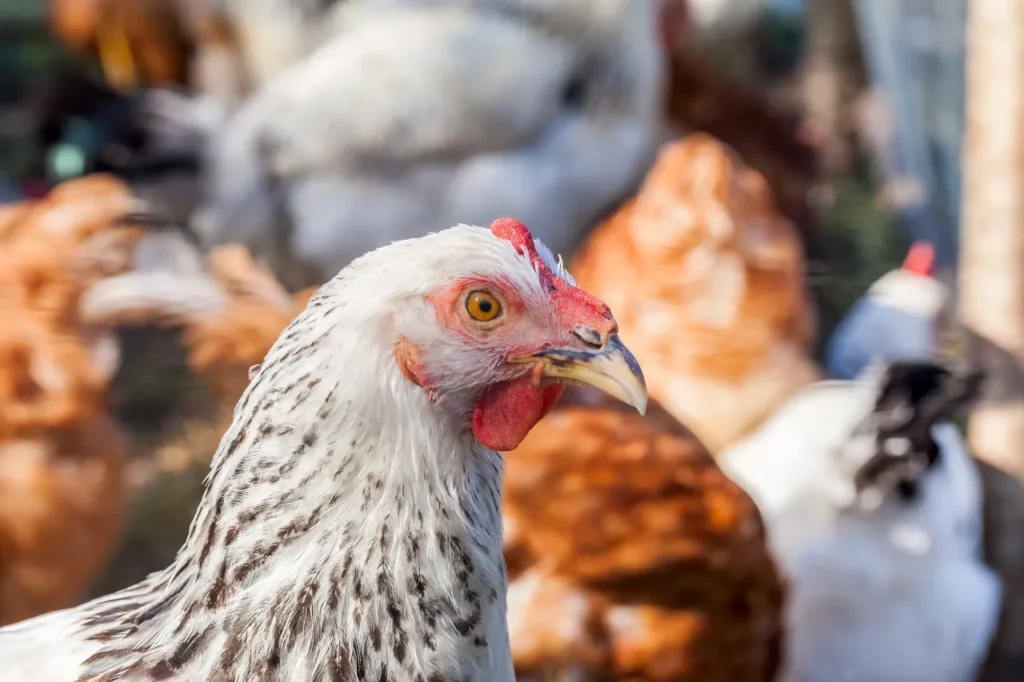
The alpacas were out early this morning, methodically browsing the brushy edges like they always do, while the big horses moved slowly through the grass with their steady presence. I spent a while hand-weeding around the herbs and torching a few young weeds along the fence before they could get established. The Siberian huskies had their own space to run, the llamas kept their quiet lookout, and the chickens and ducks were happily occupied in their secure run. These peaceful, chemical-free starts to the day are what make the extra work feel right — no hidden residues, no drift worries, just the land and animals doing what they’re meant to do.

In Part 1 we saw flupyradifurone showing up in conventional strawberries and other berries. In Part 2 we broke down how it works as a systemic insecticide. Now in Part 3 we face the real cost: potential carcinogenicity, neurodevelopmental risks, reproductive harm, and ecosystem damage. Flupyradifurone is one of the pesticides linked to elevated childhood cancer rates near heavy-spray areas, and its use on strawberries and many other crops raises serious concerns for families, livestock, and wildlife. We’re going full detail with mechanisms and studies — no sugar-coating.
Humans: Cancer Links, Neurodevelopmental Effects & Broader Risks
Flupyradifurone is a butenolide insecticide that targets the insect nervous system. In humans, exposure concerns include:
• Childhood cancer associations: It is one of the pesticides identified in studies as linked to higher childhood cancer rates (including leukemia) when sprayed within 2.5 miles of homes. In Watsonville, California (a major strawberry-growing region), nearby communities have shown a 38% higher childhood cancer rate than average.
• Neurodevelopmental risks: Animal studies suggest impacts on brain development, behavior, and motor function with prenatal or early-life exposure.
• Reproductive and endocrine effects: Evidence of hormone disruption and fertility issues in lab models.
• Chronic low-level exposure: Residues in strawberries, berries, and other produce contribute to cumulative exposure, especially concerning for children who consume more fruit relative to body weight.
Schools in heavy spray zones sit just yards from the fields, and pesticides linger in the air for hours after application, creating ongoing exposure for families living nearby.
Livestock: Reproductive & Developmental Risks (Especially for Pregnant Animals)
Our pregnant mini mare gets only clean pasture for a reason. Studies in animals exposed to flupyradifurone and similar insecticides show:
• Reproductive toxicity: disrupted hormone balance, reduced fertility, and higher rates of embryonic loss or developmental abnormalities.
• Neurological stress: impacts on nervous system function and increased oxidative damage.
• Transfer through feed: When livestock eat contaminated hay, grain, or forage from treated fields, residues can appear in milk, meat, and eggs.
Horses and other sensitive species appear particularly vulnerable during gestation. That’s why we’re so protective of our expectant mare and the rest of the herd — their forage and environment stay completely free of these insecticides. Our chickens and ducks also benefit from the clean system, producing strong eggs without the stress seen in conventionally raised birds.
Wildlife & Aquatic Life: Non-Target Toxicity & Runoff Effects
Flupyradifurone is toxic to many non-target organisms:
• Beneficial insects and pollinators: It can harm bees and other pollinators, adding to the damage we saw with neonics.
• Aquatic life: Highly toxic to fish, amphibians, and invertebrates. Runoff from strawberry fields and other treated crops carries it into streams and ponds, disrupting aquatic ecosystems.
• Birds and small mammals: Reduced food sources (insects and plants) and direct toxicity from contaminated water or prey.
In heavy strawberry-growing regions, repeated applications increase the risk of drift and runoff, affecting wild areas, hedgerows, and waterways far beyond the farm boundary.
The Bigger Picture: Why This Toll Hits Regenerative Farms Hardest
We build soil biology, support pollinators, and protect water quality because that’s what sustains healthy animals and truly clean food. Flupyradifurone undermines all of it with its systemic action and runoff potential. Our hand-weeding and torch work take more effort, but they don’t leave residues that drift onto our clean pasture or harm the animals in our care — especially the pregnant mini mare.
Seeing our alpacas and big horses thrive on toxin-free forage while knowing what conventional strawberry and berry systems expose nearby communities and wildlife to drives home the choice we’ve made.
Series Roadmap – What’s Coming Next
Part 4: On our plates – residues in strawberries, berries, and other foods, plus the cumulative load.
Part 5: Follow the money – manufacturers, the Driscoll’s licensing model, and regulatory status.
Part 6: The roots – discovery and development as an insecticide.
Part 7: Reclaiming our land – our exact holistic methods (hand-weeding, torch burning, mulch, cover crops, livestock grazing with our alpacas and big horses), Michigan-specific tips, and how we grow or source clean berries without these insecticides.
This series is for every homestead gal tired of finding out their “healthy” fruit is laced with concerning chemicals. We don’t have to accept it.
Pin/save the series and comment below: Have you worried about insecticide drift or residues in berries? What changes are you making to stay fully toxin-free? I read every comment.
If you want to support a farm refusing these chemicals entirely, swing by the shop for our wildcrafted salves (great after hand-weeding or torch work), herbal teas grown right here without sprays, or non-GMO seeds for your own regenerative garden. Every purchase helps us keep protecting our land and animals.
We can protect our kids, our animals, and our future—one holistic choice at a time.
See you in Part 4, farm gals!
With love from the pasture,
Kara
Lange Girl Farms