
Backwards Bug Battles: Why Quick-Fix Pest Products Fail — and How True IPM Builds a Resilient Farm (or Homestead)
Hey friends, it’s Kara from the Lange Girl Farm. If you’ve been reading our posts on glyphosate and the hidden costs of “modern” shortcuts, you already sense the pattern: we’re sold convenient tools that promise quick wins for weeds, pests, or yields, but they often erode the soil life, pollinators, and natural balances that keep farms resilient long-term. Today we launch this series on pest control with the same depth — full research, data, studies, and practical farm realities.
The core issue? A backwards mindset that dominates many popular products and practices. These tools deliver an immediate, visible payoff — a pile of dead bugs under a zapper, fewer bites after a spray, or the hum of a device that “repels” pests. Yet they frequently kill or disrupt beneficial insects, predators, and pollinators while leaving the real drivers of pest problems (like standing water for mosquitoes) untouched. Over time, this creates rebound effects, resistance, wasted money, and greater dependency on more interventions. It mirrors glyphosate: marketed for clean fields and effortless weed control, but linked to soil microbiome shifts, superweed evolution, and broader ecosystem pressures that many farmers are now questioning.
This series breaks it down comprehensively. We’ll examine specific backwards products with the supporting science, then shift to Integrated Pest Management (IPM) as the root-cause, ecosystem-first approach that prioritizes prevention, monitoring, and targeted tools. IPM isn’t about never using any intervention — it’s a science-based framework endorsed by USDA and land-grant universities that minimizes risks while building resilience. We’ll give you the data and actionable steps tailored for farms with livestock, barns, gardens, and homesteads.
The Backwards Model in Pest Control: Data on Collateral Damage
Let’s ground this in the numbers that started many of these conversations.
Electric bug zappers (outdoor UV models and indoor blue-light plug-ins) illustrate the pattern perfectly. A well-known University of Delaware study examined six residential zappers over 10 weeks in Newark, Delaware. Researchers collected and identified 13,789 insects. Mosquitoes and other biting flies totaled just 31 individuals — 0.22% of the catch. The vast majority were non-biting midges, caddisflies, moths, beetles, and other insects, including many that serve as food for birds, bats, fish, and frogs or act as natural pest predators and pollinators. Nearly half the catch consisted of aquatic insects important to local food webs.
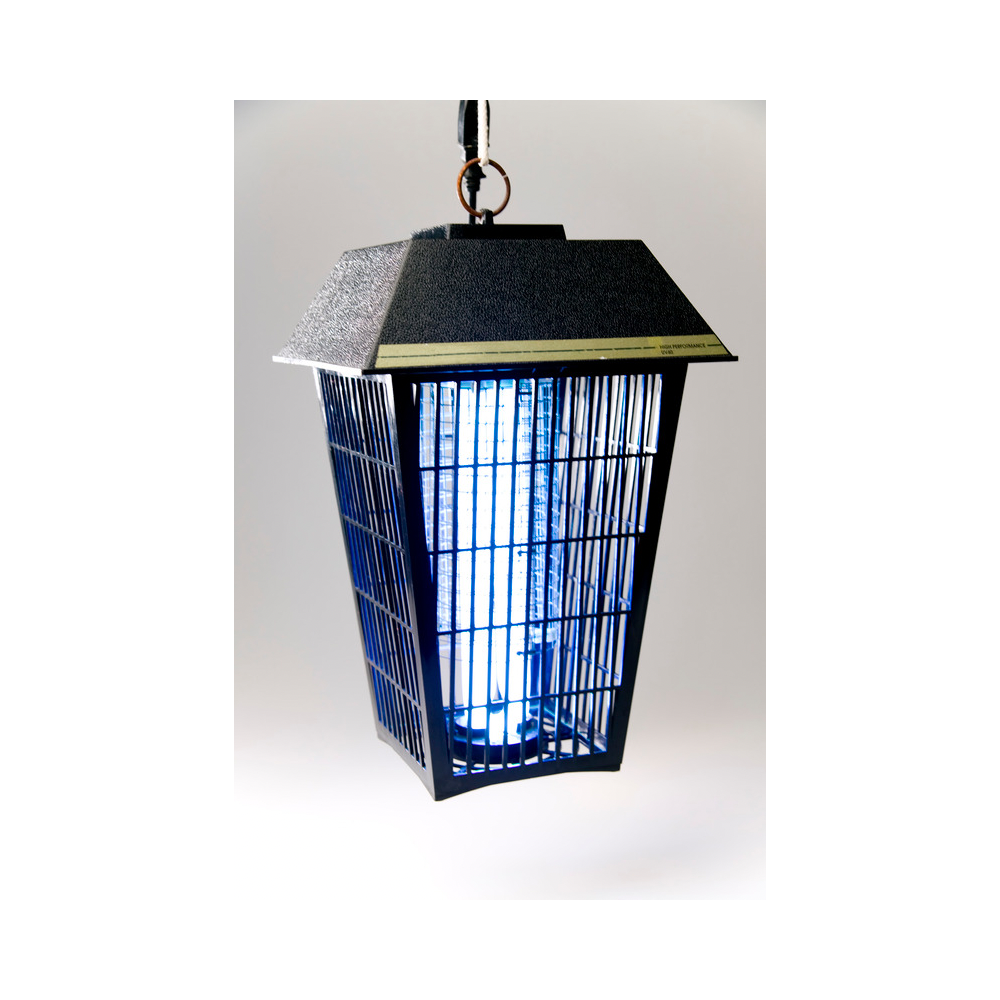
Similar findings appear elsewhere. Notre Dame researchers reported mosquitoes at around 3–6% of nightly catches in some trials, with one analysis putting biting insects under 1% overall. Estimates based on device sales and average kill rates suggest U.S. zappers may account for tens of billions of nontarget insects killed annually, with no consistent evidence of reduced mosquito biting pressure in yards with versus without them. Rutgers Vector Biology program notes that comparison trapping often shows no significant difference in local mosquito populations.
Why the mismatch? Mosquito sensory biology. Female mosquitoes (the ones that bite) primarily locate hosts via carbon dioxide from breath, body heat, moisture, and skin chemicals like lactic acid or octenol. Their attraction to UV light is limited or context-dependent (varying by species, sex, and time of day). In contrast, many nocturnal moths, beetles, and midges are strongly phototactic — they use light cues for navigation or foraging and mistake the zapper’s ultraviolet or blue glow for moonlight or a nectar source.
Harvard Medical School’s resources on Zika and mosquito control explicitly caution against bug zappers. They note that these devices do not meaningfully reduce bites and can indirectly increase mosquito issues by removing beneficial insects that prey on or compete with mosquitoes. Extension services across the U.S. echo this: the heavy nontarget toll provides little practical benefit while harming ecosystem services.
Indoor “blue-light” or UV plug-in traps (popular sticky-board models for kitchens or barns) operate on the same principle in smaller spaces. They can capture some household nuisances like fruit flies or fungus gnats near plants or spills, but the light draw still favors non-pest insects, and they do little against mosquitoes breeding outdoors and entering structures.
Baits and lures paired with these devices often compound the issue rather than solve it. Octenol cartridges aim to mimic host odors and attract certain mosquito species in controlled settings, but when combined with UV light, the overall catch remains dominated by beneficials. Simpler food-based baits (fruit, meat scraps, yeast mixtures) pull in scavenging flies and moths more readily than blood-seeking females. The result: continued collateral damage without addressing breeding sites.
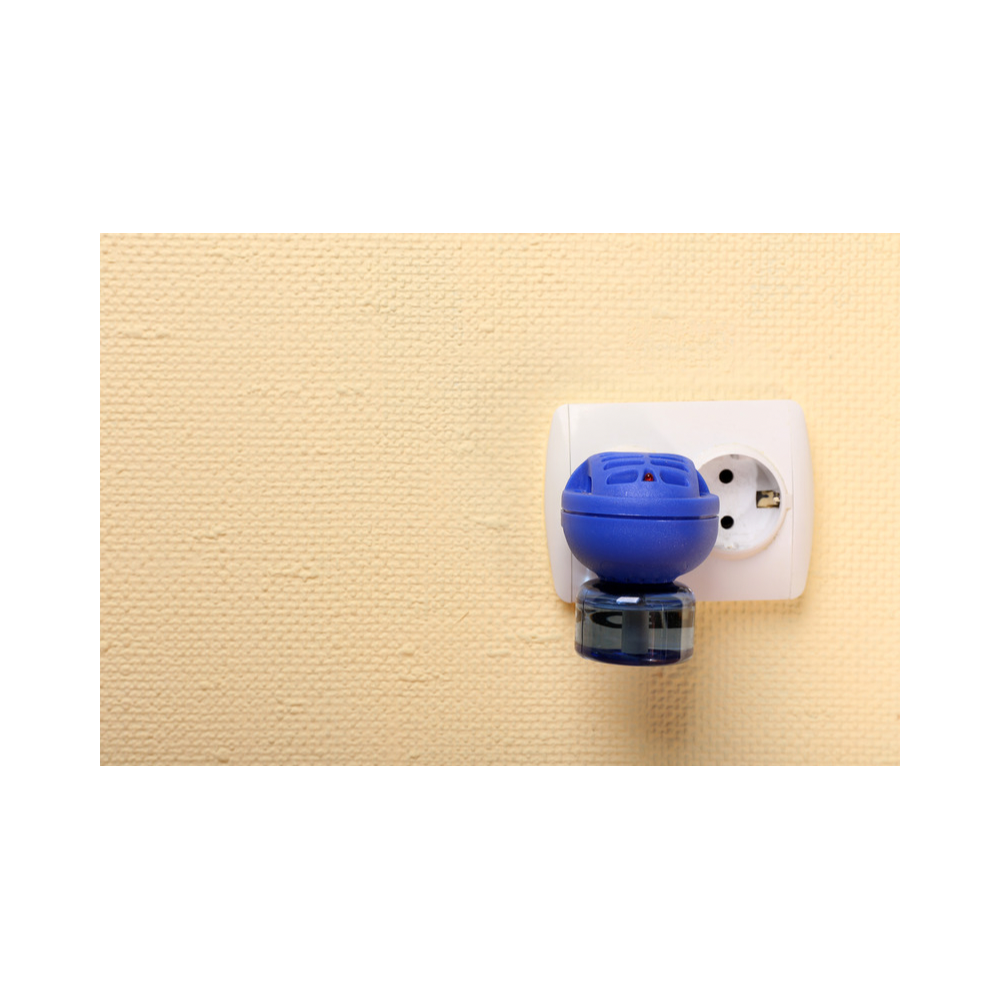
Ultrasonic plug-in repellents add another layer of inefficiency and minor energy waste. These devices emit high-frequency sounds (typically 20–100 kHz) claimed to irritate or disorient insects, rodents, or other pests. The Federal Trade Commission has repeatedly scrutinized such claims. In 2001, the FTC sent warning letters to over 60 manufacturers and retailers, emphasizing that efficacy assertions require competent scientific evidence. Earlier enforcement actions targeted unsubstantiated marketing for rodent and insect control. The CDC has stated that ultrasonic products are not effective at preventing mosquito bites.
Independent studies reinforce this. A 2021 lab test on ticks found repellency rates below 19.5% — insufficient for practical protection. Broader reviews of consumer-grade devices show pests often ignore the sound, habituate rapidly, or exhibit no reliable behavioral change at the intensities these plug-ins produce. Power consumption is low (1.5–5 watts continuous), but across multiple units in a home, barn, or outbuilding, it represents unnecessary ongoing cost for negligible results.
Broad-spectrum chemical sprays and systemic insecticides scale the backwards approach to field and yard levels. Pyrethroids (e.g., permethrin, bifenthrin, prallethrin) are common in yard “barrier” treatments, foggers, and some mosquito products. They provide fast knockdown of flying insects but are non-selective, affecting bees, butterflies, dragonflies, ladybugs, and predatory wasps. Some volatilized pyrethroid devices show limited direct impact on honey bee foraging in specific tests, but overall non-target exposure via drift or residues remains a concern for pollinators and beneficials.
Neonicotinoids (imidacloprid and relatives), used as seed treatments, soil drenches, or foliar sprays, move systemically through plants and appear in pollen and nectar. Extensive research documents sublethal and lethal effects on non-target species: impaired navigation and foraging in bees, reduced reproduction, weakened immunity, and declines in predatory insects and decomposers. One review of beneficial insect impacts highlights risks to lacewings, ground beetles, and dung flies, with cascading effects (e.g., increased slug pressure when beetle predators decline). Multi-year field comparisons of IPM versus conventional calendar spraying in vegetable systems have shown up to 95% reductions in insecticide applications under IPM, with maintained or improved yields and better pollination services.
These patterns create a “pesticide treadmill”: initial control gives way to resistance in target pests, loss of natural enemies, and secondary outbreaks, requiring more inputs.
The Glyphosate Parallel and Media Gaps
This mirrors glyphosate coverage and use. Headlines and marketing often emphasize short-term efficacy for weed control or yield protection, while longer-term data on soil microbial shifts, weed resistance, and impacts on non-crop plants (including early-season forage for pollinators like dandelions) receive less consistent attention. Dandelions, for example, offer high nutritional value (vitamins A, C, K, minerals), support early pollinators when few other blooms are available, and feature deep taproots that aerate soil and cycle nutrients. Yet they’re broadly labeled “weeds” in pursuit of uniform aesthetics or “clean” fields.
In pest control, media and product ads spotlight the visible action (zaps, sprays, barriers) but rarely quantify nontarget losses or the failure to address root causes like habitat and breeding sites. The outcome: many operations default to familiar quick fixes, even as evidence mounts for more balanced systems.
IPM Adoption Reality on U.S. Farms
USDA historical surveys once estimated “some level” of IPM on roughly 70% of crop acreage, but this included minimal practices like basic scouting rather than comprehensive multi-tactic programs. More recent assessments and projections indicate that by 2026, over 60% of U.S. farms may incorporate IPM strategies, driven by sustainability goals, regulatory pressures, and extension efforts. However, full adoption remains uneven, especially on smaller or livestock-focused operations. Barriers include upfront time for monitoring, perceived risk of shifting from calendar sprays, and the dominance of quick-fix marketing. Livestock facilities show growing interest (projected 6% CAGR in some IPM market segments), particularly for fly and vector control around animals.
State IPM coordinators report progress through regional centers, but many note that true systems-level implementation lags behind partial tactics.
What True IPM Looks Like — Root-Cause, Holistic Framework
Integrated Pest Management, as defined by USDA and the EPA, is a sustainable, science-based decision-making process. It combines biological, cultural, physical, and — when necessary — chemical tools to manage pests while minimizing economic, health, and environmental risks.
The structured hierarchy (applied in order):
- Set action thresholds — Determine when pest levels justify intervention (not every sighting requires action; many insects cause no economic or health harm).
- Monitor and correctly identify — Regular scouting to know exact pests versus beneficials or incidental species.
- Prevention — Cultural practices (eliminate breeding sites, use resistant varieties, diversify habitats), mechanical/physical barriers (screens, row covers, fans), and biological support (encourage predators like bats, birds, dragonflies).
- Targeted control — Use least-risk options only when thresholds are exceeded. Examples include Bti (Bacillus thuringiensis israelensis) dunks or granules, which specifically target mosquito larvae in water with minimal impact on bees, pollinators, or livestock.
This approach parallels root-cause thinking in other systems: strengthen the overall environment (soil health, habitat diversity, natural enemies) so pest pressure stays manageable without constant suppression. On farms, it often reduces total input costs over time through fewer broad applications and healthier ecosystems.
Practical Starting Point for Your Operation
This week, conduct a simple audit. Walk your property and note every quick-fix product in use (zappers, ultrasonics, broad sprays, etc.). Record placement and intended target. Then identify one potential breeding or high-pressure area (e.g., livestock troughs, low spots after rain, barn corners) and commit to one prevention-focused step — we’ll expand on specifics like water management and Bti in upcoming posts.
Share your audit notes or first small experiment in the comments below. We read them and will highlight real farm and homestead experiences as the series continues.
This post sets the foundation. Future installments will dive deeper into individual product categories with additional studies, then deliver a complete IPM playbook with farm-tested tactics for mosquitoes around livestock, barn flies, garden pests, and more.
Next: Detailed look at bug zappers and blue-light traps, including full study breakdowns and mosquito biology.
We’re building this series for readers who want the full picture and practical paths forward — the same mindset that helped us question other shortcuts. Let’s hear your experiences with these products or early IPM experiments.