Hey farm gals, it’s Kara from Lange Girl Farms!
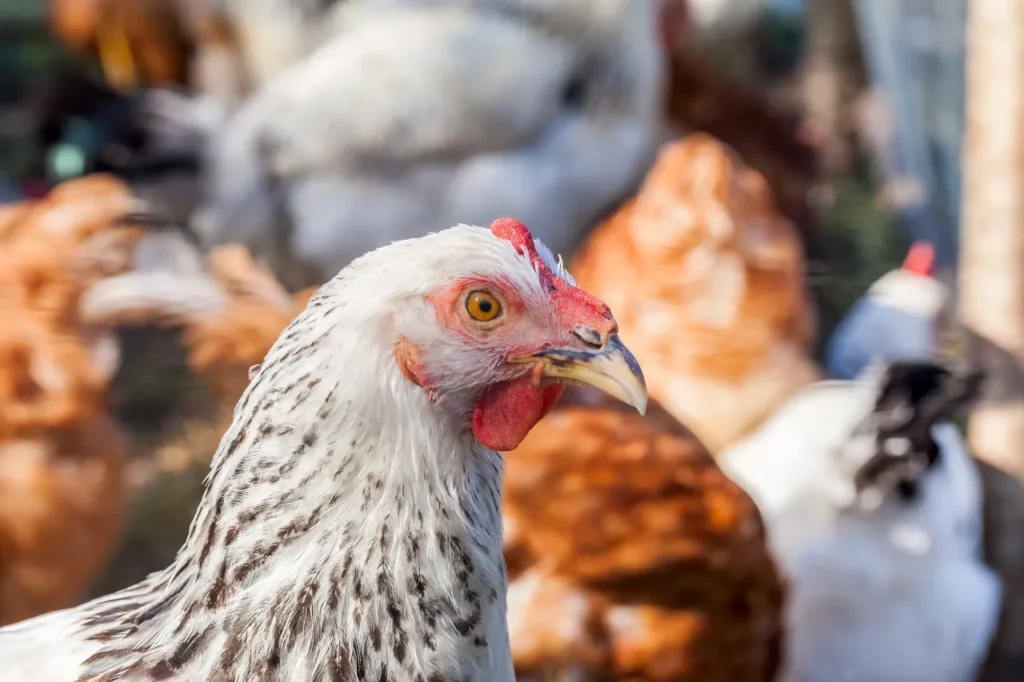
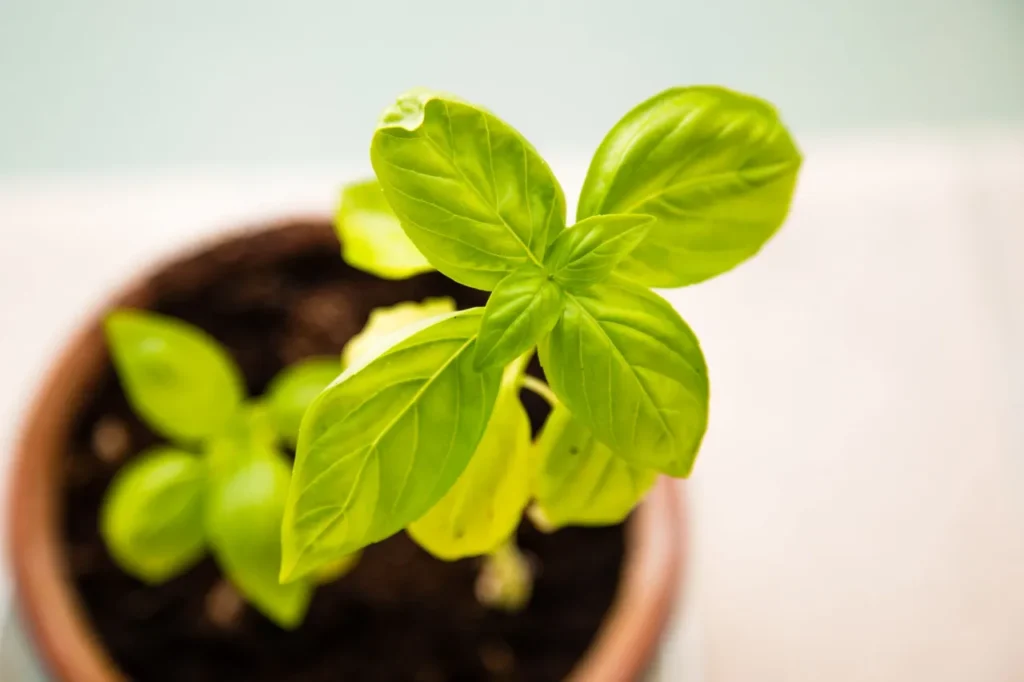
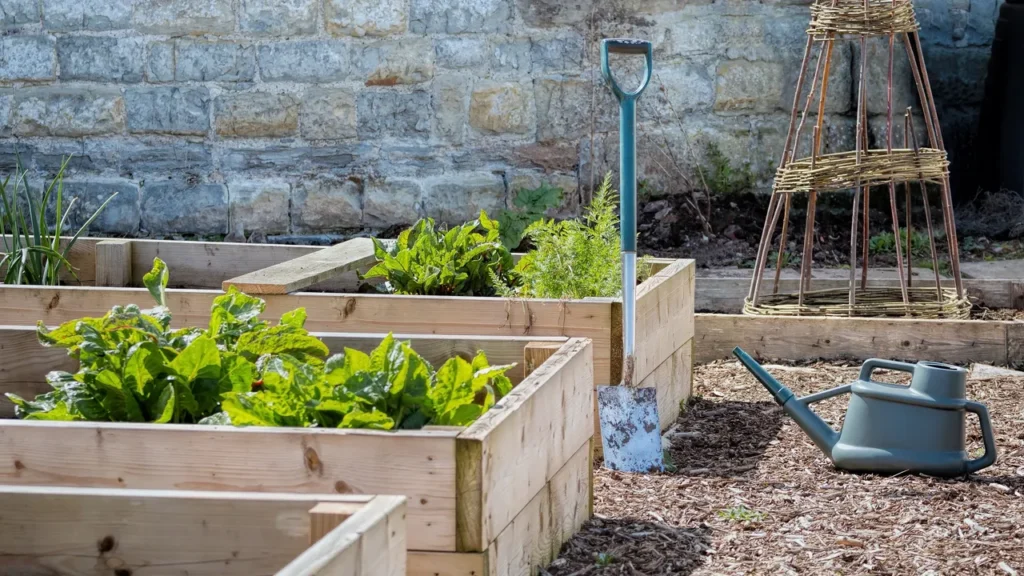
This morning I was out hand-weeding the herb garden and torching a few early weed patches along the fence while keeping a close, gentle eye on my pregnant mini mare. She’s grazing peacefully on the cleanest pasture we can give her—no drift, no residues, nothing that could reach her or her growing foal. The Siberian huskies were zooming in their own area, the llamas and alpacas stood their usual watchful guard, and the chickens and ducks foraged safely in their secure run. These quiet moments remind me why we refuse every chemical shortcut on this regenerative homestead. After tackling glyphosate head-on in our last series, we’re not stopping. The next toxin still flooding Midwest fields, waterways, and supermarket shelves is paraquat—a burndown herbicide so toxic that one small sip can be fatal, with no antidote.
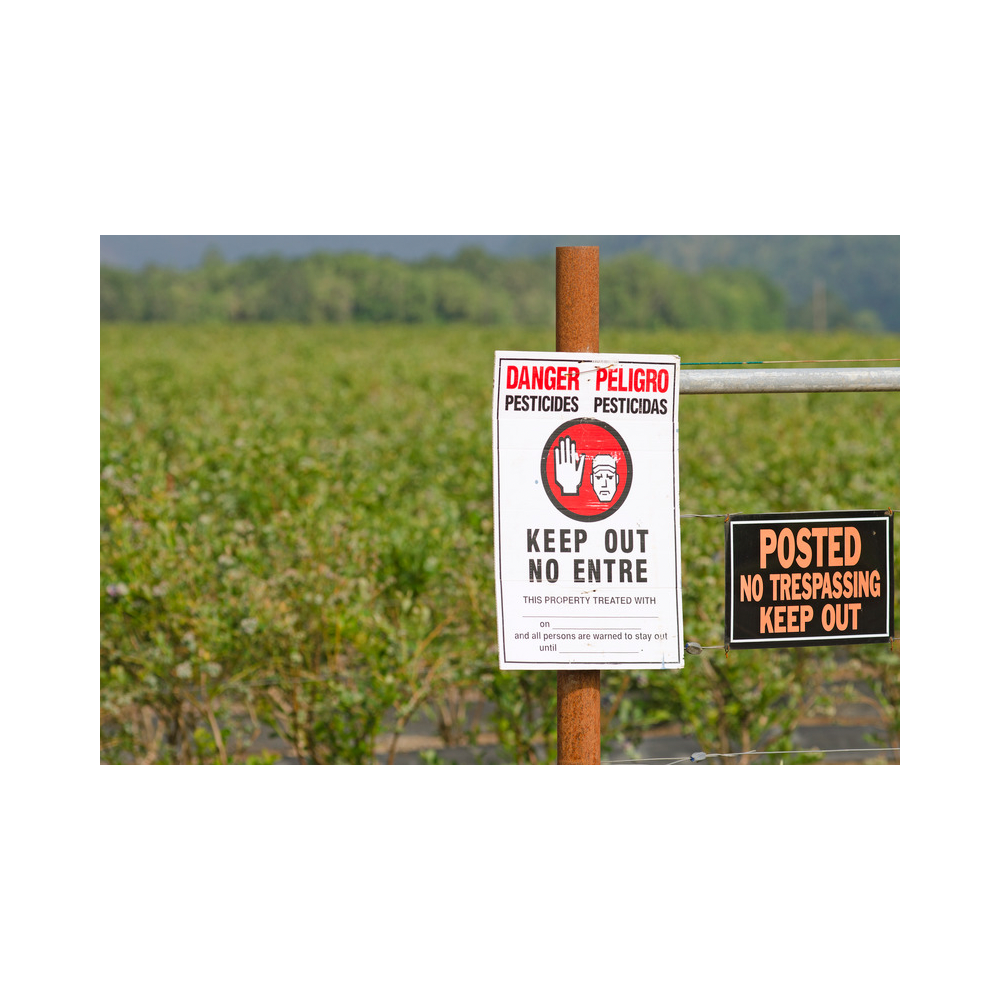
Paraquat (sold as Gramoxone and generics) is still legal in the U.S. as a restricted-use pesticide, even though it’s banned in more than 70 countries including the EU and China. Syngenta announced in March 2026 it will stop producing it by June 2026, but generics from other manufacturers will keep it on the market. This series will be just like the glyphosate one: seven deep-dive parts with the full science, human and animal impacts, food residues, corporate money trail, historical roots, and—most importantly—the practical holistic methods we use every day so our animals and family stay protected.
In Part 1 we’re starting with the wake-up call: where paraquat is still being used in the Midwest, the strong Parkinson’s disease links (including recent studies and lawsuits), real-world incidents, and why this hits regenerative homesteads like ours so hard. No sugar-coating—just the facts, sources, and why we say no.
The Current Reality: Still Heavily Used in the Midwest
Paraquat is a fast-acting contact herbicide used as a burndown tool before planting or as a desiccant on crops like corn, soybeans, cotton, peanuts, grapes, almonds, walnuts, and more. USGS data and state reports show hundreds of thousands of pounds applied annually in key Midwest and Southern states (California, Texas, Iowa, Illinois, Indiana, Kansas, Nebraska, Georgia, North Carolina, Arkansas, Mississippi). It’s often chosen when glyphosate resistance becomes a problem.
Recent headlines make it personal:
• The Wonderful Company (makers of POM Wonderful pomegranate juice) was named California’s second-largest user of paraquat in a single recent year, spraying over 56,000 pounds on crops used for the “health” drink. Independent testing and EWG investigations have flagged this irony—marketed as antioxidant-rich while tied to a chemical linked to Parkinson’s, non-Hodgkin lymphoma, and childhood leukemia.
• A March 2026 truck spill in Dorris, California, involving paraquat triggered a shelter-in-place order because even inhalation or skin contact is dangerous.
• Another spill incident in northern California highlighted the same risks: immediate public safety orders and community exposure fears.
These aren’t isolated. Drift and runoff from conventional fields reach neighboring regenerative farms, waterways, and even “clean” products.
The Parkinson’s Connection: Strong Evidence, Not Speculation
Decades of epidemiologic and lab data link paraquat exposure to Parkinson’s disease through oxidative stress that damages dopamine-producing neurons in the brain (mitochondrial dysfunction and alpha-synuclein buildup). Key points from recent sources:
• Farmworkers and applicators show 2–2.5x higher risk or more in multiple studies.
• A major manufacturer’s decision to exit (Syngenta’s March 2026 announcement) was framed as progress, but experts like Dr. Michael Okun emphasize the battle is far from over—paraquat remains one of the most toxic herbicides in widespread use.
• Animal and cell studies confirm the mechanism: paraquat generates reactive oxygen species (redox cycling) that destroy cell membranes and trigger the exact neurodegeneration seen in Parkinson’s.
Over 6,500+ cases are consolidated in the federal multidistrict litigation (MDL) as of early 2026, with tentative settlements, a $187.5 million prior agreement, and a qualified settlement fund approved in March 2026. Courts are now ordering information on settlement offers to be provided to a special master. State-level efforts in 9+ states are pushing for bans in 2026.
Why This Hits Regenerative Homesteads Like Ours
My own county shows up in elevated pesticide-pressure data (not as extreme as some Iowa hotspots, but real). Drift from neighboring conventional corn/soy fields, runoff into shared waterways, and residues in purchased feed or produce are constant worries. We refuse paraquat (and every other chemical) because:
• Our pregnant mini mare gets only clean forage—reproductive and neurological risks are too high for livestock.
• Our huskies, llamas, alpacas, chickens, and ducks live without the oxidative stress or persistent soil contamination that paraquat leaves behind.
• We hand-weed and torch weeds because those methods don’t create the long-term legacy this herbicide does.
Even “washed” supermarket items or processed foods can carry residues from burndown/desiccant use. That’s why we grow, raise, and preserve as much as possible.
Limitations and the Bigger Picture
Regulators note acute poisoning requires direct high exposure, and paraquat binds strongly to soil (reducing some runoff). But the Parkinson’s data, global bans, ongoing lawsuits, and community incidents show the risks far outweigh the convenience—especially when regenerative alternatives work.
Series Roadmap – What’s Coming Next
Part 2: Paraquat 101 – the exact chemistry (redox cycling and cell-membrane destruction), why it’s restricted-use only, and how it differs from glyphosate.
Part 3: The devastating toll on humans (Parkinson’s, possible cancer/reproductive effects), livestock (neurological/oxidative stress in horses, poultry, etc.), wildlife, and waterways.
Part 4: On our plates – exact residue detections in crops like almonds, walnuts, grapes, and processed foods, plus the cumulative load.
Part 5: Follow the money – Syngenta and other manufacturers, the full MDL lawsuit updates, settlements, and regulatory battles.
Part 6: The roots – discovery in the 1960s, corporate history, and why it’s still allowed in the U.S. despite global bans.
Part 7: Reclaiming our land – our exact holistic methods (hand-weeding, torch burning, mulch, cover crops, livestock grazing with our mini horses and llamas/alpacas), Michigan-specific tips, and a free printable checklist.
This series is for every homestead gal who’s tired of the next chemical being pushed after glyphosate. We don’t have to accept it.
Pin/save the series and comment below: Have you seen paraquat use near your property or worried about Parkinson’s risks? What changes are you making to go fully toxin-free? I read every comment.
If you want to support a farm that refuses these chemicals entirely, swing by the shop for our wildcrafted salves (great after hand-weeding or torch work), herbal teas grown right here without sprays, or non-GMO seeds for your own regenerative garden. Every purchase helps us keep protecting our land and animals.
We can protect our farms, our families, and our future—one holistic choice at a time.
See you in Part 2, farm gals!
With love from the pasture,
Kara
Lange Girl Farms