Hey farm gals, it’s Kara from Lange Girl Farms here in Southeast Michigan.
June is here and BBQ season is in full swing, so I’ve been pulling packages out of the freezer and thinking about how all the pieces we’ve covered in this series actually come together on a real homestead. We’ve compared beef breeds, spotlighted Highland cattle, broken down livestock and wild game nutrition, and looked at grass-fed versus grain-fed finishing. Now it’s time for the practical playbook — the part that helps you make decisions for your land, your family, and your freezer.
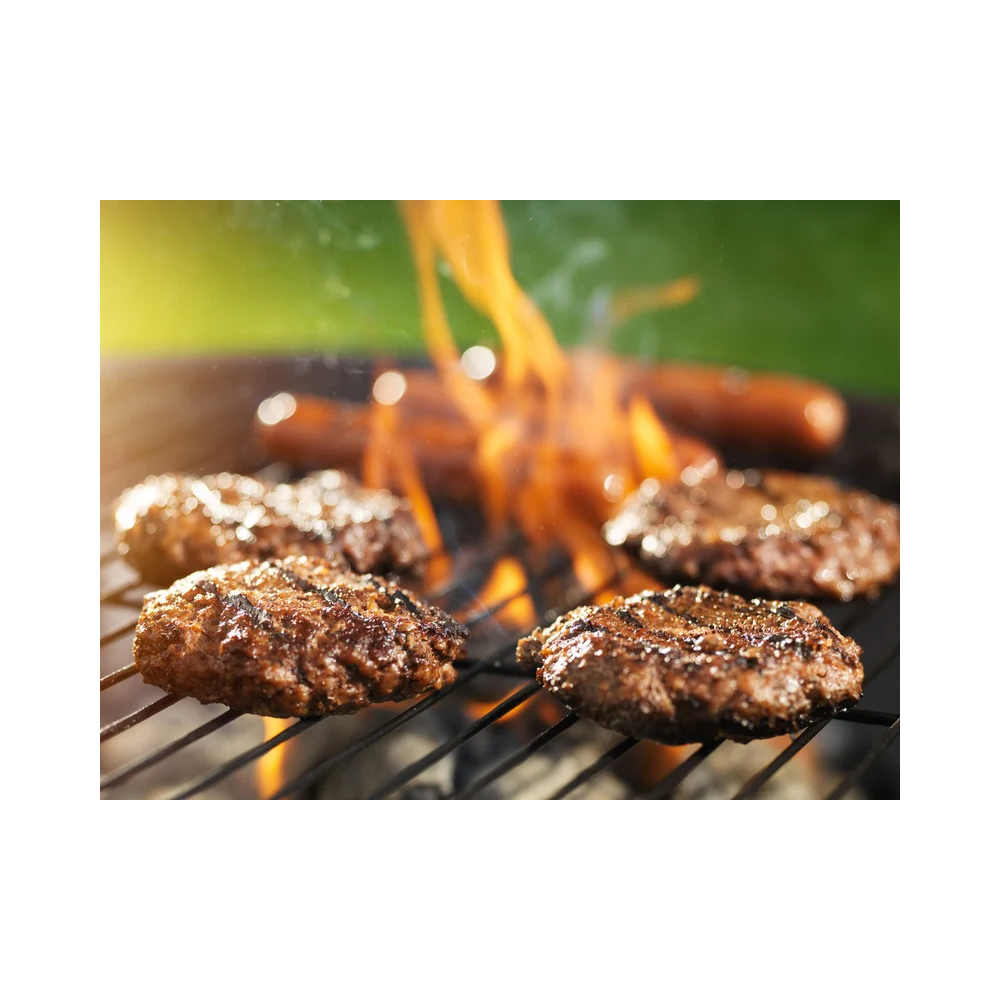
This is the actionable wrap-up: how to choose breeds, how to process meat well, how to handle wild game, and how to turn it all into nourishing meals this summer and beyond.
Choosing the Right Breed for Your Homestead
There is no universal “best” breed — the right one matches your climate, acreage, goals, and management style.
• Cold, wet climates like Michigan: Highland or Highland crosses are hard to beat. Thick coats, excellent forage efficiency, good marbling in a leaner package, calm temperaments, and strong mothering. Belted Galloway and Dexter are also excellent low-input options.
• Small acreage (under 10–20 acres): Dexters or Highland crosses. They need less space and feed while still giving good meat yields and flavorful carcasses.
• Maximum meat volume: Angus or Angus crosses, or Continental breeds (Charolais, Simmental) if you have good pasture and don’t mind supplementing.
• Dual-purpose (milk + meat): Some Shorthorn or Dexter lines.
• Marginal or rough pasture: Texas Longhorn or Highland — they thrive where other breeds struggle.
Start small if you’re new. Many homesteaders begin with a couple of steers or a small breeding group. Visit farms, taste the meat from different breeds, and talk to owners in your climate. The animal that thrives on your land with your management style is usually the right one.
Processing Tips for the Best Results
Great meat starts after the animal is harvested.
• Aging: Dry-age or wet-age beef (especially leaner grass-finished or Highland) for 14–28 days. This dramatically improves tenderness and concentrates flavor. Wild game benefits hugely from proper aging too.
• Butchering: Use a skilled processor who understands grass-fed and heritage breeds. Specify cuts you actually use (steaks, roasts, ground, stew meat, bones for broth). Ask for suet or leaf fat if you render your own tallow.
• Packaging and freezing: Vacuum-seal everything. Label clearly with breed, finish (grass/grain), cut, and date. Double-bag wild game to prevent freezer burn.
• Safe handling: Keep everything cold. Wild game especially needs prompt field dressing and cooling.
On our place we focus on simple, high-quality cuts that shine on the grill or in slow-cooked meals. The better the handling, the better the meat tastes months later.
Wild Game Handling – From Field to Freezer
Many of us fill the freezer with wild game each fall. Proper care makes all the difference:
• Field dress quickly and cool the carcass.
• Age deer/elk in a cooler or hanging (40°F or below) for 7–14 days depending on temperature.
• Trim carefully — remove all hair, scent glands, and damaged tissue.
• Portion and vacuum-seal promptly. Many hunters grind a lot into burger or sausage because lean wild game can dry out if cooked wrong.
• Cook low and slow or use marinades for tougher cuts. Venison and elk shine in tacos, chili, or grilled backstraps.
Wild game is one of the most regenerative proteins available — harvested in season from healthy populations with almost zero input on your land.
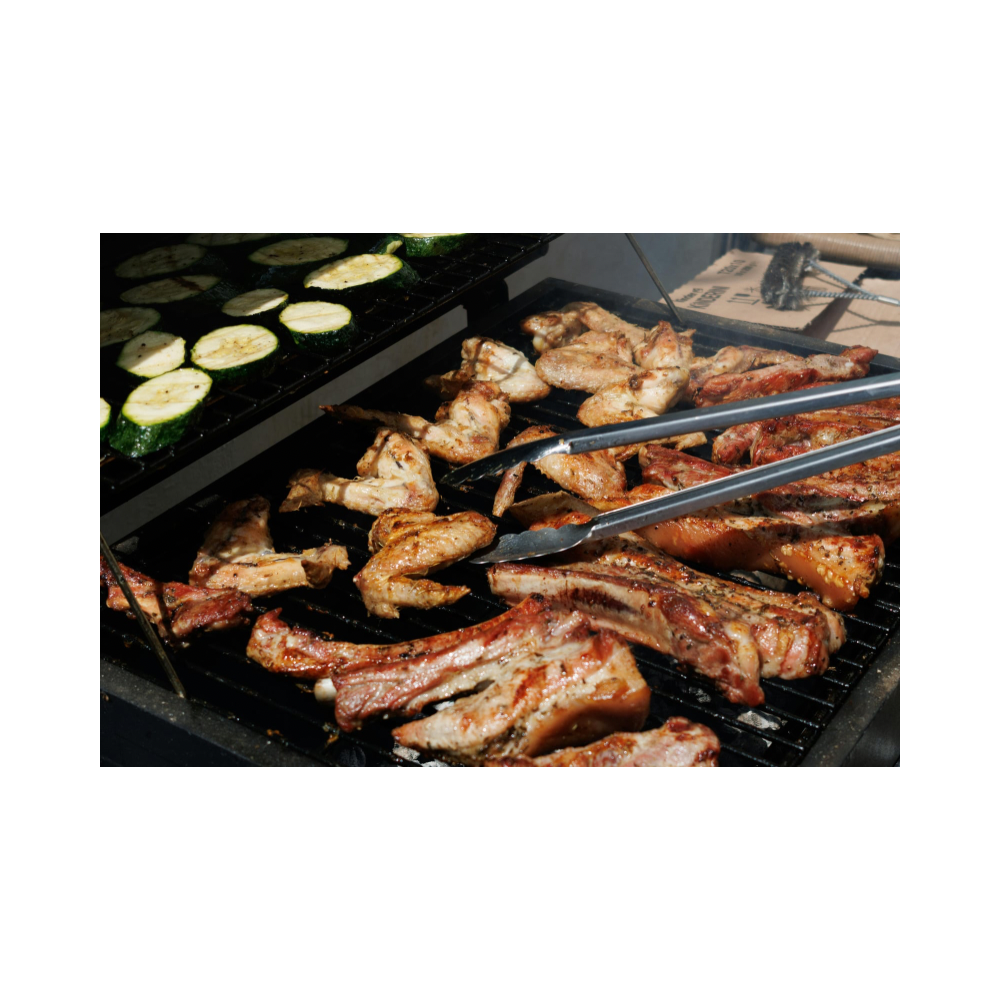
Putting It All on the Table This Summer
Mix it up for variety and balanced nutrition:
• Highland or grass-fed beef steaks for special grilling nights.
• Lean venison or elk for lighter summer meals.
• Pasture chicken or turkey for quick weeknight dinners.
• Lamb or goat for rich, flavorful stews when the weather cools.
Season simply, don’t overcook lean cuts, and let the natural flavor shine. That’s the joy of raising or sourcing your own meat — you know exactly where it came from and how it was raised.
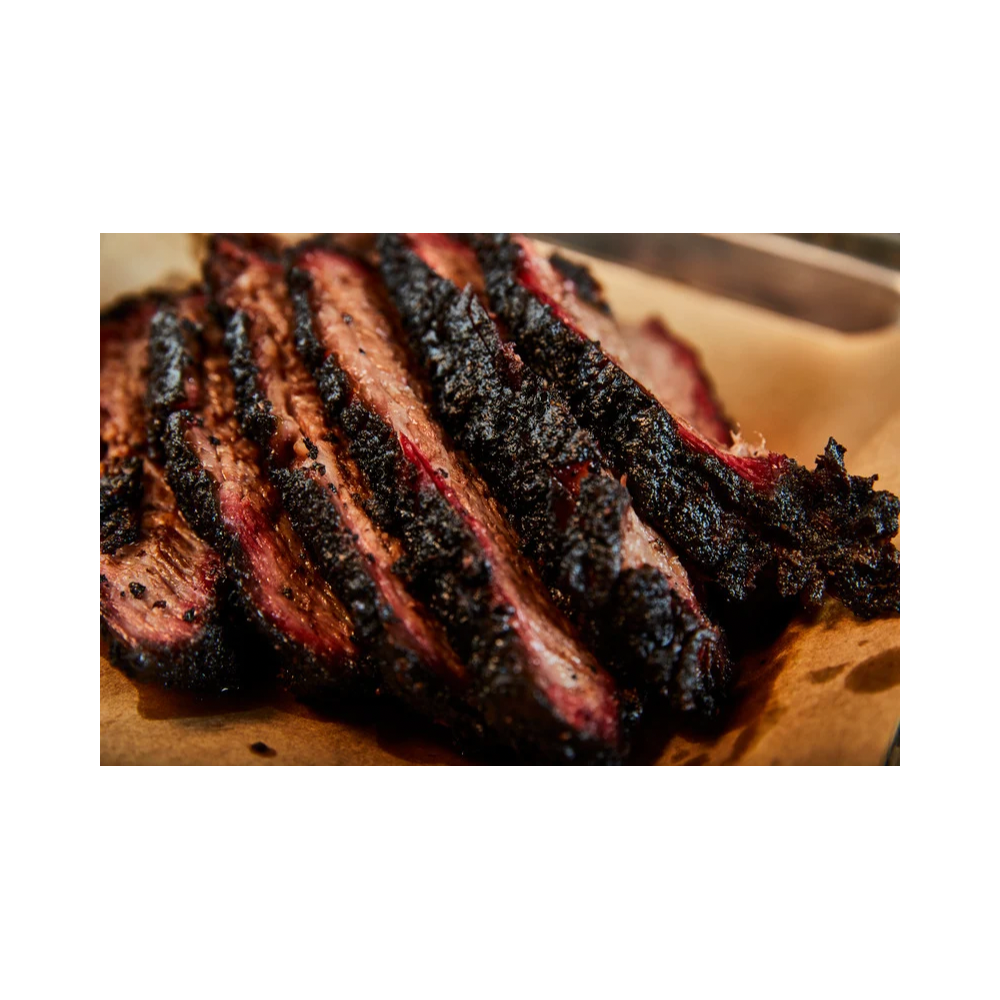
Final Thoughts
Choosing breeds, finishing methods, and handling practices isn’t complicated — it’s about matching the animal to your land and your values. Whether you raise Highland for superior cold-climate meat, supplement with pasture poultry, or fill the freezer with wild game, you’re part of a regenerative system that builds soil, protects animals, and nourishes your family.
Thank you for walking through this whole series with me. It’s been a joy nerding out on these topics together. I hope it gives you clear, usable information you can put to work right away this summer.
I’d love to hear from you ladies. What breed or meat are you focusing on this year? Have you tried Highland beef? What’s your favorite way to cook wild game or homestead-raised meat during BBQ season?
Drop your thoughts and experiences below — I really do read every single comment. Let’s keep learning together and making the best choices for our families and our land.
With love and dirt under my nails,
Kara
Lange Girl Farms