Hey farm gals, it’s Kara from Lange Girl Farms!
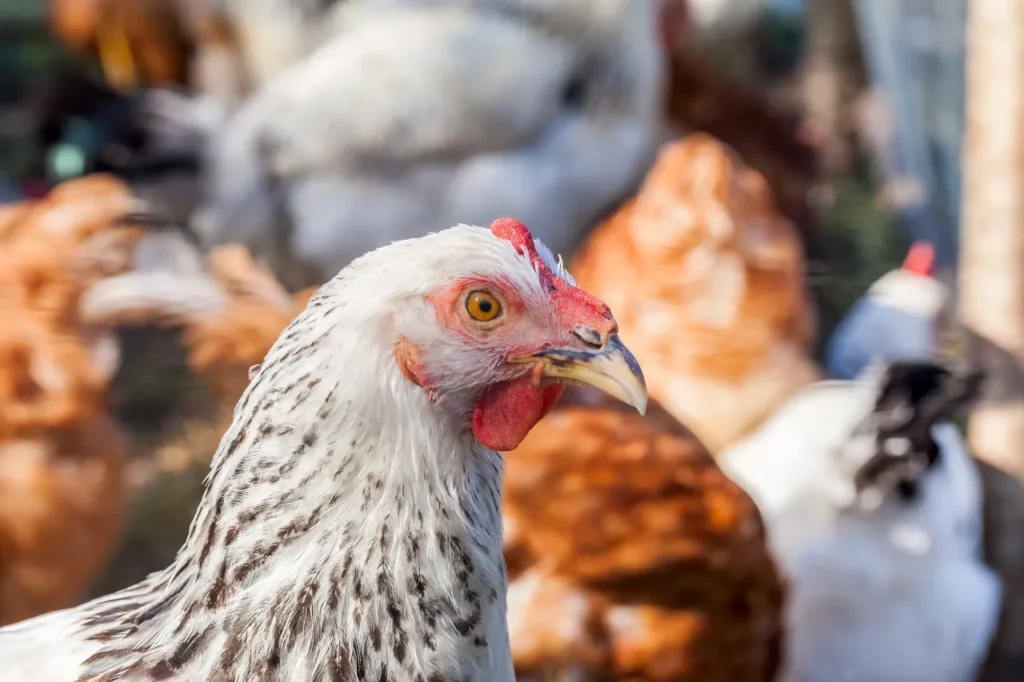
This morning I was out hand-weeding around the herb beds and torching a few stubborn early patches before they could spread. My pregnant mini mare got her usual gentle care—calm routines and the cleanest forage we can provide, with no risk of drift or hidden residues affecting her or her growing foal. The Siberian huskies were zooming safely in their own area, the llamas and alpacas kept their watchful guard, and the chickens and ducks foraged happily in their secure run. These simple, toxin-free moments remind me why we refuse every chemical shortcut on this regenerative homestead.
In Part 5 we followed the money through Bayer’s Xtend and Corteva’s Enlist systems, the thousands of drift lawsuits, and the ongoing regulatory battles. Now in Part 6 we go back to the roots: the discovery of these synthetic auxin herbicides, their dark historical ties (especially 2,4-D’s connection to the Agent Orange era), and how the push for new genetically engineered crops in the 2010s reignited the “dicamba drift wars.” This history shows the same pattern we’ve seen with glyphosate, paraquat, and atrazine—profit-driven innovation that creates new problems while leaving farms and families to deal with the consequences.
Discovery of Synthetic Auxins (1940s)
The story begins during World War II. Scientists in the UK and US were researching plant growth regulators. They discovered that certain synthetic compounds could mimic the natural plant hormone auxin (indole-3-acetic acid) at high doses, causing uncontrolled, chaotic growth that ultimately killed the plant.
• 2,4-D (2,4-dichlorophenoxyacetic acid) was synthesized and recognized as a potent herbicide in 1941–1942 by researchers at the Imperial Chemical Industries (ICI) in the UK and concurrently in the US. It was one of the first selective herbicides — it killed broadleaf weeds while leaving grasses (like cereal crops and corn) relatively unharmed.
• Dicamba (3,6-dichloro-2-methoxybenzoic acid) was developed later, in the 1950s–1960s, as another benzoic acid auxin mimic with strong activity on broadleaf plants.
Both were hailed as revolutionary because they allowed farmers to control weeds without tillage, saving labor and reducing soil erosion.
Dark Historical Ties: 2,4-D and the Agent Orange Era
2,4-D has a troubling connection to wartime defoliation. During the Vietnam War, a 50:50 mixture of 2,4-D and 2,4,5-T was the main component of Agent Orange. The U.S. military sprayed millions of gallons over Vietnam, Laos, and Cambodia to destroy forest cover and food crops.
• Monsanto and other companies produced large quantities of these phenoxy herbicides for the military.
• The manufacturing process for 2,4,5-T created a highly toxic byproduct — 2,3,7,8-TCDD dioxin — leading to severe long-term health effects for veterans and Vietnamese civilians (cancers, birth defects, neurological damage).
• While 2,4-D itself produces far less dioxin than 2,4,5-T, the entire phenoxy herbicide class carries this wartime legacy. Agent Orange was banned in 1971 after the risks became undeniable, yet 2,4-D remained in widespread agricultural use.
This history makes many homesteaders pause when new auxin-based systems are pushed as “safe” solutions.
The Modern Revival: GE Crops and the Drift Wars
By the 2000s, glyphosate-resistant weeds had become a crisis in Roundup Ready crops. Companies responded by stacking new traits:
• Bayer/Monsanto’s Xtend system (2010s): Dicamba-tolerant soybeans and cotton paired with new dicamba formulations (XtendiMax, Engenia, FeXapan). Marketed as the answer to glyphosate resistance.
• Corteva’s Enlist system: 2,4-D-tolerant crops paired with 2,4-D choline formulations.
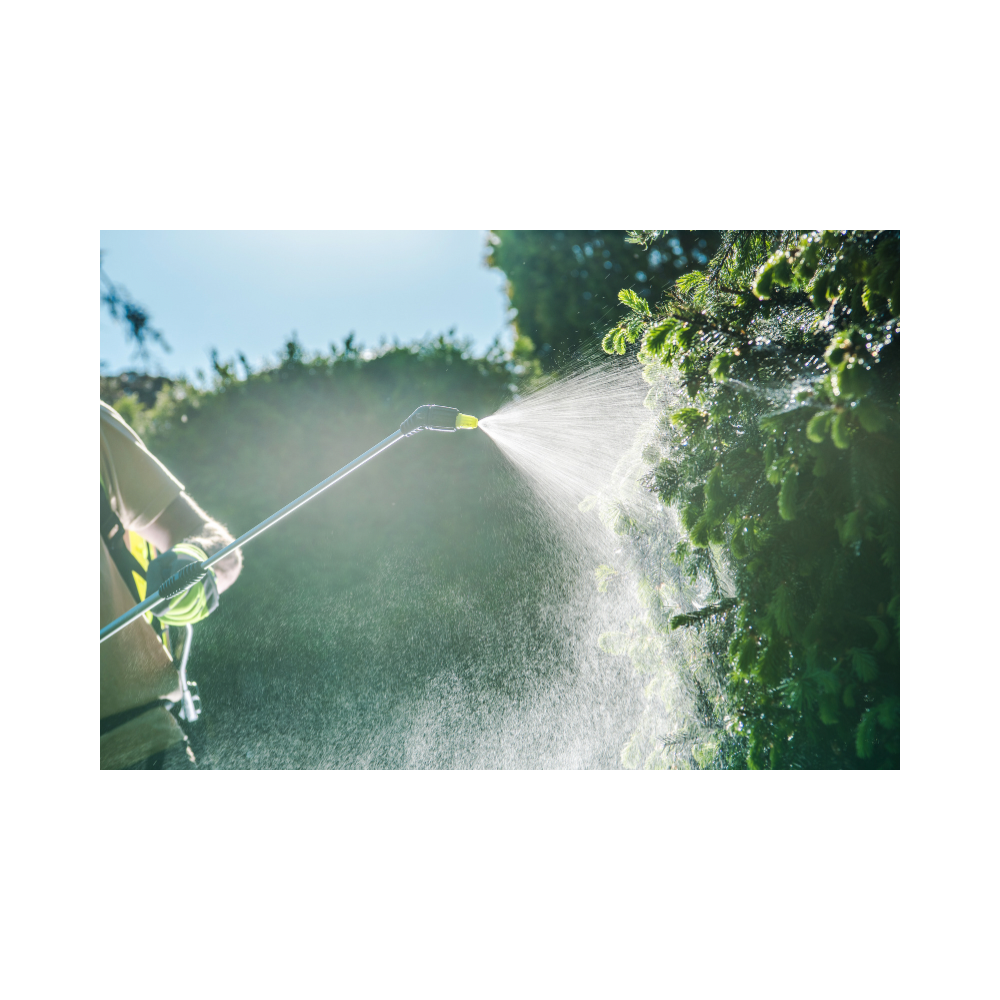
These were approved with promises of lower volatility and strict label requirements. Instead, widespread adoption in 2017 triggered the “dicamba drift wars.” Farmers reported damage to non-tolerant soybeans, cotton, gardens, orchards, and wild plants — sometimes miles away — due to volatility and temperature inversions common in the Midwest.
The pattern is clear: a chemical class with wartime roots is re-packaged with new GE technology, creating fresh problems (drift, neighbor disputes, destroyed crops) while the underlying auxin-mimic mode of action remains the same.
Why This History Matters on Our Homestead
At Lange Girl Farms we refuse 2,4-D and dicamba entirely. We hand-weed and torch weeds because those methods don’t travel on the wind, don’t damage neighboring gardens, and don’t carry the historical baggage of wartime defoliants. Our pregnant mini mare grazes clean pasture we’ve built without these risks. Our huskies, llamas, alpacas, chickens, and ducks live in an environment free from the hormone-like disruption these auxins can cause.
The drift wars prove that “better” formulations and new GE traits still come with unacceptable off-target costs and neighbor conflicts.
Series Roadmap – What’s Next (The Final Part!)
Part 7: Reclaiming our land — our exact holistic methods (hand-weeding, torch burning, mulch, cover crops, livestock grazing with our mini horses and llamas/alpacas), Michigan-specific tips for drift-prone areas, and free printable checklist.
This deep history isn’t just dusty facts — it explains why so many of us have walked away from the chemical treadmill entirely. We can learn from the past and build something better for our farms and families.
Pin/save the entire series and comment below: Did the Agent Orange connection or the dicamba drift wars surprise you? How has this history shaped your choices on the homestead? I read every comment and appreciate your stories.
If you want to support a small regenerative farm that refuses these chemicals, check our shop for wildcrafted salves (perfect for hands after torching or weeding), herbal teas grown right here without sprays, or non-GMO seeds to start your own clean garden. Every purchase helps us keep protecting what matters.
We don’t have to carry forward this toxic legacy. We can choose healthier soil, healthier animals, and healthier families—one deliberate, natural step at a time.
See you in the final Part 7, farm gals!
With love from the pasture,
Kara
Lange Girl Farms