April 6, 2025|Gardening, Holistic, Homesteading, Tips
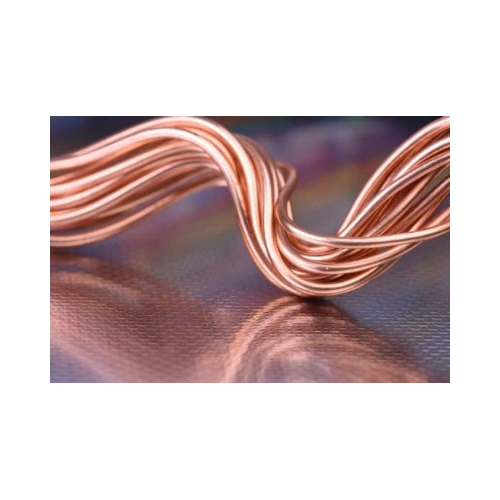
Have you ever wondered if there’s a way to supercharge your garden without relying on fertilizers or pesticides? Enter electroculture gardening—a fascinating, eco-friendly method that’s been buzzing around gardening circles lately. The idea is simple yet mind-blowing: use the Earth’s natural energy to boost plant growth, improve soil health, and even fend off pests. And the secret weapon? Copper rods! Today, I’m diving into what electroculture is all about and walking you through how to make your own copper rods to give your garden a little electric love. Let’s get started!
What Is Electroculture Gardening?
Electroculture isn’t some newfangled fad—it’s been around since the 18th century, with pioneers like Justin Christofleau experimenting with atmospheric electricity to amp up crop yields. The theory goes that plants respond to subtle electrical signals in their environment, and by channeling energy from the air and soil, we can help them thrive. Think of it as giving your plants a gentle energy boost, like a caffeine shot for your carrots or a power-up for your peppers.
The star of the show in modern electroculture is copper—a highly conductive metal that acts as an antenna to capture this “free” atmospheric energy and direct it into the soil. Enthusiasts claim it can lead to bigger yields, healthier plants, and even less need for watering or chemical inputs. While the science is still catching up (and skeptics abound), gardeners worldwide are reporting some pretty intriguing results. So, why not give it a try and see what happens in your own backyard?
Why Copper Rods?
Copper is the go-to material for electroculture because it’s an excellent conductor and doesn’t rust easily. When placed in the soil, copper rods or wires are said to collect energy from the atmosphere—think rain, wind, and sunlight—and funnel it to your plants’ roots. Some say it mimics the natural electrical fields plants experience under phenomena like the aurora borealis. Whether it’s truly zapping your zucchini into overdrive or just adding a cool vibe to your garden, it’s a low-risk experiment that’s easy to DIY.

How to Make Your Own Electroculture Copper Rods
Ready to roll up your sleeves and bring some electroculture magic to your garden? Here’s a step-by-step guide to making your own copper rods. It’s beginner-friendly, budget-friendly, and takes less time than brewing your morning coffee.
What You’ll Need:
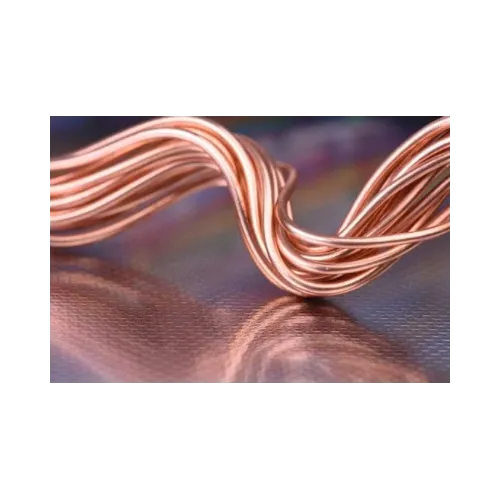
• Copper wire: 16-gauge or thicker works great (available at hardware stores or online. You can find it here thru my affiliate link (https://amzn.to/43ILrIO)). Aim for 99.9% pure copper for best conductivity.
• Wooden stakes or dowels: Grab some from your backyard, a craft store, or hardware shop. Length depends on your plants—6 to 12 inches for small beds, or up to 6 feet for larger gardens.
• Wire cutters: To snip the copper to size.
• Pliers (optional): Handy for twisting and securing the wire.
• Sandpaper (optional): To clean any coated wire ends.
Step-by-Step Instructions:
1. Cut Your Copper Wire: Decide how tall you want your rods. For a small garden, 12-18 inches of wire per rod is a good start. For bigger plants or beds, go longer—some folks swear by 6-foot antennas for maximum energy capture. Use wire cutters to trim your copper to size, leaving a few extra inches for wrapping.
2. Prep Your Stake: Pick a wooden stake or dowel that’s slightly shorter than your wire length (you’ll want some copper sticking out at the top and bottom). If it’s rough, give it a quick sand to smooth it out—this is optional but makes wrapping easier.
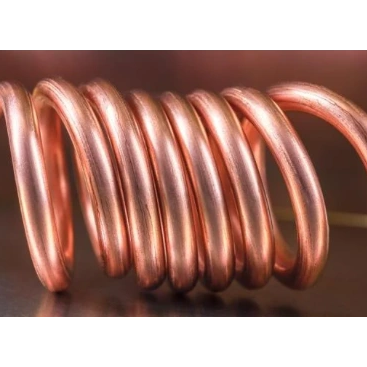
3. Wrap the Wire: Starting at the bottom of the stake, coil the copper wire around it in a spiral. In the Northern Hemisphere, wrap it clockwise; in the Southern Hemisphere, go counterclockwise (some say this aligns with Earth’s magnetic field, but feel free to experiment!). Leave about 2-3 inches of wire unwrapped at the bottom to stick into the soil, and a bit at the top as an “antenna.”
• Pro Tip: Space the coils about 1-2 inches apart for a loose spiral, or keep them tight for a more concentrated effect. There’s no hard rule—play around and see what feels right.
4. Secure the Ends: Use pliers to twist the wire at the top into a little loop or point for a finished look. At the bottom, make sure the wire is straight and ready to pierce the soil. If your wire’s coated, sand the bottom end to expose bare copper for better soil contact.
5. Place in the Garden: Push the rod into the soil near your plants, burying the bottom 2-3 inches. Position it about 6-12 inches from the plant base—close enough to influence the roots but not so close it disturbs them. For larger beds, space multiple rods every few feet.
6. Observe and Experiment: That’s it—you’re done! Now, watch your garden over the next few weeks. Keep a notebook to track growth, pest activity, or any changes. Half the fun is seeing what happens!
Bonus Variations:
• Fibonacci Spiral: Some electroculture fans swear by wrapping the wire in a Fibonacci pattern (a natural spiral) for extra “vibes.” Use a small cylindrical object (like a marker) to shape the coil, then slide it onto the stake.
• Copper Pipe Alternative: If you’ve got copper tubing lying around, you can skip the wrapping and just stick straight pipes into the ground—though coils are said to amplify the effect.
What to Expect
Results vary wildly depending on who you ask. Some gardeners report taller tomato plants, juicier cucumbers, and fewer aphids after a few weeks. Others see no difference—or chalk it up to good weather. There’s no peer-reviewed proof yet that electroculture works miracles, but the anecdotal buzz is hard to ignore. At the very least, you’ll have some funky copper accents in your garden that’ll spark conversations at your next barbecue!
Tips for Success
• Start Small: Test a few rods in one bed and compare it to an untreated area—like a mini science experiment.
• Height Matters: Taller rods supposedly gather more energy, so scale up for bigger plants like corn or sunflowers.
• Stay Open-Minded: Whether it’s the placebo effect or real energy at play, enjoy the process and let your plants be the judge.
Final Thoughts
Electroculture gardening is a blend of history, curiosity, and a touch of DIY magic. Making your own copper rods is a cheap, fun way to dip your toes into this quirky technique. Will it turn your garden into a jungle overnight? Maybe not—but it’s a low-stakes adventure that might just surprise you. Have you tried electroculture yet? Drop your thoughts or results below—I’d love to hear how it goes for you!
Happy gardening, and may your plants feel the spark!