April 23, 2025|Chickens, Cows, Foraging, Gardening, Holistic, Homesteading, Livestock, Llamas, Sustainability, Tips

Flies, mosquitoes, and ticks are more than just nuisances—they can spread diseases and disrupt the harmony of your home, yard, and livestock areas. Chemical pesticides often harm beneficial insects, soil, and water, but natural and holistic methods offer effective, eco-friendly alternatives. This blog post explores how to repel these pests using plants, diatomaceous earth, yard maintenance, and safe treatments for humans, pets, and livestock, creating a pest-free environment for all.
Understanding the Pests
Each pest has unique habits that we can target naturally:
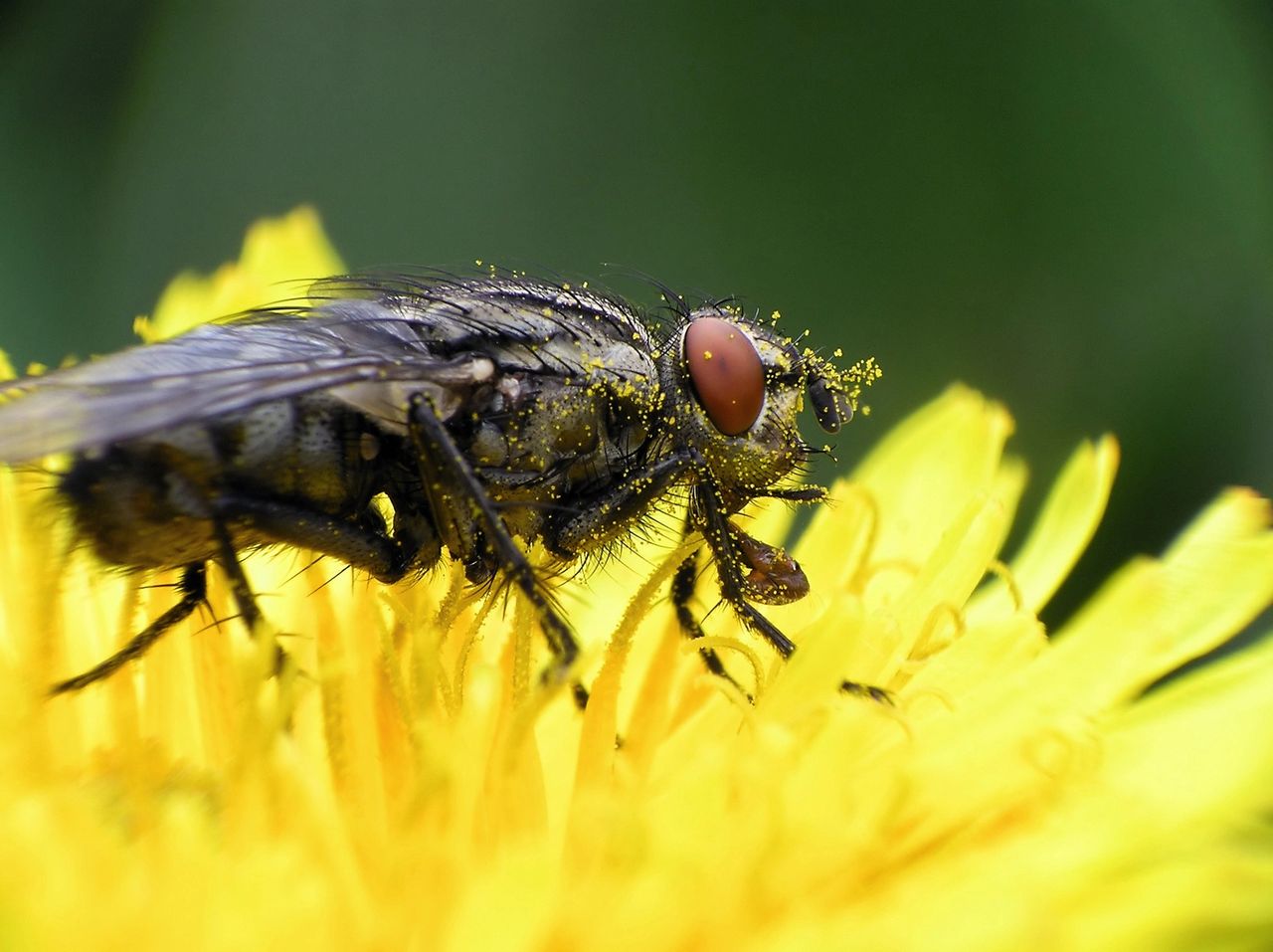
• Flies: Drawn to food, waste, and livestock manure, flies spread bacteria and thrive in warm, moist conditions.
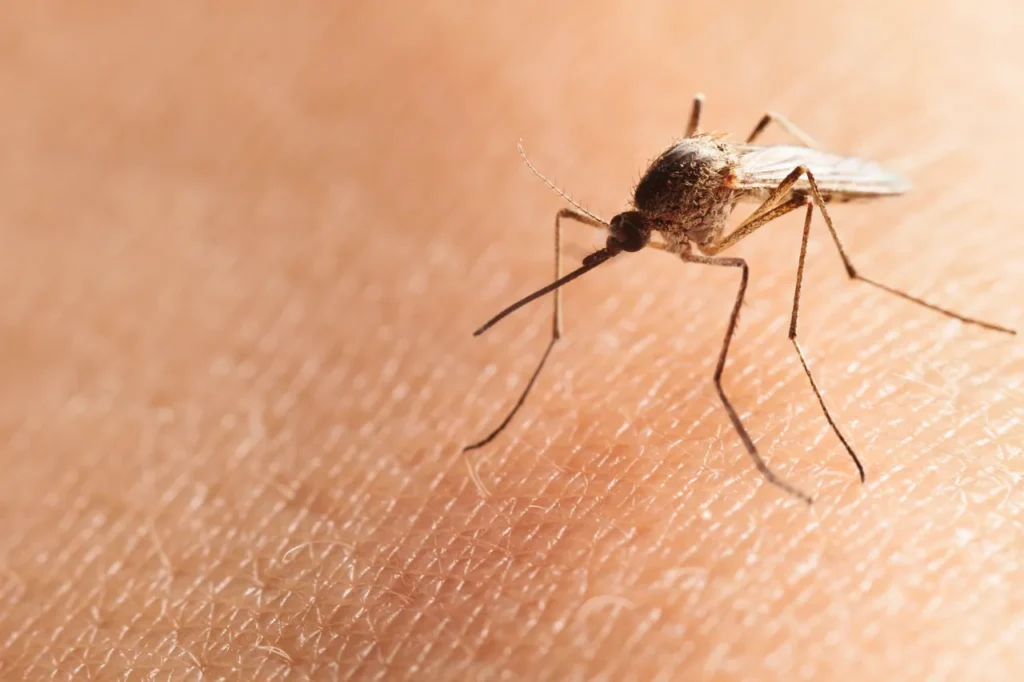
• Mosquitoes: Breeding in standing water, these bloodsuckers are active at dawn and dusk and may carry diseases like West Nile or equine encephalitis.
• Ticks: Lurking in tall grass and wooded areas, ticks latch onto humans, pets, and livestock, potentially transmitting Lyme disease or anaplasmosis.
By addressing their habitats and using nature’s tools, we can keep these pests at bay holistically.
Natural Strategies to Repel Flies, Mosquitoes, and Ticks
1. Plant a Pest-Repelling Garden
Certain plants naturally deter pests with their scents or chemical compounds. Planting these around your home, garden, or livestock areas creates a fragrant, pest-resistant barrier. Here’s a list of beneficial plants:

• Basil: Repels flies and mosquitoes with its strong aroma. Plant near patios or barn entrances.
• Mint (Peppermint/Spearmint): Deters flies, mosquitoes, and ticks but can be invasive, so use pots or contained beds.
• Lavender: Its fragrance repels all three pests. Ideal for borders or near windows.
• Lemongrass: Contains citronella, a powerful mosquito and tick repellent. Great for garden edges.
• Rosemary: Repels ticks and flies. Plant near seating areas or livestock pens.

• Marigolds: Their scent deters flies and ticks. Use in flower beds or vegetable gardens.
• Chrysanthemums: Contain pyrethrum, a natural insecticide, effective against ticks and mosquitoes.
• Catnip: Highly effective against mosquitoes due to nepetalactone. Safe for pets but plant strategically to avoid cat attraction.
• Garlic: Its sulfur compounds repel ticks and flies. Plant in garden beds or near livestock areas.
• Bay Laurel: Deters flies. Grow as a shrub or keep potted near doorways.
How to Use: Plant these around your home’s perimeter, near entryways, patios, or livestock enclosures. Crush leaves occasionally to release oils, enhancing their repellent effect. For livestock areas, place potted mint or lavender near barns or coops to reduce pest activity.
2. Maintain a Pest-Unfriendly Yard
Proper landscaping reduces pest habitats for your home, pets, and livestock:
• For Flies: Remove pet waste, livestock manure, and organic debris daily. Seal compost bins and cover garbage cans tightly. In livestock areas, use manure management systems to dry or remove waste quickly.
• For Mosquitoes: Eliminate standing water in buckets, troughs, gutters, or low-lying areas. Refresh livestock water tanks and pet bowls weekly, and add mosquito dunks (containing Bti, a natural bacteria) to ponds or rain barrels.
• For Ticks: Keep grass mowed, trim shrubs, and clear leaf litter or brush piles around your yard and livestock pastures. Create a 3-foot-wide barrier of wood chips, gravel, or mulch between lawns and wooded areas to deter ticks.
Livestock Tip: Rotate grazing areas to prevent overgrowth where ticks thrive, and maintain clear paths between pastures and barns.
3. Use Diatomaceous Earth for Yard and Livestock Treatment
Food-grade diatomaceous earth (DE) is a natural, powdery substance made from fossilized algae. It dehydrates pests by damaging their exoskeletons, making it a versatile tool for pest control. You can find it here on Amazon thru my affiliate link (https://amzn.to/44RJJ8k)
• Yard Treatment:
• Application: Sprinkle DE lightly in tick- and mosquito-prone areas like garden edges, shaded lawns, or under decks. Use a duster or shaker for even distribution. Focus on moist, grassy spots where ticks hide or mosquito larvae may develop.
• Frequency: Reapply after rain or every 1–2 weeks during pest season. Avoid applying on windy days to prevent inhalation.
• Safety: Use food-grade DE, safe for humans, pets, and livestock. Wear a mask during application to avoid inhaling dust, and keep pets away until settled.
• Livestock Treatment:
• Application: Dust DE onto livestock bedding, coop floors, or barn corners to control flies and ticks. For poultry, add DE to dust-bathing areas to reduce external parasites. Lightly sprinkle on cattle, sheep, or goats’ coats (avoiding eyes and nose) to deter ticks and flies.
• Frequency: Apply to bedding weekly and reapply to animals every 7–10 days or after heavy rain. Check livestock for skin irritation and discontinue if observed.
• Safety: Use food-grade DE only. Ensure animals don’t inhale dust during application, and provide clean water to prevent dehydration.
• Pet Treatment:
• Application: Lightly dust DE onto pet bedding or kennels to repel fleas, ticks, and flies. For dogs or cats, rub a small amount into their fur (avoiding face and eyes) to deter ticks and fleas.
• Frequency: Reapply to bedding weekly and to pets every 5–7 days, or after baths. Brush out excess to prevent skin dryness.
• Safety: Use food-grade DE, and monitor pets for skin irritation. Avoid overuse, as it can dry out skin.
• Human Use: DE is not typically applied directly to human skin for pest control due to potential dryness, but it can be used in living spaces (e.g., sprinkled under furniture or along baseboards) to reduce indoor pests.
Pro Tip: Store DE in a dry place and purchase from reputable suppliers to ensure it’s food-grade, safe for all applications.
4. Natural Repellents for Humans, Pets, and Livestock
Beyond DE, other natural remedies can protect against pests:
• For Humans:
• Sprays: Mix 10–15 drops of essential oils (e.g., citronella, eucalyptus, lavender, or tea tree) with 1 cup of water and 1 tbsp witch hazel. Spray on clothing, exposed skin (test for sensitivity), or outdoor gear. Reapply every 2–3 hours.
Or find me directly for natural bug repellent salve to get your family and littles covered naturally when out in the woods.
• Clothing: Wear light-colored, long-sleeved shirts and tuck pants into socks in tick-heavy areas. After outdoor time, dry clothes on high heat for 10 minutes to kill ticks.
• Traps: For flies, set up jars with apple cider vinegar, a drop of dish soap, and a paper funnel near outdoor seating areas.
• For Pets:
• Sprays: Dilute apple cider vinegar (1:3 with water) or rose geranium oil (5 drops per cup of water) and lightly mist pet collars or bedding. Avoid direct skin application unless vet-approved.
For a readily available product you can find a household spray for furniture and pets indoors. You can find it here at amazon thru my affiliate link (https://amzn.to/4kbnY85)
• Collars: Soak fabric pet collars in a mix of lavender and cedar oil (diluted) for a natural tick and flea repellent.
• Checks: Inspect pets daily, especially ears, belly, and legs, after outdoor time. Use a fine-tooth comb to remove ticks.
• For Livestock:
• Sprays: Dilute cedar or neem oil (10 drops per gallon of water) and spray on cattle, horses, or goats’ coats, avoiding eyes. This repels flies and ticks.
• Feed Additives: Add small amounts of garlic powder to livestock feed (consult a vet for dosage) to make animals less attractive to ticks and flies.
• Fly Traps: Hang sticky traps or use natural fly baits (e.g., molasses-based) in barns to capture flies.
Pro Tip: Always test sprays on a small area of skin or coat first. Reapply after rain or heavy sweating for continued protection.
5. Holistic Yard and Livestock Treatments
Additional eco-friendly methods enhance pest control:
• Beneficial Nematodes: These microscopic worms target tick and mosquito larvae in soil. Apply to moist yard areas, pastures, or near livestock resting spots in spring or fall. Follow supplier instructions for best results.
• Cedar Mulch: Spread cedar mulch in flower beds, pathways, or around livestock pens. Its natural oils repel flies, mosquitoes, and ticks.
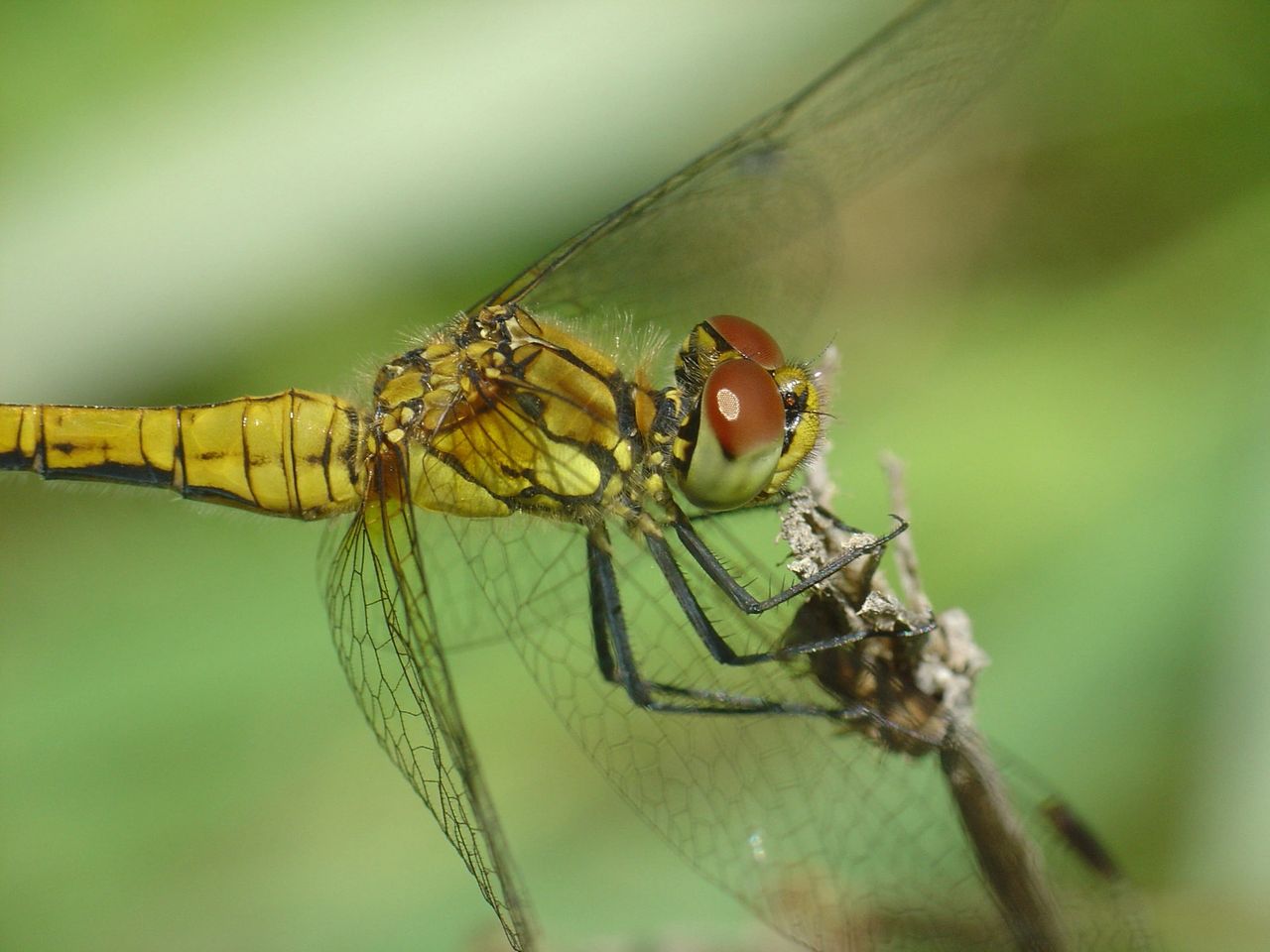
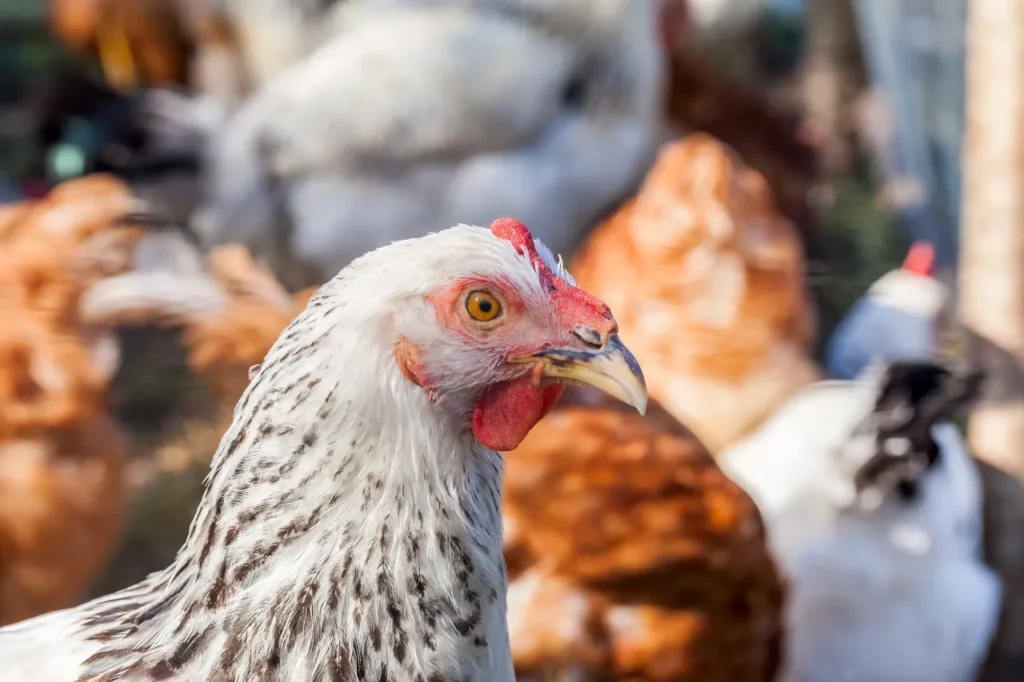
• Encourage Predators: Install birdhouses, bat boxes, or small ponds to attract birds, bats, and frogs, which eat flies and mosquitoes. Guinea fowl or chickens in livestock areas consume ticks and flies.
If your problem is severe and need to do a spray application on your yard we recommend this holistic version to spray on your plants. Find it here on Amazon thru my affiliate link (https://amzn.to/4iM6xd5)
Livestock Tip: Allow chickens or guinea fowl to free-range in pastures to naturally reduce tick populations, but protect them from predators.
Protecting Humans, Pets, and Livestock Holistically
• Humans: Avoid mosquito-heavy times (dawn/dusk) and tick-prone areas (tall grass). Use mesh screens on windows and cover food during outdoor meals to deter flies.
• Pets: Keep outdoor pet areas clean, and use natural flea/tick shampoos with ingredients like neem or lavender. Regular grooming prevents pest buildup.
• Livestock: Maintain clean barns, rotate pastures, and provide shaded, dry resting areas to reduce pest attraction. Regular health checks catch tick infestations early.
Why Go Natural?
Natural pest control preserves the environment, protects pollinators like bees, and ensures the safety of humans, pets, and livestock. Chemical pesticides can contaminate water, harm beneficial wildlife, and lead to pest resistance. By using plants, diatomaceous earth, and holistic practices, you foster a balanced ecosystem that’s both pest-resistant and sustainable.
Final Thoughts
Flies, mosquitoes, and ticks don’t have to dominate your home, yard, or livestock areas. By planting repellent plants like lavender and lemongrass, using diatomaceous earth, maintaining a tidy landscape, and applying natural remedies, you can protect yourself, your pets, and your livestock. Start with a few strategies—like adding marigolds or setting up fly traps—and build a comprehensive defense over time. Your pest-free, eco-friendly sanctuary awaits!