May 16, 2025|Homesteading, Livestock, Llamas, Tips
Alpacas, the charming and fluffy cousins of llamas, are beloved for their soft, luxurious fleece and gentle personalities. Native to the Andes Mountains of South America, these camelids have been domesticated for over 5,000 years, primarily for their exceptional fiber. In this blog, we’ll explore the two main types of alpacas, their stunning array of coat colors, and the distinct types of fleece that make them a favorite among fiber artists and sustainable fashion enthusiasts.
Types of Alpacas
Alpacas belong to the species Vicugna pacos and are classified into two distinct types based on their fleece characteristics: Huacaya and Suri. These types differ in their fleece texture, appearance, and uses, making each unique in the world of fiber production.
1. Huacaya Alpacas
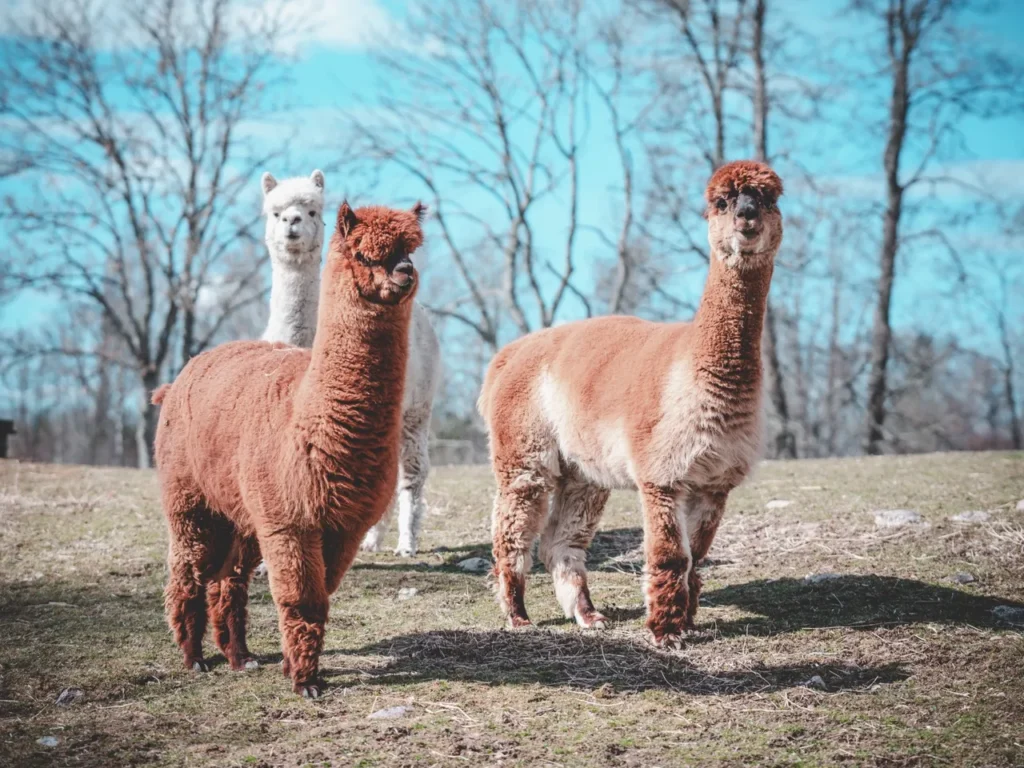
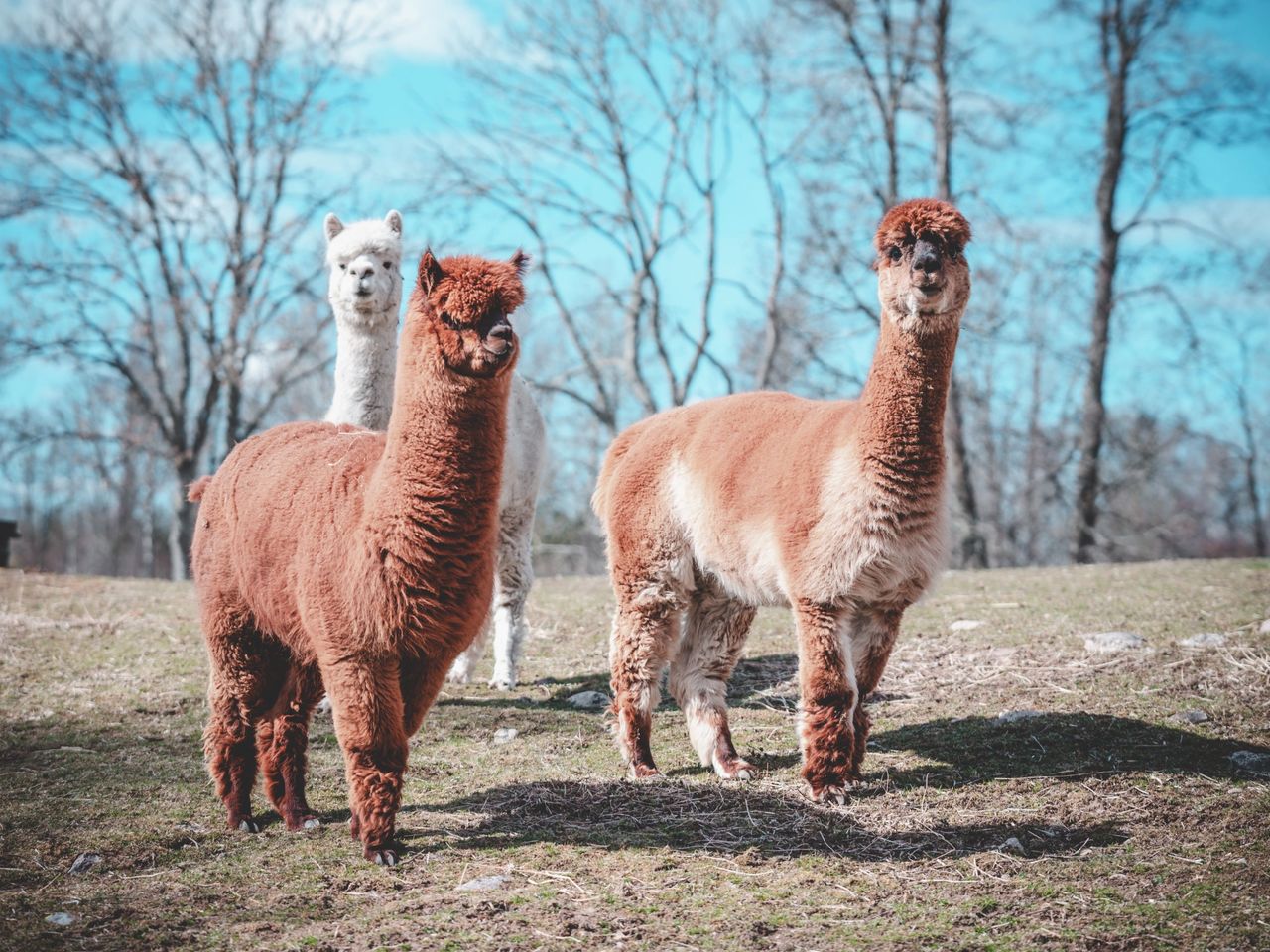
• Characteristics: Huacaya alpacas are the most common type, accounting for about 90% of the global alpaca population. They have a fluffy, woolly appearance, with dense, crimped fleece that gives them a teddy-bear-like look. Their fleece grows perpendicular to the body, creating a puffy, rounded silhouette.
• Primary Use: Fiber production for soft, warm textiles like sweaters, scarves, and blankets. Huacayas are also popular as show animals and pets.
• Fleece: Dense, crimped, and springy, with a wool-like texture that provides excellent insulation.
2. Suri Alpacas
• Characteristics: Suri alpacas are rarer, making up about 10% of the alpaca population. They have a sleek, elegant appearance, with long, silky fleece that hangs in lustrous, pencil-like locks, resembling dreadlocks. Their fleece flows naturally, giving them a distinctive, flowing look.
• Primary Use: Fiber production for high-end, glossy textiles, such as fine shawls, coats, and specialty weaves. Suris are also prized in the show ring for their unique beauty.
• Fleece: Smooth, straight, and shiny, with a silky texture and exceptional drape.
While Huacaya and Suri are the primary types, alpacas are not typically distinguished by body build or purpose (e.g., pack animals) like llamas, as their primary role is fiber production.
Alpaca Coat Colors
Alpacas are renowned for their diverse and natural coat colors, which range from solid hues to subtle patterns. Their fleece is particularly valued because it comes in a wide palette without the need for dyeing, making it a sustainable choice for eco-conscious textile production. Alpaca coat colors are grouped into solid colors and patterns, with over 22 recognized natural shades.
Solid Colors
Alpacas display a rich spectrum of solid colors, including:
• White: The most common color, ranging from bright white to creamy ivory. White fleece is versatile and can be dyed easily.
• Black: Deep, true black or slightly bluish-black, highly sought after for its elegance.
• Brown: Shades from light fawn to rich chocolate, warm and earthy.
• Bay Black: A dark brownish-black with a reddish tint, less common but striking.
• Silver Gray: A cool, metallic gray, rare and prized for its uniqueness.
• Rose Gray: A soft gray with pinkish or brownish undertones, exceptionally rare.
Patterns
While solid colors dominate, alpacas can also exhibit patterns, though these are less common than in llamas:
• Appaloosa: A light base color (often white) with dark spots, typically on the hindquarters.
• Pinto: Patches of white mixed with another color, such as black or brown, creating a bold contrast.
• Tuxedo: A two-tone pattern with a darker upper body and lighter lower body or face.
• Multicolor: A mix of colors in no distinct pattern, often seen in traditional Andean breeding.
The natural diversity of alpaca coat colors makes their fleece a favorite among artisans who value authenticity and sustainability in their creations.
Types of Alpaca Fleece
Alpaca fleece is celebrated for its softness, warmth, and hypoallergenic properties (it lacks lanolin, unlike sheep’s wool). It’s finer and lighter than llama fleece, making it a premium fiber for luxury textiles. Alpaca fleece is categorized into two main types based on the alpaca’s type: Huacaya fleece and Suri fleece. Additionally, fleece is graded by its fineness, measured in microns (the lower the micron count, the finer the fiber).
1. Huacaya Fleece
• Description: Huacaya fleece is dense, crimped, and woolly, with a fluffy, spongy texture. The crimp (wave-like structure) gives it elasticity and loft, making it ideal for warm, cozy garments.
• Micron Range: Typically 20–30 microns, with finer fleeces (under 22 microns) classified as “Royal” or “Baby” alpaca for their exceptional softness.
• Uses: Knitting and weaving for sweaters, hats, scarves, blankets, and socks. Its loft makes it excellent for items requiring insulation.
• Texture: Soft, warm, and slightly springy, with a uniform, wool-like feel.
• Advantages: Easy to spin and versatile for a wide range of textile applications.
2. Suri Fleece
• Description: Suri fleece is characterized by long, straight, lustrous fibers that hang in sleek, pencil-like locks. It has a glossy, almost liquid-like sheen and a silky texture that sets it apart.
• Micron Range: Typically 20–28 microns, with the finest Suri fleeces rivaling the softness of Baby alpaca. Suri fleece is often slightly finer than Huacaya.
• Uses: Specialty textiles, such as high-fashion garments, shawls, and decorative weaves. Its drape makes it ideal for flowing, elegant designs.
• Texture: Smooth, glossy, and strong, with a luxurious, satin-like quality.
• Rarity: Suri fleece is less common, making it a premium choice for exclusive projects.
Fleece Grades
Alpaca fleece is further graded by fineness, which affects its softness and market value:
• Royal Alpaca: Under 19 microns, ultra-soft and rare.
• Baby Alpaca: 20–22 microns, exceptionally soft, often from young alpacas or the finest adult fleeces.
• Superfine Alpaca: 23–25 microns, still very soft and suitable for next-to-skin wear.
• Huacaya/Suri Standard: 26–30 microns, slightly coarser but still high-quality for outerwear or rugs.
Unlike llama fleece, alpaca fleece is typically single-coated, with minimal guard hairs, making it easier to process and spin into yarn.
Caring for Alpaca Fleece
Alpaca fleece requires careful handling to preserve its quality. Alpacas are sheared once a year, usually in spring, yielding 5–10 pounds of fleece per animal, depending on the type and fleece density. The shearing process is gentle to ensure the animal’s comfort. After shearing, the fleece is:
• Skirted: Removing dirt, vegetable matter, and coarser edges.
• Tumbled: Using air to remove dust and debris without damaging the fibers.
• Washed: Gently cleaned with mild soap to maintain the fleece’s natural luster.
• Carded or Combed: Preparing the fleece for spinning by aligning the fibers (carding for Huacaya, combing for Suri).
• Spun: Turned into yarn for knitting, weaving, or felting.
Alpaca owners keep their animals in clean environments to minimize fleece contamination, ensuring high-quality fiber for textile production.
Why Alpacas and Their Fleece Matter
Alpacas are more than just adorable, doe-eyed creatures—they’re a cornerstone of Andean culture and a sustainable source of one of the world’s finest natural fibers. Their fleece is lightweight, durable, and eco-friendly, offering a luxurious alternative to synthetic materials or less sustainable fibers. Whether you’re a fiber artist, a fashion enthusiast, or an alpaca lover, understanding the types of alpacas, their coat colors, and their fleece opens up a world of appreciation for these remarkable animals.
From the fluffy, crimped fleece of Huacaya alpacas to the silky, flowing locks of Suri alpacas, and from snowy white coats to rare rose gray hues, alpacas showcase nature’s artistry. Their fleece, whether spun into a cozy sweater or woven into a glossy shawl, carries the legacy of centuries-old traditions.
Have you ever touched alpaca fleece or met one of these gentle creatures? Share your thoughts in the comments below, and let’s celebrate the magic of alpacas together!